bluename
How to Aerate Compacted Garden Soil Surrounding Mature Outdoor Cactus Roots
If your old outdoor cactus has started looking tired, and the ground around it feels like concrete, you're dealing with compacted soil. I've been there. The fix is gentler than you'd think: you aerate compacted garden soil surrounding mature outdoor cactus roots by working the top few inches only, keeping a healthy distance from the trunk, and never digging deep. That's the short answer. Everything below is how I actually do it, step by step, without killing the plant.
I learned this the hard way. My first mature prickly pear got "helpful" aeration from me with a garden fork, and I nicked a surface root. It sulked for a month. Since then I've aerated maybe a dozen mature cacti in my own yard, and the method hasn't changed much. Slow, shallow, and boring wins.
Why Compacted Soil Around a Mature Cactus Is a Real Problem
Cactus roots are shallow and wide. They spread out near the surface to catch rare rain fast. Compacted soil blocks that. Water runs off instead of soaking in. Air can't move. The roots basically suffocate.
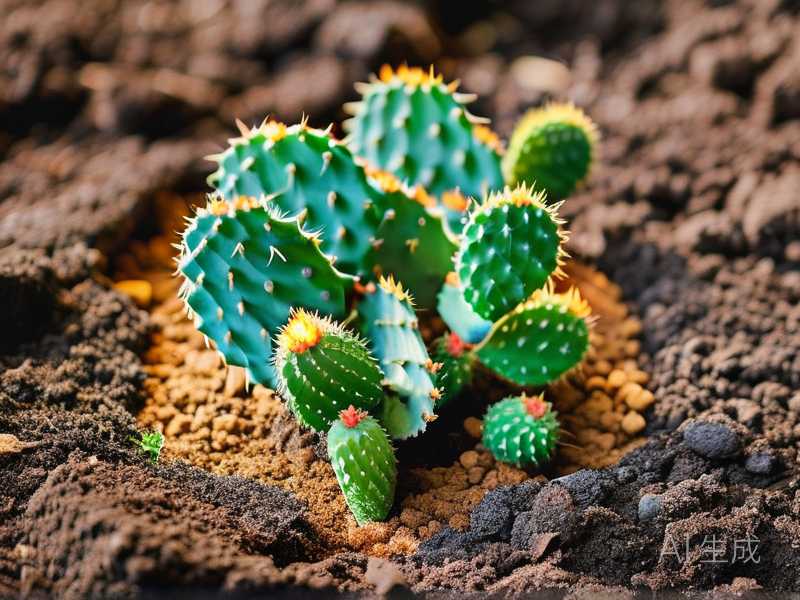
The RHS puts it plainly: compacted soil has poor structure and restricts both water infiltration and root growth. For desert plants, that's a slow death sentence.
In my own beds, the tell was water pooling on top for ten minutes after watering. That's not drainage. That's a sealed surface. Once I saw that, I knew aeration was overdue.
Also worth saying: cacti in the ground are far more forgiving than potted ones. Still, you can absolutely kill a mature cactus with kindness. I nearly did.
When to Aerate (and When to Back Off)
Timing matters more than technique, honestly.
- Best window: early spring, just as growth restarts. Soil is workable but not soggy.
- Second-best: early fall, so winter rain can actually penetrate.
- Avoid: midsummer heat waves. You'll stress the plant and yourself.
- Avoid: right after heavy rain. Wet soil compacts more when you work it.
I tried aerating in July once. The plant didn't die, but it dropped two pads and looked rough for weeks. Not worth it. Wait for cooler, drier days.
If your cactus is dormant, leave it alone. Dormant plants don't recover from root disturbance quickly.
The Tools I Actually Use
Nothing fancy. Here's my kit:
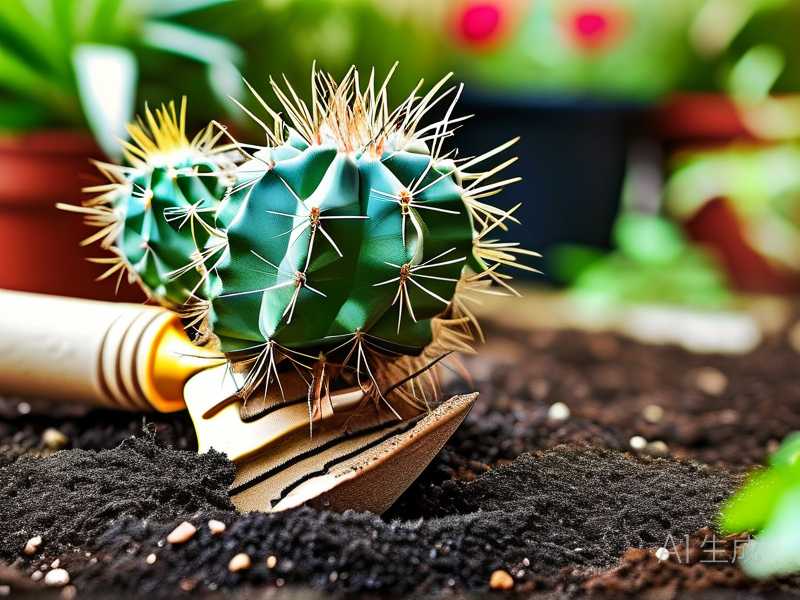
- A narrow hand fork or a chopstick for small areas.
- A soil corer or a length of half-inch rebar for plug aeration.
- A bucket of coarse grit or pumice for top-dressing.
- Gloves. Thick ones. Always.
I've seen people recommend tillers. Don't. A tiller around a mature cactus is a root-shredding machine. I watched a neighbor do it. His saguaro-adjacent bed never fully recovered.
Simple hand tools give you control. That's the whole point.
Step-by-Step: How I Aerate Without Hurting the Roots
Here's my actual routine. It takes about twenty minutes per plant.
Step 1: Clear the surface. Pull weeds and debris from a ring around the trunk. I go out to about two feet for a medium cactus, wider for big ones. Roots extend well past the canopy, so think broad.
Step 2: Check moisture. Squeeze a handful of soil. If it holds together like dough, wait a few days. You want crumbly, barely damp soil.
Step 3: Make shallow holes. Using the corer or rebar, push down two to three inches. That's it. No deeper. Space holes about six inches apart in a ring, staying at least six inches from the trunk itself.
Step 4: Wiggle, don't pry. Rock the tool slightly to open the hole. Don't lever it sideways. Levering snaps roots.
Step 5: Fill the holes with grit. Coarse sand, pumice, or small gravel. This keeps the channels open and improves drainage long-term. This single step made the biggest difference in my beds.
Step 6: Top-dress lightly. A quarter-inch of grit around the base. Don't bury the trunk. Ever.
Step 7: Water gently. A slow soak, not a blast. You want water to follow the new channels down.
That's it. No digging. No turning. No compost worked in deep. Cactus roots hate disturbance, and deep amendments just rot around them.
What I Observed Over Two Weeks
I kept notes because I'm that person. After aerating my oldest columnar cactus bed in early April:
- Day 1–3: Nothing visible. Water beaded a bit less on the surface.
- Day 5: After a light watering, water soaked in within about a minute instead of pooling.
- Day 7: Soil surface felt looser under my fingers. Slight crumb structure forming.
- Day 10: New growth tip on one column looked slightly greener. Could be coincidence, but I'll take it.
- Day 14: Noticeably better infiltration. A half-inch of rain actually reached depth instead of running off.
No transplant shock. No yellowing. The plant carried on like nothing happened, which is exactly what you want. Boring results are good results with cacti.
The Three Mistakes That Kill New Growers' Cacti
Let me be blunt, because I made all three.
Mistake 1: Overwatering. This is the big one. Simple truth: 90% of indoor plants die from overwatering, and outdoor cacti aren't immune once soil is compacted and drainage is poor. Wet feet plus compacted soil equals rot. I lost a beautiful golden barrel this way. Learned my lesson permanently.
Mistake 2: Wrong light. A cactus in deep shade stretches, pale and thin. A cactus blasted by reflected afternoon sun can scorch. I had one in a spot that got morning sun and brutal western glare. It burned. Moved it, and it recovered. Light placement is not a detail.
Mistake 3: Wrong pot or wrong spot. For container cacti, an oversized pot holds too much wet soil. For garden cacti, planting in heavy clay with no grit is the same error in ground form. I "fixed" a clay bed by planting straight into it. The plant rotted within a season.
If you avoid those three, you're already ahead of most beginners.
Keeping the Soil Loose Long-Term
Aeration isn't a one-time event. Compacted soil re-compacts, especially with foot traffic and rain.
I re-aerate lightly every spring now. Just the shallow holes and grit. Ten minutes per plant.
Adding a permanent grit mulch helps a lot. So does keeping weeds down, since weed roots and your pulling disturb structure.
Avoid walking on the bed. I laid a couple of stepping stones so I could water without stomping around. Small thing, big difference.
The AHS emphasizes improving soil structure rather than quick fixes, and that applies here. You're building a better root zone over seasons, not overnight.
What About Fertilizer After Aerating?
Hold off for a couple of weeks. Disturbed roots plus fertilizer salts is a bad combo.
When you do feed, use a low-nitrogen cactus formula, diluted to half strength. Once in spring, maybe once in early summer. That's plenty.
I don't fertilize my in-ground cacti at all anymore. They get enough from the grit and the occasional compost tea at the drip line. Less is genuinely more here.
Seasonal Notes That Affect Aeration Timing
Spring: the main event. Aerate, top-dress, then water sparingly as growth resumes.
Summer: leave the soil alone. Just watch for heat stress and keep airflow around the base.
Fall: a light second aeration if soil has hardened. Great for letting winter rain soak in.
Winter: no aeration. Soil is wet and cold, roots are dormant, and disturbance invites rot.
I also skip aeration entirely in years when I've repotted or moved a plant. One stress at a time.
Frequently Asked Questions
Can I aerate compacted soil around a cactus with a garden fork?
Honestly, I'd skip it. Forks go too deep too fast and slice surface roots. Use a narrow corer or even a chopstick and keep it shallow. Slow beats efficient with cacti.
How deep should I aerate around mature cactus roots?
Two to three inches, maximum. Most feeding roots sit near the surface. Going deeper risks major roots and gains you nothing. If the soil below is hardpan, fix it with grit top-dressing over time, not deep digging.
How often should I aerate compacted soil around an outdoor cactus?
Once a year in early spring is enough for most home gardens. Heavily trafficked or clay-heavy beds might want a light fall pass too. Watch how water behaves after rain. If it pools, you're due.
Final Thoughts
Aerating around a mature cactus is less about muscle and more about restraint. Shallow holes, grit, patience, and hands off the roots. That's the whole game.
Do it in the right season. Keep your distance from the trunk. Watch for two weeks. Then let the plant do its thing.
Your cactus has survived this long. A little careful loosening of that hard ground will help it keep going for decades more. Just don't love it to death with a tiller.