bluename
How to Design a Low-Water Xeriscape Landscape Layout Dominated by Cactus
I killed my first three cactus plants in under a month. Not because I neglected them — because I loved them too much with a watering can. That experience taught me something I wish someone had told me earlier: when you design a low-water xeriscape landscape layout dominated by cactus, the single most important decision isn't which species to pick. It's how you structure water, light, and drainage across the entire space before a single plant goes in the ground.
This guide walks through the exact layout process I now use. It covers site assessment, planting zones, soil prep, irrigation design, and the seasonal care rhythm that keeps a cactus-dominated xeriscape alive through all four seasons. I've tested these steps in my own yard over multiple growing seasons, and I've included the mistakes that cost me real plants and real money.
Why Cactus Belongs at the Center of a Xeriscape Layout
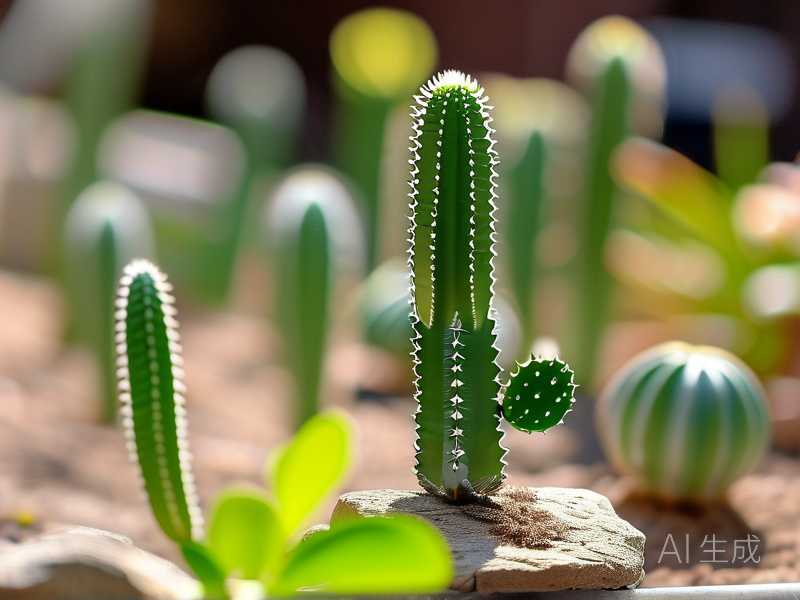
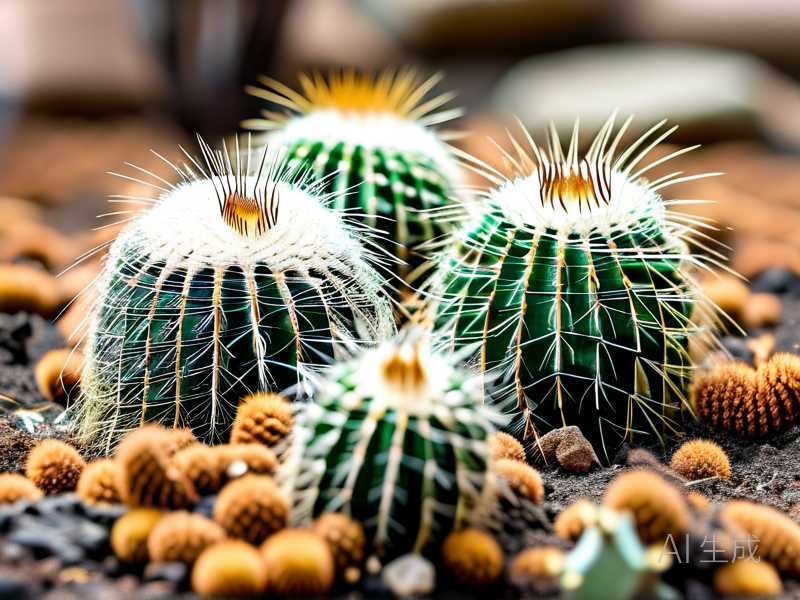
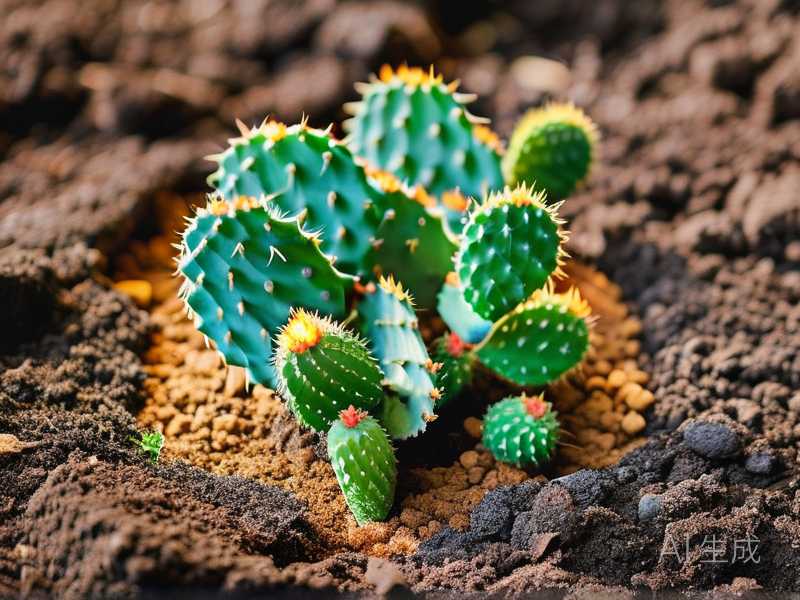
Cactus is not just a novelty plant you stick in a rock garden and forget. It's a structural element. Tall columnar types create vertical drama. Clumping barrel cactus fills ground-level gaps. Prickly pear adds spreading mass. When you build a layout around these forms, you get a landscape that looks intentional rather than sparse.
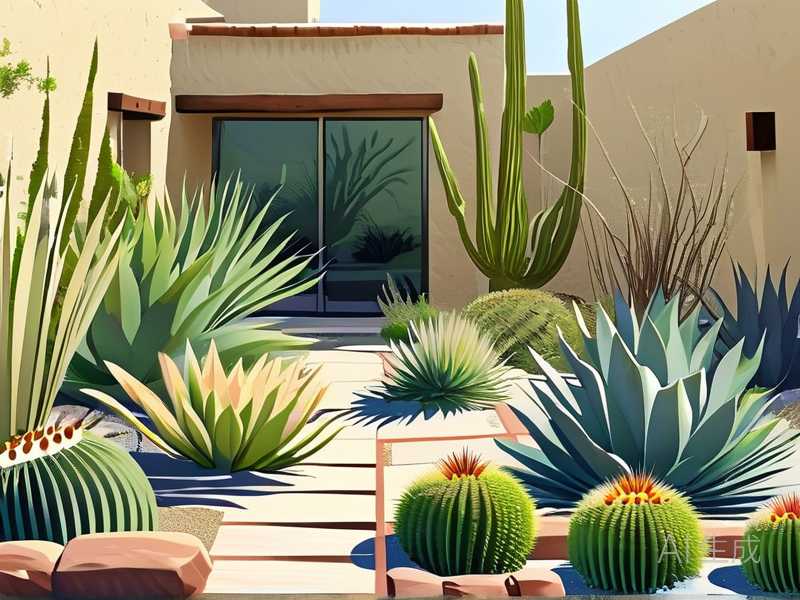
The RHS notes that drought-tolerant planting schemes work best when plants are grouped by water need rather than scattered randomly. That principle applies directly here. Cactus should anchor dedicated dry zones, not get mixed into beds with thirstier perennials.
Maintenance is genuinely low once established. But "low" doesn't mean "zero." The first two growing seasons demand attention — especially around watering and drainage. After that, most hardy cactus species in USDA zones 8–11 (and sheltered microclimates in zone 7) settle into a predictable rhythm.
Start With the Site, Not the Plants
Sun Mapping Comes First
I used to pick plants at the nursery and then figure out where to put them. Wrong order. Now I spend a full day watching how sun moves across the yard before I draw anything.
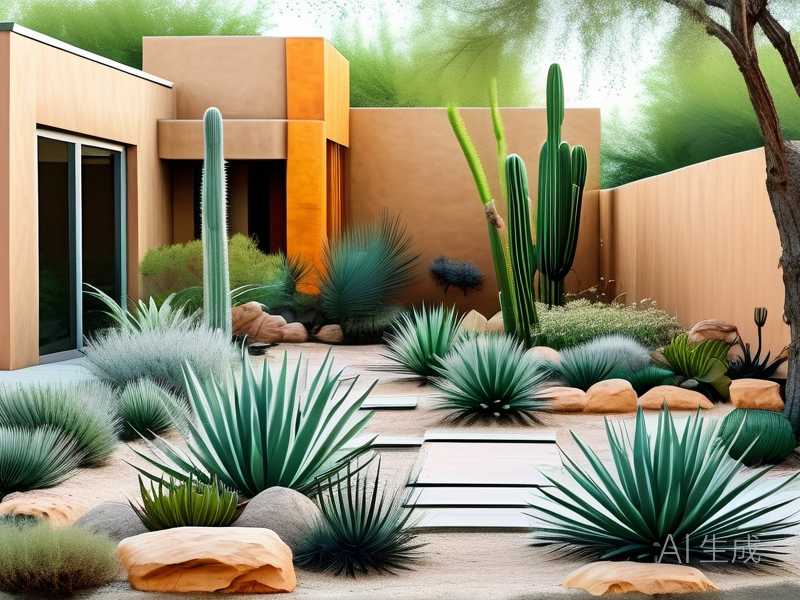
Cactus needs at least six hours of direct sun. Full-day exposure is better for most desert types. But here's the nuance: intense afternoon sun in hot climates can scorch young plants that haven't developed a thick waxy coating yet. So I map both morning sun and afternoon sun separately.
In my current layout, the west-facing slope gets brutal afternoon heat. I placed established barrel cactus there — they handle it fine. But new transplants go on the east side where they get morning sun and filtered afternoon light for the first season.
Drainage Test You Can Do in Ten Minutes
Dig a hole about 12 inches deep and fill it with water. If water drains within 30 minutes, you're in good shape. If it sits for hours, you need to build raised beds or install drainage before planting anything.
I skipped this test on my first xeriscape attempt. Everything looked fine on the surface. Then winter rains came, water pooled in a low corner, and I lost two trichocereus to root rot. Never again.
Wind and Cold Exposure
Wind dries out cactus tissue faster than heat does, especially in winter when plants are dormant. A windbreak — even a low rock wall or a row of drought-tolerant shrubs — makes a measurable difference. Cold exposure matters too. Know your hardiness zone and place tender species against south-facing walls that radiate stored heat overnight.
Zoning Your Layout: The Three-Ring Approach
I design cactus xeriscapes in three zones. This keeps water delivery simple and prevents the classic mistake of treating the whole yard the same.
Zone 1: The Cactus Core
This is the driest, sunniest, best-drained area. Full sun, no irrigation except hand-watering during establishment. Cactus, agave, and yuccas go here. Ground is often gravel, decomposed granite, or coarse sand mulch.
Zone 2: The Transition Band
Slightly more forgiving. Succulents like aloe, hesperaloe, and drought-tolerant companions such as desert marigold or penstemon. Occasional deep watering — maybe once a month in summer. This zone softens the visual edge of the cactus core and provides pollinator habitat.
Zone 3: The Outer Buffer
Hardy dry-garden plants that need a bit more moisture — salvia, lavender, ornamental grasses. This zone catches runoff from the cactus core, which is a nice efficiency trick. Water flows downhill from Zone 1 and feeds Zone 3 naturally.
The AHS recommends grouping plants by water requirement as a foundational xeriscape principle. This three-ring structure does exactly that without looking rigid or artificial.
Soil Preparation: The Step Most People Rush
Cactus soil is not just "sandy dirt." It needs structure. I mix roughly 40% coarse sand or decomposed granite, 30% pumice or perlite, and 30% native soil. In heavy clay areas, skip the native soil entirely and use a raised bed with this mix plus 10% compost.
Do not add rich organic matter. Cactus roots rot in moisture-retentive soil. I learned this after planting a beautiful golden barrel in what turned out to be loamy garden soil. It looked great for six weeks. Then it collapsed from the inside.
Mound your planting areas slightly — even six inches of elevation improves drainage significantly. I build every cactus bed with a gentle crown so water sheds outward rather than pooling at the base.
Watering: The Complete Guide
Here's the number that changed how I think about plant care: 90% of indoor plants die from overwatering. The same principle applies outdoors to cactus. Too much water kills more cactus than drought ever will.
The Core Principle
Water deeply but infrequently. Soak the root zone, then let the soil dry completely before watering again. During the growing season (spring through early fall), that might mean once every two to three weeks in hot, dry climates. In cooler coastal areas, once a month is often enough.
Different Plant States Need Different Approaches
Newly planted cactus: Water at planting time, then wait two weeks. Seriously — two weeks. This gives roots time to callus and settle. Then water lightly once, and resume normal deep watering after another week.
Established cactus: Deep soak, then nothing until the soil is bone dry. I stick a wooden chopstick into the soil and check it — if it comes out with damp soil clinging to it, I wait.
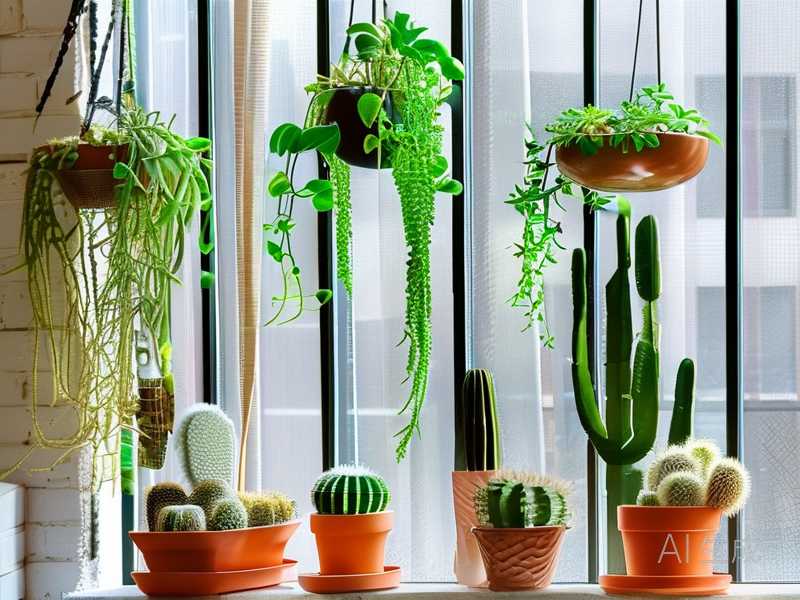
Potted cactus: Faster drying cycle. Check the soil every ten days in summer. In winter, I might water once every six to eight weeks, and only if the plant looks slightly shriveled.
Preventing Waterlogged Roots
Plant on mounds. Use gravel mulch. Never water at the base of the plant if the soil is already moist. And keep water off the cactus body itself during cool weather — moisture sitting in the crown is a rot invitation.
Layout Details That Make a Difference
Spacing
Cactus looks best when it has room to show its form. I space columnar types at least three feet apart. Clumping types can go closer — 18 inches — but leave room for pups to spread. Overcrowding looks good for one season, then becomes a maintenance nightmare.
Rock Placement
Rocks are not decoration in a xeriscape. They're functional. A few large boulders placed on the sunny side of delicate plants radiate heat at night and protect from cold. Smaller gravel mulch around cactus bases keeps soil cool and reduces evaporation. I use locally sourced rock — it looks more natural and costs less.
Path Design
Gravel or decomposed granite paths define the layout and provide drainage channels during rain. Keep paths at least 30 inches wide so you can move a wheelbarrow. I made mine too narrow the first time and regretted it every time I needed to haul mulch.
Seasonal Care: What Actually Happens Month by Month
Spring: The Wake-Up Season
This is when cactus starts actively growing. Water more frequently — every two to three weeks. Fertilize once with a low-nitrogen cactus fertilizer diluted to half strength. Check for winter damage and remove any mushy or blackened tissue with a clean, sharp knife.
Spring is also the best time to plant new cactus. Soil is warming, roots establish quickly, and there's a full growing season ahead. I do all my new plantings in April or early May.
Summer: Sun, Heat, and Water Control
Counterintuitive but true: many cactus species go semi-dormant in extreme heat. In my area, July and August can hit 110°F. During those weeks, I water less, not more. I also provide afternoon shade for young plants using a shade cloth draped over a simple frame.
Watch for sunburn on new growth — it shows up as white or yellow patches on the sunny side. If you see it, move the plant or add temporary shade.
Fall: The Slowdown
Reduce watering to once a month or less. Stop fertilizing entirely. This is the critical prep period for winter. Cactus needs to harden off — developing thicker protective tissue — before cold arrives. Tender species should move indoors or into a protected cold frame before the first frost.
Winter: Dormancy and Dryness
Most cactus can survive surprisingly cold temperatures as long as the soil is completely dry. Wet soil plus cold equals rot. I cover sensitive plants with frost cloth on the coldest nights and keep everything bone dry from November through February.
For potted cactus, bring them indoors to a cool, bright room — 45–55°F is ideal. Water once every six to eight weeks, just enough to prevent shriveling.
Three Mistakes That Kill New Cactus Growners
1. Overwatering
I've said it multiple times because it's the most common killer. The instinct to "just give it a little water" is strong. Resist it. Let the soil dry out completely between waterings. When in doubt, wait another week.
2. Light Mismatch
Not all cactus want full blazing sun. Forest types (like Christmas cactus and some epiphyllums) need bright indirect light. Desert types want full sun. Putting a shade-lover in direct sun scorches it. Putting a sun-lover in shade makes it pale, leggy, and weak. Read the species tag.
3. Wrong Pot or Wrong Soil
Glazed ceramic pots hold moisture. Unsealed terracotta breathes. Plastic traps water. For cactus, unsealed terracotta with a drainage hole is the safest bet. And always use a gritty, fast-draining mix — never standard potting soil straight from the bag.
Common Problems and How I Fix Them
Yellowing: Usually overwatering. Stop watering and check drainage. If the base is soft, it's rot — act fast.
Soft spots or mush: Rot. Remove affected tissue immediately with a sterilized blade. Repot in fresh dry mix.
Pests: Mealybugs and scale are the main culprits. I dab them with a cotton swab dipped in rubbing alcohol. For heavy infestations, insecticidal soap works but test on a small area first.
Shriveling: Underwatering — or root damage preventing water uptake. Check roots before assuming it needs more water.
No growth for months: Normal. Cactus grows slowly and goes dormant. Don't panic-fertilize.
FAQ
Can I grow cactus in clay soil?
Not directly. Build a raised bed at least 12 inches deep with a gritty, fast-draining mix. Clay holds water too long and will rot cactus roots.
How often should I water a newly planted cactus outdoors?
Water at planting, then wait two weeks. After that, deep water every two to three weeks during the growing season, allowing soil to dry completely between waterings.
Do I need to fertilize cactus at all?
A light feed once in spring with a low-nitrogen cactus fertilizer is enough. Over-fertilizing causes weak, stretched growth that's prone to damage.
Building a cactus-dominated xeriscape is genuinely one of the most rewarding landscape projects I've done. It's also one of the most unforgiving if you skip the prep steps. Get your drainage right, zone your water, and resist the watering can. Two weeks of observation after planting will tell you more than any article ever could — and honestly, that's the real lesson here.