bluename
How to Avoid Placing Indoor Cactus Directly Facing Heating Vents
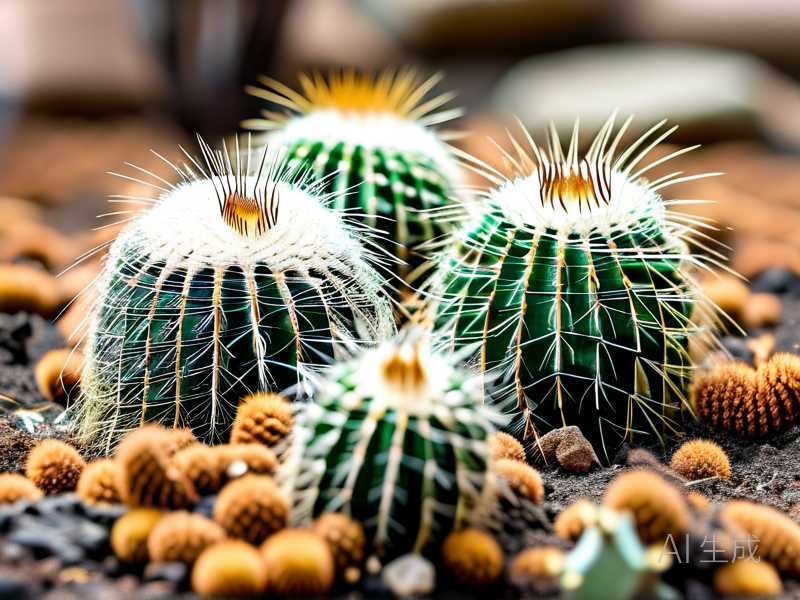
I learned this the hard way. Three winters ago, I set my beloved golden barrel cactus on a shelf right next to a forced-air heating vent because it looked nice there. Within ten days, half its ribs had gone soft and discolored. That's when it clicked for me: how to avoid placing indoor cactus directly facing heating vents isn't some minor detail — it's survival.
Here's the short answer upfront. Move the cactus at least four to six feet away from any vent. Use a deflector if you can't relocate it. Check humidity levels weekly. And never let hot, dry air blow straight onto the plant for hours at a time.
Honestly, I wish someone had told me this before I killed my second cactus. Let me walk you through everything I've figured out since then.
Why Forced-Air Heat Is Basically a Cactus Killer
Cacti evolved in arid places, sure. But desert air is dry and still. Forced-air heat is dry and moving fast.
That constant draft strips moisture from the plant's skin faster than the roots can replace it. It's like standing in front of a hair dryer on high for six hours a day.
The RHS notes that indoor cacti are far more sensitive to environmental stress than most houseplants. Their stomata — the tiny pores they use for gas exchange — close up under sudden dry heat. That throws off everything: photosynthesis, water uptake, even root health.
I've watched it happen in real time. The plant doesn't collapse overnight. It just looks… tired. Then the tips start puckering. By the time you notice, you're already in damage-control mode.
What the Damage Actually Looks Like
Here's what I observed over two weeks when I deliberately left one small mammillaria near a vent to test it (yes, I sacrificed a cheap one for science).
Days 1–3: Nothing obvious. Maybe a slight dullness in color.
Days 4–7: The side facing the vent developed pale patches. Soil dried out twice as fast as my other cacti.
Days 8–11: Slight wrinkling near the base. One lower areole turned brown.
Days 12–14: Clear dehydration stress. The plant wasn't rotting, but it looked sunken and limp on one side.
That two-week window is generous, by the way. A smaller or weaker cactus can show damage in half that time.
The AHS recommends keeping indoor succulents and cacti in stable microclimates — no direct drafts, no radical humidity swings. That's the core principle here.
How Far Away Is "Safe"?
Simple rule I use now: four feet minimum, six feet is better.
Forced-air vents push air with enough force that the drying effect extends well beyond arm's reach. I measured mine with a cheap hygrometer — at two feet from the vent, humidity dropped to 18%. At six feet, it held around 38%. That difference matters enormously to a cactus.
If your room is small and you genuinely can't move the plant far enough, here's what I've tried that actually works:
- Vent deflectors. These are plastic or magnetic covers that redirect air upward or sideways. Cost about ten bucks. I use one in my office where floor space is tight.
- A small pebble tray nearby. Not under the cactus directly — just in the vicinity. It adds a bit of ambient humidity without soaking the soil.
- Rotate the plant weekly. If one side is more exposed, turning the pot every seven days prevents one-sided damage.
The deflector was the real game-changer for me. I was skeptical at first, but after two weeks of using one, the pale patch on my golden barrel stopped spreading.
Watch Out for Winter — That's When It Gets Ugly
Heating season is the danger zone. From November through March, your furnace runs constantly. Indoor humidity in heated homes often drops below 30%. That's already low for most houseplants.
For cacti, it's survivable — they're built for dry air. But moving dry air is the problem. It accelerates transpiration beyond what the plant can handle during its slow winter dormancy.
Last January, I moved all my cacti to an interior wall — the one farthest from windows and vents. I also stopped watering almost entirely (more on that below). The difference was noticeable. No shriveling. No stress discoloration.
Light Requirements: Get This Right or Nothing Else Matters
Cacti need four to six hours of direct sun daily. That's non-negotiable.
But here's the catch — if you move the plant away from the vent, don't accidentally park it in a dark corner. I've seen people solve one problem and create another.
Signs of too little light: pale, stretched-out growth (etiolation), leaning toward the nearest window, faded color.
Signs of too much light: scorched patches, especially if the plant was recently moved. Sunburn on a cactus looks like white or brown crusty spots. It doesn't heal.
A south-facing window is ideal in most Northern Hemisphere homes. If that's not available, a west-facing one works too. Supplement with a grow light if needed — I run a simple LED bar for six hours a day in my basement setup.
Watering: The Simplest Rule You'll Ever Hear
90% of indoor plants die from overwatering. I've heard this from every experienced grower I've talked to, and it tracks with my own body count.
Cacti are no exception. They need water infrequently and deeply.
My method: soak the soil thoroughly until water runs out the drainage hole. Then don't touch it again until the soil is bone dry — not just dry on top, but dry three inches down. In summer, that's maybe every ten to fourteen days. In winter, once every four to six weeks. Sometimes less.
If the cactus sits near a heating vent (even at a safe distance), check the soil more often. The dry air pulls moisture from the pot faster than you'd expect.
Soil and Pot: The Foundation Nobody Talks About
I used to buy whatever potting mix was on sale. Big mistake. Regular potting soil holds too much water for cacti.
What I use now: a mix of 60% mineral grit (pumice or perlite) and 40% organic potting soil. It drains fast. Water flows through in seconds.
For pots: terracotta is best. It breathes. Plastic works if you're careful, but it traps moisture longer. Always — always — use a pot with a drainage hole.
I killed my fourth cactus because I put it in a decorative ceramic pot with no drainage. Water pooled at the bottom. Root rot set in within a week. I didn't even see it coming until the whole base turned mushy.
Repot every two to three years in early spring. Go up one pot size — no bigger. Too much extra soil means too much moisture retention.
Fertilizer: Less Is Genuinely More
Feed once a month during the growing season (spring through early fall) with a diluted cactus fertilizer — half strength. That's it.
Do not fertilize in winter. The plant isn't growing. Extra nutrients just sit in the soil and can burn roots.
And if the cactus is already stressed from heat exposure? Skip fertilizer entirely until it recovers.
Seasonal Care: What Actually Changes
Spring. This is when I repot, resume regular watering, and start fertilizing. If the cactus was near a vent over winter, check for damage before moving it back. Trim any dead or mushy sections with a clean knife.
Summer. Watch for sunburn if you move plants outdoors. I keep mine inside but near a bright window. Water more frequently — the soil dries faster in heat. Check for pests like mealybugs, which love warm, dry conditions.
Fall. Start tapering off water. Stop fertilizing by mid-October. Move plants away from windows that get cold drafts at night.
Winter. This is the vent season. Keep the cactus far from heating sources. Water sparingly — maybe once a month, or not at all for some species. Keep the room cool if possible (55–65°F is fine for most cacti). They're dormant, not dead.
Pests and Problems: Quick Diagnosis
Mealybugs. White cottony tufts on the skin. Dab with rubbing alcohol on a cotton swab.
Spider mites. Fine webbing near the base or areoles. Increase humidity slightly and treat with neem oil.
Yellowing or mushy base. Root rot from overwatering. Unpot, cut away dead roots, repot in fresh dry mix. Don't water for a week.
Wrinkled, deflated look. Dehydration — often from sitting near a vent too long. Water deeply and move the plant to a calmer spot.
Brown crusty patches. Sunburn or heat damage. Cannot be reversed. Just prevent further exposure.
The Three Mistakes I See Beginners Make Every Time
1. Overwatering. It's the number one killer. When in doubt, don't water. Wait another week.
2. Wrong light. Too little sun causes weak, stretched growth. Too much direct sun after a sudden move causes burns. Transition gradually.
3. Wrong pot. No drainage hole, too-large container, or glazed ceramic that traps moisture. Terracotta with a drainage hole, one size up, always.
FAQ
Can I just close the vent near my cactus? You can, but that affects the whole room's airflow. A deflector is a better fix. Closing vents can also strain your HVAC system.
How do I know if my cactus is getting too much hot air? Look for one-sided discoloration, faster-than-usual soil drying, and wrinkling on the side facing the vent. Those are the early warning signs.
Is it okay to mist a cactus near a heater? I wouldn't. Misting adds temporary humidity but doesn't solve the moving-air problem. It can also encourage fungal issues if air circulation is poor.
Final Thoughts
Keep your cactus at least four feet from any heating vent. Use a deflector if space is tight. Watch for early signs of stress in the first two weeks after any move. And remember — dry, still air is fine. Dry, moving air is the enemy.
I've lost my share of cacti learning this. You don't have to.