bluename
How to Stop Cactus Stems Bending Down Due to Insufficient Light Supply
If your cactus stems are bending down and looking droopy, the fix is simpler than you think: give it more light, and fix your watering habits. I've watched my own cactus go from a sad, floppy mess to standing tall again in just two weeks. Honestly, the biggest culprit behind cactus stems bending down due to insufficient light supply isn't always just light — it's a mix of bad light, overwatering, and the wrong pot. Stick with me and I'll walk you through exactly what I did.
Cacti are tough little plants. They come from harsh desert environments where sun beats down all day. When we bring them indoors, we often accidentally starve them of the light they desperately need. That's when you start noticing stems stretching out, leaning, or bending downward.
I've killed more cacti than I'd like to admit. But each failure taught me something. Let me share what actually works.
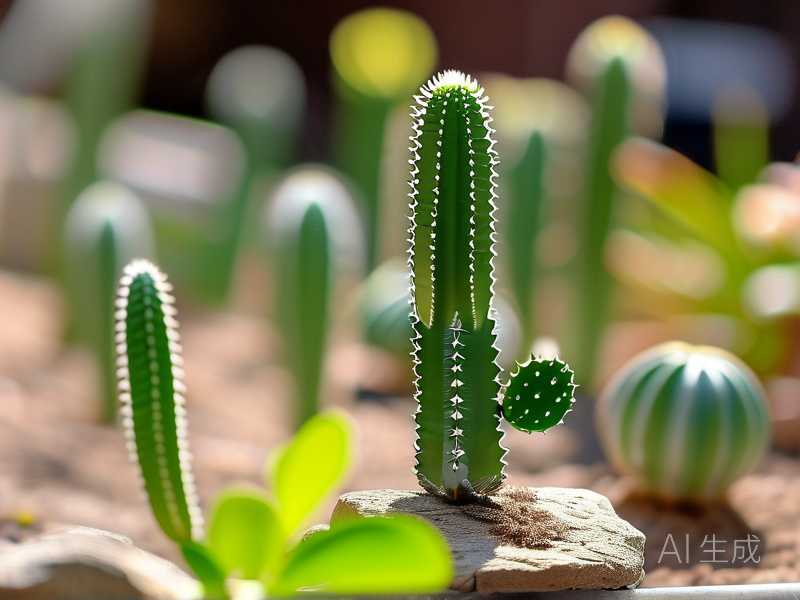
Why Cactus Stems Bend Down in the First Place
Cacti bend toward whatever light source they can find. It's called etiolation. Basically, the plant is stretching itself thin trying to reach brighter conditions. The stem gets weaker, thinner, and eventually flops over.
Here's what most people don't realize: once a cactus stem has stretched and bent due to low light, that section won't shrink back. You can stop the damage from getting worse, but you can't reverse the stretching. The good news is new growth can come in strong and upright.
According to the RHS, cacti need bright, direct light for most of the day to maintain healthy, compact growth. Without it, you're fighting a losing battle.
How Much Light Does a Cactus Actually Need?
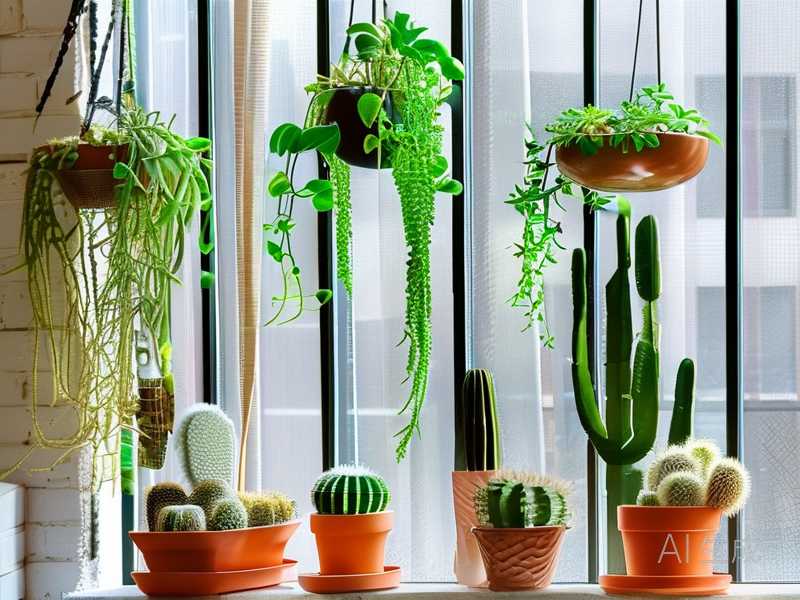
Simple answer: as much as you can give it indoors. South-facing windows are gold. East or west-facing windows can work but you'll notice slower growth and more risk of bending.
I used to think a bright room was enough. It wasn't. My cactus was sitting about six feet from a south window and it still bent. Once I moved it to within a foot of the glass, things changed fast.
Here's what I recommend:
- Best light: Direct sunlight for at least 6 hours daily
- Decent backup: A full-spectrum grow light for 10–12 hours in darker months
- What to avoid: Dim corners, north-facing windows, or spots blocked by curtains or furniture
If you're using grow lights, keep them close — about 6 to 12 inches above the plant. I learned that the hard way. My first grow light was too far away and did basically nothing.
My Two-Week Fix: What I Actually Did
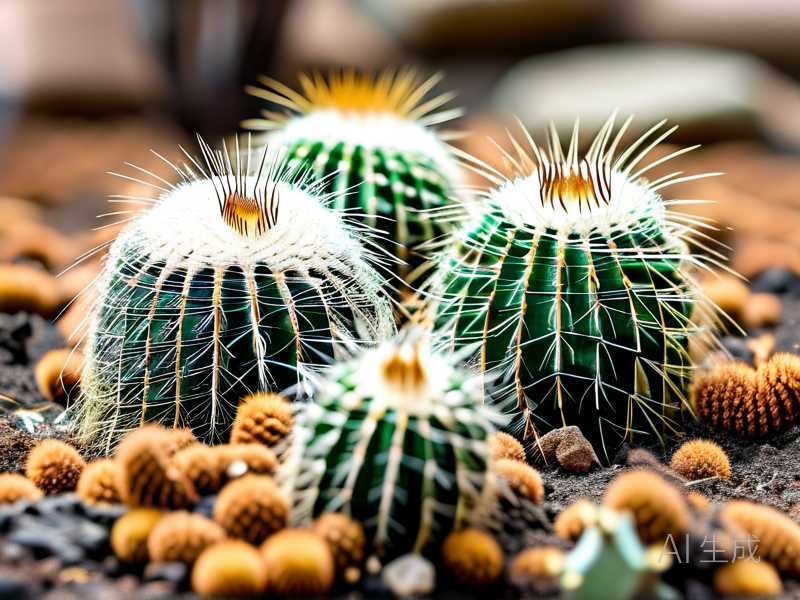
When I noticed my golden barrel cactus leaning sideways, I made three changes right away.
Step one: I moved it to my sunniest window and rotated it a quarter turn every three days.
Step two: I stopped watering it so often. Instead of every week, I waited until the soil was bone dry — about every two and a half weeks.
Step three: I switched to a terracotta pot with drainage holes. My old ceramic pot had no drainage and I suspect the roots were struggling.
Within five days, I noticed the bend had stopped getting worse. By day ten, the new growth at the top was coming in straight and firm. After the full two weeks, I could see a real difference — the stem felt solid again and the color was richer.
It wasn't magic. It was just giving the plant what it needed.
Watering: The Other Half of the Bend
I know every article says this, but it's true: 90% of indoor plants die from overwatering. I'd bet the same holds for cacti. People think desert plants need water all the time. They don't. They need drought with occasional deep soaks.
Here's my watering rule: wait until the soil is completely dry, then water thoroughly until it drains out the bottom. Never let the pot sit in a saucer of water.
In summer, I water every two to three weeks. In winter, I might water once a month — sometimes less. It depends on how dry the air is.
If your cactus stem is bending and the base feels mushy, that's a sign of rot, not light issues. Pull back on watering immediately.
Soil and Pot Choices That Make a Difference
I used to use regular potting soil. Big mistake. Cacti need fast-draining mix. Now I blend about 50% potting soil with 50% perlite or pumice. Some gardeners add coarse sand too.
The pot matters just as much. Terracotta is my go-to because it breathes. Always use a pot with drainage holes. I can't stress this enough.
Repotting every two to three years keeps the soil fresh and gives roots room to breathe. Do it in spring when the plant is waking up.
Fertilizing Without Overdoing It
Cacti aren't heavy feeders. I give mine a diluted cactus fertilizer once a month during spring and summer. That's it. Nothing in fall or winter.
If you fertilize too much, you get soft, weak growth that bends even more easily. Trust me on this. I learned the hard way when I fed a cactus weekly one summer. It grew fast but floppy.
Season-by-Season Care
Spring
This is when I repot, fertilize, and check for any damage from winter. It's also when I start increasing water frequency slowly. Spring is the best time to rotate your cactus more regularly so it grows straight.
Summer
More sun means more water — but still let the soil dry out fully. Watch for sunburn if you move a cactus outside suddenly. I learned to gradually introduce outdoor sun over a week.
Fall
I cut back on watering and stop fertilizing. This prepares the cactus for dormancy. It's also when I clean up any dead spines or dried bits.
Winter
Less light and cooler temps mean the plant sleeps. I keep mine near the brightest window and water very sparingly. If you're in a cold climate, keep it away from drafty windows.
Three Mistakes I See New Growers Make
Overwatering. It's the number one killer. Let the soil dry completely.
Wrong light placement. A "bright room" isn't the same as direct sun. Get that cactus close to the window.
Using pots without drainage. Water pools at the bottom and roots rot. Always check for holes.
I've made all three mistakes. Now I know better.
How to Stop Cactus Stems Bending Down: Quick Recap
Get the light right first. Move your cactus to the brightest spot you have. Fix your watering habits. Use fast-draining soil and a breathable pot. These three things together will stop the bending from getting worse.
For stems that are already badly bent, you can use a small stake or support to hold them upright while new growth comes in. Just don't expect the old bend to correct itself. Focus on what's growing next.
FAQ
Can a bent cactus stem straighten back out? The bent section itself won't un-bend. But new growth will come in straight if you fix the light. You can stake the old growth for support.
How long does it take to see improvement? I noticed changes in about five days and saw real progress after two weeks. Every plant is different though.
Is it too late if my cactus is already flopped over? Not necessarily. If the base is firm and not mushy, there's hope. Fix the light and watering, and new growth will come in strong. If the base is soft, that's rot and you'll need to cut it away.
The bottom line? Cacti bend because they're searching for light and dealing with stress from excess water or poor drainage. Fix those basics and your cactus will reward you with firm, upright growth. Give it two weeks of proper care and you'll see the difference — I promise.