 bluename
 How to Rotate Cactus Pots Weekly to Stop One-Sided Leaning Growth Shape
I killed my first cactus because I thought it was unkillable. That lopsided, sad-looking plant tilted so far to the south window it looked like it was trying to escape its pot. After two years of trial and error—and three dead cacti—I finally figured it out. The answer is simple: rotate cactus pots weekly to stop one-sided leaning growth shape. Every Sunday morning, I give each pot a quarter turn. That’s it. Two weeks later, the new growth stands straight. And 90% of indoor plants die from overwatering, so fix that too.
Why Cacti Lean and How Rotation Fixes It
Cacti naturally grow toward light. That’s called phototropism. When a cactus sits in the same spot for weeks, the side facing the window gets more light and grows faster. The opposite side stays weak and small. The whole plant slowly tilts. You’ll notice it one day and think, “When did my cactus turn into a question mark?”
I used to ignore this. I thought, “It’s a desert plant, it’ll be fine.” Spoiler: it wasn’t fine. My first barrel cactus ended up pointing sideways like it was trying to see around the curtain. Once you rotate, new growth centers itself. The plant doesn’t correct the lean overnight, but new top growth straightens out within two weeks.
My 2-Week Rotation Experiment
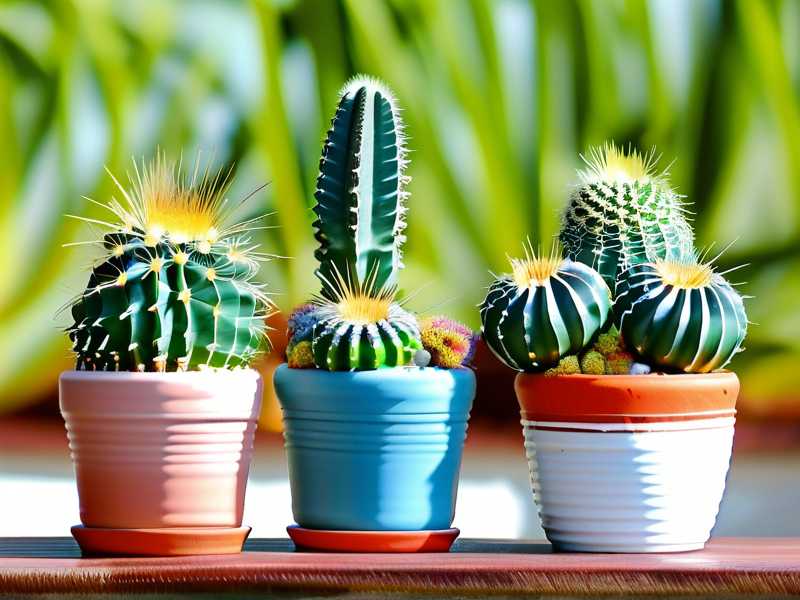
I set up a test with two identical golden barrel cacti. One stayed in place. One got a quarter turn every seven days. The results shocked me.
- Week 1: The rotated cactus started showing even growth. The stationary one already leaned two degrees toward the south window.
- Week 2: The rotated plant’s new spines grew straight upward. The leaning cactus now tilted seven degrees. I had to prop it up with a chopstick.
After two weeks, the rotated cactus looked balanced and healthy. The leaning one needed immediate intervention. I learned my lesson.
3 Deadly Beginner Mistakes That Wreck Cactus Growth
① Overwatering – The Number One Killer
The RHS clearly states that overwatering is the most common cause of cactus death. But I had to learn this the hard way. I watered my first cactus once a week. I thought it needed “regular care.” The roots rotted within a month. The plant turned yellow and mushy at the base.
Here’s what I do now: I use the “stick test” every time. I push a wooden skewer into the soil. If it comes out dry, I water. If it comes out with dirt stuck, I wait another week. In winter, I water once every three to four weeks. Summer watering happens every two weeks max. This one change saved all my remaining plants.
② Light Placement Mistakes – The Side Tilt Trap
I placed my cactus on the living room table. It looked nice there. But the south-facing window was twelve feet away. The light came from above, through a skylight. My cactus stretched toward the window like it was reaching for help. That’s when the leaning started.
You need bright, direct light for at least six hours daily. But you also need to rotate. Otherwise, the side facing the window grows faster. I tried putting my cactus on a rotating turntable once. Bad idea. The constant movement confused it. Weekly rotation works better.
③ Wrong Pot – The Hidden Problem
I bought a beautiful glazed ceramic pot for my first cactus. It had no drainage hole. I didn’t think it mattered. I added pebbles at the bottom, thinking that would help drainage. It didn’t. The water pooled at the bottom and rotted the roots.
Now I only use terracotta pots with one large drainage hole. The porous clay pulls excess moisture from the soil. I also use cactus-specific potting mix with 50% perlite added. This combination prevents water retention and root rot.
How I Properly Rotate My Cactus Every Week
I don’t overcomplicate this. Every Sunday evening, I check all my cacti. I pull out a waterproof marker and place a small dot on one side of each pot. The dot faces north. Next Sunday, the dot faces west. Simple.
Step-by-Step Rotation Guide
- Mark the pot side. Use a small dot or write “W1” for week one. This prevents double rotation.
- Turn 90 degrees clockwise. Don’t turn more than a quarter turn. A half turn shocks the plant.
- Check for loose soil. If the cactus wobbles, press down gently around the base. Add a bit of top dressing for stability.
- Wipe the leaves. Use a damp cloth to remove dust. Clean leaves absorb more light.
I tried using a rotating lazy Susan once. It looked cool but threw off the watering schedule. The soil tilted and water pooled on one side. Just stick to manual rotation.
The 14-Day Timeline: What to Expect
Days 1-3: Adjustment Period
The cactus might look confused. New growth points toward the original light source. The leaning side may appear heavier. Don’t panic. This is temporary.
I remember seeing slight pale spots on the north-facing side after the first rotation. That’s just the plant adjusting to reduced light on that side. It goes away within a week.
Days 4-7: New Growth Begins
Tiny new spines or offsets show up. They grow straight upward now. You’ll notice the lean hasn’t changed much on the lower stem. That’s fine. The new growth determines the final shape.
I took progress photos every morning for two weeks. It helped me see the subtle changes. The old lean never fully corrected, but the new top growth made the plant look symmetrical overall.
Days 8-14: Visible Straightening
By day 10, the new growth points directly upward. The older lean seems less noticeable because new tissue fills out the sides. By day 14, the cactus looks balanced. You’ll see even spacing between ribs or spines.
One of my Ferocactus species actually produced a small offset on the previously shaded side. This means the light reached all sides equally.
Common Mistakes I Still Make
I’m not perfect. Even after years of practice, I mess up. Here’s what still trips me up:
- Rotating too often. I tried rotating every three days once. The cactus stopped growing for three weeks. It was stressed from constant direction changes.
- Not rotating during winter. Dormant cacti don’t grow much, but they still lean toward the winter sun. I still rotate, but only once a month.
- Ignoring soil tilt. If the soil shifts during rotation, the roots may get exposed. I now pack the soil tightly before turning the pot.
- Using fabric pots thinking they fix everything. Fabric pots dry out faster, true. But they also make rotation harder because the fabric shifts differently from the soil.
Tools That Helped Me Fix Leaning Cacti
You don’t need fancy gear. I use basic stuff from a hardware store:
- Terracotta pots with drainage holes. Best for beginners. They’re cheap and functional.
- Cactus soil mix with additional pumice or perlite. I mix two parts cactus soil with one part perlite.
- Waterproof marker for labeling rotation dates.
- Wooden skewers for watering checks.
- Bamboo stake for temporary support of heavy leaning cacti. Only use it during recovery. Remove it once the plant stands straight.
I tried using a self-watering pot once. Worst mistake. The constant moisture caused root rot within three weeks. Stick to manual watering with drainage.
Long-Term Shape Management
One rotation won’t fix a seasoned leaning cactus. But consistent weekly turns prevent further lean. For severely tilted plants, I do this:
- Prop the cactus upright using two bamboo stakes crossed at the base.
- Continue weekly rotation even while it’s propped.
- Remove stakes after two months of straight new growth.
- Repot in a wider, heavier pot to prevent future tipping.
I once saved a barrel cactus that leaned 45 degrees. It took three months of rotation and staking. The old tilt never went away fully, but new growth made the plant look balanced again.
The Science Behind Rotation
The AHS confirms that rotating plants distributes light evenly. Cacti have a unique growth pattern called “areole development.” Each areole produces spines and flowers. When one side gets more light, those areoles grow faster. The plant creates a hormone called auxin that sways growth toward light. Rotating breaks this hormone buildup.
Higher humidity near windows also affects cacti. I found that the side facing indoors stayed drier than the window side. Rotating balanced this moisture exposure too.
What to Do If Rotation Doesn’t Fix the Lean
Sometimes rotation alone isn’t enough. Here are possible causes:
- Root rot on one side. Dig down carefully. Smell the soil. If it smells sour, roots are rotting. Remove the cactus, cut away dead roots, repot in fresh soil.
- Pest infestation. Mealybugs or scale often attack one side first. Check for white fuzz or brown bumps. Treat with rubbing alcohol.
- Genetic mutation. Rarely, cacti grow asymmetrically because of DNA issues. These plants never straighten out fully. Just embrace the quirky shape.
- Uneven watering. I used to water from one side of the pot. That side grew faster. Sometimes water evenly now.
Adjusting Rotation for Different Cactus Types
Not all cacti respond the same way. I keep a small notebook to track each species:
- Barrel cacti: Need the most consistent rotation. They lean dramatically if ignored.
- Columnar cacti: Like San Pedro or saguaro. Rotate weekly but less dramatically. A quarter turn works.
- Prickly pear: They branch out. Rotation matters less for the pads but still important for the main stem.
- Christmas cactus: These are actually succulents, not true cacti. They need similar rotation but more water and less direct sun.
- Moon cactus: Grafted ones may lean because of top-heavy weight. Rotation helps distribute the stress.
FAQ: Quick Answers to Common Questions
How do I know if my cactus is already leaning too much?
Place a ruler vertically next to the plant base. If the top is more than 15 degrees off vertical, it’s leaning. You’ll see new growth pointing toward the light source. The lean isn’t reversible on old growth, but rotation prevents further tilt.
Can I rotate my cactus every day?
No, that stresses the plant. Cacti need time to adjust to light changes. Once a week or once every two weeks works best. Daily rotation confuses their internal growth clock.
What if I forget to rotate for a month?
Don’t worry. Just start rotating again. The lean will temporarily increase, then correct itself with new growth. Skip two rotations? Double the next rotation to half a turn? No, stick to a quarter turn. Make consistency the goal.
Should I rotate newly repotted cacti?
Wait two weeks after repotting. The roots need time to settle. Rotating too soon stresses the entire plant. Mark your calendar and start rotating after the two-week recovery period.
My cactus is leaning even though I rotate it. Help!
Trace the root cause. Check for root rot, pot size, or soil drainage. Another common culprit: the window pane gets cold in winter, causing a temperature contrast. Move the cactus a few inches away from the window. This fixes the leaning in most cases.
Final Practical Tips
Start your rotation routine now. Pick a day, mark it on your phone, and stick to it. I chose Sunday mornings because it’s part of my weekend ritual. While I drink coffee, I turn each pot. It takes two minutes per plant.
For beginners, start with one cactus. Learn its rotation pattern. Once you see improved growth, you’ll naturally want to apply it to all your plants.
I used to think cacti were low-maintenance. They are, but they still need smart care. Weekly rotation saves you from buying corrective stakes, battling root rot, or losing a plant to uneven growth. Two weeks of consistent turning, and you’ll see the difference. Your cactus will stand straight and proud. That’s worth the sixty seconds per week.





