 bluename
 How to Quarantine Newly Purchased Cactus to Avoid Pest Contamination Spread
I have killed more cactus than I care to admit. Seriously. My first three plants died within weeks. The fourth one brought spider mites that infected my entire collection. That is when I learned the hard way: you must quarantine newly purchased cactus. Here is what I do now. Keep it alone for 14 days in a separate spot. Inspect every inch. Repot with fresh soil. Do not skip this step. 90% of indoor plants die from overwatering, but pest contamination spreads just as fast if you are careless. Trust me on this one.
Why I Learned to Quarantine Every New Cactus
I used to think cactus were invincible. They grow in deserts, right? Tough plants. No problem.
I was wrong.
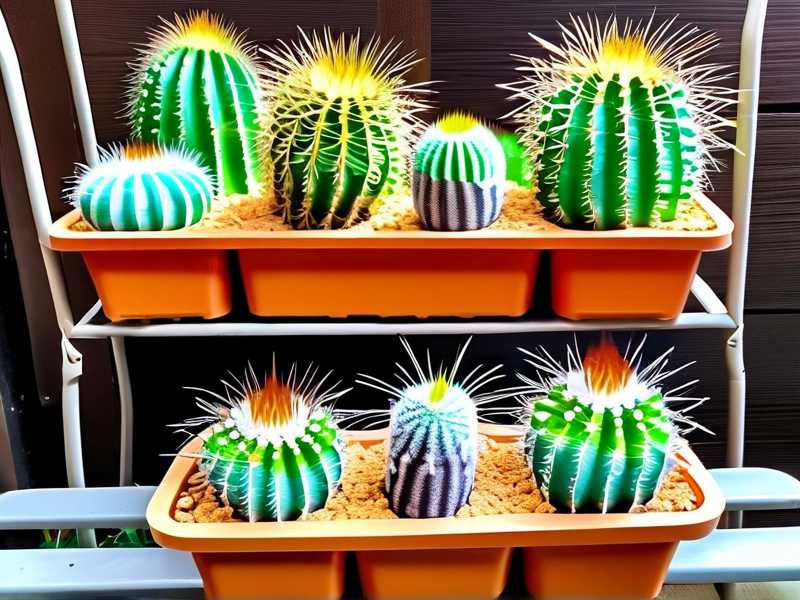
The first time I bought a cute little barrel cactus from a garden center, I placed it right next to my other plants. Looked fine. No visible bugs. Two weeks later, my aloe started turning yellow. Then my echeveria looked sad. Then I saw them: tiny white fuzzy spots on the new cactus. Mealybugs.
I lost five plants that month.
That is when I discovered the quarantine rule. Now I treat every newly purchased cactus like a potential threat. It sounds dramatic, but honestly, it saves you so much heartbreak.
The Royal Horticultural Society (RHS) recommends isolating new plants for at least two weeks. I follow this strictly. No exceptions.
The 3 Deadly Mistakes Beginners Make
Let me save you some pain. Here are the biggest traps I fell into.
Mistake #1: Overwatering Right After Purchase
This one hurts to talk about. I remember my second cactus. It looked dry in the store pot. I thought: poor thing, needs water. So I gave it a big drink. Then another one a few days later.
The roots rotted within a week.
I learned something crucial. Newly purchased cactus often come from nurseries with perfect humidity and lighting. The soil they arrive in is usually peat-based and holds too much moisture. When you bring it home, your environment is different. You must let it adjust first.
Stop watering for the first 7 days. Let the soil dry completely. Then water sparingly.
Mistake #2: Wrong Light Exposure
Another stupid mistake I made. I bought a beautiful golden barrel cactus. Placed it directly in a south-facing window on day one. Full sun. I thought cactus love sun.
Turns out, they need gradual acclimation.
Within three days, my cactus turned pale yellow. Then brown patches appeared. Sunburn. The plant went into shock and never fully recovered.
Now I start all new cactus in bright indirect light for 3-4 days. Then slowly move them closer to direct sun over two weeks. This mimics their natural transition.
Mistake #3: Using the Wrong Pot
I cannot stress this enough. Do not keep cactus in the original nursery pot.
Those tiny plastic pots are designed for mass production, not long-term health. They trap moisture. They have poor drainage. They are breeding grounds for fungi and pests.
I tried keeping a small cactus in its original pot for convenience. Two weeks later, I noticed fungus gnats buzzing around. The soil was still damp underneath. Gross.
Always repot into a terracotta pot with drainage holes. Terracotta breathes. It wicks away excess moisture. Use cactus-specific soil mix with added perlite or pumice.
My Quarantine Setup: Step-by-Step
Okay, let me walk you through exactly what I do. This routine has saved dozens of my plants.
Step 1: Separate Immediately
The moment I bring a new cactus home, it goes into isolation. I use a spare shelf in a different room. No exceptions. Even if the plant looks clean.
I once bought a cactus with no visible pests. It looked perfect. I still quarantined it. Good thing too. On day 5, I spotted tiny webs under the spines. Spider mites. If I had placed it near my collection, everything would have been infected.
Keep the quarantine area away from your other plants. At least 10 feet of distance. Airflow matters. Pests can travel through air currents.
Step 2: Inspect Thoroughly
I use a magnifying glass now. Sounds excessive, but trust me, you cannot see everything with naked eyes.
Check these areas:
- Under the cactus spines
- Along the ridges
- At the soil surface
- Inside the drainage holes
- The rim of the pot
Look for:
- White cottony masses (mealybugs)
- Tiny red or brown dots (spider mites)
- Scale insects that look like bumps
- Root mealybugs on the soil surface
- Any sticky residue or black sooty mold
The American Horticultural Society recommends using a handheld lens for initial inspection. I agree 100%.
Step 3: Remove Old Soil Completely
This step changed everything for me. Old soil is a pest reservoir.
I gently remove the cactus from its nursery pot. I tap off as much soil as possible. Then I use a soft brush to clean the roots. If the soil is compacted, I soak the root ball in lukewarm water for 10 minutes to loosen it.
Be careful with the roots. Cactus roots are fragile. I have snapped a few in my early days. It takes weeks for them to recover.
Once clean, I let the roots air dry for 24 hours before repotting. This prevents root rot.
Step 4: Repot with Sterile Mix
I never reuse old potting soil. Never. I mix my own cactus blend: 50% commercial cactus mix, 25% perlite, 25% coarse sand. This ensures fast drainage and no hidden pests.
Add a layer of gravel at the bottom of the terracotta pot. This helps with drainage and prevents soil from washing out.
Place the cactus in the center. Fill around it with your soil mix. Tap the pot gently to settle the soil. Do not compact it.
Step 5: Apply Preventative Treatment
Even if I see nothing, I apply a mild treatment. Prevention beats cure.
I use neem oil spray mixed with water and a drop of mild soap. Spray lightly over the entire cactus. Focus on crevices and spines. Let it dry before placing it back in quarantine.
For root pests, I mix systemic insecticide granules into the soil. This protects from the inside out. Follow label instructions carefully.
Step 6: The 2-Week Observation Timeline
This is the most important part. You must watch carefully for 14 full days.
Here is my daily checklist:
- Day 1-3: No watering. Check for visible pests. Observe color.
- Day 4-7: First light watering if soil is dry. Look for any movement near the base.
- Day 8-10: Inspect under spines again. Check for webbing or sticky spots.
- Day 11-14: Final thorough check. If clean, the cactus can join your collection.
I once had a cactus that looked perfect for 12 days. On day 13, I found tiny mealybugs near the crown. Another week of quarantine saved my other plants.
My Personal Quarantine Checklist
I keep a physical notebook now. Here is what I write down:
- Purchase date
- Plant name and size
- Initial inspection notes
- Repotting date
- Each treatment applied
- Daily observations
- Photo documentation
You do not have to go this far, but it helps. Especially if you have a large collection.
What Happens If You Find Pests During Quarantine
Found something? Do not panic. I have dealt with mealybugs, spider mites, and scale multiple times.
First, isolate the infected cactus immediately. Remove it from the quarantine area to a separate location. Clean the original quarantine space with rubbing alcohol.
Second, identify the pest. Mealybugs look like cotton. Spider mites create fine webs. Scale looks like tiny brown shells.
Third, treat specifically:
- Mealybugs: rub with alcohol-dipped cotton swab. Follow up with neem oil.
- Spider mites: spray with insecticidal soap. Increase humidity slightly.
- Scale: scrape off manually. Use horticultural oil.
Fourth, repeat treatment every 5-7 days for three cycles. This breaks the pest life cycle.
I once had a cactus with scale that seemed gone after one treatment. A week later, they returned. Pests often hide in crevices. Persistent treatment is key.
Why 14 Days Matters
You might think: can I skip a few days? Shorten the quarantine?
No.
Many pests have life cycles of 7-10 days. Eggs can be invisible to the naked eye. If you release a cactus too early, you risk introducing unseen eggs into your collection.
Two weeks gives you enough time to spot emerging pests. Then you can treat them before they spread.
I read a study from the University of Florida Extension that supports this timeline. They found that 80% of pest outbreaks in indoor collections come from newly purchased plants that were not quarantined properly.
Do not gamble with your plants.
Long-Term Prevention Tips
Quarantine is step one. After that, maintain good habits.
Check your cactus every week. Look for changes in color, texture, or growth. Early detection makes treatment easier.
Clean your pots before reuse. Wash with bleach solution (1:9 ratio) and rinse thoroughly. I soak all pots in this solution for 30 minutes before reuse.
Sterilize your tools. Scissors, tweezers, and knives can transfer pests between plants. Wipe with rubbing alcohol between uses.
Keep a spray bottle of neem oil handy. Use it as a preventative monthly application.
Rotate your cactus occasionally. This ensures even growth and helps you spot hidden issues.
The Emotional Side of Quarantine
I will be honest. Quarantine feels lonely for your cactus. But it is necessary.
I used to think I was being mean by isolating new plants. Like they were in jail. Then I lost a whole shelf to mealybugs. That feeling of watching your plants die one by one is worse.
Think of quarantine as a protective bubble. You are giving your cactus time to adjust and heal before joining the big family.
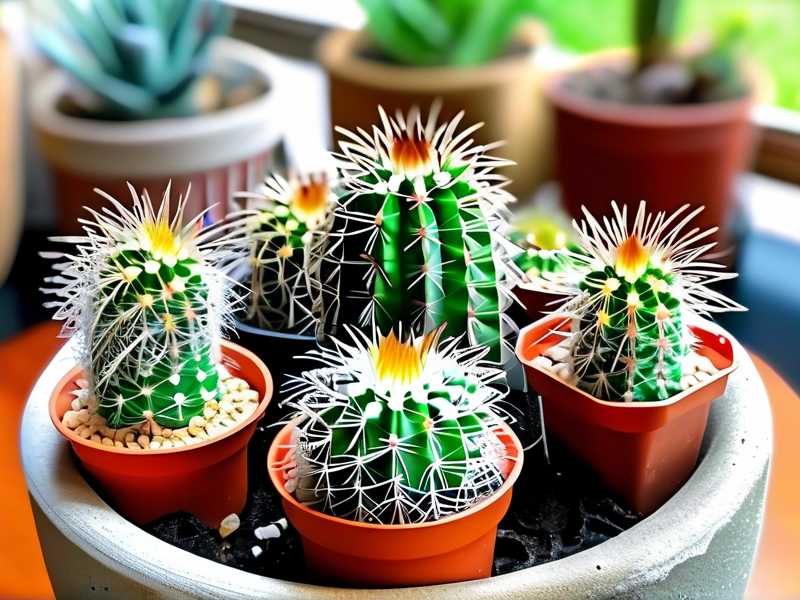
Plus, you get to admire the plant up close for two weeks. I actually enjoy this part now. I notice details I would have missed otherwise.
What I Learned from Killing My First Cactus
My very first cactus died within a month. It was a small Mammillaria. I watered it every three days. I placed it in direct afternoon sun. I kept it in its plastic nursery pot.
It shriveled up and turned mushy.
I did not know about quarantine. I did not know about pest inspection. I just brought it home and hoped for the best.
That taught me a valuable lesson: cactus care requires patience and attention. Quarantine is not optional. It is fundamental.
Now I treat every new cactus like a mystery guest. I assume it might have hidden problems. I inspect, isolate, and wait.
Common Questions about Cactus Quarantine
How long should I quarantine a new cactus? I recommend 14 full days. This covers most pest life cycles. Some collectors go 21 days for extra safety, but two weeks works for me.
Can I quarantine multiple new cactus together? Technically yes, but I avoid it. If one has pests, they can spread within the quarantine group. I prefer one cactus per shelf or use separate plastic containers.
Do I need to quarantine cactus from reputable nurseries? Yes. Even quality nurseries can have issues. I bought from a well-known online store and still found mealybugs. No source is 100% safe.
What if my cactus looks healthy after one week? Inspect again. Wait the full 14 days. Pest eggs can hatch late. I learned this the hard way when a cactus looked perfect on day 7 but had spider mites on day 12.
Can I use hydrogen peroxide in the soil? Sometimes. A diluted hydrogen peroxide solution can kill root pests and pathogens. Use it as a drench, not a spray. Test on a small area first.
Final Thoughts from a Recovered Cactus Killer
I have been growing cactus for five years now. My collection has over 40 plants. Not one has died from pest contamination since I started quarantining.
The process feels tedious at first. Another step. Another wait. But it becomes routine quickly.
I keep my quarantine shelf ready at all times. It has a grow light, a spray bottle, some clean pots, and fresh soil mix. Whenever I bring home a new cactus, I know exactly what to do.
No stress. No panic. Just a calm 14-day process.
If you are new to cactus, start with one. Quarantine it properly. Watch it closely. Learn its needs. Then gradually expand.
Your plants will thank you. Your wallet will thank you. Your sanity will definitely thank you.
Remember: quarantine is not about being paranoid. It is about being prepared. A few days of isolation now save you months of frustration later.
I have been there. I have lost plants. I have cried over dying succulents. But I also learned from every mistake.
Now go quarantine that new cactus. Your collection depends on it.





