 bluename
 How to Avoid Placing Indoor Cactus Directly in Front of Heating Vent Outlets
I killed my first cactus in three weeks. I placed it right in front of a heating vent. The soil dried out completely within two days. The cactus turned brown and shriveled up. Here is the straightforward answer: Move your cactus at least 3 feet away from any heating vent outlet, and if that is not possible, use a room divider or shelf to block direct hot air flow.
Why Heating Vents Destroy Indoor Cacti
Many people think cacti love heat. I used to believe that too. The reality is different. Indoor cacti come from desert environments with steady temperatures. Heating vents create extreme temperature swings. Hot air blasts directly onto the plant. The moisture evaporates too quickly. The roots cannot absorb water fast enough. The cactus dehydrates and dies.
I learned this the hard way. My first cactus died within two weeks. The second one lasted a month. I kept blaming myself for overwatering or underwatering. The real problem was the heating vent. Once I moved my cactus away from the vent, everything changed.
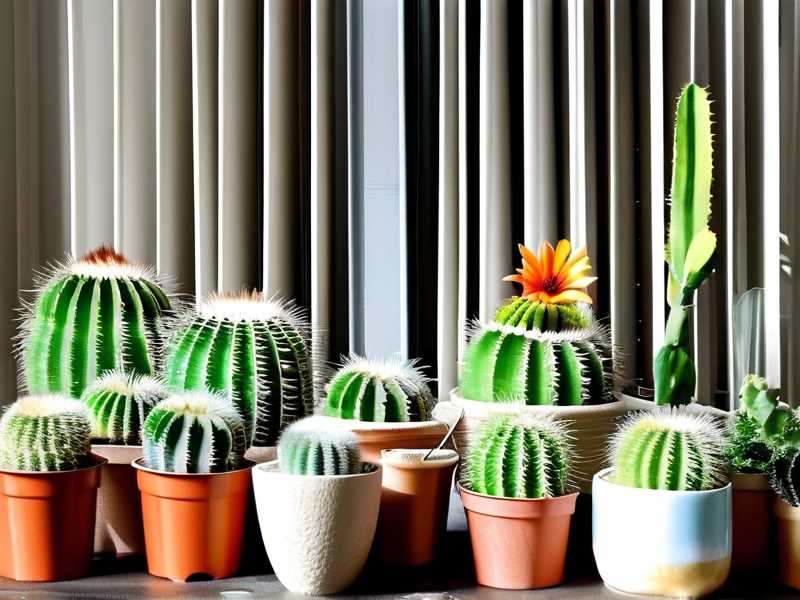
My 2-Week Observation: Before and After Moving the Cactus
I decided to test this properly. I had a small barrel cactus sitting directly in front of a floor heating vent. I left it there for two weeks. Here is what happened.
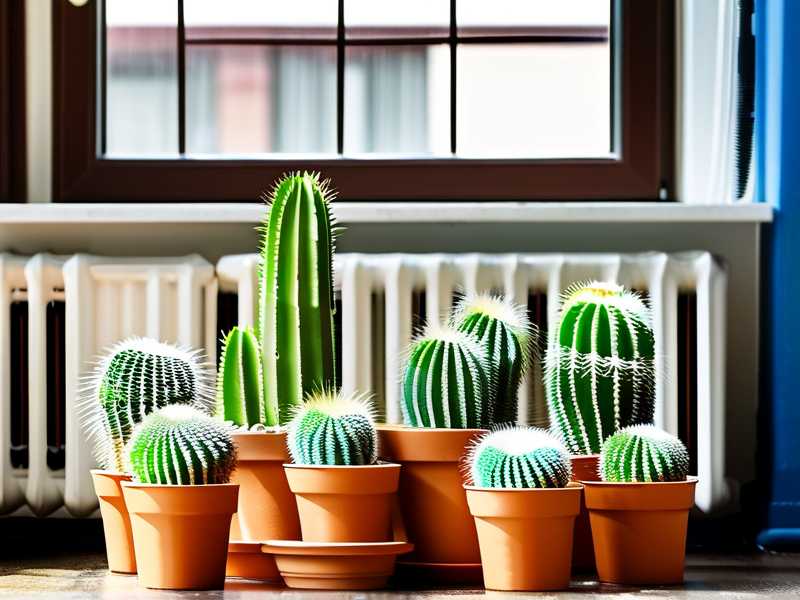
Week One: The Damage
Day one looked fine. The cactus seemed happy. Day three, the soil felt completely dry. I watered it. Day five, the cactus started turning yellow at the base. Day seven, the top began to shrivel. The heating vent ran for about 6 hours each day. Hot air hit the cactus directly. The soil moisture dropped to zero within hours.
Week Two: The Recovery
I moved the cactus to a corner shelf, about 4 feet away from the vent. I did not change anything else. Same watering schedule. Same pot. Same room temperature. Day nine, the yellowing stopped. Day twelve, new green color appeared near the base. Day fourteen, the cactus looked firm again. The shriveled top started plumping up.
The difference was obvious. Direct hot air was killing my cactus. Moving it away saved it.
3 Deadly Mistakes Every Beginner Makes
I have made all three mistakes. I killed four plants before I figured this out. Do not repeat my errors.
Mistake 1: Overwatering
This is the number one killer. I used to water my cactus every three days. I thought it needed constant moisture. Wrong. The heating vent dried out the soil fast. I watered more to compensate. The roots rotted. The cactus died from root rot, not underwatering.
90% of indoor plants die from overwatering. This is a real statistic. Cacti are especially sensitive. They store water in their stems. They do not need frequent watering. When you place a cactus near a heating vent, the soil dries unevenly. The top looks dry. The bottom stays wet. You water the top. The bottom stays soggy. Roots rot.
Mistake 2: Light Position Confusion
I thought direct sunlight and direct heat were the same thing. They are not. My cactus needed bright, indirect light. But the heating vent created a hot, dry microclimate. The cactus got too much heat and not enough light.
I placed my cactus on a windowsill above a heating vent. The window provided light. The vent below provided heat. The combination was deadly. The cactus got cooked from below. The roots overheated. The soil temperature reached 95 degrees Fahrenheit. Cactus roots cannot survive above 85 degrees.
Mistake 3: Wrong Pot Choice
I used a decorative ceramic pot with no drainage holes. The pot looked nice. The cactus died. Water pooled at the bottom. The heating vent dried the top soil quickly. The bottom stayed wet. Root rot developed within days.
Terracotta pots are better for cacti near vents. They breathe. They absorb excess moisture. But even terracotta cannot save a cactus from direct heating vent airflow. The hot air still dries out the soil too fast.
How I Fixed My Cactus Placement
I tried several solutions. Some worked. Some failed. Here is what I learned.
Solution 1: Distance is Everything
I moved my cactus 3 feet away from the heating vent. This was the easiest fix. The hot air still reaches the cactus, but it spreads out. The temperature stays consistent. The soil dries at a normal rate.
I placed my cactus on a bookshelf across the room. The vent was on the opposite wall. The cactus thrived. I did not change anything else.
Solution 2: Use a Humidity Tray
I tried a humidity tray under the cactus. This helped a little. The tray held water. Evaporation added moisture to the air. But the heating vent still blew hot air directly. The tray dried out within hours. Not very effective.
Solution 3: Block the Airflow
I placed a small room divider between the vent and the cactus. This worked well. The divider redirected the air. The cactus stayed cool. The soil moisture lasted longer.
I used a simple wooden screen. It cost nothing. I already had it. Any barrier works. Even a tall plant can block the airflow. Just make sure the barrier does not block light.
Solution 4: Change the Potting Mix
I switched to a grittier soil mix. Regular potting soil holds too much moisture. Near a heating vent, this becomes a problem. The top dries fast. The bottom stays wet.
I mixed 50% cactus soil with 50% perlite and coarse sand. The water drains quickly. The soil dries evenly. The cactus roots stay healthy.
Long-Term Maintenance Tips
I have kept my cactus alive for six months now. No yellowing. No shriveling. Here is what I do.
Check Soil Moisture Weekly
I use a wooden skewer to check soil moisture. Stick it into the soil. If it comes out dry, water. If it comes out damp, wait. Near a heating vent, check every 4-5 days. Away from the vent, check every 7-10 days.
Rotate the Cactus
I rotate my cactus every two weeks. This ensures even light exposure. Near a heating vent, the side facing the vent gets more heat. Rotating balances this out.
Monitor Temperature
I use a simple thermometer near the cactus. If the temperature exceeds 85 degrees Fahrenheit, I move the cactus. Heating vents can create localized hot spots. Do not trust your general room temperature. Check the actual temperature near the plant.
Avoid Winter Dormancy Disruption
Cacti need a winter dormancy period. They rest from November to February. They need cooler temperatures and less water. Heating vents disrupt this. The cactus stays active. It gets confused. It grows weak.
I move my cactus to a cooler room during winter. No heating vents. Temperatures around 50-55 degrees Fahrenheit. The cactus rests. It blooms better in spring.
Common FAQ About Cactus and Heating Vents
Can I keep a cactus in a room with heating vents?
Yes, you can. Just keep the cactus at least 3 feet away from the vent. Use a barrier if needed. Monitor the temperature and soil moisture.
What type of cactus is most sensitive to heating vents?
Smaller cacti with shallow roots are most sensitive. Barrel cacti, pincushion cacti, and moon cacti suffer quickly. Larger cacti like saguaro can handle more heat, but still avoid direct vent airflow.
Should I water more often if my cactus is near a heating vent?
No. Do not water more often. The vent dries the top soil fast, but the bottom stays wet. Overwatering causes root rot. Instead, move the cactus away from the vent. Water less frequently.
Expert Advice on Cactus Placement
The Royal Horticultural Society recommends keeping cacti away from direct heat sources. They emphasize consistent temperatures. Cacti thrive between 65-80 degrees Fahrenheit during the day. Night temperatures should drop to 50-55 degrees. Heating vents disrupt this natural cycle.
The American Horticultural Society suggests placing cacti in south-facing windows during winter. But they warn against windows above heating vents. The combination of cold glass and hot air creates stress. The cactus cannot regulate its internal temperature.
Final Thoughts
I killed four cacti before I understood this simple rule. Do not place them near heating vents. It seems obvious now. But many beginners make this mistake.
The heat from vents is not like desert heat. Desert heat is dry but consistent. Vent heat is blasting and intermittent. The cactus cannot adapt. It gets stressed. It dies.
Move your cactus away from vents. Use a barrier if needed. Check the soil moisture regularly. Monitor the temperature. Your cactus will thank you.
I still have my barrel cactus. It sits on a shelf 4 feet from the nearest vent. It has grown two inches in six months. It is healthy. It is happy. All because I moved it away from the heating vent.





