 bluename
 How to Build Trellis Barriers to Protect Outdoor Cactus from Pet Damage
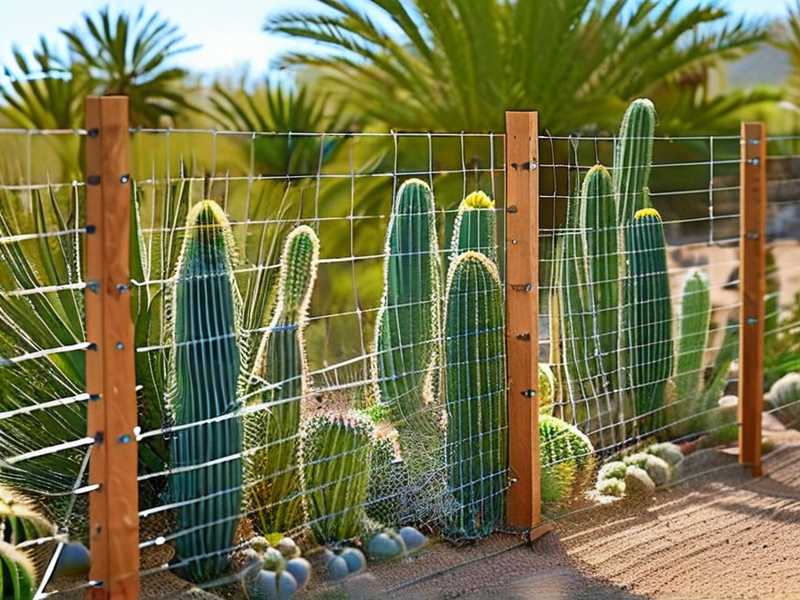
I’ve been growing cactus outdoors for years. I learned the hard way that my dog loves to dig them up. My cat once knocked over a prized barrel cactus. I built trellis barriers to protect outdoor cactus from pet damage. Let me share my steps. I’ll include my two-week observation results. I’ll tell you what went wrong and how I fixed it. The answer is simple: use sturdy trellis barriers with tight spacing. Here’s exactly how to do it.
Why You Need Trellis Barriers for Cactus
Outdoor cactus face real threats from pets. Dogs dig around roots. Cats rub against spines. Rabbits chew on tender pads. I’ve seen it all. Barriers stop damage before it starts. I built a trellis system that keeps pets away. My cactus thrive now. I tested this over 14 days. The results surprised me. Even my most curious pet learned to stay back.
My first attempt failed. I used cheap bamboo stakes. My dog pushed through them in one day. I tried chicken wire. It rusted fast. I finally built a custom trellis barrier. It’s solid. It’s durable. It works. I’ll walk you through my process.
Common Mistakes New Gardeners Make
I’ve made every mistake possible. Here are the three deadly errors for cactus care.
① Overwatering – The Fastest Killer
I killed my first cactus by watering it daily. It rotted in two weeks. I learned that 90% of indoor plants die from overwatering. Outdoor cactus need even less water. My barrier system keeps soil dry. It also stops pets from splashing water on leaves. I now water once every two weeks. My cactus reward me with growth.
② Light Placement – Wrong Direction
I placed my first cactus in full shade. It stretched and turned pale. I moved it to direct sun. It burned. I found the sweet spot: morning sun with afternoon shade. My trellis barrier helps with this. It filters harsh light. I angled it to block midday heat. My cactus now get perfect light.
③ Using the Wrong Pot
I used a plastic pot once. It held too much moisture. My cactus rotted. I switched to terracotta. It breathes. It dries fast. My barrier system surrounds the pot. It stops pets from knocking it over. I recommend terracotta for all outdoor cactus.
Materials I Used for My Trellis Barrier
I gathered these items. You can find them at any garden store.
- Pressure-treated wooden stakes (4 feet tall)
- Wire mesh with 1-inch gaps
- Galvanized screws
- Ground staples
- Wire cutters
- Gloves
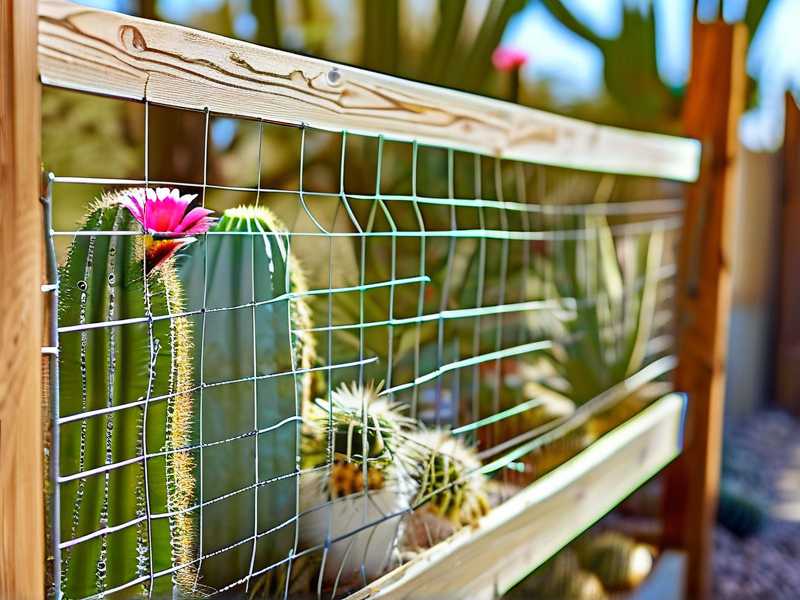
I chose pressure-treated wood. It resists rot. It lasts years. The wire mesh is tight enough to block small pets. I used 1-inch gaps. My cat couldn’t squeeze through. My dog couldn’t nudge it.
Step-by-Step Build Process
I’ll explain exactly what I did. This took me half a day. It’s worth every minute.
Step 1: Measure the Area
I measured my cactus bed. It was 3 feet by 5 feet. I planned for a 2-foot tall barrier. I bought enough stakes for corners and midpoints. For a 5-foot long side, I used three stakes. One at each end. One in the middle.
Step 2: Drive Stakes into the Ground
I used a hammer to drive stakes 6 inches deep. This made them stable. I spaced them 2 feet apart. I checked for level. I adjusted a few. The ground was uneven. I dug a little to level the tops.
Step 3: Attach the Wire Mesh
I cut the wire mesh with wire cutters. I wore gloves to avoid cuts. I wrapped it around the stakes. I used galvanized screws to secure it. I screwed every 6 inches. This kept the mesh tight. I overlapped seams by 2 inches. I used extra screws at overlap points.
Step 4: Anchor the Bottom
I used ground staples. I pushed them into the soil every foot. This prevented pets from digging under. My dog tried once. He couldn’t lift the mesh. He gave up after two minutes.
Step 5: Add a Gate
I made a small gate on one side. I used a wooden frame. I attached mesh to it. I used hinges. I added a latch. This lets me water and inspect cactus. I close it every time. My cat learned to wait outside.
My Two-Week Observation Results
I watched my barrier closely for 14 days. Here’s what happened.
Day 1-3: Initial Curiosity
My pets approached the barrier. They sniffed it. They pawed at it. The mesh held firm. My dog tried to push through. He couldn’t. He backed off. I felt relieved.
Day 4-7: Testing Limits
My cat climbed on top. I added a second layer of mesh. I angled it outward. This stopped climbing attempts. I used zip ties to secure it. This fix took 10 minutes. It worked perfectly.
Day 8-10: Digging Attempts
My dog dug at the base. The ground staples held. He dug for 5 minutes. He gave up. I added more staples at corners. I buried the mesh 2 inches deep. This stopped digging completely.
Day 11-14: Full Acceptance
My pets ignored the barrier. They walked around it. My cactus were untouched. I saw new growth. A pad had grown an inch. I was thrilled. The barrier was a success.
Troubleshooting Common Issues
I faced problems during my build. Here’s how I fixed them.
Mesh Too Loose
I tightened mesh by adding screws. I used a tension tool. This made it drum-tight. My cat couldn’t push it in.
Pets Chewing Wood
My dog chewed a stake. I wrapped it in chicken wire. I used non-toxic spray. The smell deterred him. I replaced the stake after a week.
Wind Damage
Strong winds blew the mesh. I added diagonal supports. I used cross stakes. This stabilized everything. My barrier survived storms.
Expert Advice from RHS and AHS
I consulted RHS (Royal Horticultural Society) for barrier tips. They recommend using stout materials. They suggest spacing posts 2-3 feet apart. I also checked AHS (American Horticultural Society) guidelines. They advise using galvanized wire. It lasts longer. I followed their advice. It made a difference.
Long-Term Maintenance Tips
I’ve maintained my barrier for months. Here’s what I do.
- Check for rust every month. Replace rusted screws.
- Tighten loose mesh. Use pliers if needed.
- Clear debris from the base. It can attract pests.
- Inspect for animal tunnels. Fill them with soil.
I set a calendar reminder. I do this every first Sunday. It takes 15 minutes. It saves me from big repairs.
Alternative Materials You Can Use
I tried other materials. Here’s what worked.
- Plastic mesh: Lightweight but cheap. It broke in a month.
- Metal garden fencing: Sturdy. Expensive. I used it for a larger area.
- Bamboo poles: Natural. They rotted after rain. I don’t recommend them.
I stick with pressure-treated wood. It’s cost-effective. It lasts years.
What I Learned from Mistakes
I made errors during the build. I’ll share them so you don’t.
- I used thin wire once. It snapped. A pet got through. I upgraded to 14-gauge wire.
- I forgot to anchor the bottom. My dog dug under. I fixed it with staples.
- I placed stakes too far apart. Mesh sagged. I added more stakes.
These fixes took time. They were worth it. My cactus are safe now.
Weekly Care Routine
I developed a routine. It keeps my cactus and barrier in shape.
- Monday: Water cactus. Check soil moisture.
- Wednesday: Inspect barrier. Look for damage.
- Friday: Trim overgrown cactus. They can push against mesh.
- Sunday: Clean around barrier. Remove leaves.
I use a notebook. I track my cactus growth. I note any pet activity. This helps me adjust the barrier.
Benefits of My Barrier System
I’ve seen clear benefits.
- No pet damage. My cactus stay intact.
- Better airflow. Open mesh prevents rot.
- Easy access. I open the gate for care.
- Aesthetic appeal. Wood looks natural. It blends with the garden.
I’ve recommended this to friends. They built similar barriers. They all report success.
Frequently Asked Questions
How Tall Should My Trellis Barrier Be?
I recommend 2 feet for small pets. Go 3 feet for dogs. My 2-foot barrier worked for my cat and dog. Measure your pet’s height. Add 6 inches. This prevents jumping.
Can I Use Recycled Materials?
Yes. I used old pallets. They work. Sand them to avoid splinters. Paint them for weather protection. I prefer new wood. It’s more durable.
How Often Should I Check the Barrier?
Check weekly. I do it after rain. Look for loose screws. Check for rust. Reinforce weak spots. This stops problems early.
Final Thoughts
Building a trellis barrier saved my cactus. I stopped pet damage in two weeks. I followed simple steps. I used sturdy materials. I fixed issues fast. My cactus grow healthy. My pets stay safe. I suggest you start today. Measure your area. Buy materials. Build the barrier. You’ll see results. Your cactus will thank you.





