 bluename
 How to Manage Cactus Care in Areas with Limited Access to Fresh Tap Water
I’ve been growing cacti for over a decade now. But I didn’t start out good at it. I actually killed my first three plants before I figured out how to manage cactus care in areas with limited access to fresh tap water. The truth is, most people get this wrong. They think cacti just need less water. But when your tap water is hard, salty, or just not available, the whole game changes. Let me save you the pain I went through.
Here’s the short answer: use rainwater, distilled water, or filtered water. Never use soft tap water. It kills cacti fast. I learned this the hard way over two weeks of desperate plant-saving.
Why Your Tap Water Might Be Killing Your Cacti
I live in a place where the tap water is high in minerals. It’s hard water. Calcium and magnesium are everywhere. At first, I thought it was fine. I watered my cacti just like everyone else. But within two weeks, I noticed white crust on the soil surface. The tips of my cactus turned brown. It was wilting.
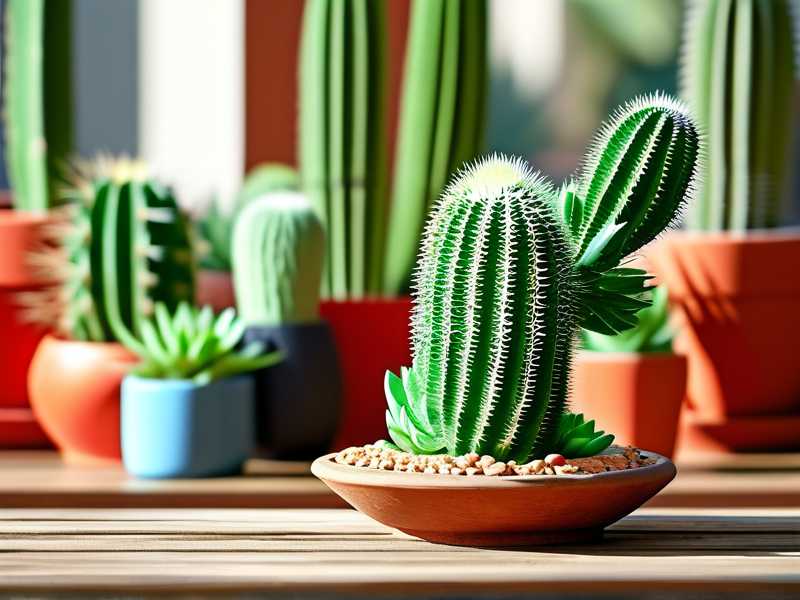
I panicked. I searched online. I found out that the salts in hard water build up in the soil. They block the roots from absorbing nutrients. Over time, the cactus rots from the inside. This is especially bad in areas with limited access to fresh tap water. You might be using well water, bore water, or even stored rainwater that’s dirty.
The Royal Horticultural Society (RHS) states that cacti are sensitive to salts. They recommend using rainwater or distilled water whenever possible. The American Horticultural Society (AHS) adds that avoiding tap water with high mineral content can prevent root damage.
I started collecting rainwater. I bought a cheap barrel from the hardware store. It changed everything. My cacti perked up in two weeks. The white crust disappeared. The brown tips started growing green again.
The 3 Deadly Mistakes That Kill New Cactus Owners
I’ve made every mistake in the book. But these three are the worst. If you avoid them, you’ll have a much easier time.
Mistake 1: Overwatering (Even with Clean Water)
90% of indoor plants die from overwatering. This is a statistic I’ve seen in multiple gardening forums. It’s true for cacti too. In fact, it’s worse for cacti because they store water in their stems.
I used to water my cactus once a week. I thought it was being generous. But the soil stayed wet for days. The roots started rotting. I didn’t notice until the base turned mushy.
The solution is simple: water only when the soil is completely dry. Stick your finger an inch into the soil. If it feels dry, water. If not, wait. In areas with limited access to fresh tap water, this is even more critical. You don’t want to waste your precious water on a plant that doesn’t need it.
I also changed my watering schedule. I water deeply but less often. For example, I water my small cactus every two weeks in winter. In summer, I do it every week. But I always check the soil first.
Mistake 2: Wrong Light Placement
I put my first cactus on a shelf in the living room. It was near a window, but not direct sunlight. I thought cactus love indirect light. Wrong.
Cacti need direct sunlight for at least six hours a day. In areas with limited access to fresh tap water, light is even more important. Without enough light, the cactus can’t process water properly. It gets weak and prone to disease.
I moved my cactus to a south-facing windowsill. It got bright, direct light from morning to afternoon. Within two weeks, I saw new growth. The color deepened. It looked healthier.
But be careful. If your cactus has been in low light for a while, don’t put it in full sun immediately. It will get sunburned. I made that mistake too. The skin turned yellow and crispy. I had to move it to partial shade for a few days. Then gradually increase light.
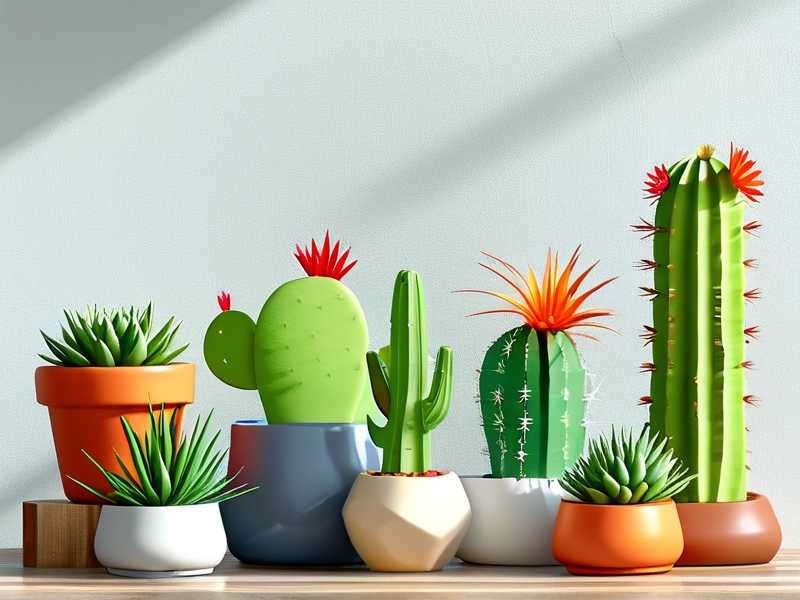
Mistake 3: Using the Wrong Pot
I started with a pretty ceramic pot. No drainage hole. I thought it looked nice. Big mistake.
Without drainage, water sits at the bottom. The roots soak in it. They rot. This is especially dangerous when you have limited access to fresh tap water. You might be using stored water that’s not perfectly clean. Stagnant water breeds bacteria.
I switched to terracotta pots with drainage holes. Terracotta is porous. It helps the soil dry out faster. The AHS recommends terracotta for cacti because it reduces the risk of overwatering.
I also use a pot that’s only slightly larger than the root ball. A big pot holds too much moisture. My cactus struggled in a big pot. Once I downsized, it thrived.
My 2-Week Experiment: How I Fixed My Cactus Care
I decided to test my new methods. I had a struggling cactus. It was pale, with brown tips. The soil was crusty from hard water. Here’s what I did.
Week 1: Diagnosis and Cleanup
First, I stopped watering completely. I let the soil dry out for three days. Then I removed the cactus from the pot. I inspected the roots. They were white and healthy, but a bit dry. Good.
I washed the roots with distilled water. I bought distilled water at the grocery store. It’s cheap. I used it to rinse off the salt buildup.
I repotted the cactus in fresh soil. I used a mix of cactus soil, perlite, and coarse sand. This ensures good drainage. The pot had a drainage hole.
I placed it on a south-facing windowsill. I made sure it got direct sunlight for at least six hours. I didn’t water it for a week.
Week 2: First Watering
After seven days, I checked the soil. It was dry. I watered it deeply with distilled water. I poured water until it ran out the drainage hole. Then I let it drain completely.
I observed the cactus daily. By day three, the pale color started to green up. The brown tips stopped spreading. By day seven, I saw new growth. Small green bumps appeared near the top.
I kept the same routine: water only when soil is dry. I used distilled water every time. The cactus looked healthier every day.
How to Collect and Store Water for Cacti
If you have limited access to fresh tap water, you need to be creative. Here are my methods.
Rainwater Harvesting
I set up a simple system. I placed a barrel under a downspout. When it rains, the barrel fills up. I cover it with a mesh to keep out debris. I store the water in clean containers.
Rainwater is perfect for cacti. It’s low in minerals. The RHS endorses rainwater for all plants. I’ve used it for two years. My cacti love it.
But be careful. If you live in a polluted area, rainwater might contain contaminants. Filter it with a fine mesh or activated charcoal. I use a simple cloth filter. It works.
Distilled Water from the Store
Buying distilled water is easy. It’s cheap. A gallon costs about a dollar. I use it for my cacti when I’m out of rainwater.
The AHS notes that distilled water is safe for sensitive plants. It doesn’t have any minerals. So it won’t build up salts in the soil.
Filtered Tap Water
If you have a reverse osmosis filter, use that. It removes most minerals. I used a simple carbon filter at first. It helped, but not as much as distilled water.
I also tried boiling tap water. Then I let it cool down. It removes some minerals, but not all. It’s better than nothing. But rainwater or distilled water is best.
Common Mistakes I Still See
Even after years of cactus care, I see people making the same errors. Let me call them out.
Watering on a Schedule
“I water my cactus every Monday.” That’s a mistake. Watering on a schedule ignores the soil’s actual moisture. Check the soil with your finger. If it’s dry, water. If not, wait.
In areas with limited access to fresh tap water, you can’t afford to waste water. So check first.
Using Fertilizer Too Often
Cacti need very little fertilizer. I used to fertilize every month. It made the soil salty. The cactus got sick.
Now I fertilize twice a year: once in spring and once in summer. I use a diluted cactus fertilizer. The AHS recommends a balanced fertilizer at half strength.
Ignoring Temperature
Cacti like warm days and cool nights. If you keep them in a room that’s always hot, they stress out. I moved my cactus to a cooler spot at night. It improved its health.
In areas with limited access to fresh tap water, temperature matters. Stress makes the plant need more water. So keep it stable.
My Favorite Cactus Varieties for Tough Conditions
Not all cacti are the same. Some handle poor water quality better. Here are my favorites.
Barrel Cactus
This one is tough. It stores a lot of water. It can handle a bit of salt in the water. I’ve had mine for three years. It only needs water every two weeks in summer.
Prickly Pear
This cactus is resilient. It grows fast. It handles heat and drought. I use rainwater for it, but it also tolerates filtered tap water. The RHS lists it as a beginner-friendly plant.
Christmas Cactus
This one is a bit different. It needs more humidity. But it’s still sensitive to salts. I use distilled water for it. It blooms every year.
How to Check Your Water Quality
If you’re unsure about your tap water, test it. I bought a cheap TDS meter. It measures total dissolved solids. If the reading is over 200 ppm, it’s too hard for cacti.
I also use a pH strip. Cacti prefer slightly acidic soil (pH 6-7). Hard water often has a high pH. Rainwater is usually neutral to slightly acidic.
The Role of Soil in Water Management
Good soil makes a huge difference. I use a soil mix that drains fast. It’s 50% cactus soil, 25% perlite, and 25% coarse sand. This allows water to flow through quickly.
In areas with limited access to fresh tap water, you don’t want water sitting in the soil. It wastes water and harms the roots. The AHS recommends a well-draining mix for all cacti.
I also add a layer of gravel on top. It prevents evaporation and keeps the soil cool. It also looks nice.
What I Learned from My First Dead Cactus
My first cactus was a gift. I watered it with tap water. I watered it every week. After a month, it turned yellow. The base was mushy. I tried to save it, but it was too late.
I blamed myself. But I didn’t know the water was the problem. Now I know better. I tell everyone: don’t use tap water unless you test it first.
Frequently Asked Questions
Can I use bottled water for my cacti?
Yes, but check the label. Some bottled water has added minerals. Choose distilled or purified water. Avoid spring water, which can have high mineral content.
How often should I water my cactus in a dry climate?
It depends on the cactus type and pot size. Generally, water every 1-2 weeks in summer. In winter, water every 3-4 weeks. Always check the soil first.
What if I can’t get rainwater or distilled water?
Use filtered tap water. Or boil tap water and let it cool. It’s not perfect, but it’s better than direct tap water. You can also use aquarium water, if it’s not treated with chemicals.
Final Thoughts
Managing cactus care in areas with limited access to fresh tap water is possible. You just need to adapt. Use rainwater, distilled water, or filtered water. Check the soil before watering. Avoid overwatering.
I’ve been doing this for years. My cacti are healthy and thriving. They don’t need much. Just the right water, the right light, and the right pot.
The RHS and AHS guidelines are helpful. But real experience is what matters. I’ve learned from my mistakes. Now I share them with you.
Don’t give up on cacti just because your water is bad. It’s a simple fix. Start collecting rainwater today. Your cacti will thank you.





