bluename
 How to Choose Cactus Species for Office Desktops: The Ultimate Guide for a Greener, Happier Workspace
Does your office desk feel sterile and uninspiring? You’re not alone. Many professionals crave a touch of nature to boost their mood and productivity, but face the common dilemma: limited space, unpredictable lighting, and the constant worry of neglecting a living plant. The solution is simpler than you think. Introducing the humble cactus – a resilient, low-maintenance companion perfect for the modern office environment. However, not every cactus is suited for life on a desk. Choosing the wrong species can lead to a spiny, overgrown, or dying plant that adds stress instead of relieving it. This comprehensive guide is designed to help you navigate the fascinating world of cacti and select the perfect species that will not only survive but thrive on your office desktop, enhancing your workspace with minimal effort.
Understanding the Office Desktop Environment
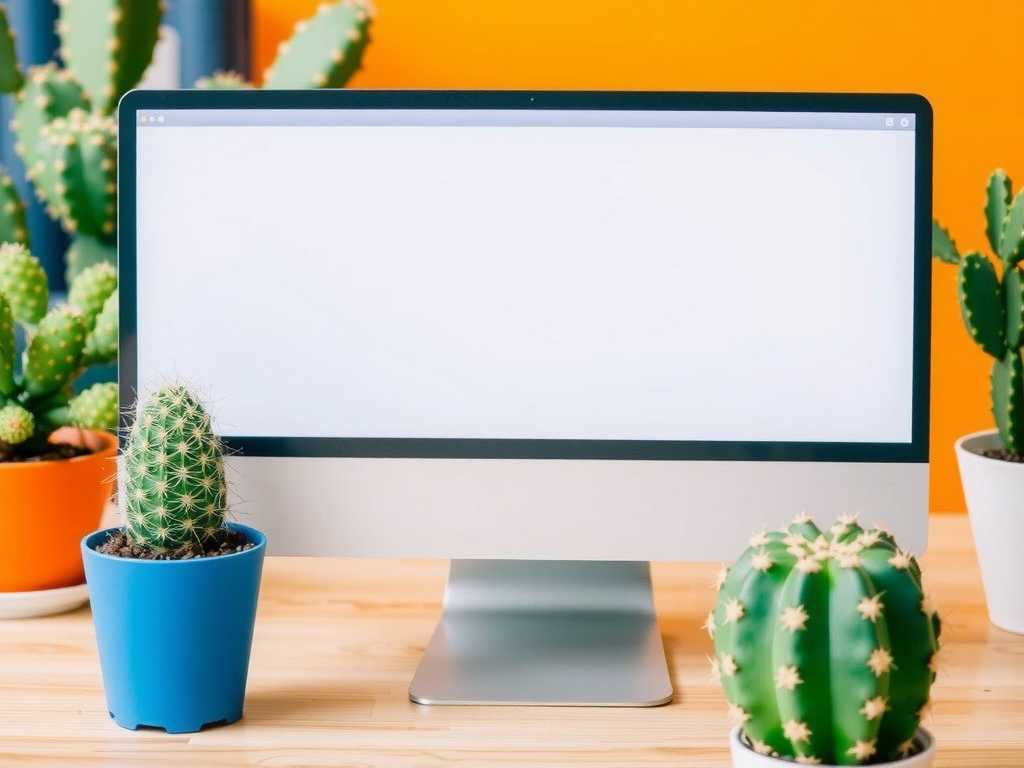
Before falling in love with a particular cactus, it’s crucial to audit your specific workspace conditions. A plant’s success hinges on how well it matches its environment.
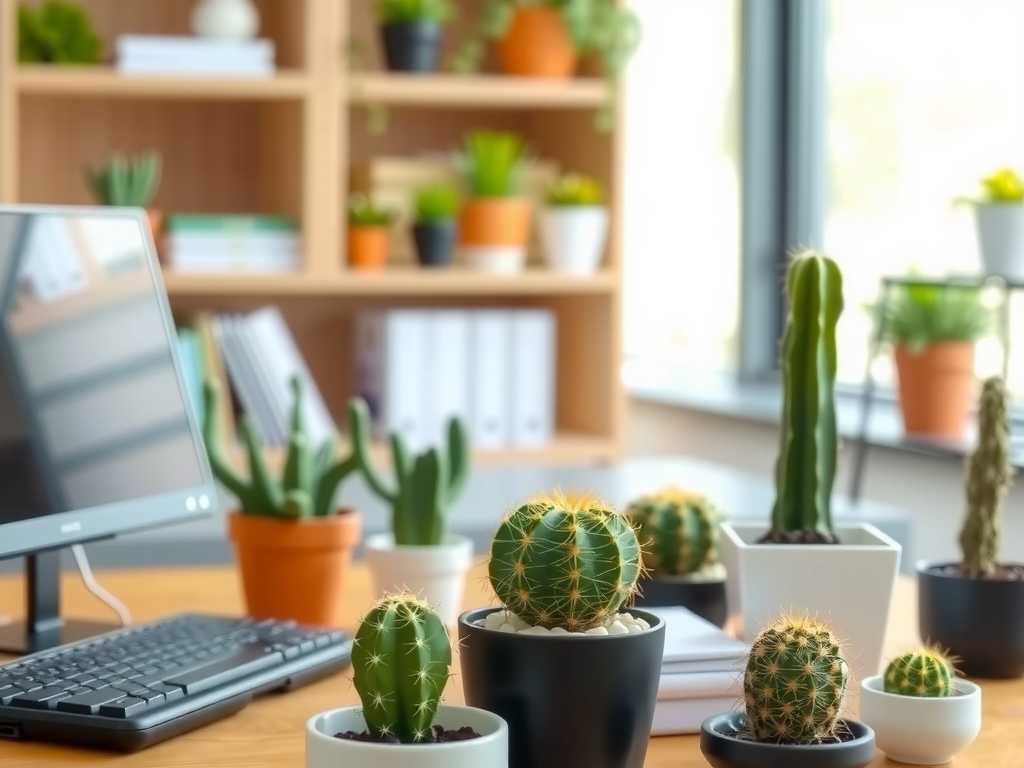
Assessing Your Light Conditions Light is the most critical factor. Most cacti need bright light, but "bright" in a desert differs from "bright" in an office.
- Direct Sunlight Desks: Is your desk right next to a large, south or west-facing window with several hours of direct sun? You have the most options.
- Bright, Indirect Light Desks: Most common. Your desk receives plenty of ambient light from nearby windows but no harsh, direct rays. This is ideal for many cacti.
- Low-Light or Interior Desks: Your desk is far from windows or in a room with minimal natural light. Your choices are limited but not impossible. As noted by the Royal Horticultural Society (RHS), while cacti are sun-lovers, some species exhibit remarkable adaptability to lower light levels for extended periods, though growth will be slower.
Considering Space and Scale Office desks are often shared real estate between monitors, keyboards, and paperwork. The size and growth habit of your cactus matter.
- Footprint: How much surface area are you willing to dedicate? A small pot 3-4 inches in diameter is a standard starting point.
- Vertical Growth: Some cacti grow tall quickly. Will it eventually block your screen or sightline?
- Clumping or Spreading: Some species prefer to grow wide rather than tall, which might encroach on other desk items.
Accounting for Office Care Routines Be brutally honest about your office schedule.
- Watering Frequency: Cacti prefer neglect over overwatering. In a climate-controlled office, soil dries slowly. A plant that needs weekly watering might not suit a team that often works remotely.
- Maintenance: Are you or your colleagues okay with occasionally handling a spiny plant for rotation or repotting?
- Airflow: Stagnant, dry office air from HVAC systems is generally fine for cacti, but can promote pests if plants are stressed.
Top Cactus Species for Different Office Desk Conditions
Now, let’s explore specific champions of the office world. These selections balance aesthetics, hardiness, and manageable size.
Best Cacti for Low-Light Office Desks For those interior or north-facing desks, these species are your best bet.
- The Zebra Cactus (Haworthiopsis attenuata): Technically a succulent, its striking white striped pattern and compact, rosette form make it a frequent and excellent desk-mate. It tolerates lower light beautifully and stays small.
- The Moon Cactus (Gymnocalycium mihanovichii): These vibrant, colorful balls (often grafted) are common for a reason. They have low light requirements, though their bright red, yellow, or orange tops may fade in deep shade. They are perfect for a long-lasting pop of color.
- The Chin Cactus (Gymnocalycium spp.): A true cactus genus known for its globular shape and often stunning, large flowers. Many Gymnocalycium species naturally grow in grassy understory habitats, making them more tolerant of indirect office light.
Best Cacti for Bright, Indirect Light Desks This is the sweet spot for a wider variety of interesting shapes.
- The Bunny Ears Cactus (Opuntia microdasys): Its adorable pad-like segments resemble bunny ears. It grows moderately and loves bright light. Caution: Its glochids (tiny, hair-like spines) are notoriously irritating, so place it where it won’t be brushed against.
- The Star Cactus (Astrophytum asterias): A stunning, spineless, dome-shaped cactus with a distinctive star pattern. It is slow-growing, stays very small for years, and is a true conversation piece. It requires excellent drainage and careful watering.
- The Old Lady Cactus (Mammillaria hahniana): This charming, spherical cactus is covered in a web of white hairs and spines, giving it a soft, fuzzy appearance. It produces a lovely crown of pink flowers and remains a manageable size for a long time.
Best Cacti for Sunny, Direct Light Desks If you have a prime window spot, these sun-worshippers will reward you.
- The Golden Barrel Cactus (Echinocactus grusonii): A classic, symmetrical globe that starts small but is a slow grower. Its fierce golden spines demand respect and plenty of sun to maintain its compact shape. A small specimen is a perfect, architectural desk plant.
- The Fairy Castle Cactus (Acanthocereus tetragonus): Loved for its unique, multi-branched vertical growth that resembles turrets and spires. It grows slowly, thrives in full sun, and adds incredible vertical interest without quickly outgrowing its space.
Key Selection Criteria Beyond Species
Choosing the right type is half the battle. Pay attention to these details to ensure a healthy start.
Size and Growth Rate: Planning for the Long Term Always think 1-2 years ahead. A cute 2-inch cactus might become a 12-inch monster. Opt for species known for slow growth or be prepared to rehome it. The American Horticultural Society’s (AHA) guide to houseplants emphasizes selecting plants based on their mature size to avoid constant repotting and disruption.
Safety and Practicality: Spines and Office Life Consider your office culture. A cactus with long, hooked spines or detachable glochids (like some Opuntia) can be a hazard in high-traffic areas or shared desks. For a safer option, look for species with dense, short spines or a fuzzy appearance (like Mammillaria), or consider a spineless variety like certain Astrophytum.
Pot and Soil: The Foundation of Health The right pot is non-negotiable.
- Drainage: A drainage hole is absolutely mandatory. Saucers are essential to protect your desk.
- Material: Terracotta pots are ideal as they are porous, allowing soil to dry more evenly and preventing root rot.
- Soil: Never use standard potting soil. Always use a specialized, gritty cactus and succulent mix that provides rapid drainage. This is one of the most common reasons for cactus failure in offices.
Care and Maintenance for Your Office Cactus
Proper care is simple but specific. Following these steps will keep your cactus healthy for years.
The Art of Watering: Less is More Overwatering is the #1 killer. The rule of thumb is to soak thoroughly, then let dry completely. In an office, this might mean watering only every 3-4 weeks in winter and perhaps every 2-3 weeks in summer. Always check the soil—if it’s still damp an inch below the surface, wait.
Optimal Placement and Rotation Place your cactus in the spot that best matches its light needs. For even growth, give the pot a quarter-turn every week or two. This prevents the plant from leaning dramatically toward the light source.
Feeding and Repotting: Minimalist Needs
- Fertilizer: Feed sparingly with a diluted, balanced fertilizer (like a 10-10-10) only during the active growing season (spring/summer), and no more than once a month.
- Repotting: Most desk cacti will be happy in the same pot for 2-3 years. Repot only when the plant has clearly outgrown its pot or the soil has degraded. Do this in the spring, using fresh cactus mix.
Troubleshooting Common Issues
- Stretching or Leaning (Etiolation): This means your cactus needs more light. Move it to a brighter location.
- Soft, Mushy Base: A classic sign of overwatering and root rot. You may need to cut away the rot and re-root the healthy top part.
- Shriveling or Wrinkling: This is usually underwatering or extreme thirst after a long dry period. Give it a thorough soak.
Frequently Asked Questions
Can a cactus survive in an office with no windows? While not ideal, it is possible for a short period (a few months) with very robust species like the Zebra Plant (Haworthia) or some Gymnocalycium. However, without any natural light, the plant will eventually etiolate, weaken, and die. For true windowless rooms, consider a high-quality LED grow light placed a few feet above the plant for 8-10 hours a day.
How do I know if I’m overwatering or underwatering my office cactus? The symptoms can be confusing. A soft, mushy, often discolored (yellow or brown) plant is typically overwatered. A plant that is dry, crispy, and dramatically shriveled is underwatered. When in doubt, err on the side of underwatering. Check the soil moisture with your finger or a wooden stick before reaching for the watering can.
Are cacti good for improving office air quality? While the NASA Clean Air Study popularized the idea of plants filtering air, the effect of a single small cactus in a large, ventilated office space is negligible. The primary benefits of an office cactus are psychological: reducing stress, increasing focus, and providing a sense of nurturing and aesthetic pleasure. They are a tool for well-being, not an air purification system.
Selecting the perfect cactus for your office desk is a rewarding process that blends practical assessment with personal taste. By honestly evaluating your light and space, choosing a species suited to those conditions, and committing to a simple care routine of infrequent watering and ample light, you can cultivate a resilient piece of the desert that brings life and character to your daily work. Start with a hardy, small specimen, and enjoy the slow, steady growth of a companion that asks for little but gives back a surprising sense of calm and accomplishment. Your greener, happier workspace awaits.