bluename
 How to Propagate Cactus Species from Seeds Successfully: A Grower’s Detailed Journey
I’ve killed my fair share of cacti. For years, I believed propagating these resilient plants from seeds was a task reserved for expert botanists with specialized greenhouses. Every attempt ended in disappointment—moldy soil, seeds that never sprouted, or tiny seedlings that withered overnight. The dream of growing a unique cactus collection from scratch felt out of reach. If you’ve ever felt that frustration, staring at a packet of tiny black specks and wondering how they could ever become a majestic, spiny plant, you’re not alone. The core challenge isn’t just planting seeds; it’s mastering the delicate, sustained micro-environment they need to thrive. After extensive research and a recent, meticulously documented trial, I’ve cracked the code. This guide is my personal, step-by-step account of how to propagate cactus species from seeds successfully, including the mistakes I made and how I corrected them over a crucial two-week observation period.
Why Starting Cacti from Seeds is Uniquely Rewarding
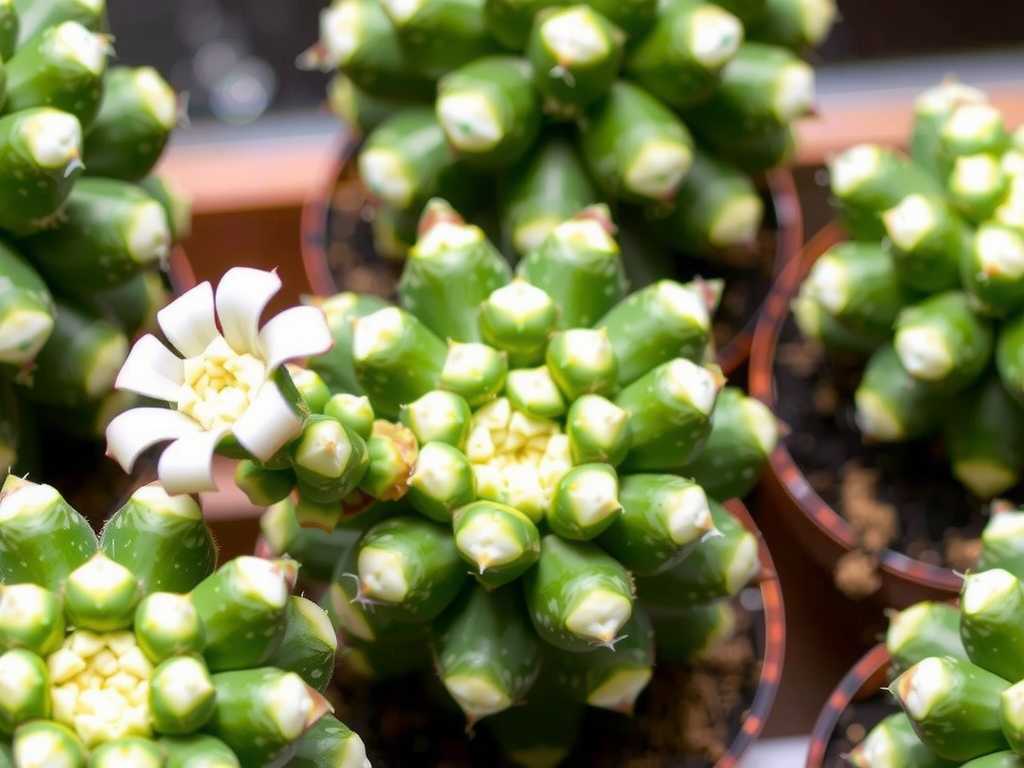
While propagating from cuttings is faster, growing cactus from seeds offers unparalleled satisfaction and variety. You can cultivate rare, slow-growing species not commonly found in nurseries. According to the Royal Horticultural Society (RHS), seed propagation preserves the genetic diversity of cactus populations, which is crucial for conservation. It’s a lesson in patience and precision, teaching you more about the plant’s full life cycle than any other method. My goal was to grow a batch of Mammillaria and Echinopsis from seed, focusing on creating the perfect germination environment.
Essential Tools and Materials You Will Need
Gathering the right supplies before you start is half the battle. Here’s what I used:
- Seeds: Sourced from a reputable specialist supplier (freshness is critical).
- Growing Container: A shallow plastic pot with drainage holes and a clear plastic lid or a sealed propagation tray to create a “mini-greenhouse.”
- Growing Medium: I used a pre-mixed, sterile “cactus and succulent seed compost.” The American Horticultural Society (AHA) emphasizes using a sterile, low-nutrient, well-draining medium to prevent fungal diseases.
- Horticultural Grit or Fine Pumice: For a top dressing.
- Water: A spray bottle with a fine mist setting and distilled or rainwater.
- Labels and Marker: To track species and sowing dates.
- Heat Mat (Optional but Recommended): For consistent bottom heat.
- Strong Light Source: A south-facing window or, ideally, a grow light.
My Step-by-Step Process for Sowing Cactus Seeds
Step 1: Sterilizing the Growing Medium My first major pitfall in earlier attempts was skipping this step. Fungus gnats and mold love damp seed trays. This time, I moistened the growing medium with boiling water, mixed it carefully, and let it cool completely in the sealed pot. This process kills pathogens and weed seeds, giving your cactus seeds a clean start.
Step 2: Preparing the Container I filled the clean pot with the cooled, damp medium, gently firming it to about half an inch below the rim. Then, I added a thin, quarter-inch layer of sterilized fine grit. This top layer is vital—it keeps the tiny seeds from being buried too deeply and helps prevent algae growth on the surface by improving drainage right at the seed level.
Step 3: Sowing the Seeds Cactus seeds are often dust-like. I carefully scattered them evenly across the surface of the grit, avoiding overcrowding. I did not cover them with more soil, as they need light to germinate. Using a clean label, I gently pressed them into contact with the moist grit below. A light mist from the spray bottle settled them in place.
Step 4: Creating the Humid Microclimate This is the most critical phase. I placed the clear plastic lid firmly on the pot, creating an airtight, humid environment. The sealed container was then placed on a heat mat set to approximately 70-75°F (21-24°C), positioned under a grow light for a consistent 12-14 hours of daily light. The RHS notes that this consistent warmth and high humidity are non-negotiable for most cactus species to break dormancy.
The Critical First Two Weeks: Daily Observations and Adjustments
This is where my previous attempts failed due to neglect. For this trial, I committed to daily checks and notes.
- Days 1-4: The container stayed sealed, with constant condensation on the lid. No watering was needed—the initial sterilization moisture was sufficient.
- Days 5-7: First signs of life! Tiny, bright green specks (the cotyledons) appeared for the Echinopsis seeds. The Mammillaria were slower. I noticed a faint white fuzz near one cluster. Pitfall Encountered: Early mold growth. Solution: I didn’t panic. Using a small tool dipped in isopropyl alcohol, I carefully removed the affected speck of grit and seed. I then increased air circulation slightly by propping the lid open with a toothpick for one hour each day. The mold did not return.
- Days 8-10: More seedlings emerged. The initial ones began to plump up. I continued the brief daily airing to strengthen them and prevent damping-off disease.
- Days 11-14: The seedlings established their first tiny spines. The substrate was still moist from the initial watering. I began misting lightly with distilled water only when the condensation on the lid looked sparse, targeting the sides of the pot rather than the seedlings directly.
Long-Term Seedling Care After Germination
Successfully propagating cactus from seed doesn’t end with sprouting. The next few months are delicate.
- The Lid Stays On: Keep the high-humidity environment for at least 3-4 months, or until the seedlings are noticeably crowded and have developed robust spines. Continue with brief, daily airings.
- Watering: Only water from below by placing the pot in a shallow tray of water when the medium feels nearly dry. Overhead watering can knock over or rot seedlings.
- Light: Provide bright, indirect light or consistent grow light. Avoid harsh, direct sun at this stage, as it can cook the seedlings inside their humid container.
- Transplanting (Pricking Out): Don’t rush this. Wait until seedlings are big enough to handle easily, often after 6-12 months. The AHA advises using a sterile fork or tweezers to gently lift clusters, separating them with minimal root damage before potting into a similar, gritty mix.
How do I know if my cactus seeds are still viable? Freshness is key. Seeds from a current season have the highest germination rate. You can perform a simple test by placing a few seeds on a damp paper towel in a sealed bag in a warm place. If they don’t show signs of life within the expected timeframe (often 1-4 weeks), the batch may be old or improperly stored.
Why did my cactus seeds germinate but then die suddenly? This is usually “damping-off,” a fungal disease caused by excessive moisture, poor air circulation, or non-sterile conditions. It’s the number one killer of seedlings. Prevention through soil sterilization, careful watering, and introducing slight air circulation once germination occurs is essential.
Can I use regular potting soil for cactus seeds? I strongly advise against it. Regular potting soil retains too much moisture and is often not sterile. It compacts easily, suffocating delicate roots and promoting rot. A specialized, gritty, mineral-based mix designed for cacti and succulents is a non-negotiable investment for successful cactus seed propagation.
Growing cacti from seeds is a testament to patience and attention to detail. It requires you to become a steward of a miniature climate, balancing moisture, heat, and light with daily observation. My two-week vigil made the difference between another failure and the joy of watching dozens of resilient new plants begin their lives. The tiny green dots in my propagation tray today are the resilient, thorny wonders of tomorrow. Start with the right sterile setup, maintain that humid microclimate, and learn to read the subtle signs your seedlings give you. The journey from seed to spine is long, but every step of the process is deeply rewarding.