bluename
 How to Differentiate Monocarpic vs. Polycarpic Cactus Species: A Grower's Essential Guide
Have you ever nurtured a cactus for years, eagerly awaiting its spectacular bloom, only to watch it flower gloriously and then die? This heartbreaking experience is a common pain point for many cactus enthusiasts. The culprit is often a lack of understanding of a fundamental botanical concept: the difference between monocarpic and polycarpic cactus species. Knowing whether your cactus is a "one-time bloomer" or a "repeat performer" is crucial for proper care, long-term collection planning, and avoiding unexpected plant loss. This guide will equip you with the knowledge to confidently identify and care for both types.
Understanding the Lifespan: Monocarpic vs. Polycarpic Explained
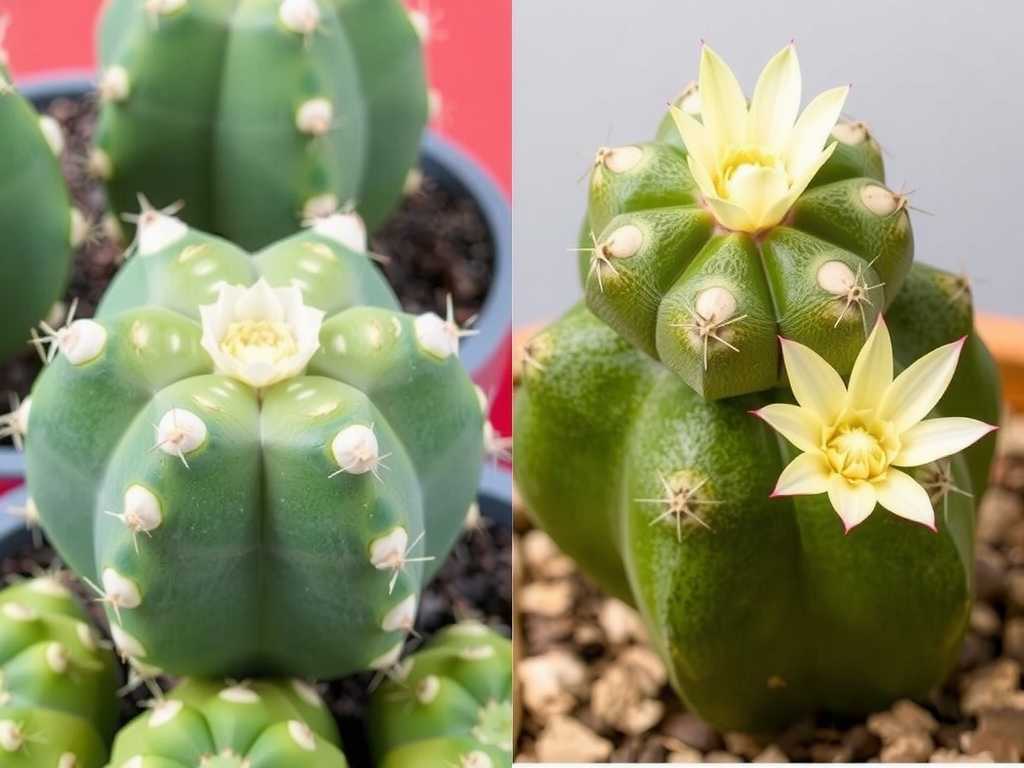
At its core, the distinction is about a plant's life cycle and reproductive strategy. These terms apply across the plant kingdom but have specific implications for cacti.
Monocarpic cacti flower once in their lifetime, set seed, and then die. This "big bang" reproduction is a survival strategy. The plant dedicates all its energy reserves into producing a massive, often breathtaking floral display to ensure successful pollination and seed propagation. The entire plant, or sometimes just the flowering stem (like in many agaves, which are often confused with cacti), completes its life cycle after this event.
Polycarpic cacti, in contrast, flower repeatedly over many seasons. They follow a more familiar cyclical pattern of growth, flowering, and dormancy year after year. The plant conserves energy, producing flowers as part of its annual cycle without terminating the main plant's life. The vast majority of common household cacti are polycarpic.
Key Indicators to Tell Them Apart
You don't need to wait for a plant to die to classify it. Several observable characteristics can signal whether a cactus is likely monocarpic or polycarpic.
Growth Form and Architecture Monocarpic cacti often exhibit a determinate growth pattern. Many are columnar and grow as a single, unbranched stem for years until the terminal flowering event. The famous Saguaro (Carnegiea gigantea) is a classic polycarpic example, but some columnar types like certain Neobuxbaumia or Cephalocereus species can be monocarpic. A more reliable architectural clue is the production of large numbers of offsets (pups) around the base. The parent plant invests in creating these clones before it flowers and dies, ensuring its genetic legacy.
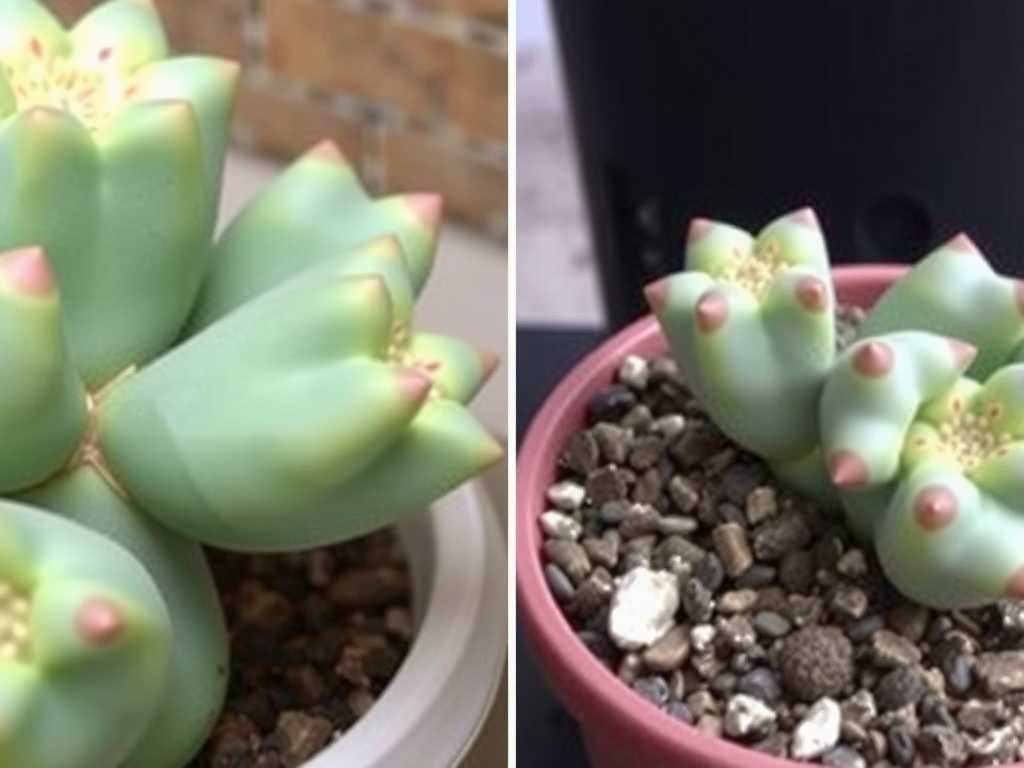
Polycarpic cacti show indeterminate growth. They readily branch, cluster, and form complex shapes over decades. Think of the sprawling pads of an Opuntia (Prickly Pear) or the clustered stems of a Mammillaria. Their structure is built for persistence.
Flowering Behavior and Precursors The flowering approach itself is a major clue. Monocarpic species often produce an incredibly large, terminal inflorescence—a flower structure that emerges from the very top of the main stem, sometimes called a "death bloom." This flowering spike can be enormous, sometimes dwarfing the plant itself, and its development may take months. The plant often appears to be putting its final, supreme effort into this display.
Polycarpic cacti produce flowers from areoles along the sides of stems, from the crown, or from specialized cephalium structures (like in Melocactus). The flowers are typically smaller in proportion to the plant and appear seasonally without causing the plant's decline.
Consulting Scientific and Expert Resources When in doubt, research the specific genus and species. Reputable botanical gardens and cactus society publications are invaluable. As noted by Dr. Lucas Carter, a botanist specializing in succulent life histories, "While monocarpy is rarer in cacti compared to other succulents like agaves, it is a definitive trait in certain genera. Always cross-reference observed behavior with documented taxonomic profiles." Relying on expert consensus from sources like the International Cactaceae Systematics Group adds authority to your identification.
Care Strategies for Each Type
Your care approach should align with the plant's natural lifecycle.
Caring for Monocarpic Cactus Species Accepting their finite lifespan is key. The goal is to support them through a healthy life to their spectacular finale and to propagate their offspring.
- Focus on Offset Propagation: Gently remove the pups that form around the base. Allow them to callous for a week, then plant in well-draining soil. This way, you perpetuate the plant.
- Optimize Growing Conditions: Provide optimal light, careful watering, and appropriate fertilization to ensure the mother plant reaches maturity robustly. A stressed plant may flower prematurely.
- Post-Bloom Management: After the grand bloom, allow the plant to complete its natural cycle. It will gradually decline. You can collect any seeds from the spent flower to sow.
Caring for Polycarpic Cactus Species Here, the focus is on longevity and encouraging regular, seasonal blooming.
- Encourage Consistent Cycles: Mimic natural seasonal changes. A cool, dry winter rest period is often essential for triggering spring and summer flower bud formation.
- Prune and Shape: You can safely remove dead stems or shape the plant to encourage branching and more flowering sites without risking the plant's life.
- Long-Term Nutrient Management: Use a balanced, low-nitrogen fertilizer during the active growing season to support steady growth and annual flowering without forcing excessive, weak growth.
Common Examples in Cultivation
Likely Monocarpic Cacti:
- Some species within the genera Neobuxbaumia, Cephalocereus, and Espostoa (though not all).
- Many cacti sold as large, single-stemmed "specimen" plants without branches may be suspect, but research is essential.
Common Polycarpic Cacti:
- Echinopsis (Easter Lily Cactus): Famous for their large, recurring night-blooms.
- Mammillaria (Pincushion Cactus): Prolific bloomers that form large clusters.
- Gymnocalycium (Chin Cactus): Reliably flower each summer.
- Opuntia (Prickly Pear): Produce edible fruits and flowers annually.
- Ferocactus (Barrel Cactus): Mature specimens flower ring-like crowns yearly.
My cactus just produced a huge flower from the top and now looks sad. Is it dying? Unfortunately, if it is a true monocarpic species and the bloom was a massive terminal structure, the main plant is completing its life cycle. Your immediate action should be to check for and propagate any offsets (pups) it may have produced. You can also attempt to harvest seeds from the spent flower.
Can I prevent a monocarpic cactus from flowering to save it? No, flowering and death are genetically programmed culmination of its life. Attempting to remove the flower stalk will not stop the process and may damage the plant. The best strategy is to appreciate the bloom and ensure its offspring survive.
Are all large, columnar cacti monocarpic? Absolutely not. This is a common misconception. Many of the most iconic large columnar cacti, like the Saguaro (Carnegiea gigantea) and the Mexican Fence Post (Pachycereus marginatus), are polycarpic and flower annually along their stems once mature. Always identify the specific species rather than relying on general shape.
Understanding the difference between monocarpic and polycarpic growth habits transforms how you manage your cactus collection. It moves you from a reactive to a proactive grower. By observing growth patterns, flowering behavior, and consulting reliable resources, you can tailor your care, plan for succession through propagation, and fully appreciate the remarkable life strategies these resilient plants employ. Whether you're nurturing a one-time marvel or a decades-long companion, this knowledge ensures you provide the right environment for their unique journey.