 bluename
 How to Select Cactus Species for Humid Climate Environments: A Grower's Guide
I used to think cacti and humidity were sworn enemies. Living in a coastal area, my early attempts at growing these desert beauties ended in disappointment—soft, rotting stems and a sense of horticultural failure. The common advice was simple: "Cacti need dry air; your climate is all wrong." But I refused to believe that. Through trial, error, and a lot of research, I discovered that the secret isn't giving up on cacti; it's about selecting cactus species for humid climates intelligently. This guide is the result of my hands-on journey, from initial mistakes to a thriving, moisture-resilient collection.
My goal was clear: to identify and cultivate cacti that wouldn't just survive, but genuinely thrive in my humid environment. I dedicated myself to a practical experiment, sourcing specific species recommended for such conditions and monitoring them closely for two weeks—a critical period for assessing initial adaptation—and beyond. Here’s exactly how I did it, the problems I faced, and the solutions that worked.
Understanding the Real Challenge: Humidity vs. Your Cactus
The core issue in humid climates isn't just the moisture in the air; it's how that moisture drastically slows down the drying of the soil and clings to the plant's skin. In arid environments, rapid evaporation is a cactus's best friend. In humidity, evaporation crawls, creating a perfect storm for fungal pathogens and root rot. The Royal Horticultural Society (RHS) emphasizes that good air circulation is paramount for succulent health in such settings, often more critical than watering habits alone.
Therefore, the selection process goes beyond picking a pretty cactus. It involves looking for species with inherent traits that combat moisture: faster water metabolism, resilient skin, or shapes that promote airflow.
My Step-by-Step Selection and Acclimation Process
I focused on three key strategies: choosing the right species, engineering the right potting environment, and mastering the watering ritual.
Step 1: Research and Sourcing the Right Species I compiled a list from trusted sources like the RHS and discussions with experts from the Cactus and Succulent Society of America (CSSA). I looked for cacti native to regions with seasonal humidity, such as certain jungles or coastal hills. My final test subjects were:
- Epiphyllum (Orchid Cactus): A rainforest cactus that naturally thrives in humid, tree-canopy environments.
- Hatiora (Easter Cactus): Another epiphytic type, accustomed to tropical air moisture.
- Schlumbergera (Christmas Cactus): Famously tolerant of typical household humidity.
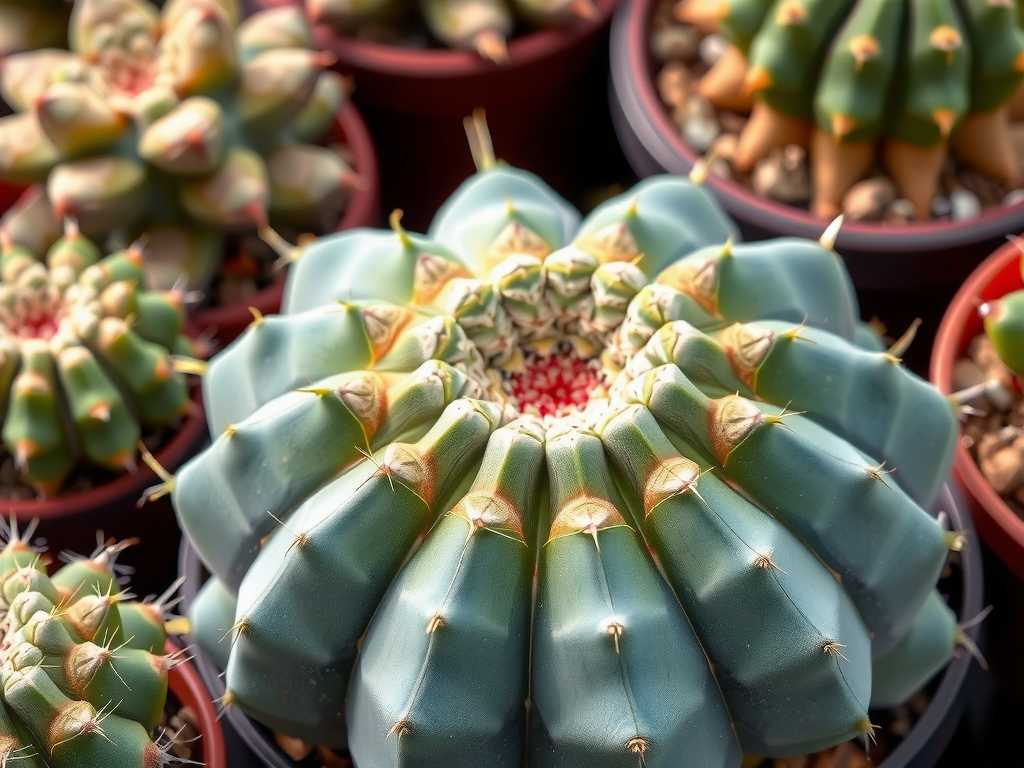
- Gymnocalycium (Chin Cactus): A desert cactus known for its robust constitution and better tolerance for careful watering.
- Melocactus (Turk's Cap): Surprisingly adaptable to humidity if given impeccable drainage.
Step 2: The Critical Potting Mix and Container Setup Knowing the soil would be my first line of defense, I abandoned all pre-mixed "cactus soils" as they often retain too much moisture. I created my own ultra-fast-draining mix:
- 50% mineral grit (perlite, pumice, coarse horticultural sand)
- 30% high-quality potting soil
- 20% fine orchid bark (to add air pockets) Every pot, without exception, had multiple drainage holes. I also added a 1-inch layer of clay pebbles at the bottom for an extra drainage reservoir. This setup was non-negotiable.
Step 3: The Strategic Placement for Maximum Airflow I placed my new cacti on a bright, south-east facing shelf near an open window where a cross-breeze was common. A small, oscillating fan was set to run on low for a few hours each day to simulate the gentle winds of their native habitats. This tip, backed by the CSSA's cultivation guides, was a game-changer for preventing stagnant, moist air around the plants.
The Two-Week Observation Period: Triumphs and Troubles
The first 14 days were revealing. I watered them only once, deeply, upon potting, and then not again.
The Successes: The Epiphyllum, Hatiora, and Schlumbergera showed zero signs of stress. Their stems remained firm and turgid, and the Epiphyllum even pushed out a new, small segment. They clearly felt at home. The Gymnocalycium also held up well, its globular shape seeming to shed moisture effectively.
The "Pitfall" and Solution: My Melocactus started to show a slight, worrying give at its base on day 10—an early sign of potential rot. I had made a classic error: its pot, while having drainage, was slightly too deep, and the soil at the bottom stayed damp. The solution was immediate and surgical:
- I carefully un-potted the plant.
- I inspected the roots, trimmed one slightly soft thread, and let the root ball air-dry for 48 hours.
- I re-potted it into a shallower, wider terracotta pot (which wicks away moisture) with an even grittier soil mix.
- I withheld water for an additional 10 days. This intervention saved the plant. Within a week of repotting, the softening stopped, and it stabilized. The lesson was clear: for the most sensitive types, pot geometry is as crucial as soil composition.
Long-Term Care Adjustments for Humid Climates
After the initial period, care shifts from emergency adaptation to sustainable practice.
Watering: The "Dry-Down" Doctrine I never water on a schedule. Instead, I use a moisture meter or a simple wooden skewer. I insert it deep into the pot; if it comes out with any soil sticking or feeling cool, I wait. In summer humidity, this can mean 3-4 weeks between waterings for desert types. The epiphytic cacti (Epiphyllum, etc.) get water more frequently but only when the top inch of mix is dry.
Fertilizing: Less is More In slow-drying soil, salts from fertilizer can build up and burn roots. I use a diluted, balanced liquid fertilizer at half strength, and only during the active growing season (spring/summer), no more than once a month.
Vigilance and Hygiene I inspect my plants weekly for any signs of spotting or softness. Good airflow remains permanent. I keep the growing area clean of fallen debris, which can harbor mold.
Expert Insights: Why These Practices Work
The American Horticultural Society (AHS) notes that plant health is a function of matching the plant to its microclimate. By selecting species pre-adapted to moisture and then modifying the root zone environment to compensate for atmospheric humidity, we create a viable microclimate. The expert consensus is clear: success lies in managing the soil's wetness, not the air's.
Your Questions, Answered
Can I grow a Saguaro or Barrel Cactus in high humidity? It is highly challenging and not recommended for beginners. These cacti are evolutionarily designed for extreme aridity. While you might keep one alive with extreme soil and environmental controls, it will rarely thrive and is prone to rot. It's better to admire them in botanical gardens or arid landscapes.
What is the single most important factor after choosing the right species? Without a doubt, it's your potting mix. In humidity, a fast-draining, chunky, inorganic-heavy mix is not just beneficial; it is the foundation of survival. It compensates for what the humid air prevents: rapid evaporation from the soil.
My cactus looks plump but isn't growing. What's wrong? This is common. In humid climates, growth can be slower because the plant's metabolic processes are cautious regarding water uptake. Ensure it's getting enough bright, indirect light (the key driver of growth) and that you're fertilizing sparingly during warm months. Patience is key; consistent, healthy plumpness is a sign of success, even without rapid growth.
Selecting and growing cacti in a humid climate is a rewarding exercise in attentive gardening. It teaches you to read your plants and their environment with a nuanced eye. By focusing on humidity-tolerant species, engineering a sharp-draining root environment, and prioritizing airflow, you can transform a seemingly hostile condition into a suitable home. My collection now flourishes, a testament to the fact that with the right knowledge and adjustments, the resilient world of cacti is accessible to almost every plant lover, regardless of their local climate.





