bluename
 How to Differentiate Wild vs. Cultivated Cactus Species: A Hands-On Guide
For years, I’ve admired cacti, collecting what I thought were unique specimens from various nurseries and online shops. But a nagging question always lingered: was I looking at a truly wild-form cactus or a cultivated variety? The difference isn’t just academic; it affects the plant’s care, its growth rate, its legal status, and even its ecological impact. My confusion peaked when two seemingly identical Mammillaria plants showed wildly different reactions to the same watering schedule. That’s when I decided to embark on a focused, two-week investigation to learn how to differentiate wild vs. cultivated cactus species with my own eyes and hands. This guide is the result of that practical journey, filled with my observations, mistakes, and the clear system I now use.
Why Bother Telling Them Apart? More Than Just Curiosity
Understanding whether a cactus is wild-sourced or nursery-cultivated is crucial. Wild plants are often slower-growing, genetically unique, and adapted to harsh, specific conditions. Removing them from their habitat can threaten natural populations and is illegal in many regions without permits. Cultivated cacti, on the other hand, are grown for the market—often faster, more uniform, and acclimated to container life. Knowing the difference helps you care for your plant properly, make ethical purchasing decisions, and appreciate its true story.
My Two-Week Observation Project: Setting the Stage
I selected six cactus specimens: three purchased from reputable specialty growers (labeled “cultivated”) and three acquired from sources that hinted at possible wild origin (with unclear provenance). My goal was to document daily and weekly changes in appearance, structure, and response to a controlled environment on my south-facing patio. I maintained a log, took macro photographs, and applied the differentiation criteria I researched from experts like the Arizona-Sonora Desert Museum (ASDM) and the Huntington Botanical Gardens, whose guidelines on plant morphology are industry gold standards.
The Five Key Pillars of Differentiation: A Practical Checklist
Through my experiment, I consolidated the wisdom from authorities into five actionable pillars. You don’t need a lab—just a keen eye and a bit of patience.
1. Examining Growth Form and Symmetry
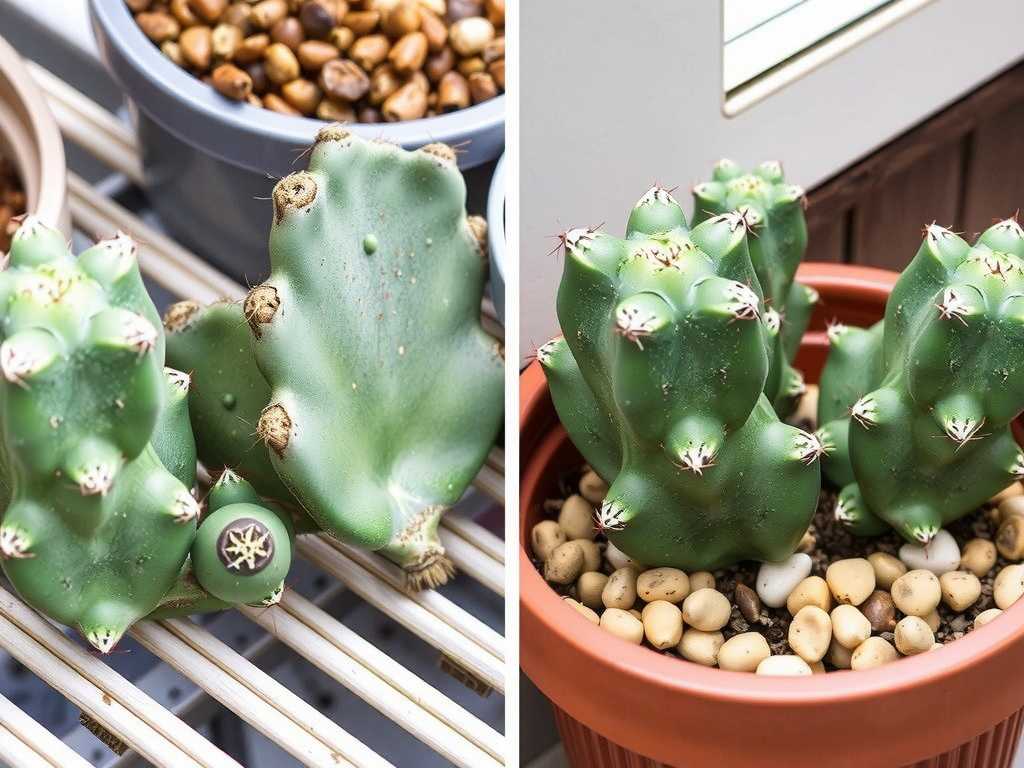
This was the most immediately telling sign. Wild cacti often exhibit irregular, asymmetrical growth. Their stems may be scarred, offset at odd angles, or show evidence of animal nibbles, weather damage, or decades of surviving in one spot. They tell a story of struggle. Cultivated cacti, in contrast, are usually picture-perfect. They grow symmetrically, with evenly spaced areoles and a uniform color. They’ve been protected from damage and often fed for optimal, balanced growth. My Observation: One of my test plants, a Ferocactus, was perfectly spherical and vibrant green (cultivated). Another, a similar-sized Ferocactus, had a distinct lean, a faded, woody base, and a few old, healed-over scars on its south-facing side—a classic sign of a plant that lived in the wild, facing the sun and elements.
2. Analyzing Spine and Areole Characteristics
Look closely at the spines—the armor of the cactus. Wild specimens frequently have denser, more robust, and sometimes more variably colored spines. The areoles (the cushiony spots where spines emerge) might be larger, more prominent, and unevenly distributed. Cultivated cacti often have spines that are more consistent in color, perhaps slightly less dense (due to optimal growing conditions reducing the need for extreme defense), and their areoles are neatly arranged. My “Aha!” Moment and a Mistake: I initially assumed a dense-spined Echinopsis was wild. However, after consulting an ASDM article on phenotypic plasticity, I realized some cultivated forms are also bred for dense spines. The true clue was underneath: the base of the cactus had tiny, uniform root nubs from recent potting. A truly wild-harvested plant often has a severely cut, calloused taproot or irregular root damage from extraction. I learned to always check the base and root structure when possible (gently!).
3. Assessing the Base and Root Structure (The “Smoking Gun”)
This became my most trusted criterion. I carefully unpottted two of my test subjects after the first week to minimize stress. Wild-harvested cacti typically have a large, woody, often truncated or damaged taproot. The base of the stem is frequently hardened, corky, and discolored—a result of years sitting on mineral soil and weathering. Cultivated cacti have a fibrous, relatively young, and healthy root system confined to the pot’s shape. The base of the stem is usually green and similar in texture to the upper body. My Lesson Learned: I was too rough during my first inspection and damaged some fine roots on a cultivated plant. I learned to only do this when the plant is dry and to gently brush away soil instead of pulling. For the suspected wild plant, the evidence was clear: a thick, gnarled taproot that had clearly been chopped, confirming its likely origin.
4. Evaluating Overall Coloration and Epidermal Texture
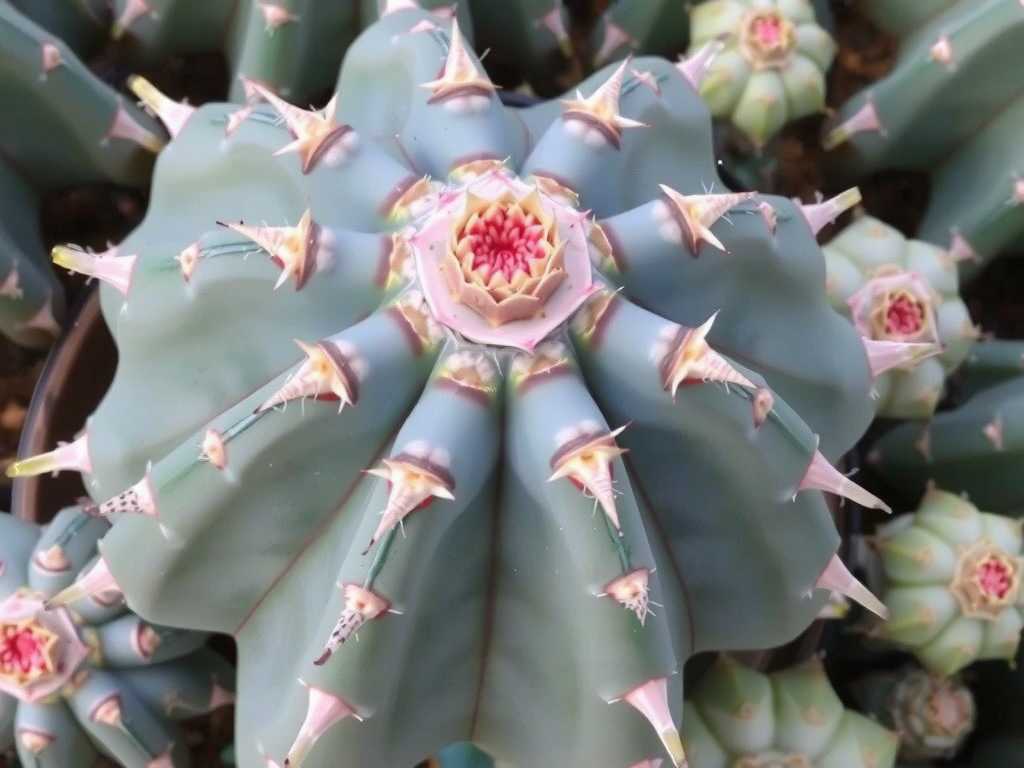
Wild cacti can show a “patina” of age and stress. Their skin might be duller, have a bluish or greyish wax coating (epicuticular wax) that’s uneven, or show minor discolorations from sun, frost, or mineral deposits. Cultivated cacti tend to have a more vibrant, even green hue and a consistent epidermal texture. They are often grown under shade cloth, resulting in less stress-induced pigmentation. My Two-Week Log Proof: Over 14 days, the suspected wild plants showed almost no change in coloration under my patio conditions. The cultivated ones, however, began to develop a slightly richer green color, indicating their adaptability to improved care. The wild forms were “set in their ways,” reacting slower to environmental changes.
5. Considering Size-to-Age Ratio and Legal Documentation
A large cactus in a small pot is a red flag. Wild cacti are often slow-growing; a foot-tall Saguaro (Carnegiea gigantea) could be decades old. If someone is selling a large, mature specimen with no documentation, extreme caution is warranted. Cultivated cacti of the same size are usually much younger, grown with optimal water and fertilizer. Reputable nurseries provide phytosanitary certificates and, for protected species, CITES permits. The Ethical Imperative: Organizations like the Cactus and Succulent Society of America (CSSA) consistently warn that purchasing undocumented, large specimens fuels illegal harvesting. My project solidified my commitment to only buy from sources that can trace a plant’s origin.
Common Pitfalls I Encountered and How I Solved Them
- Pitfall: Over-reliance on a Single Trait. I fixated on spine density alone. Solution: I created a scoring sheet for the five pillars. A plant needs to show multiple wild or cultivated traits to be classified.
- Pitfall: Misinterpreting Damage. I mistook a shipping scar on a cultivated plant for wild weathering. Solution: I learned to distinguish fresh damage (bright, moist) from old, calloused, and integrated scars that are part of the plant’s history.
- Pitfall: Assuming “Ugly” Means Wild. Some cultivated plants are simply poorly grown. Solution: I compared my subjects to verified photos from botanical garden databases to understand the range of natural variation within a species.
Your Questions, Answered
Is it illegal to own a wild-collected cactus? It depends entirely on the species, its origin, and local/international laws (like CITES). Owning a wild-collected, protected species without proof of legal collection is often illegal. When in doubt, buy from reputable cultivators.
Can a cultivated cactus ever look “wild”? Absolutely. Skilled growers use techniques like full sun exposure, minimal water, and abrasive techniques to induce stress-grown characteristics, sometimes called “hard-grown” specimens. The root base usually remains the telltale sign.
Which type is easier for a beginner? Always start with cultivated cacti. They are more forgiving, adapted to pot culture, and grow faster, providing more rewarding feedback as you learn their care rhythms. Wild-collected plants often require exacting, slow-adjustment conditions and have a higher risk of failure.
Differentiating between wild and cultivated cactus species is a skill that blends botany, observation, and ethics. My two-week deep dive taught me that while no single feature is definitive, a holistic view—prioritizing the base, roots, and growth narrative—reveals the truth. By applying this checklist, you become a more informed collector, make ethical choices that protect vulnerable wild populations, and ultimately develop a deeper connection with these resilient and fascinating plants. The journey from confusion to clarity is one of the most rewarding parts of the hobby.