 bluename
 How to Identify Desert vs. Forest Cactus Species: A Plant Lover's Practical Guide
I’ve been fascinated by cacti for years, but my collection hit a wall when new plants started struggling. The culprit? I was treating them all the same. I didn't realize that a cactus from a sun-baked desert has vastly different needs from one that clings to a shady rainforest tree. This mistake is incredibly common and leads to the core problem for so many enthusiasts: how to identify desert vs. forest cactus species. Without knowing which is which, proper care is just a guessing game, often ending in overwatering, insufficient light, or the wrong soil mix. This guide is born from my own two-week experiment to move beyond guesswork and learn the definitive, visual and tactile clues that separate these two remarkable plant families.
My Two-Week Cactus Identification Challenge
Frustrated by my past failures, I decided to turn my entire collection into a living laboratory. My goal was simple: spend two weeks closely observing, researching, and categorizing every cactus I owned or could find at local nurseries. I would use trusted resources from organizations like the Arizona-Sonora Desert Museum (ASDM) and the Cactus and Succulent Society of America (CSSA) to verify my findings. I documented everything—initial guesses, physical inspections, and the final verdicts.
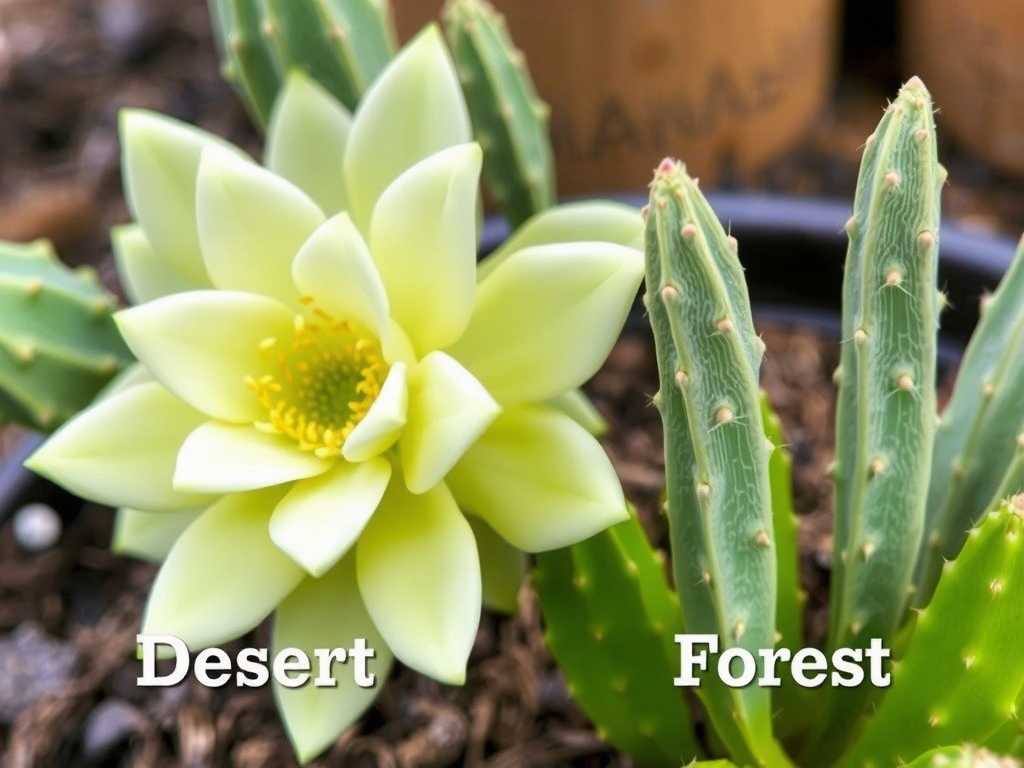
The Foundational Difference: Origin is Everything
Before you even look at a plant, understand its native habitat. This is the single most important factor.
- Desert Cacti: Evolved in arid, high-light environments like the Sonoran or Mojave deserts. Their entire biology is built for water storage and conservation.
- Forest Cacti (like Christmas or Easter Cactus): Evolved as epiphytes or lithophytes in the humid, dappled-light canopies of tropical or subtropical forests. They grow on trees or rocks, not in desert soil.
Knowing this explains every physical difference we’ll examine next.
Visual and Tactile Identification Keys
Forget memorizing hundreds of species names. Start by looking for these broad, tell-tale signs. I laid out my plants and applied these rules one by one.
1. Examining the Stems: Structure and Texture
This was my first "aha!" moment. The stems tell a clear story.
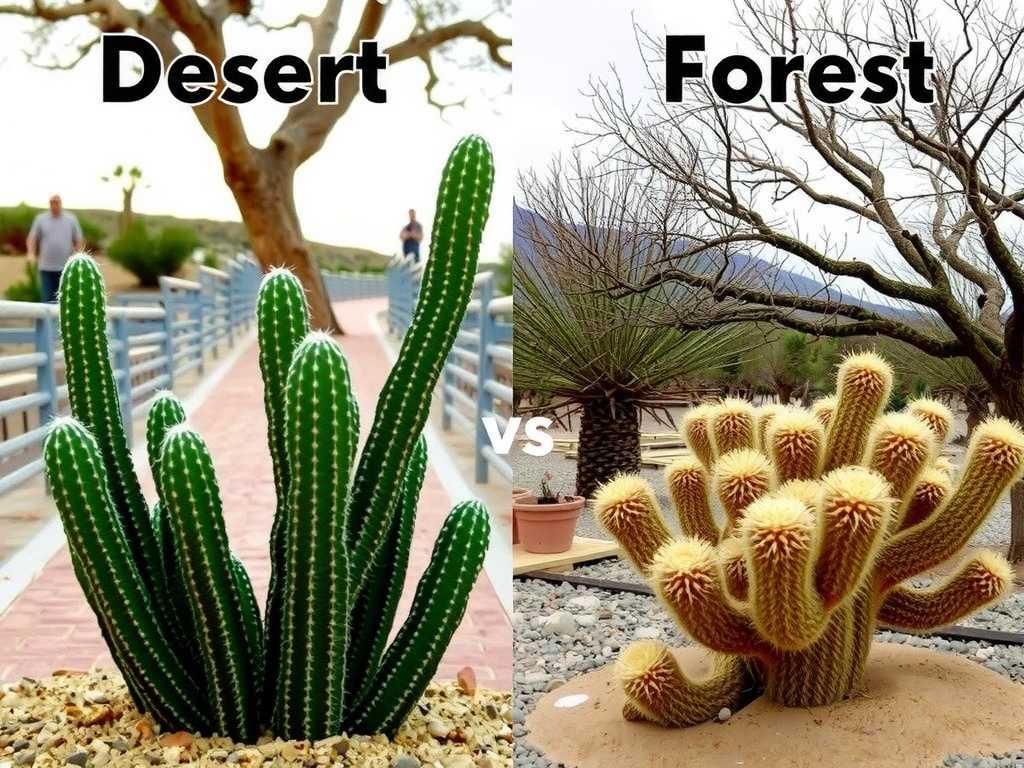
- Desert Cactus Identification typically reveals thick, fleshy, cylindrical, or columnar stems. They are designed to store water. When I ran my fingers over my Barrel Cactus and Saguaro, the skin felt firm, waxy, and tough. This thick cuticle prevents water loss. Many, like my Prickly Pear, also have pronounced ribs or tubercles that expand and contract like an accordion as they store or use water.
- Forest Cactus Identification, in contrast, often shows flat, leaf-like, segmented stems that hang or trail. My Christmas Cactus and Epiphyllum (Orchid Cactus) are perfect examples. Their stems are thinner, less succulent, and feel more flexible. They don't store vast amounts of water because their environment provides more consistent moisture and humidity.
2. Analyzing the Spines and Areoles
Here’s a critical, foolproof botanical rule from the CSSA: All true cacti have areoles. Areoles are those small, cushion-like bumps where spines, hairs, and flowers emerge. But the spines themselves are a major clue.
- Desert Cacti boast prominent, often formidable spines. On my Golden Barrel Cactus, they are long, sharp, and clearly defensive, protecting the precious water inside from animals. The spines also provide shade and help condense moisture from the air.
- Forest Cacti usually have small, hair-like, or even absent spines. The areoles on my Rhipsalis are barely noticeable, sometimes just featuring tiny, soft bristles. Since they aren't a primary target for thirsty desert animals, heavy armor isn't needed.
3. Observing Growth Habit and Overall Shape
Step back and look at the plant's form.
- Desert types often grow upright, spherical, or in dense, ground-hugging clusters to minimize surface area exposed to the searing sun. Think of the iconic Saguaro or the clustering Mammillaria.
- Forest types frequently exhibit a trailing or epiphytic growth habit. My Dog Tail Cactus (Selenicereus) and Christmas Cactus naturally spill over the edges of their pots, seeking to climb or hang as they would in a tree canopy.
The Critical Care Differences: Why Identification Matters
This is where my experiment turned into a rescue mission. Identifying them correctly immediately explained my past care mistakes.
Watering Regimen: The Biggest Pitfall
- Desert Cacti: I learned they need the "soak and dry" method. I now water my desert specimens deeply only when the soil is completely dry—sometimes waiting weeks between waterings, especially in winter. Overwatering was the root cause of my early losses.
- Forest Cacti: They prefer more frequent, moderate watering. I let the top inch of soil dry out for my Christmas Cactus, but I never let it go bone dry for extended periods. They also appreciate higher humidity, which I provide with a occasional light misting or a pebble tray.
Light and Soil Requirements
- Desert Cacti: They crave direct, bright light for most of the day. I moved my desert plants to my sunniest south-facing window. They also require a gritty, fast-draining cactus mix. I now make my own with plenty of perlite and coarse sand.
- Forest Cacti: They thrive in bright, indirect light. Direct afternoon sun can scorch their stems. My Epiphyllum happily lives in an east-facing window. They need a well-aerated but moisture-retentive mix; I use a standard potting soil amended with orchid bark and perlite, which mimics their natural tree-bound habitat.
Common Look-Alikes and How to Avoid Confusion
During my two-week study, I almost misidentified a few plants. The most common confusion is between certain succulents that aren't cacti (like some Euphorbias) and true desert cacti. Remember the areole rule: No areoles, not a cactus. I also initially mistook a young Opuntia (Prickly Pear, a desert cactus with flat pads) for a forest type. The key differentiator was its large, sharp spines emerging from distinct areoles—something no forest cactus possesses.
Frequently Asked Questions by Fellow Enthusiasts
Can a desert cactus survive in low light if I water it less? Unfortunately, no. Light and water needs are linked but independent. A desert cactus in low light will etiolate—become stretched, pale, and weak—as it searches for sun. Reducing water might prevent rot, but it won't stop the plant from becoming unhealthy and misshapen. They fundamentally require high light levels.
My Christmas Cactus (a forest type) isn’t blooming. What am I doing wrong? Forest cacti like Christmas and Easter cacti need a period of cooler temperatures and longer nights to trigger bud formation. About 6-8 weeks before you want blooms, try providing nights with 12-14 hours of uninterrupted darkness and temperatures around 50-60°F (10-15°C). Also, ensure it's not pot-bound and you're using a bloom-friendly fertilizer during the growing season.
I have a cactus with very long, trailing stems but it has sharp spines. Is it a desert or forest type? You might have a Jungle Cactus like a Selenicereus (Moonflower or Queen of the Night) or some Acanthocereus. These are technically desert cacti by family but have evolved a climbing or trailing habit in warmer, sometimes more humid climates. They often need a blend of care: more light and less water than a pure forest cactus, but more humidity and organic matter than a typical desert dweller. Check for pronounced areoles and spines as your primary clue.
The journey from confused collector to informed enthusiast has been incredibly rewarding. By spending just a couple of weeks focusing on stem shape, spine structure, and growth habit, you can confidently answer the question of how to tell desert from forest cactus. This knowledge transforms care from a chore into a conversation with the plant, as you provide an environment that mirrors its natural home. Start with the clues outlined here, consult trusted sources, and let your plants show you who they truly are. The right identification is the first, and most important, step toward a thriving, blooming cactus collection.





