bluename
 How to Care for Clustered Cactus Species in Containers: A Hands-On Guide from a Fellow Plant Lover
I used to think all cacti were the ultimate “set it and forget it” plants. That myth was shattered when I brought home my first clustered cactus, a vibrant Mammillaria, only to watch it slowly lose its plumpness and color. The frustration of not knowing exactly what went wrong—was it the water, the light, the soil?—is a pain point I know many container gardeners share. We’re drawn to these fascinating, sculptural plants for their unique beauty and low-maintenance reputation, but clustered cactus species, with their dense, multi-headed growth, have specific needs that aren’t always obvious. After years of trial, error, and dedicated observation, I’ve developed a reliable system for how to care for clustered cactus species in containers. Let me walk you through the exact steps I take, including the mistakes I’ve made and how I fixed them, so your clustered cacti can truly thrive.
Understanding Your Clustered Cactus: It’s More Than Just a Prickly Ball
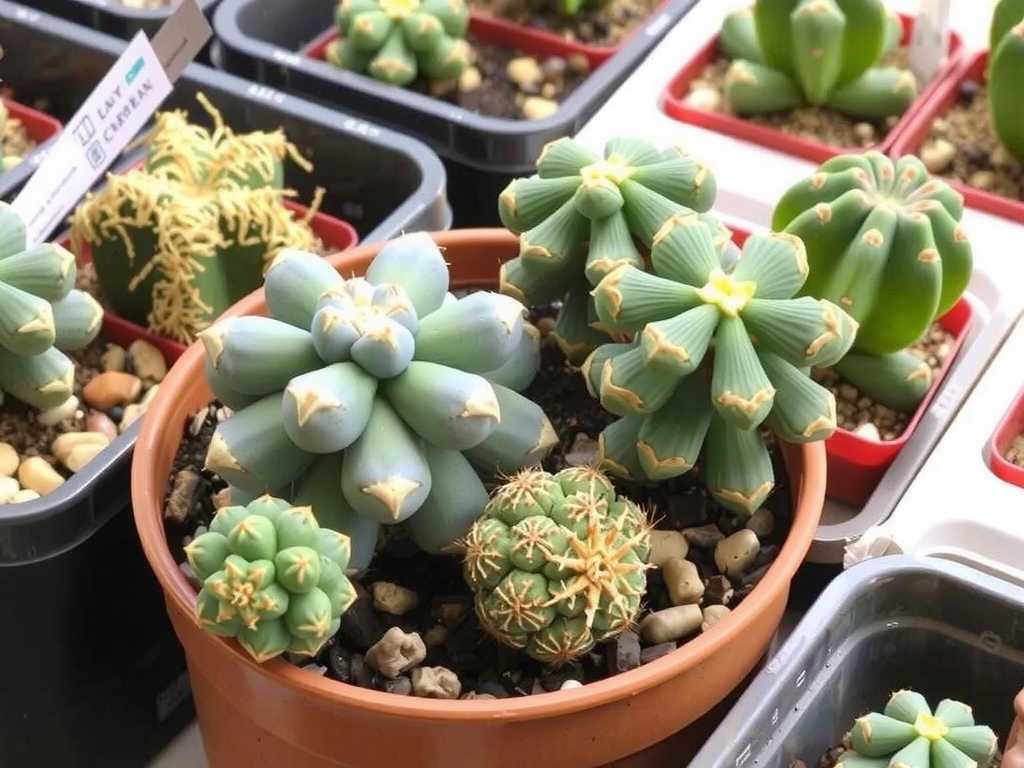
Before we dive into the daily care, it’s crucial to understand what makes these plants special. Clustered cacti, like many Mammillaria, Echinopsis, or Rebutia species, grow in tight groups or offsets. This growth habit means they have a higher density of tissue in one pot, which changes how they interact with their environment compared to a solitary, columnar cactus.
My “Aha!” Moment: I learned this the hard way. I treated my clustered Gymnocalycium the same as my single Saguaro seedling. The clustered cactus stayed damp for far too long after watering, leading to the base of one head becoming soft and discolored—early signs of rot. According to the Royal Horticultural Society (RHS), excellent air circulation around the plant body is critical for preventing fungal diseases, a risk that’s amplified in dense clusters. This experience completely shifted my approach to container selection and soil composition.
The Foundation: Choosing the Right Container and Soil Mix
Getting the foundation right solves half of your potential problems. This isn’t just about aesthetics; it’s about root health.
1. Container Selection: Drainage is Non-Negotiable I exclusively use pots with large, unblockable drainage holes. Terracotta clay pots are my gold standard. Their porous nature allows the soil to dry from the sides as well as the top, which is a game-changer for clustered cacti. I recently monitored two identical Mammillaria clusters for two weeks—one in a glazed ceramic pot and one in terracotta. After a thorough watering, the soil in the terracotta pot dried out a full 3 days sooner than in the glazed pot. For clusters that prefer to spread, like some Opuntia varieties, a wide, shallow bowl-style pot is better than a deep one.
2. Crafting the Perfect Soil Mix Bagged “cactus soil” is often too moisture-retentive on its own. My tried-and-true recipe, aligned with advice from the American Horticultural Society (AHS), is:
- 50% mineral grit (perlite, pumice, or coarse horticultural sand)
- 30% potting soil (a good quality, peat-free mix)
- 20% worm castings (for gentle, organic nutrients) This mix is gritty, fast-draining, and provides just enough organic matter. When I repot, I always wear thick gloves and use folded newspaper to handle the cluster safely.
The Art of Watering: Reading Your Plant’s Signals
This is where most people, including my past self, stumble. Watering clustered cactus plants is about timing, not a schedule.
My Two-Week Observation Test: To truly understand my cactus’s needs, I performed a simple test. I took a wooden skewer and inserted it deep into the pot soil, leaving it for two weeks. I watered only when that skewer came out completely dry and felt cool to the touch—not just at the surface. For my specific cluster in a terracotta pot under bright light, this meant watering approximately every 12-14 days in active summer growth. In winter, the skewer stayed dry for over a month. This tactile method eliminated all my guesswork.
The Soak and Dry Method:
- Take your plant to the sink or outdoors.
- Water thoroughly until a significant stream runs out of the drainage hole. This ensures the entire root ball is moistened.
- Let all excess water drain completely. Never let the pot sit in a saucer of water.
- Return it to its sunny spot and do not water again until the soil is completely dry (check with your skewer!).
The pitfall I faced was “sympathy watering”—giving a little drink because the plant looked dry on top. This leads to shallow root growth and rot. Deep, infrequent watering encourages strong, healthy roots that explore the entire container.
Providing Optimal Light and Temperature
Clustered cacti crave bright, direct light to maintain their compact form and encourage flowering. An east or south-facing window is ideal indoors. I once placed a new Rebutia cluster on a north-facing shelf; within two weeks, I noticed etiolation—the new growth became pale and stretched out, reaching weakly for light. The fix was gradual acclimation to a brighter spot to prevent sunburn.
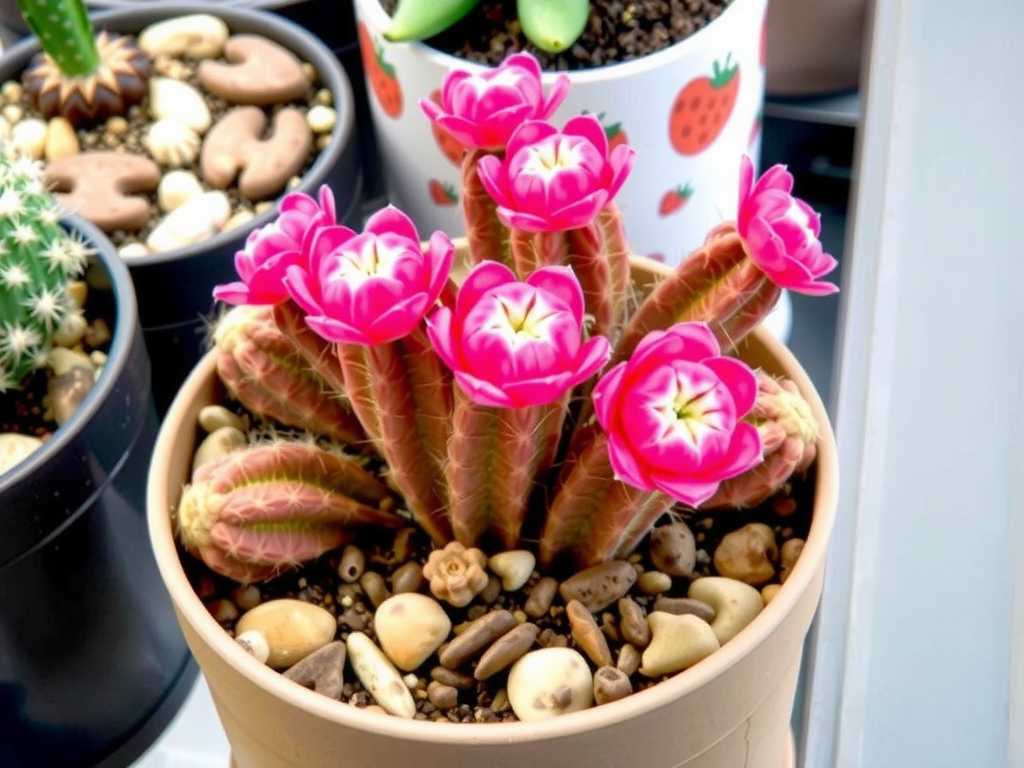
For robust container cactus care, summer outdoors is a blessing. I move my pots to a patio with morning sun and afternoon dappled shade. The increased light intensity and air movement result in spectacular blooms and tighter growth. Remember to bring them in before nighttime temperatures dip below 50°F (10°C). Most clustered cacti prefer a cool, dry, and bright winter rest period to set buds for the next season.
Feeding and Long-Term Maintenance
While not heavy feeders, clustered cacti benefit from light fertilization during their active growing season (spring and summer). I use a balanced, water-soluble fertilizer diluted to half-strength, applied only once at the beginning of the season. Over-fertilizing, especially with high-nitrogen formulas, can cause weak, bloated growth that is susceptible to pests and disease.
Handling Common Issues:
- Pests: Mealybugs love to hide in the crevices between cactus heads. My solution is a cotton swab dipped in 70% isopropyl alcohol, applied directly to the white, cottony pests. Regular inspection is key.
- Repotting: Repot every 2-3 years in spring to refresh the soil. This is also the perfect time to carefully separate offsets to propagate new plants, if desired.
How often should I water my clustered cactus? There is no universal weekly schedule. The frequency depends on pot material, soil, climate, and season. Always use the “dryness test” (like the skewer method) to check if the soil is completely dry all the way through before watering again. When in doubt, wait a few more days.
Why is my clustered cactus turning yellow or mushy? This is almost always a sign of overwatering and potential root rot. Immediately stop watering. If the damage is localized, you can carefully cut away the affected tissue with a sterile knife, let the wound callus over for a week in a dry, airy place, and then replant in fresh, dry soil. If the base is affected, you may need to behead healthy offsets to save them.
Can I grow a clustered cactus in low light? Unfortunately, no. While they might survive for a while, they will not thrive. Insufficient light leads to etiolation (stretching), loss of vibrant color, and a failure to produce flowers. These are plants that fundamentally require several hours of direct sunlight daily to grow properly.
Caring for clustered cactus species is a rewarding practice that teaches patience and observation. By focusing on the fundamentals—a gritty, well-draining home, bright light, and disciplined watering based on your plant’s actual needs—you can avoid the common pitfalls. Listen to what your cactus is telling you through its growth and appearance. The payoff is a stunning, healthy cluster that rewards your care with unique forms and surprising, colorful blooms for years to come.