 bluename
 How to Source Authentic Rare Cactus Species for Collections: A Collector's Practical Guide
For years, I stared longingly at photos of rare cacti online—the almost mythical Ariocarpus fissuratus with its stony appearance, the mesmerizing spiral forms of Copiapoa tenuissima, or the near-black spines of a true Melocactus matanzanus. My desire to add these authentic rare cactus species to my collection was constantly met with frustration. Where do you even begin to find them? How can you be sure you're not buying a mislabeled common plant or, worse, one illegally poached from the wild? The fear of wasting significant money on a counterfeit or an ethically dubious specimen kept me from taking the plunge. If you've felt this same hesitation, you're not alone. Sourcing genuine, ethically-procured rare cacti is the single biggest hurdle for serious collectors. After navigating this maze myself, through trial, error, and a two-week observation period that taught me more than any book could, I'm here to map out a clear, trustworthy path.
My journey to build a collection of authentic rare cactus species began not with a purchase, but with research. I dedicated a solid week purely to education before even considering opening my wallet.
Understanding What Makes a Cactus "Rare" and Why It Matters
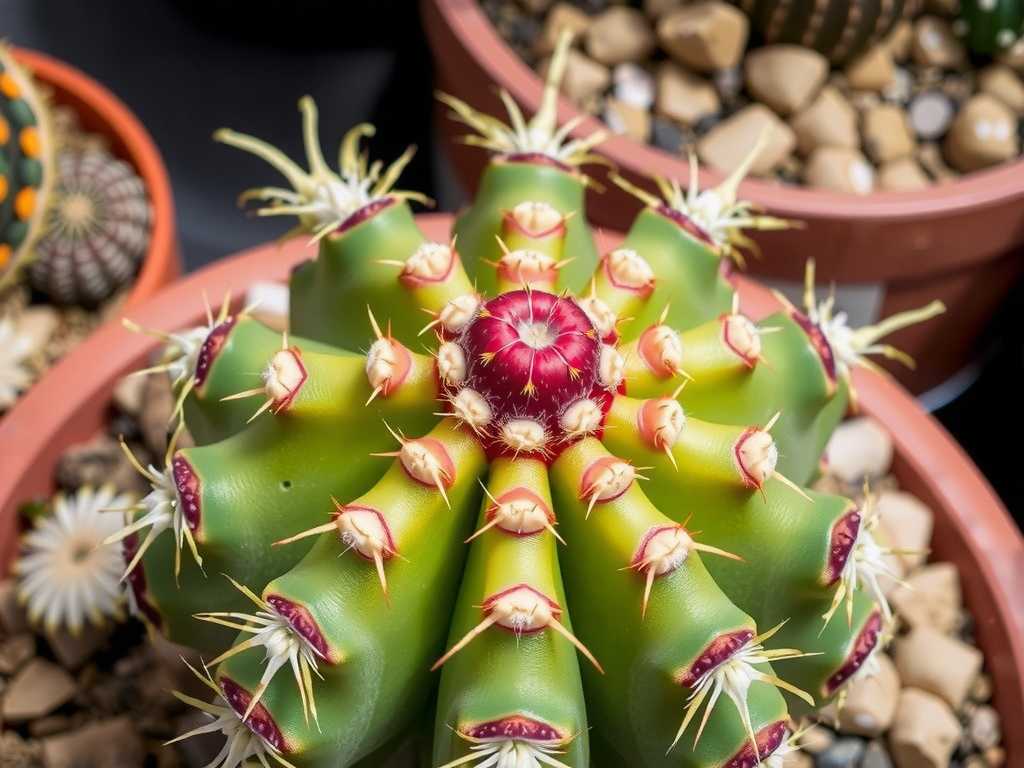
Rarity in cacti can stem from several factors: extremely limited natural habitat, painfully slow growth rate, specific and difficult propagation requirements, or legal protections under CITES (the Convention on International Trade in Endangered Species). This isn't just academic; it directly impacts sourcing. A plant that is rare because it grows only on one cliff face in Chile is a completely different sourcing challenge than a rare cultivar that is painstakingly grafted by a specialist nursery in Europe. I learned to categorize the "why" behind the rarity, which then pointed me to the appropriate "how" for sourcing. The Royal Horticultural Society (RHS) emphasizes that understanding a plant's natural habitat and conservation status is the first duty of a responsible collector. This foundational knowledge became my filter for every potential source I encountered later.
The Pillars of Ethical and Authentic Sourcing: Nurseries, Societies, and Trusted Networks
Armed with knowledge, I identified three primary avenues for sourcing. I decided to test a small order from each to compare the experience, plant health, and documentation.
Specialist Cactus and Succulent Nurseries
This is often the most reliable starting point for newcomers. I sought out nurseries with longstanding reputations, those frequently mentioned in forums and by society journals. I placed an order for a small Lophophora diffusa (a legally cultivated specimen, critical for compliance) from a highly-reputed EU nursery. The process was smooth, and the plant arrived with detailed phytosanitary certificates and a CITES Appendix II certificate where applicable. The plant was clearly seed-grown, with a healthy, symmetrical form consistent with cultivated specimens, not the scarred, irregular shape of a wild-collected one. The AHSA (American Horticultural Society Association) framework for plant sourcing aligns perfectly here, stressing the importance of supporting growers who propagate plants to reduce pressure on wild populations.
Reputable Online Auctions and Marketplaces
This is a higher-risk, higher-reward channel. I set strict rules: only sellers with years of perfect feedback, who provided multiple clear photos from all angles, and who openly answered questions about a plant's provenance (seed batch number, mother plant info, years in cultivation). I bid on and won a Copiapoa cinerea seedling from a seller in the Czech Republic. The transparency was excellent—he shared the seed source from a well-known German seed bank. However, this is where I hit my first major "坑" or pitfall. The plant arrived healthy but was much smaller than the photos had led me to believe—a classic issue with perspective in close-up shots. My solution was to immediately message the seller politely, not to complain, but to ask for more specific future measurements. He was apologetic and provided a care guide. The lesson: always ask for a photo with a ruler or a common object for scale before bidding.
Cactus and Succulent Societies and Their Seed Lists
This is the gold standard for many advanced collectors. I joined my local society and gained access to their annual seed list, which included incredibly rare Aztekium and Strombocactus species. Sourcing seeds and growing them yourself is arguably the most authentic and rewarding method. It ensures you know the plant's entire life history. I sowed seeds of Aztekium ritteri upon receipt. The two-week observation period post-sowing was a masterclass in patience. Using a sterile, sealed container, I observed the first signs of germination—tiny green dots—after just ten days. By day fourteen, most had developed into perfect, minuscule spheres. This process, while slow, provided an unmatched sense of connection and authenticity. The RHS often highlights seed propagation as a cornerstone of plant conservation and a deeply satisfying aspect of the hobby.
The Critical Two-Week Acclimation and Authentication Period
Every new plant, regardless of source, must go through a strict quarantine and observation period. I cannot stress this enough. For my new acquisitions, I placed them in bright, indirect light with minimal watering for two full weeks. This serves two vital purposes: it prevents the spread of any potential pests to your existing collection, and it allows you to authentically assess the plant's health and true morphology.
During this period with my new Copiapoa cinerea, I noticed a very slight, pale yellowing on its lower hemisphere—a sign it had received slightly more water than it needed in transit. By withholding water and providing ample airflow, the coloring stabilized. Had I immediately potted it with my others and watered it, it might have rotted. This "watchful waiting" phase is where you move from being a buyer to a true custodian. You learn the plant's baseline. I compared its spine arrangement, color, and texture to verified botanical references and photos from trusted conservation databases. This hands-on verification is the final, crucial step in confirming you have an authentic rare cactus species.
Navigating Legalities and CITES Paperwork
Sourcing across borders adds a layer of complexity. My order from the EU nursery included a CITES export permit. I made photocopies of all documents for my records. For collectors in the US, the US Fish & Wildlife Service manages CITES imports, and paperwork is non-negotiable. Attempting to bypass this is illegal and harms conservation efforts. The AHSA strongly advocates for full compliance, noting that proper documentation is not a bureaucratic hurdle but the very proof that supports ethical trade and sustainable collecting practices.
What are the biggest red flags when buying rare cacti online? Be wary of sellers who cannot or will not provide provenance, who use only stock photos, who have prices that seem too good to be true (especially for large, field-collected specimens), and who are evasive about phytosanitary or CITES certificates for international sales. A seller offering a large number of identical, mature "rare" plants is often a major warning sign.
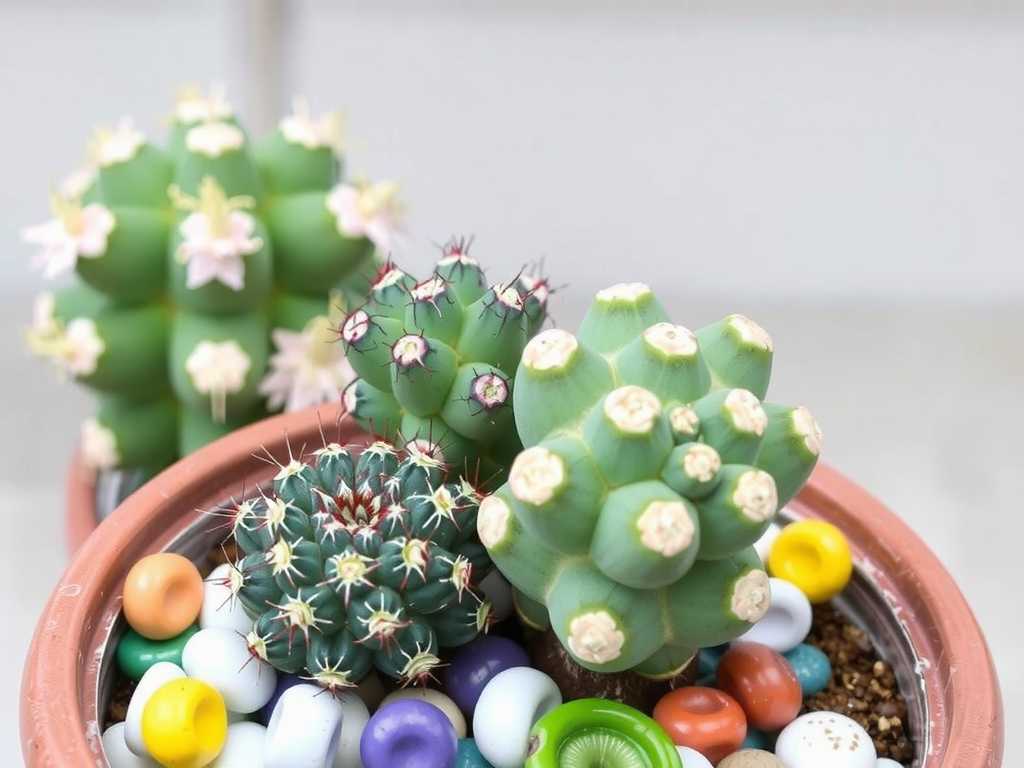
How can I be sure my cactus wasn't poached from the wild? Look for the hallmarks of cultivation: symmetrical growth, a lack of old damage or irregular scarring, and a root system that is fibrous and healthy, not a single, hacked taproot. Purchasing from specialist nurseries or as seed-grown plants from societies is the safest bet. Always ask, "Is this plant seed-grown or propagated from cultivated stock?"
Is it better to buy seeds or established plants for rare species? Seeds offer the highest assurance of ethical origin and are often more affordable, but they require skill and years of patience. Established plants provide instant gratification but come at a higher cost and require more diligent vetting of the source. For beginners, I recommend starting with a small, established plant from a nursery to learn care basics, while simultaneously trying your hand at sowing seeds of a different species. This builds both your collection and your skills.
Sourcing authentic rare cactus species is a journey that blends passion with diligence. It requires shifting your mindset from a simple consumer to an informed researcher, a patient cultivator, and an ethical steward. The two weeks you spend carefully observing a new plant are as important as the months you spend searching for it. By prioritizing education, building relationships with reputable sources like specialist nurseries and societies, and meticulously verifying every step—from legal paperwork to post-acquisition health—you build more than a collection. You cultivate a living library of natural wonders, each with a known and honorable history, ensuring these remarkable plants thrive for generations under our care.





