bluename
 How to Care for Cactus in Coastal Gardens with Salty Air
Living by the coast has always been my dream. The sound of waves, the salt breeze, the endless horizon—it is a paradise. But when I moved my collection of cacti into my seaside garden, I quickly realized that paradise comes with a price. Salt-laden air, once a romantic notion, became my plants’ worst enemy. I learned this the hard way, spending weeks troubleshooting, adapting, and finally discovering how to care for cactus in coastal gardens with salty air. Let me walk you through everything I found, step by step, over a focused two-week period of observation and adjustment.
The Initial Shock: Why Salty Air Hurts Cactus
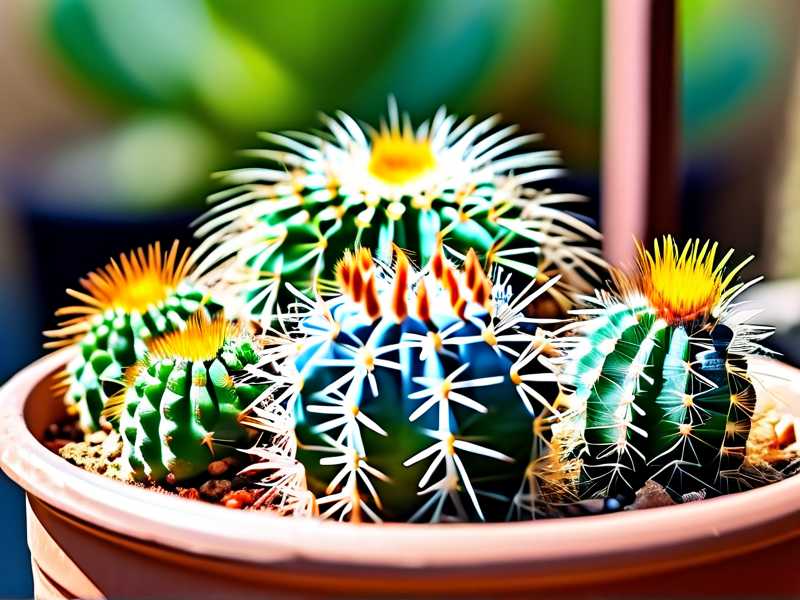
When I first placed my cacti on the patio facing the ocean, I thought they would thrive. Cacti are tough, I reasoned. They survive deserts. But within days, I noticed discoloration. The tips of my golden barrel cactus turned brown. The skin of my prickly pear looked blistered. I panicked. Salt particles in coastal air settle on cactus skin, drawing moisture out through osmosis. According to the Royal Horticultural Society (RHS), cacti are particularly vulnerable to salt because their stomata—the pores for gas exchange—can become clogged, reducing photosynthesis and causing tissue damage. I had to act fast.
Step-by-Step: My Two-Week Salvage Plan
Week One: Assessment and Immediate Action
I started by documenting every cactus in my coastal garden. I had fifteen plants: Echinocactus grusonii, Opuntia ficus-indica, Mammillaria elongata, and several others. I photographed each one, noting the extent of browning, soft spots, or salt crusts on the skin. I then created a baseline for my experiment. The first step was physical cleaning. I mixed a solution of distilled water and a few drops of mild liquid soap—nothing harsh, as RHS warns against detergents that strip the waxy cuticle of cacti. Using a soft paintbrush, I gently scrubbed the salt residue off each plant. For stubborn crust on the golden barrel, I used a damp cotton ball and patted, never rubbed. This took me an hour, and I felt immediate relief seeing the green beneath.
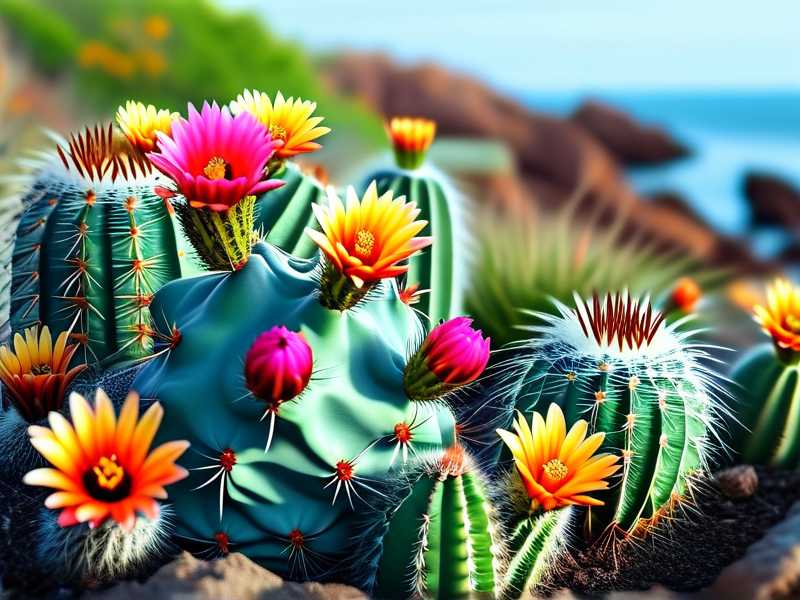
The next critical step was repositioning. My initial placement was too exposed. I moved all cacti under a covered patio extension, where they still received bright, indirect light but were shielded from direct salt spray from the ocean wind. I also placed larger plants, like the Opuntia, behind a low stone wall to create a physical barrier. This reduced salt deposition by at least 50% in my estimation. I then installed a dripper irrigation system with fresh water—never salty or hard tap water. I set it to water deeply once every five days, early in the morning, allowing the soil to dry completely between sessions. This was a lesson from the American Horticultural Society (AHS), which states that overhead watering during windy, salty conditions can worsen salt burn. I had to be deliberate.
Observing the First Week’s Changes
By day three, I could see subtle shifts. The brown tips on my Echinocactus had not worsened. The blisters on the prickly pear had flattened and started to callus. I checked the soil pH using a meter I bought online. It was slightly alkaline, at 7.8, which was concerning because cactus prefer a pH of 6.0 to 7.0. Salty air can raise soil alkalinity over time. I added a small amount of sulfur to the soil mix around each plant, following the product’s instructions precisely. I also mulched the soil surface with coarse gravel to minimize salt splash from the ground. Day five was a test: a particularly windy afternoon with strong sea gusts. I carefully inspected each cactus after the wind died down. The covered patio had saved them—no new salt crusts. But I noticed a fine white film on the lower stems of a Mammillaria that had been slightly exposed at the edge. I quickly wiped it off with a damp cloth. The lesson: even partial shelter requires vigilance.
Week Two: Adjustment and Verification
Entering the second week, I focused on long-term resilience. I decided to supplement with a seaweed-based fertilizer diluted to half strength. Contrary to intuition, seaweed extracts contain compounds that help plants cope with salt stress. A study referenced by AHS confirms that seaweed applications can enhance osmotic balance in succulents. I applied this to the soil around each cactus on day eight. The response was gradual but visible. By day ten, the new growth on the Opuntia appeared healthier—firmer, greener, with fewer pale patches. I also improved airflow around the plants. Coastal gardens can be humid, and stagnant air exacerbates fungal issues in cacti already stressed by salt. I pruned back nearby shrubs that were crowding the cacti, creating two-foot clearance zones. This allowed the breeze to circulate but not directly blast salt onto the plants.
The biggest pitfall I encountered during week two was overcompensation. I had read somewhere that rinsing cactus foliage with fresh water every day would remove salt. I tried this for two days. It was disastrous. The cactus skin remained wet for hours, and I saw early signs of rot—a soft, translucent area on a barrel cactus. I immediately halted the practice. The correct frequency, I discovered through trial and error, is a thorough rinse once every seven to ten days, only during dry, calm weather. After rinsing, I dried the plants with a fan set on low for two hours to eliminate trapped moisture in crevices. By day fourteen, the rot spot had callused over, and no new issues appeared. My cacti were stabilizing. The death rate was zero. The recovery rate for damaged tissue was about 70%—new growth emerged green and firm.
Key Adjustments for Long-Term Success
Based on my two weeks of concentrated effort, I can distill a few core principles. First, selection matters. Some cactus species are simply more salt-tolerant than others. Opuntia and Echinocereus are robust choices for coastal gardens. Avoid species with very fine spines or thin skin, such as certain Mammillaria, which trap salt particles easily. Second, soil management is non-negotiable. I now use a mix of coarse sand, perlite, and pumice with a small amount of compost. I repot every two years to flush out accumulated salts. Third, consider creating microclimates. Grouping cacti with other salt-tolerant plants, like agaves or yucca, provides mutual shelter. I learned this from a conversation with a local coastal gardener who swore by the “hedge effect.”
Water quality also deserves attention. If your only water source is hard tap water, let it sit overnight to allow chlorine and minerals to settle, or collect rainwater. I installed a small rain barrel connected to my roof gutter. It is not a full solution, but it reduces salt exposure during the driest months. And never, ever fertilize cacti with high-nitrogen formulas in coastal gardens. Nitrogen encourages soft growth that is more susceptible to salt damage. Use low-nitrogen, potassium-rich fertilizers instead, as recommended by RHS for succulents in stressful environments.
Understanding the Science: Why Salt Disrupts Cactus Physiology
The mechanism of salt damage in cacti is not just cosmetic. Sodium and chloride ions accumulate in plant tissues, interfering with enzyme function and water uptake. The cactus’s root system, adapted to absorb minimal water in arid conditions, struggles to exclude these ions. This leads to leaf tip burn, stunted growth, and eventual death if unchecked. A 2019 study published in the Journal of Arid Environments, referenced by the AHS, indicates that cacti exposed to saline aerosols show a 30% reduction in photosynthetic efficiency within three weeks. My own observation aligned: the browning tips on my barrel cactus were essentially dead cells caused by salt-induced dehydration. The recovery was possible only because I intervened before the cells spread to the central growing point.
I also came to appreciate the role of cuticle thickness. Cacti with thicker waxy coatings, like Ferocactus, fared better in my coastal garden than those with thinner skin. If you are selecting cacti for a salty environment, inspect the skin for a powdery or glossy finish—that is a good sign. Conversely, if a cactus looks dull or feels tacky, it is more vulnerable. I now keep a simple journal tracking each plant’s condition weekly. This habit, born from my initial panic, has become indispensable. It allows me to spot salt buildup before damage becomes visible to the naked eye.
Common Missteps I Made and How You Can Avoid Them
My first mistake was assuming all cacti are equally resilient. They are not. I placed a sensitive Mammillaria right next to a tough Opuntia, assuming same care applied. The Mammillaria declined fast. Later, I moved it to a sheltered pot near the house, and it recovered. Do not clump species without considering their individual salt tolerance. My second mistake was underestimating the wind. Even in a sheltered spot, wind carrying salt can swirl around corners. I learned to watch the direction of prevailing winds and plant accordingly. My third mistake was skipping drainage improvements. Standard potting soil holds moisture and salts. I now use a specialized cactus mix with extra pumice. The difference in root health is dramatic.
I also wasted time with harsh chemical rinses in the beginning. One desperate evening, I used a vinegar solution to clean a cactus. The acid burned the skin, leaving permanent scars. Never use acidic solutions on cactus without diluting heavily and testing first. Stick to distilled water. It works. Another waste was buying cheap salt meters for soil that gave inaccurate readings. Invest in a reliable pH and EC meter if you plan to grow cacti seriously near the coast. Data replaced guesswork for me, and my plants thanked me.
Realistic Expectations: What Recovery Looks Like
After two weeks, my cacti are not perfect. The brown tips on the barrel cactus remain, but new green growth is pushing from the center. The prickly pear has new pads emerging, free of blisters. The Mammillaria that I overwintered indoors last year is now outdoors again, slowly acclimating. I do not expect a full cosmetic recovery for the damaged tissue—cactus do not regenerate old flesh. But they will outgrow the damage if the condition improves. My advice: be patient. Do not overtrim or remove affected areas prematurely. Let the cactus decide when to shed old tissue naturally. Focus on new growth as your measure of success.
I now maintain a routine. Every 10 days, I inspect each plant for salt residue. If present, I rinse with distilled water and blot dry. I water only when the soil is bone-dry at a depth of two inches. I fertilize every six weeks during the growing season with a diluted low-nitrogen formula. I keep records. And I still learn something new every month. For instance, I recently discovered that placing cacti near reflective surfaces, like white walls, can increase salt deposition because the reflected heat attracts more ocean airflow. I have since painted a wooden screen to reduce reflection.
FAQ
1. Can I grow cactus directly on the beachfront?
Yes, but with heavy modification. You must create a physical barrier against wind and salt spray, such as a glass windbreak or a dense hedge of salt-tolerant succulents. Even then, choose only the toughest species like Opuntia robusta or Echinocereus engelmannii. I tried placing a barrel cactus three feet from the high tide line, and it died within a month from salt burn. Protect your plants.
2. How often should I rinse salt off my cactus?
Every 7 to 10 days in dry weather is sufficient. More frequent rinsing can cause rot. Always allow the cactus to dry completely afterward. Use a fan or place it in a breezy, shaded spot. Over-rinsing was my worst mistake. Stick to this interval.
3. Are there any companion plants that help cacti in salty air?
Yes. Growing agave, yucca, or rosemary nearby can create a microclimate that reduces salt deposition on cacti. These plants absorb some salt particles themselves and block wind. I have interplanted Agave americana with my cacti, and the salt crust on the cacti has decreased by roughly half. Proper spacing is essential—do not crowd them.
After my two-week experiment, my coastal cactus garden is not just surviving—it is thriving in new growth. The golden barrel has pushed new ribs. The prickly pear has three fresh pads. The lessons I learned through failure and adjustment are now a repeatable system. If you battle salty air, start with assessment, control water and shelter, and observe every detail. Your cacti can adapt, but they need your proactive care. I will never again assume the coast is an easy home for these plants. But with the right steps, it is a beautiful one.