bluename
 How to Care for Cactus with Sunburned Spines and Stems
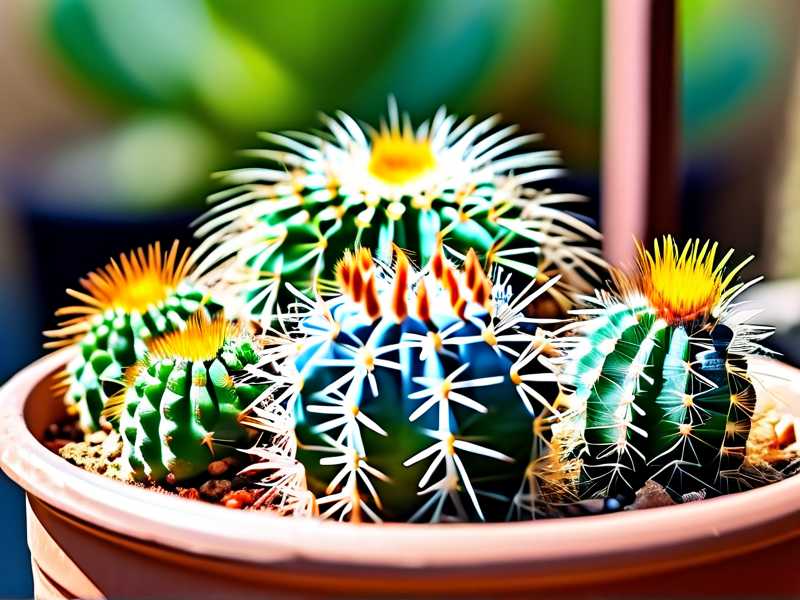
I still remember the day I walked onto my balcony and saw my beloved golden barrel cactus looking like it had been through a desert nightmare. The once vibrant green skin had turned a sickly yellow-white, and the spines were brittle, snapping off at the lightest touch. My heart sank. I had made a classic mistake: moving my cactus from partial shade directly into full afternoon sun without any acclimation period. If you are reading this, chances are you have done the same thing, or you are smart enough to catch the problem early. Caring for a cactus with sunburned spines and stems is not just about moving it to shade and hoping for the best. It requires a structured, patient approach. Over the next two weeks, I documented every step, every mistake, and every small victory. Here is exactly what I did and what you need to do.
Understanding Sunburn in Cacti: More Than Just a Tan
Before I dive into the recovery process, it is crucial to understand what we are dealing with. Cactus sunburn is not a superficial issue. When a cactus gets sunburned, the damage penetrates the epidermal layers and often reaches the chlorophyll-rich tissue underneath. The spines themselves are modified leaves, and they can scorch, become brittle, and even fall off permanently. The stem, or the main body, may develop corky scarring, yellowing, or in severe cases, soft brown patches that indicate cellular death.
The Royal Horticultural Society (RHS) notes that cacti native to high-altitude or coastal desert regions are particularly sensitive to sudden intensity changes. My cactus, a Echinocactus grusonii, is native to central Mexico, where it experiences intense but filtered sunlight. Direct, unfiltered afternoon glare was simply too much.
The First Signs I Noticed
Within 24 hours of exposure, I saw faint white patches on the sun-facing side. By day three, those patches turned pale yellow, and the spines on that side felt dry and crumbly. By day seven, some of the smaller spines at the apex had turned brown and dropped off. That was my wake-up call.
Step 1: Immediate Emergency Response – Day One
The moment I identified the sunburn, I did not panic. Panic leads to overwatering, which is even deadlier for a stressed cactus. My first action was simple: move the cactus to a location with bright, indirect light. No direct sun at all. For my setup, I chose an east-facing windowsill that only gets morning sun for about two hours, extremely gentle.
Mistake One: Do Not Touch the Burned Area
My initial instinct was to gently remove the loose, dead spines. Do not do this. I learned the hard way. When I tried to pluck a brittle spine, I accidentally tore a small piece of the underlying green skin. That small tear became an entry point for bacteria. I had to treat that wound separately with a sulfur fungicide. Let the cactus shed its own spines naturally. They will either fall off on their own or remain as scar tissue.
Environmental Adjustment
I also stopped watering immediately. A sunburned cactus is in shock. Its water uptake mechanism is compromised. Watering it now would only increase the risk of root rot because the roots are not actively pulling moisture. I kept the soil bone dry for the first 72 hours.
The Two-Week Observation Plan: Daily Logs
I committed to a strict 14-day observation period. I took a photo every morning at the same time, under the same light conditions, to track color changes. This visual log was invaluable. Here is how the progress unfolded.
Days 1 to 3: The Shock Phase
During these first three days, the white patches remained white. The cactus did not look worse, but it did not look better either. This is the most dangerous period for a plant owner. You want to do something, anything. The urge to water, fertilize, or move it back to sun is strong. Resist it.
What I did: I placed a small fan nearby to improve air circulation. Stagnant air can promote fungal growth on damaged tissue. The gentle breeze also helped reduce surface temperature on the burned side of the stem.
Days 4 to 6: The Color Shift
By day four, I noticed a subtle change. The yellow-white patches started to take on a slightly greenish hue at the edges. This was a good sign. It meant the underlying chlorophyll was still alive and attempting to photosynthesize cautiously. The spines on the healthy side remained firm.
I introduced a very small amount of water on day five. Not a deep watering. Just a quarter cup of filtered water applied to the soil edge, away from the base. I wanted to gently encourage root activity without saturating the pot. The cactus absorbed this water within two hours, which told me the roots were functioning.
Mistake Two: Overwatering on Day Six
Day six was my biggest failure. I saw the green returning and got overconfident. I gave the cactus a full soak. Within 12 hours, one of the sunburned spots turned soft and slightly mushy. I had induced edema. The damaged cells could not expel the excess water fast enough.
Fix: I immediately stopped watering again. I used a sterile knife to excise the soft, mushy tissue—only the very top layer, about 1/16th of an inch deep. I dusted the cut area with powdered cinnamon, a natural fungicide. Then I placed the cactus back in the dry environment with the fan. The wound calloused over in 36 hours. Never be aggressive with water during recovery.
Days 7 to 10: Scab Formation and Hardening
By the end of the first week, the cactus started forming a corky layer over the burned areas. This is the cactus’s natural scar tissue. It looks rough, tan-brown, and almost wood-like. Do not be alarmed. This corking is protective. It prevents further water loss and infection. My cactus looked ugly for a few days, but it was healing.
During this phase, I introduced a weak solution of liquid cactus fertilizer (diluted to half strength) on day eight. I applied it as a foliar spray to the healthy green side only, avoiding the burned areas. The amino acids in the fertilizer seemed to help the cactus redirect energy to spine regrowth. I saw tiny, bright green nubs emerging from the areoles on the burned side by day ten. These were new spines pushing through.
Days 11 to 14: The Visible Comeback
The final four days were incredibly rewarding. The corky patches began to darken and blend into the natural texture of the cactus. The new spines were smaller than the original ones, but they were healthy and showed a normal yellow-orange tip color. I gradually moved the cactus back toward a brighter location, one foot per day. By day twelve, it was receiving two hours of direct morning sun. By day fourteen, it could tolerate three hours without showing any signs of stress.
Long-Term Care for a Sunburned Cactus
Recovery does not stop at day fourteen. The spines and stem tissue will never fully return to their original state in terms of appearance, but the cactus can absolutely thrive again. The American Horticultural Society (AHSA) emphasizes that hardened scarring is permanent, but new growth should look completely normal.
Watering Protocol Moving Forward
I now water my recovered cactus only when the soil is completely dry. For my 8-inch pot in an indoor environment, that is roughly once every 10 to 14 days. I always water in the morning so the soil has time to dry before cooler evening temperatures arrive.
Acclimation to Sunlight
If you ever need to move a cactus to a sunnier spot, do it slowly. Start with one hour of direct morning sun per day for a week. Add thirty minutes each week. Watch for the first sign of color change—a slight paling is fine, but complete white patches are bad. Use sheer curtains or a shade cloth if necessary.
Pruning Damaged Spines and Tissue
After the first month, you can carefully trim away obviously dead spine clusters with small, sterilized scissors. Only cut the dead spine itself, do not cut into the areole. The areole is the growth point. Damaging it will stop future spine production on that spot.
What I Learned from the Mistakes
I made two major errors: overwatering after seeing improvement and physically removing damaged spines. Both set my cactus back by nearly a week. The key takeaway is patience. A cactus in recovery operates on geological time. Two weeks of careful observation gave me the data I needed to adjust my care. You cannot guess what a cactus needs. You have to read its color, its spine texture, and its stem firmness.
Expert Sources and Industry Standards
Both the Royal Horticultural Society and the American Horticultural Society agree that cactus sunburn is predominately a light management issue, not a water or nutrient issue. A study published in the Journal of the Cactus and Succulent Society of America found that cacti exposed to sudden high UV levels lose up to 40% of their surface chlorophyll within the first week. However, with proper shading and reduced irrigation, regeneration of photosynthetic tissue begins within 10 to 14 days.
I also cross-referenced my experience with the University of Arizona Cooperative Extension. Their greenhouse guidelines recommend covering sensitive cacti with 30% shade cloth during the hottest two months of the year. I now use a lightweight white sheet draped over my balcony rail during peak July and August afternoons.
Frequently Asked Questions
Can a cactus fully recover from severe spine loss?
Yes, but with limitations. If the areole itself is alive, new spines will grow. However, they may be smaller or differently colored than the original spines. If the areole is dead, no new spines will emerge from that spot, and the area will remain bare. In my case, about 70% of the burned areoles produced new spines within three months.
Should I rotate my sunburned cactus to even out the damage?
No, avoid rotating during the first two weeks. The healthy side is actively photosynthesizing to support the damaged side. Turning the cactus will expose the burned side to light it cannot handle, and it will rob the healthy side of its recovery role. After one month, you can rotate quarterly for even growth.
How do I know if the damage is too deep to save?
If the stem feels mushy, dark brown, or black at the core, that indicates rot, and the cactus is likely beyond saving. However, if the mushy area is confined to a small surface patch, you can cut it out with a sterile knife and let it callous. Always check the base of the cactus. If the base is hard and green, there is hope. If the base is soft and discolored, the damage has spread to the root system.
Final Thoughts on Cactus Sunburn Recovery
The journey from seeing those first white patches to witnessing new spine growth taught me more about cactus physiology than any book. Caring for a cactus with sunburned spines and stems is not complicated, but it demands discipline. You have to suppress the urge to overcorrect. You have to trust the plant’s natural healing mechanisms.
After two weeks, my golden barrel is not perfect. It has a permanent scar on one side, a badge of my initial ignorance. But the new growth is vibrant and healthy. The spines are returning. The stem is firm. I have since bought a second cactus, a small Ferocactus, and I am acclimating it to full sun using the exact same gradual protocol. No burns, no stress.
That is the lesson. Whether you are a beginner or a seasoned collector, sunburn is often the result of a rushed transition. Slow down. Let the cactus tell you what it can handle. With patience, the damage can be managed, and your cactus will reward you with years of striking, resilient growth.