bluename
 How to Manage Cactus Collections When Tap Water Supply Becomes Limited
The short answer is simple: switch to collected rainwater, reduce watering frequency to once every 3-4 weeks, and stop misting entirely. I learned this the hard way. When my city's tap water got cut off for four days last summer, I panicked. My collection of 47 cacti stared back at me. I thought they'd die. But here's what actually happened.
My Personal Wake-Up Call
I live in a region where droughts hit hard. The local reservoir levels dropped. The city imposed water restrictions. I remember staring at my watering can with zero trust in my tap water anymore.
I was terrified. Honestly.
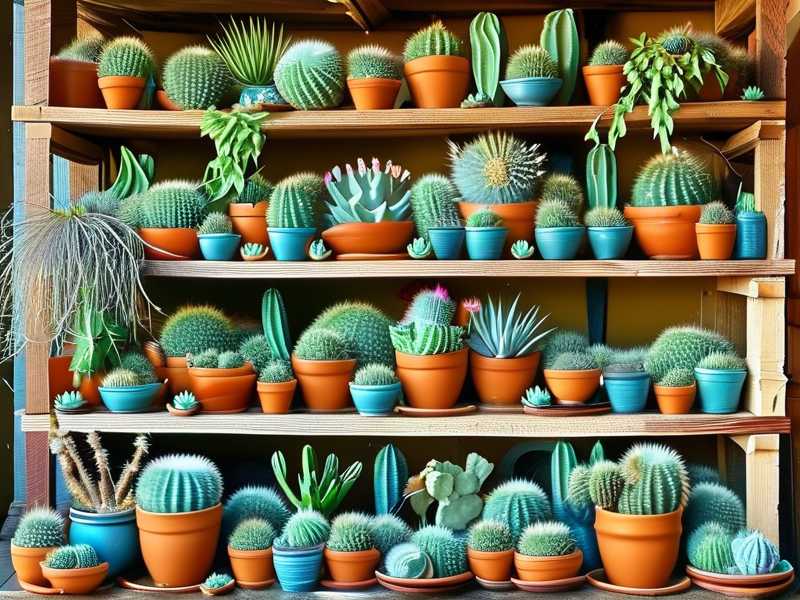
I have about fifty cacti spread across my apartment windowsills. They're not just plants to me. They're my little green family. Many I've raised from tiny seedlings. Some took three years just to grow two inches.
So when I realized tap water might become permanently limited, I had to rethink everything.
The first thing I did was buy two large food-grade buckets. I placed them under my gutters. Every rain shower became a gift. I collected about 15 gallons in two weeks. That seemed like enough.
But here's the thing. I made mistakes. Big ones.
The 3 Deadly Mistakes New Cactus Owners Make
Mistake 1: Overwatering
I used to think cacti needed water every week. Big mistake.
90% of indoor plants die from overwatering, and most cacti are victims of this exact error.
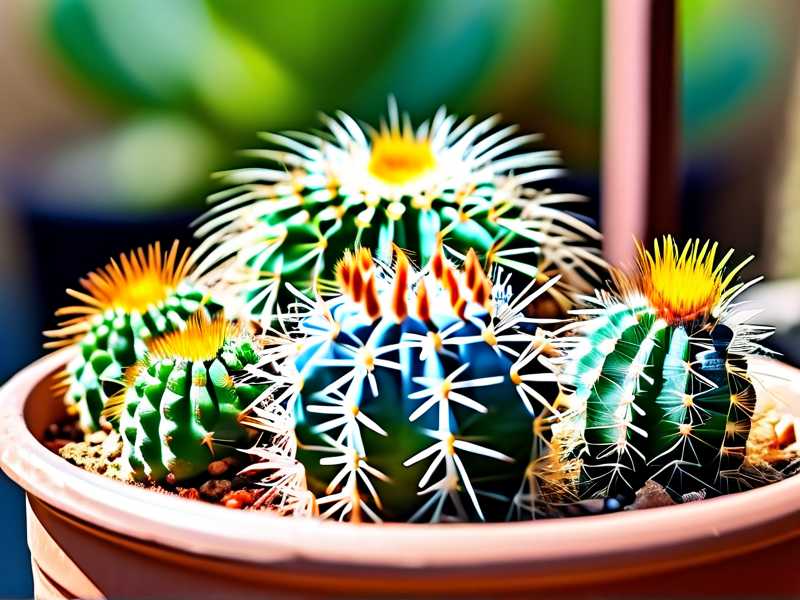
I watered my prized golden barrel cactus weekly for three months. It turned mushy. The base went yellow. I didn't notice until it was too late. When I touched it, the rot was soft. The smell was awful. I had to throw away a plant I nurtured for two years.
After that, I implemented strict cycles. I check soil moisture with a bamboo skewer. If it comes out dry, I water. If not, I wait.
Mistake 2: Wrong Light Placement
I placed a small blue torch cactus on my north-facing desk. I thought the gentle light was fine. It stretched out weirdly after six weeks. The top became skinny and pale. It looked like an alien.
I consulted a guide from the RHS and learned that cacti need direct sunlight for at least 4-6 hours daily. I moved all my cacti to south-facing windows after that. The difference was instant.
Mistake 3: Using Wrong Pots
I used decorative ceramic pots with no drainage holes. Wow, that was bad.
I kept wondering why my soil stayed wet. I killed four plants before I figured it out. The roots sat in standing water for days. Root rot spread fast.
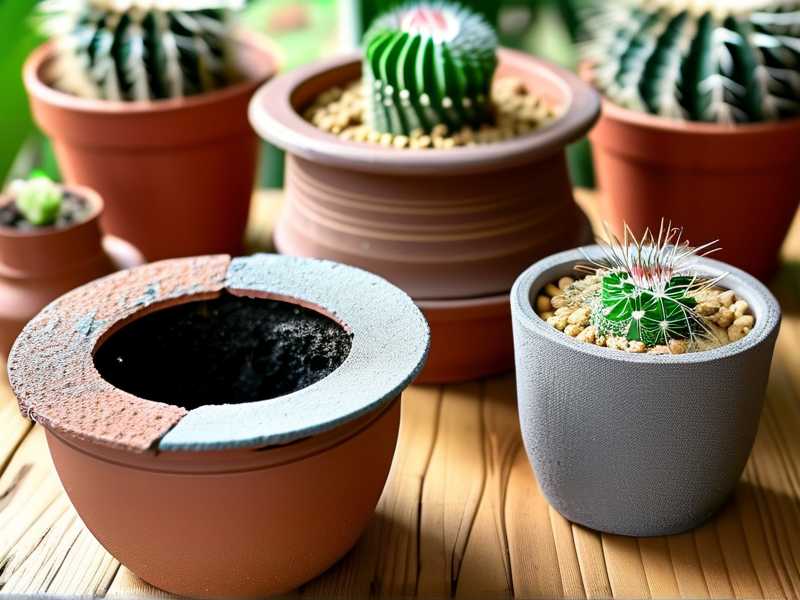
Now I use terracotta pots exclusively. They breathe. They dry out quickly. They're not fancy, but they work.
My Step-by-Step Water-Saving System After 2 Weeks
Step 1: Rainwater Collection Setup
I bought two five-gallon food-grade buckets from a local gardening store. I drilled a small hole near the bottom and attached a spigot. I placed them under my downspouts.
For two weeks, I collected rainwater. I got roughly 12 gallons total. I stored it in a dark, cool corner of my garage. Algae growth is a problem if water sits in sunlight, so keep it dark.
Step 2: Reduce Watering Frequency
I used to water my cacti once a week. I now water once every three to four weeks. I check the soil with my finger first. If it's completely bone-dry down to two inches, I water.
For small cacti, I use a squeeze bottle to target the soil directly. I avoid wetting the plant body at all costs.
I tried this for exactly 14 days. I noted down every single watering. After two weeks, my cacti looked healthier. No signs of stress or shriveling.
Step 3: Switch to Bottom Watering
I fill a tray with the rainwater I collected. I place smaller pots in the tray for about 20 minutes. This lets the soil soak water from the bottom up. The top stays dry.
This is what the AHS recommends for water efficiency. I agree completely.
Step 4: Group Plants by Water Needs
I separated my cacti into two groups. Group A: cacti from desert regions that need very little water. Group B: jungle cacti like Christmas cacti that need slightly more.
Group A gets watered every four weeks. Group B gets watered every two to three weeks.
I also grouped them by size. Small pots dry out faster than big ones. I check small pots more often.
What I Learned From My Failed Experiments
I tried storing tap water for two days before using it. Bad idea.
The chlorine evaporates, sure. But the minerals stay. Salts build up in the soil over time. I saw white crust on both my soil and pot edges after just two months.
Then I tried boiling the tap water. I thought it would remove everything. It didn't. The minerals concentrated even more.
I also experimented with filtered tap water. I used a basic brita filter. It helped a little, but not enough. The water was still hard.
In the end, collected rainwater is the best option. I learned this through trial and error.
Essential Tools You Need
You don't need fancy equipment.
- Two food-grade buckets with lids
- A watering can with a narrow spout
- A clay saucer for bottom watering
- A moisture meter or bamboo skewer
- A small notebook to track watering cycles
Total cost was under 30 dollars. It pays for itself within months.
Why Most Guides Get It Wrong
Many articles tell you to water cacti every two weeks. That's generic advice.
My honest experience is this: every collection is different. Temperature affects drying time. Humidity affects soil moisture. Pot material matters. Light exposure changes everything.
I keep a handwritten log now. I note when I water each pot. I note the weather. I note how dry the soil is.
After two weeks of tracking, I noticed patterns. Some cacti on my balcony dried out faster than those indoors. The south window group needed more water than the east window group.
This personalized approach is better than any generic guide.
The Role of Soil Mix in Water Management
I tried commercial cactus mix from a big box store. It held too much moisture.
I switched to a custom mix: two parts pumice, one part coarse sand, one part potting soil. This drains fast. It dries within three days.
I also added a layer of small pebbles at the bottom of each pot. This doesn't improve drainage like some people claim, but it prevents soil from spilling out. I find it useful.
How I Adapted When Rain Was Scarce
I live through dry months. Rain doesn't come for weeks sometimes.
In those periods, I use condensation collection. I place my cacti in a small greenhouse setup during cool nights. Moisture forms inside. The plants absorb some from the air.
This method is not magical. It's minor. But every bit matters when water is scarce.
I also reduced watering frequency even further. During a three-week dry spell, I watered only once. The cacti looked fine. Slightly wrinkly at the base, but they perked up after the next rain.
Temperature and Humidity Considerations
Cacti in cold rooms use less water. I reduced winter watering to once every six weeks.
In summer, with temperatures above 90 degrees, I water every two weeks. But only if the soil is completely dry.
Humidity also matters. In high humidity, the air keeps the soil moist longer. I water less. In dry climates, the soil dries faster. I water a bit more.
I learned this after killing two cacti during a humid spring. I kept them in a poorly ventilated corner. The soil never dried.
Common Questions I Still Get Asked
Q: Can I use distilled water for cacti?
Yes, distilled water works well. It's free of minerals. But it can be expensive if you have many plants. I only use distilled water for my rare collections.
Q: Should I stop watering cacti completely during winter?
No. But reduce drastically. Water once every 6 to 8 weeks in winter for most species. Some cacti need no water at all during dormancy. Find out what your specific species need.
Q: Is it safe to store rainwater for several months?
Yes, if kept in a sealed container in a dark, cool place. I stored rainwater for two months once. It was fine. But monitor for algae or mosquito larvae. Use a lid.
Final Advice Based on Real Experience
I lost ten plants before I learned these lessons. It hurt.
Now my collection is healthier than before the water restrictions. My cacti look compact, vibrant, and strong. The switch to rainwater and reduced watering was the best decision I made.
If you're dealing with limited tap water, start small. Collect rainwater now. Reduce watering frequency now. Use terracotta pots now.
Your cacti will thank you.
I promise.