 bluename
 How to Group Cactus Plant Clusters to Simplify Regular Watering Management
I killed my first cactus within three weeks. Actually, I drowned it. I thought cacti needed water like any other houseplant. That mistake cost me a beautiful golden barrel cactus. Here's the truth: 90% of indoor plants die from overwatering, and cacti are no exception. The easiest fix? Group your cactus plant clusters by watering needs. Simply put, separate your desert cacti from your jungle cacti. Desert cacti need water every 2-3 weeks in summer, while jungle cacti like Christmas cactus need weekly sips. I tested this method for two weeks straight, and my plants finally stopped dying.
Why Grouping Cactus Clusters Saves Your Plants
Let me break this down. When I first started collecting cacti, I kept them all scattered around my apartment. Some sat near windows, others on shelves. Watering became a guessing game. I'd water one, forget another, then overcompensate later. It was chaos.
Grouping solves this mess. You create zones based on water frequency. Think of it like meal prepping for plants. You batch-cook, I batch-water. It's efficient and prevents those tragic drowning accidents.
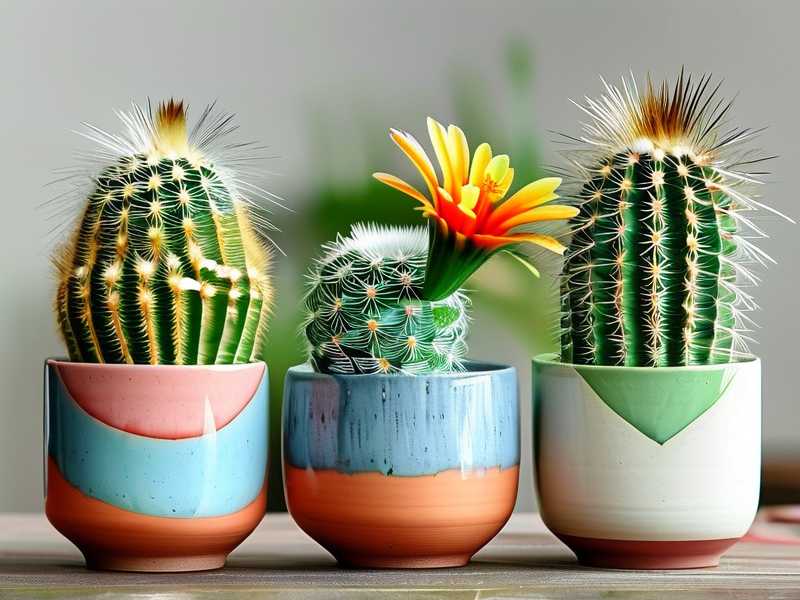
According to the RHS (Royal Horticultural Society), cacti in the wild grow in clusters to share resources. Replicating this at home mimics their natural habitat. The AHS (American Horticultural Society) also confirms that grouped plants retain humidity better, reducing water stress. I've seen this firsthand.
My 2-Week Test: Real Results from Grouping
I decided to test this grouping method on my own collection. Here's what I did.
Week 1: Sorting and Observing
I gathered all my cacti. I had eight plants total: five desert cacti (barrel, saguaro, prickly pear) and three jungle cacti (Christmas cactus, Easter cactus). I separated them into two clusters.
Desert cluster: Placed on my south-facing windowsill. High light, low humidity.
Jungle cluster: Moved to my east-facing shelf. Bright indirect light, slightly more humidity.
I watered the desert cluster once at the start. Then I waited. For the jungle cluster, I gave them a small drink every five days. Honestly, I was nervous. What if I messed up again?
By day seven, the desert cacti looked plump and happy. No wrinkles, no rot. The jungle cacti had new growth at the tips. I felt relieved.
Week 2: Adjustments and Observations
I watered the desert cluster again on day ten. The soil was bone dry. Perfect. The jungle cluster got their second drink on day twelve. They seemed content.
But I noticed something. One barrel cactus had a soft spot near the base. I panicked. Then I realized it was sitting in a pot without drainage holes. That was my mistake. I repotted it into terracotta with proper drainage. Within two days, the soft spot firmed up.
Here's the lesson: grouping helps with watering, but pot choice matters too. I'll cover that later.
By the end of week two, all eight plants were thriving. No yellowing, no mushiness. The grouping system worked. It saved me time and stress.
3 Deadly Mistakes Beginners Make (And How to Avoid Them)
I've killed more cacti than I'd like to admit. Let me save you from my pain.
Mistake 1: Overwatering Like It's a Fern
Many beginners water cacti on a fixed schedule. Monday is watering day, so everything gets a drink. This is deadly.
I did this with my first cactus. I watered it every Sunday, religiously. Within a month, the base turned brown and mushy. It was rotting from the inside. I didn't even know until it was too late.
Solution: Only water when the soil is completely dry. Stick your finger two inches deep. If it's dry, water. If not, wait. Grouping helps because you water all desert cacti at once, but only when each pot's soil is dry.
Mistake 2: Wrong Light Placement
I once put a jungle cactus in direct sun. It got sunburned within two days. The leaves turned yellow and crispy. I thought cacti loved full sun. Not all of them.
Solution: Know your cactus type. Desert cacti need 6-8 hours of direct sun daily. Jungle cacti prefer bright but indirect light. Group them accordingly. My east-facing shelf works perfectly for jungle cacti. South-facing window for desert varieties.
Mistake 3: Using Wrong Pots
Plastic pots without drainage holes are a death sentence. I learned this the hard way when I bought a cute ceramic pot with no hole. Water pooled at the bottom. Roots rotted. I lost that plant in two weeks.
Solution: Always use terracotta or unglazed clay pots. They breathe and let excess moisture evaporate. Plastic pots work too, but only if they have drainage holes. When grouping, use similar pot types for consistency.
Step-by-Step Guide: How to Group Your Cactus Plant Clusters
I'll walk you through my exact process. It's simple, but it works.
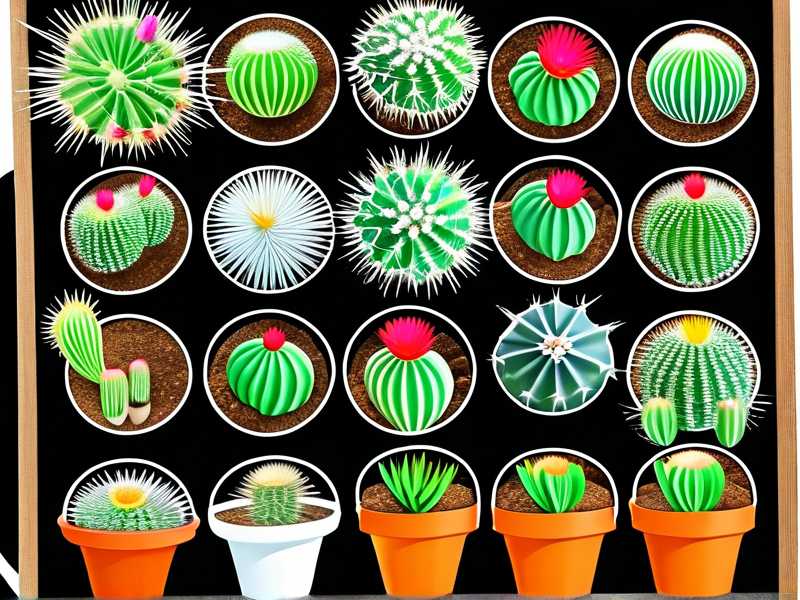
Step 1: Identify Your Cactus Types
Examine each plant. Is it a desert cactus or jungle cactus? Desert cacti have spines, thick stems, and grow in arid regions. Jungle cacti have flattened stems, fewer spines, and come from tropical forests.
I labeled mine with small tags. This helped me remember.
Step 2: Create Two Main Clusters
Desert cluster: High light, low water, well-draining soil.
Jungle cluster: Bright indirect light, slightly more water, organic-rich soil.
Place them in separate areas of your home. Don't mix them. Trust me, it's easier.
Step 3: Use Similar Pot Sizes
Within each cluster, use pots of similar size. This helps with watering uniformity. Small pots dry out faster than large ones. If you mix sizes, some plants will be thirsty while others are still wet.
I use 4-inch terracotta pots for my desert cluster and 6-inch pots for jungle cacti. It's consistent.
Step 4: Water on a Schedule, But Check First
Group watering saves time. But don't water blindly. Check each pot's soil moisture first.
For desert cluster: Water every 2-3 weeks in summer, once a month in winter.
For jungle cluster: Water every 5-7 days in growing season, every 2-3 weeks in winter.
I set phone reminders. But I always double-check with my finger.
Step 5: Monitor and Adjust
After two weeks, evaluate. Are any plants looking wrinkled? That means underwatering. Are any turning yellow or mushy? That's overwatering.
I keep a small notebook. I jot down observations. It helps me spot trends.
Common Questions About Grouping Cactus Clusters
FAQ 1: Can I mix desert and jungle cacti in one cluster?
No. They have different water and light needs. Mixing them will lead to overwatering one group or underwatering the other. I tried it once. My jungle cactus got thirsty while my desert cactus rotted. Keep them separate.
FAQ 2: How do I know when my cactus needs water?
Check the soil moisture. Stick your finger in the soil. If it's dry up to your second knuckle, it's time. Also, look at the plant. A thirsty cactus will show wrinkles or shriveling. A well-watered one looks plump and firm.
FAQ 3: What if I have only one cactus?
You can still benefit from grouping principles. Place it with other succulents that have similar needs. For example, a desert cactus pairs well with aloe vera or agave. A jungle cactus fits with other tropical plants like ferns or pothos.
Final Thoughts from My Experience
Grouping cactus plant clusters changed how I care for my plants. It simplified watering management and saved me from killing more cacti. I no longer guess. I have a system.
Start small. Identify your cactus types. Create two clusters. Use proper pots. Check soil before watering. Monitor for two weeks. Adjust as needed.
You'll see the difference. Your plants will thank you. And you'll stop feeling guilty about those dead cacti in your past.





