bluename
How to Select Companion Succulents That Can Grow Safely Beside Outdoor Cactus
I've killed more succulents than I'd like to admit by pairing them with the wrong neighbors. So let me give you the short answer first: the safest companion succulents for outdoor cactus are ones that share the same water, light, and soil needs—think Echeveria, Sedum, Sempervivum, and Graptopetalum. Pick companions that thrive in the same fast-draining mix and full-sun exposure as your cactus, and you'll avoid the classic disaster of one plant rotting while the other thrives. If you get this pairing right, your outdoor cactus bed becomes a low-maintenance showpiece instead of a weekly rescue mission.
Why Companion Planting With Cactus Goes Wrong So Often
Here's the thing most people miss. Cactus isn't just "a plant that likes sun." It's a plant that wants gritty, rocky soil, deep but infrequent watering, and intense light. Many popular succulents look similar but want slightly richer soil or a bit of afternoon shade.
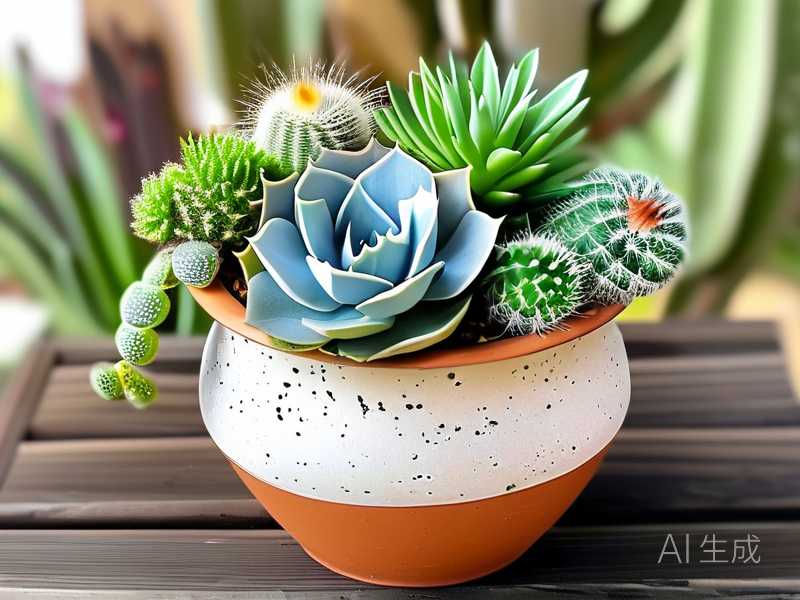
Put a thirsty succulent next to a desert cactus and one of them suffers. Usually the companion, because it gets watered on the cactus schedule—or the cactus, because it sits in damp soil meant for something else.
I learned this the hard way. I planted a soft, plump Echeveria right beside a barrel cactus in the same bed. Two weeks later the Echeveria had mushy lower leaves. I'd been watering on the cactus schedule and the soil stayed wet too long around its roots.
The fix was simple: I switched to a faster-draining mix and grouped plants by water need instead of by how pretty they looked together. That single change saved the rest of my bed.
The Core Rule: Match Water, Light, and Soil Before You Match Color
Before you buy a single companion plant, ask three questions.
Does it want the same watering frequency as my cactus? Does it want full, baking sun or some afternoon relief? Will it tolerate the gritty, sandy mix my cactus lives in?
If the answer to all three is yes, you've found a safe partner. If not, walk away—no matter how good the pairing looks on a garden center shelf.
Honestly, this is where most beginners slip up. They choose companions by appearance. I did too. But succulents aren't interchangeable, and cactus is the pickiest of the bunch.
Best Companion Succulents for Outdoor Cactus
Based on my own beds and a few seasons of trial and error, here's what has worked reliably.
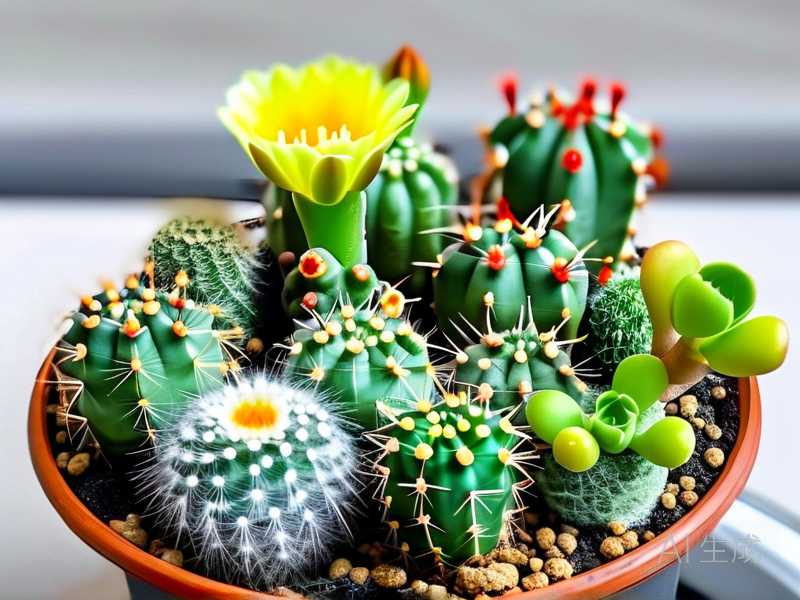
Echeveria — Rosette-shaped and colorful, but choose the tougher, sun-hardened varieties. Give them the same fast-draining mix and they hold up well in full sun. Afternoon shade helps in brutally hot climates.
Sedum — Low-growing, spreading, and forgiving. Sedum spurium and similar groundcover types fill gaps around cactus beautifully and tolerate dry soil. Mine have survived two-week dry spells without complaint.
Sempervivum (Hens and Chicks) — Cold-hardy and tough. These handle gritty soil and full sun well and are great for northern gardeners who need winter resilience. I've had clumps come back after hard frosts.
Graptopetalum and Graptosedum — Sturdy, sun-loving rosettes that share cactus conditions closely. They color up nicely in strong light.
Agave and small Aloe — Not true succulents in every classification, but structurally similar and water-wise. They pair well with cactus in larger beds.
Avoid soft-leaved, shade-loving types. They'll scorch or rot next to a cactus. That's a mistake I made twice before I stopped buying on impulse.
Light: The Make-or-Break Factor
Cactus wants strong light—usually six or more hours of direct sun. Your companions need to keep up.
If a companion gets too little light, it stretches, fades, and weakens. If it gets too much without hardening, it scorches. I've seen both in my own yard.
Here's what I do. I introduce new companions gradually. Over about two weeks, I move them from bright shade into full sun, a little more each day. That hardening period prevents sunburn and shock.
The RHS notes that light intensity and duration directly affect succulent growth and flowering, so matching exposure is not optional. It's the foundation.
Watch for pale, stretched growth—that means too little light. Watch for white or brown scorched patches—that means too much, too fast. Adjust and give it time.
Watering: Where 90% of Indoor Plants Die From Overwatering
And honestly, outdoor succulents aren't immune either. 90% of indoor plants die from overwatering—and the same principle wrecks outdoor cactus beds.
The rule is simple: water deeply, then let the soil dry completely. For cactus and matching companions, that usually means every two to three weeks in warm weather, less in cool weather.
I water in the morning so excess moisture evaporates during the day. I never water on a schedule—I check the soil first. If it's still damp an inch down, I wait.
My two-week observation after switching to this routine: no more mushy stems, no more yellowing lower leaves. The bed finally stabilized.
Prevent rot by never letting water pool. Slight mounding in the bed helps, and gritty soil drains fast. If you see soggy soil after rain, that's a warning sign.
Soil and Repotting
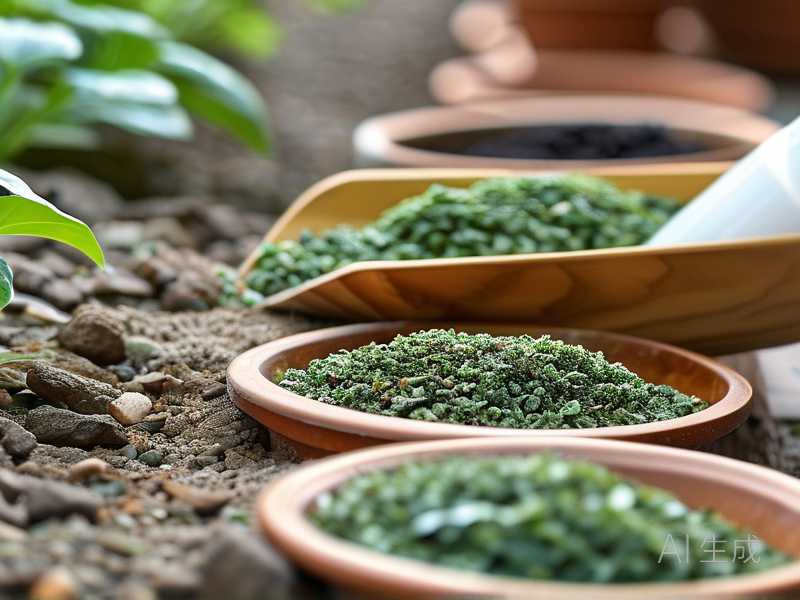
Use a fast-draining mix. I blend roughly two parts gritty material (pumice or coarse sand) to one part potting soil. Cactus and matching companions both want that.
Choose pots with drainage holes—always. For outdoor beds, amend native soil heavily with grit. For containers, terracotta works well because it breathes and dries faster.
Repot every couple of years, or when roots crowd the pot. Do it in spring during active growth. Water sparingly for the first week after repotting to let roots heal.
Fertilizing: Light Touch Only
Use a low-nitrogen cactus fertilizer, diluted to half strength. Feed once in spring and maybe once in early summer. That's it.
Never fertilize in winter when plants are dormant. Never fertilize a dry, stressed, or recently repotted plant. I made that mistake once—burned the roots and lost a nice Sedum clump.
Thin, infrequent feeding keeps growth steady without pushing soft, rot-prone tissue.
Seasonal Care That Actually Matters
Spring — This is revival time. Clean up dead leaves, check for pests, begin watering more regularly as growth resumes. Repot if needed. Feed lightly. I trim leggy growth now so plants fill out before summer.
Summer — Sun protection matters in extreme heat. In scorching climates, a little afternoon shade prevents scorch. Water carefully, keep airflow strong, and watch for pests like mealybugs and scale. High heat plus wet soil equals rot, so err on the dry side.
Fall — Ease off watering and stop fertilizing. Tidy up spent growth and prepare tender companions for cooler nights. This gradual slowdown prevents cold-season rot.
Winter — Most cactus and matching companions need a cool, dry rest. Cut watering way back and stop feeding entirely. In cold climates, move potted companions indoors or into a sheltered spot. Keep them dry and frost-protected—wet plus cold is deadly.
Pests, Problems, and Quick Fixes
Yellow leaves usually mean overwatering or poor drainage. Fix the watering and check the soil.
Mushy stems mean rot—act fast, cut away damaged tissue, and dry the plant out.
Mealybugs and scale show up as white fuzz or bumps. Wipe them off with alcohol and improve airflow.
Stretched, pale growth means too little light. Move the plant gradually into brighter conditions.
The AHS emphasizes that good airflow and proper spacing reduce disease pressure in mixed plantings, which matches what I've seen in my own beds.
Three Beginner Mistakes to Avoid
Overwatering is the big one—let soil dry completely between drinks.
Light mismatch is second—match exposure to the cactus, not to a shady shelf.
Wrong pots is third—always use containers with drainage holes.
I learned all three the hard way, and each one cost me a plant.
FAQ
Can I plant any succulent next to outdoor cactus? No. Only ones that share the same water, light, and soil needs. Soft, shade-loving types will struggle.
How often should I water companions beside cactus? Deeply every two to three weeks in warm weather, letting soil dry fully in between. Less in cool months.
What if my companion starts rotting? Remove it, cut away damaged tissue, let it dry, and replant in gritty soil. Fix the watering and drainage that caused it.
Pairing companions with outdoor cactus comes down to matching needs, not matching looks. Get the water, light, and soil right, and your bed will reward you for years.