bluename
How to Transplant Separated Cactus Pups After Wound Surfaces Fully Heal
If you've ever pulled a plump little pup off a cactus and jammed it straight into soil, you probably watched it rot within a week. I know I did. The real answer is simple: wait until the wound surface calluses over completely, usually 3 to 14 days depending on size and humidity, before you plant that pup in dry, gritty mix. That single pause makes the difference between a rooted offset and a mushy failure. In this guide I'll walk you through how to transplant separated cactus pups after wound surfaces fully heal, using the same steps I follow at home. This is the exact process I now use every time I separate an offset, and it's the one I wish someone had handed me after I killed my third cactus pup.
Why the Healing Window Matters More Than Anything Else
Cactus pups are basically clones of the parent plant. They're tough, but their cut ends are open doors for bacteria and fungi.
A fresh wound is moist tissue. Moist tissue plus soil equals rot. It's that blunt. When I first started, I thought "callus" just meant "looks dry on the outside." I was wrong.
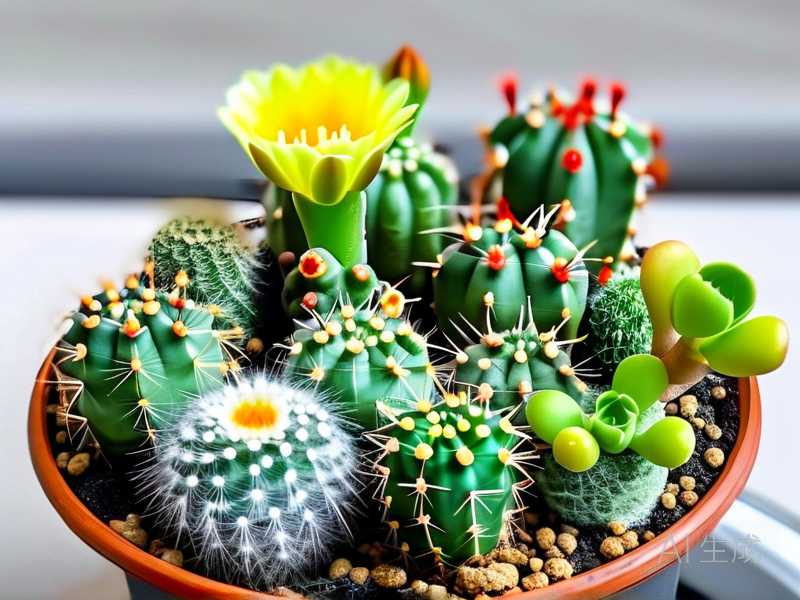
I now wait until the cut surface feels firm and slightly corky, like a scab on your knuckle. For small pups that's often 3 to 5 days. For bigger offsets, especially columnar types, I've waited a full two weeks.
Here's a detail people skip: the pup also needs to form a callus ring around the base, not just at the very center. If the edges still look shiny or green, it isn't ready.
The Royal Horticultural Society notes that cacti and succulents propagate best from offsets allowed to dry and callus before potting, which matches everything I've seen at my own bench. The American Horticultural Society makes a similar point about avoiding fresh cuts in damp media. Both sources align with the 2-week observation window I now build into my routine.
My Honest Start: Three Pups, Two Mistakes, One Lesson
Let me be straight with you. My first attempt at transplanting pups was a mess.
I separated three pups from a mammillaria in early spring. Two went into regular potting soil. One went into a gritty mix. All three got watered the same day.
Result after 14 days: the two in potting soil were soft and dark at the base. The one in grit was still firm but hadn't rooted yet. I pulled all three, trimmed the rot with a sterilized blade, and started over.
The lesson stuck. Since then I've rooted dozens of offsets, and the pattern never changes: dry wound, dry mix, patience, then water. That's the whole game.
Step-by-Step: How I Transplant Healed Pups
Step 1: Confirm the callus is truly closed
Pick up the pup and look at the base under bright light. It should look pale, dry, and slightly wrinkled. No weeping, no green flesh showing.
If you're unsure, wait two more days. Waiting costs nothing. Planting too early costs you the pup.
Step 2: Choose the right pot size
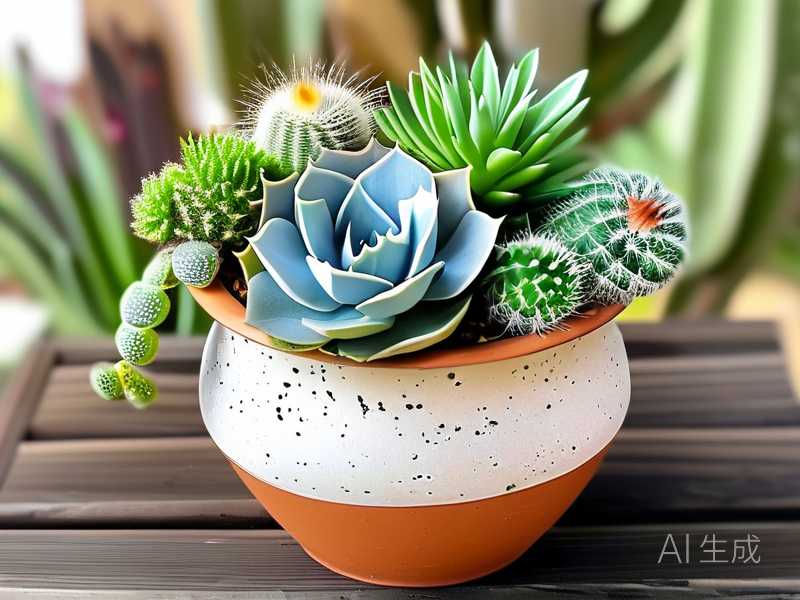
I use small pots, usually 2 to 3 inches across for a pup the size of a walnut. A pot that's too big holds moisture too long. That's one of the top beginner traps I'll get to shortly.
Terracotta is my favorite because it breathes. Plastic works too if you're careful with watering.
Step 3: Mix a gritty, fast-draining medium
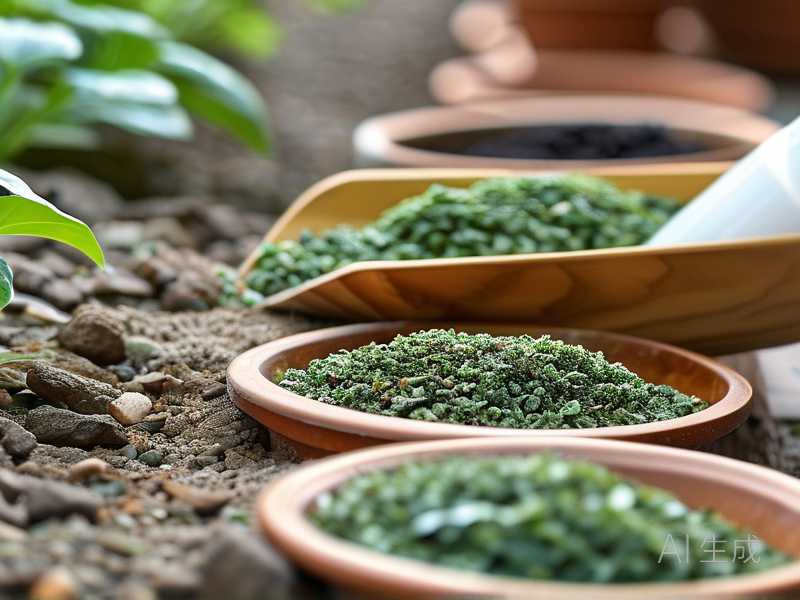
My go-to recipe is roughly 50 percent pumice or perlite, 30 percent coarse sand, and 20 percent regular cactus soil. I mix it dry. Bone dry.
I've tried pure sand and it held too much water at the bottom. I've tried fancy "cactus blends" straight from the bag and they stayed wet for days. The pumice-heavy mix has been the most forgiving by far.
Step 4: Set the pup, don't bury it
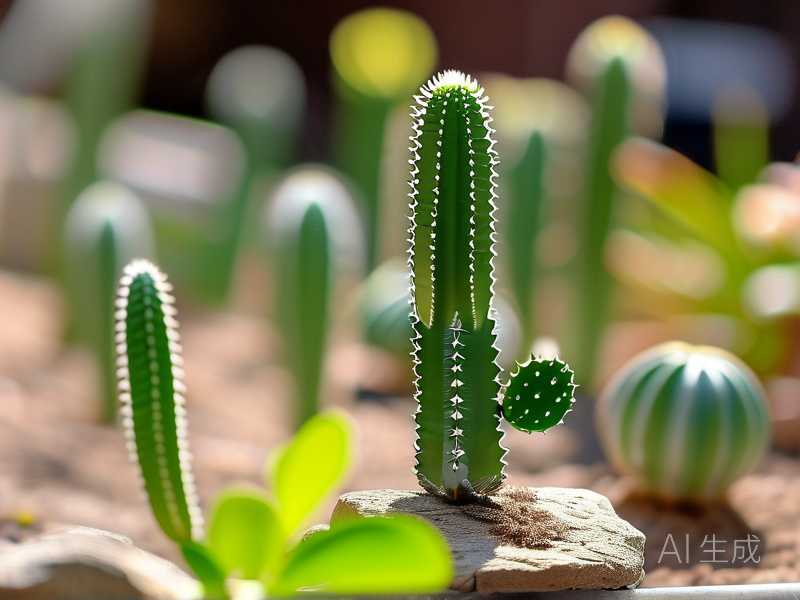
I nestle the callused base about a quarter inch into the dry mix. I don't push it down hard. I don't bury the green body.
Some people use small stones to prop the pup upright. I do this with leaning columnar pups and it works well.
Step 5: Keep it dry and warm for the first two weeks
This is the part that tests your patience. No water for at least 7 to 14 days. I keep pups in bright, indirect light at around 70 to 75°F.
I check for resistance with a gentle wiggle after 10 days. If it feels anchored, roots are forming. Then I give the first light watering.
Step 6: First watering and the 2-week check
After the first sip of water, I wait another week and look for new growth or a slight plumping of the body. That's my confirmation the transplant took.
For my last batch of echinopsis pups, roots were visible through the drainage hole at day 12. By day 14, the bodies looked visibly fuller. That's the two-week observation I now expect every time.
The Three Mistakes That Kill Beginner Pups
1. Overwatering
This is the big one. You've probably heard the line before, and it's true: 90% of indoor plants die from overwatering. Cactus pups are no exception.
A healing pup has no roots to drink. Water just sits around the wound. I water my freshly potted pups maybe once every 10 to 14 days until I see real growth.
2. Wrong light placement
I put my first batch on a bright windowsill and they baked. Then I moved another batch to a dim corner and they etiolated into pale noodles.
The sweet spot for rooting pups is bright but filtered light. Once rooted, they can take stronger sun. Direct summer sun on an unrooted pup is a fast track to sunburn scars.
3. Using the wrong pot
Oversized pots, pots without drainage holes, glazed pots that hold moisture—each one has cost me a pup at some point. Small, breathable, well-draining. That's the rule.
I drilled extra holes in a ceramic pot once because I loved how it looked. Even then, the extra soil volume kept things damp too long. Now I just size down.
Caring for Pups Through Their First Year
Light and warmth
Rooted pups want 4 to 6 hours of bright light a day. Indoors, an east or south window works well. Outdoors in summer, I use 30 percent shade cloth for the first month, then gradually expose them.
Too little light gives you stretched, weak growth. Too much direct sun on a young plant gives you orange or white burn patches that never heal.
Watering rhythm
Once rooted, I water thoroughly and let the mix dry completely before the next round. In summer that might be every 7 to 10 days. In winter, once every 3 to 4 weeks, or less.
I never water on a schedule. I lift the pot and feel the weight. Light pot means thirsty. Heavy pot means wait.
Soil and repotting
I repot pups into slightly larger containers every 1 to 2 years, always in spring. Fresh gritty mix, same careful handling of the roots. I don't water for a week after repotting, either.
Feeding
I use a diluted cactus fertilizer at quarter strength, once a month during active growth. I never feed a freshly transplanted pup, and I never feed in winter. Weak and occasional beats strong and frequent.
Seasonal Care for Young Cacti
Spring
This is when I do most transplanting, repotting, and light pruning of damaged spines. Pups wake up and root fastest now. I start light feeding once I see new growth.
Summer
Heat and sun need managing. I keep young pups out of harsh afternoon sun and boost airflow with a small fan indoors. I watch for mealybugs in the warm months and check leaf axils weekly.
Autumn
I taper watering and stop feeding by mid-autumn. This prepares pups for dormancy. I also clean up any dried bits around the base.
Winter
I keep pups cool but frost-free, around 50 to 55°F if possible, and water very sparingly. Indoors, a bright cool room works well. No fertilizer at all.
Pests and Problems to Watch For
Mealybugs show up as white cottony tufts. I dab them with a cotton swab dipped in rubbing alcohol. Scale looks like small brown bumps and comes off with a fingernail or a gentle scrub.
Yellowing usually means too much water or too little light. Mushy bases mean rot—unpot, cut back to clean tissue, and re-callus. Shriveled, papery tips usually mean underwatering or root loss during transplant.
Frequently Asked Questions
How long should I wait before watering a transplanted cactus pup?
Wait at least 7 to 14 days after potting, and only water once you feel resistance when you gently wiggle the pup. If the base still looks shiny, wait longer.
Can I root a cactus pup in water?
I wouldn't. Water rooting invites rot on a wound that should stay dry. Dry, gritty mix and patience work far better for cacti.
Why is my pup turning soft at the base?
Almost always moisture plus an incompletely healed wound. Unpot it, trim the soft tissue with a clean blade, let it callus again, and restart in fresh dry mix.
Final Thoughts
Transplanting cactus pups isn't complicated, but it is a timing game. Let the wound heal fully, use a small breathable pot with gritty dry mix, hold off on water, and watch for that two-week anchor test. Do that and you'll root offsets reliably, season after season, without losing them to rot.