bluename
 How to Differentiate Cactus Species from Euphorbia Succulents: A Hands-On Guide
For years, I’d bring home a fascinating, spiny plant only to have a nagging question: “Is this a cactus or a euphorbia?” They look so similar, yet I knew they were fundamentally different. Getting it wrong isn’t just about labeling; it’s about care. Water a euphorbia like a cactus, and you might lose it. Treat a cactus like some euphorbias, and it may never thrive. This confusion was my core pain point. After one too many misidentifications, I decided to embark on a focused, two-week observational journey to master the art of telling these incredible succulents apart. Here’s exactly what I learned, the mistakes I made, and the clear, actionable steps you can follow.
My journey began with a simple but crucial mission: to move beyond vague guesses and identify reliable, observable characteristics. I selected three specimens from my collection: a clear Mammillaria cactus, a Euphorbia trigona (African Milk Tree), and one mystery plant sold simply as “succulent.” Over the next 14 days, I examined them daily, applying different identification methods. The goal was to build a foolproof checklist.
The Foundational Difference: Areoles vs. No Areoles
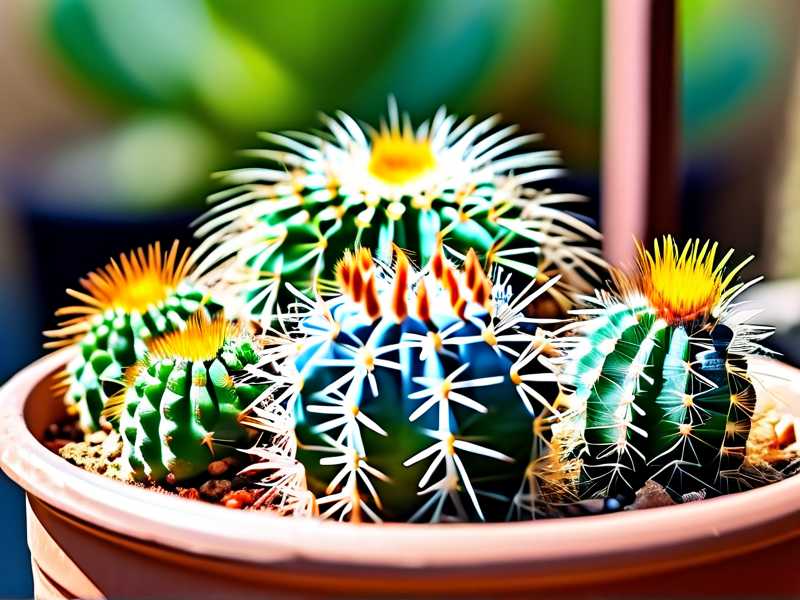
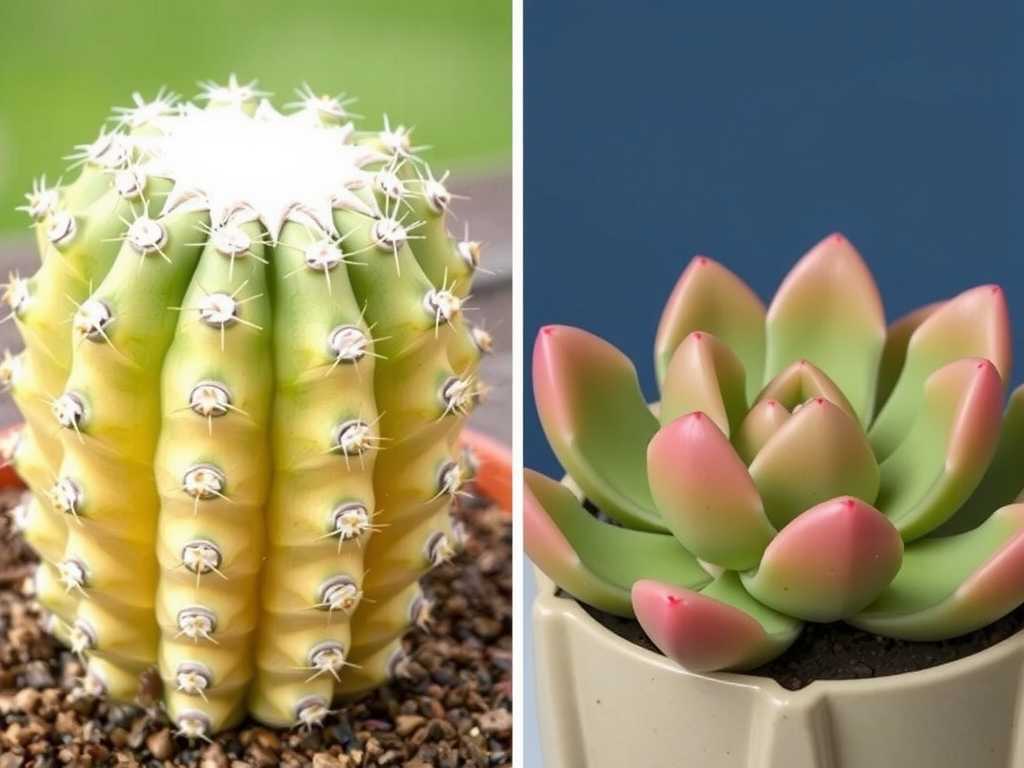
This is the single most important rule, and it became the cornerstone of my investigation. Cacti possess unique structures called areoles. Think of them as highly specialized hubs. From these small, cushion-like spots, all spines, hairs, flowers, and new branches emerge. Euphorbia succulents lack areoles entirely. Their spines, when present, grow directly from the stem’s surface, often in paired rows.
Here was my first real test with my mystery plant. Under a bright magnifying lamp, I looked for these hubs. The Mammillaria clearly had fuzzy areoles with clusters of spines emanating from them. The Euphorbia trigona had its sharp spines, but they emerged straight from the ridges of the stem in continuous lines—no distinct, separate areole base. My mystery plant? After careful scrutiny, I found no areoles. Its spines seemed to grow directly from the skin. This was a strong initial indicator it might be a euphorbia.
The “Milk” Test: A Cautionary Tale
A common tip is to look for sap. Cacti generally have clear, watery sap. Many euphorbias exude a white, latex-like sap when damaged. This sap can be a significant differentiating factor between cactus and euphorbia plants.
I decided to test this. This was my biggest mistake. Carefully, I nicked a small spine on the Euphorbia trigona. Immediately, the thick, white latex bled out. A quick check confirmed the cactus had clear sap. Then, recklessly, I did the same to the mystery plant. White sap oozed. However, I wasn’t wearing gloves. Minutes later, the skin on my finger felt irritated, itchy, and began to redden. Euphorbia sap can be toxic and a severe skin irritant. I had to wash my hands thoroughly with soap and cold water (hot water can spread the sap) and apply a soothing cream. The irritation subsided after a few hours, but it was a powerful lesson.
Never conduct a sap test without gloves and eye protection. Consider it a last-resort, destructive method. The Royal Horticultural Society (RHS) advises extreme caution with euphorbia sap, noting it can cause dermatitis and is particularly dangerous if it contacts eyes or mucous membranes. My experience was a mild but stark reminder. From then on, I relied on non-destructive observations.
Flower and Growth Pattern Observations
During my two-week period, none of my plants flowered, but I researched extensively. This is another key way to tell cactus from euphorbia. Cactus flowers are often solitary, spectacular, and emerge from areoles. They are typically multi-petaled and look like a classic “flower.” Euphorbia inflorescences are complex structures called cyathia. They often look like small, cup-shaped bracts and can be less showy. The growth habit also helped. My Euphorbia trigona had distinctly angled, columnar stems. Many columnar cacti, like some Cereus, appear more ribbed and rounded.
Applying the Checklist to Real-World Identification
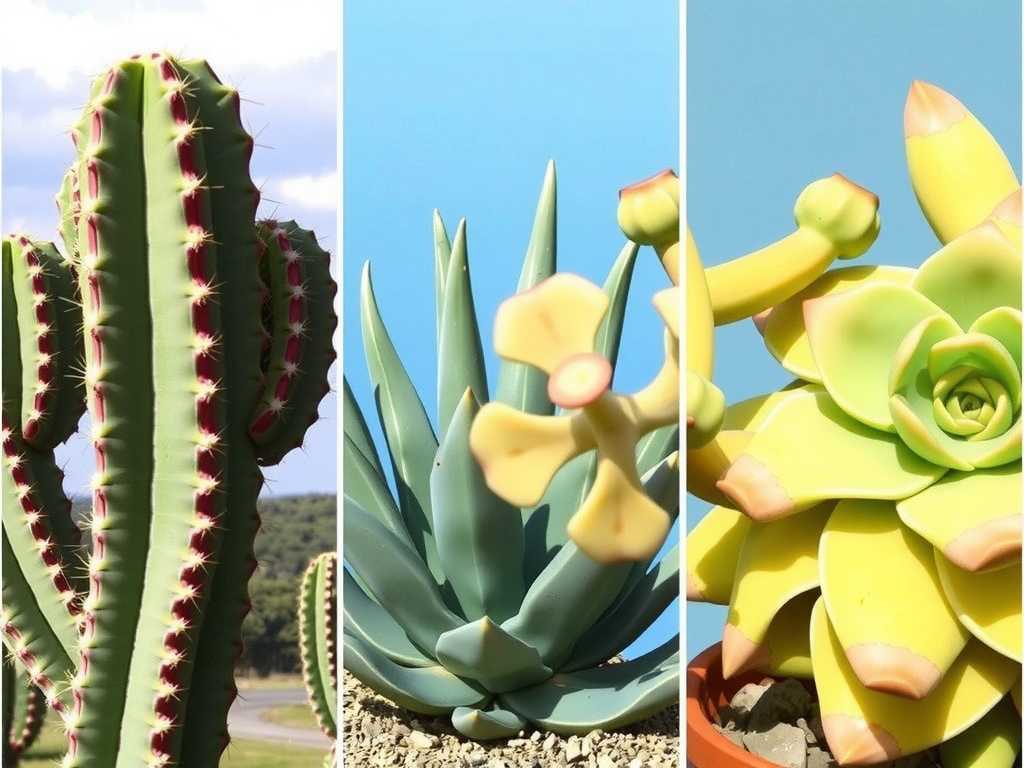
By the end of the first week, I had developed a safe, step-by-step routine. Here’s the exact process I used, which you can replicate:
- Visual Areole Hunt: This is step one. Use a magnifying glass if needed. Look closely at the base of the spines or woolly patches. Are they growing from a distinct, often raised, cushion-like bump? If yes, it’s almost certainly a cactus. If the spines emerge directly and smoothly from the stem’s ridges or surface, lean towards euphorbia.
- Analyze Spine Structure: Cactus spines can be hair-like, bristly, or stout, and they often cluster from a single areole. Euphorbia spines are usually paired, solitary, or in rows, and look more like hardened, modified parts of the stem itself.
- Observe Overall Architecture: Note the stem shape. Deep, vertical ribs are common in cacti. Some euphorbias have winged, angled, or tessellated stems.
- Safe Sap Check (If Necessary): Only if steps 1-3 are inconclusive, and you are willing to risk damaging the plant, perform a sap test with full safety gear. Make the tiniest possible nick on a single spine or a small, obscure part of the stem. Use gloves and safety glasses. Observe the sap color immediately. Clear = likely cactus. White, milky latex = likely euphorbia. Dispose of the sap safely and wash tools.
The American Horticultural Society’s Succulent Lexicon supports this multi-faceted approach, emphasizing that reliance on a single trait can be misleading, especially with unusual species.
My Two-Week Conclusion and Plant Verdict
After 14 days of daily observation and applying this checklist, the results were clear. My Mammillaria was confirmed a cactus via its fuzzy areoles. The Euphorbia trigona was confirmed by its stem-based spines and (regrettably firsthand) its milky sap. My mystery plant, which lacked areoles and produced white sap, was conclusively identified as a Euphorbia, likely a Euphorbia enopla.
The process transformed my confidence. I was no longer guessing; I was systematically observing. This knowledge directly impacted my care: I adjusted the watering schedule for the euphorbias to be slightly more frequent than my desert cacti and ensured all were in extremely well-draining soil.
Frequently Asked Questions
Can a plant be both a cactus and a euphorbia? No. They belong to completely different plant families—Cactaceae and Euphorbiaceae, respectively. They evolved similar features (like spines and succulent stems) through convergent evolution to survive in similar arid environments, but they are not closely related. This is a crucial point for understanding their identification differences between euphorbia and cacti.
I have a succulent with no spines at all. How do I tell? Look for areoles! Many cacti, like most Schlumbergera (Christmas Cactus) or Astrophytum (Bishop’s Cap), are spineless but still have visible areoles as woolly or fuzzy dots. Euphorbias without spines will also lack these specialized structures. Flower shape then becomes the most reliable identifier.
Which is easier to care for, cacti or euphorbias? This depends heavily on the specific species. Generally, both require lots of light and excellent drainage. However, as a broad rule, many euphorbias are slightly less tolerant of extreme, prolonged drought than desert cacti and may appreciate a bit more water during active growth. The real care difference comes from knowing what you have, so you can research its specific native habitat. Proper cactus versus euphorbia differentiation is the first step to tailored, successful care.
Mastering the distinction between cacti and euphorbias is empowering. It moves you from a passive collector to an informed plant enthusiast. By focusing on the presence or absence of areoles, observing spine patterns and growth forms, and respecting the potential dangers of sap, you can confidently identify these remarkable plants. This knowledge isn’t just academic; it’s the practical foundation for providing the right care, ensuring your spiny and sculptural companions thrive for years to come. My two-week deep dive saved my mystery plant from incorrect care and saved me from future moments of uncertainty.