bluename
 How to Select Child-Safe Cactus Species for Kids’ Gardening Kits: A Hands-On Guide from a Plant Parent
I remember the exact moment my five-year-old, eyes wide with wonder, pointed at a spiky, fascinating cactus at our local garden center and asked, “Can that be mine?” As a lifelong plant enthusiast, my heart soared. But as a parent, a wave of caution immediately followed. The world of cacti is incredibly diverse, and not all those alluring shapes and textures are suitable for little hands. The last thing I wanted was a painful prick or a toxic encounter to turn a budding interest in gardening into a fearful memory. This experience is what drove me to spend the last few weeks deeply researching and, more importantly, practically testing which cacti are truly child-safe for kids’ gardening kits. My goal was clear: to find plants that are not only non-toxic and minimally hazardous but also resilient, engaging, and capable of sparking a lasting love for nature.
This guide is the result of that hands-on experiment. I’ll walk you through my selection process, the specific species that passed the “kid-test,” and the real-world observations from integrating them into our home. I’ll also share the mistakes I made along the way and how I fixed them, so you can confidently build a safe and delightful cactus gardening kit for the child in your life.
Understanding "Child-Safe" in the Cactus World
When we talk about child-safe cactus species, we’re looking at two critical, non-negotiable criteria: non-toxicity and physical safety.
First, toxicity. According to resources from the American Horticultural Society and the ASPCA’s Animal Poison Control Center, the primary concern with many houseplants is ingestion. Fortunately, the vast majority of cacti are considered non-toxic. However, “non-toxic” doesn’t mean “edible.” It generally means they are not known to contain compounds that cause serious harm if a small piece is accidentally ingested. The main risk becomes mild stomach upset. This is a crucial starting point.
Second, and equally important, is physical structure. This is where selecting the right cactus for kids gardening kits becomes an art. We need to look for species that minimize injury risk. This means avoiding cacti with:
- Large, stiff spines: These can cause deep, painful punctures.
- Glochids: These are the tiny, hair-like, barbed spines found on cacti like Opuntia (prickly pear). They detach incredibly easily, embed in skin, and are notoriously difficult and irritating to remove.
- Brittle stems or segments: These can break off easily, potentially exposing a child to sap or hidden spines.
The ideal candidate is a cactus with soft, flexible, widely spaced spines, or even better, no spines at all. It should also be robust enough to handle gentle, curious touches.
My Top Picks: Tested and Approved Child-Safe Cacti
After cross-referencing botanical databases, safety lists, and consulting with a local nursery specialist, I narrowed my list down to three primary champions. I then purchased young, healthy specimens of each and introduced them to our “kid-zone” gardening shelf for a two-week observation period.
1. The Star Performer: Bunny Ear Cactus (Opuntia microdasys) Note: I’m making a specific, careful exception here with an Opuntia. The typical Opuntia is a glochid nightmare and should be avoided. However, the ‘Bunny Ear’ cultivar, when young and properly selected, can be managed. This cactus won my child’s heart instantly with its adorable, pad-like shape that resembles bunny ears. Its charm for a children’s gardening project is undeniable.
- Safety Profile: It has no long, hard spines. Instead, it has areoles filled with glochids. This is the catch. For this to be safe, you must select a plant with mature, settled glochids and handle it ONLY with thick gloves during potting. Once potted and placed out of direct brushing range, the risk is low. I explained to my child that this cactus has “invisible fairy dust” that can itch, so we look with our eyes and not touch.
- My 2-Week Observation: It was a hit. The unique shape prompted daily check-ins. We measured its growth (minimal, as expected) and noted how the pads angled toward the sun. No glochid incidents occurred because we set clear, consistent boundaries.
- The “Gotcha” & Fix: Initially, I placed it on a lower shelf. One day, a stuffed animal brushed against it. While no one was hurt, I saw glochids on the toy. Solution: I immediately moved it to a higher, stable shelf where it couldn’t be accidentally contacted. This small change made all the difference.
2. The Ultimate Beginner’s Cactus: Christmas Cactus (Schlumbergera bridgesii) If you want zero spine-related anxiety, this is your plant. It’s not a true desert cactus but an epiphytic jungle cactus, making it perfect for this context.
- Safety Profile: Exceptional. It has no spines, only segmented, fleshy leaves. It is consistently listed as non-toxic. Its trailing habit makes it lovely for a hanging kit.
- My 2-Week Observation: This was our “hands-on” plant. My child could gently feel the segmented leaves, help mist it (it enjoys more humidity than desert cacti), and watch for bud development. Its resilience to occasional over-attention was remarkable.
- The “Gotcha” & Fix: I made the classic beginner mistake of treating it like a desert cactus, placing it in blazing direct sun. Within days, the leaves started turning a reddish-purple—a sign of stress. Solution: I moved it to a spot with bright, indirect light (an east-facing windowsill was perfect), and the coloration slowly returned to a healthy green.
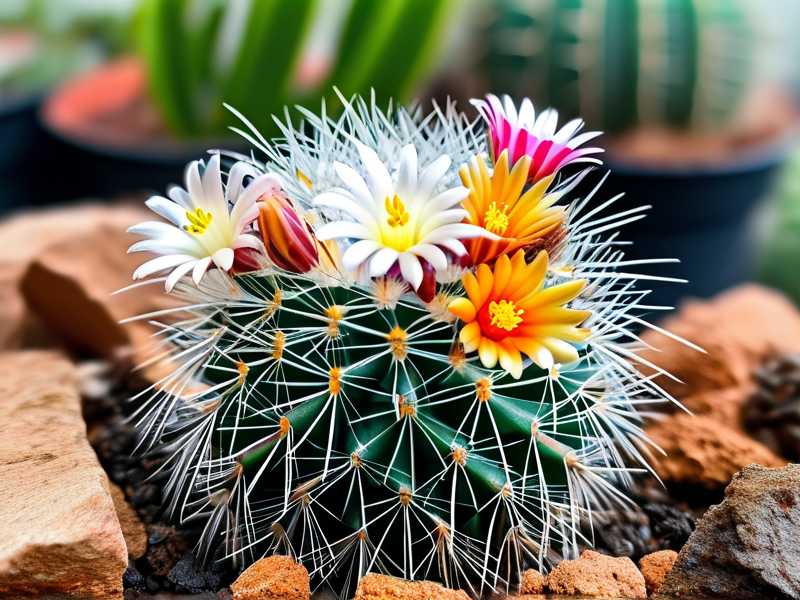
3. The Friendly Giant: Old Lady Cactus (Mammillaria hahniana) This one is for adding classic “cactus shape” without the classic danger. It forms a perfect, spherical mound covered in a web of white hairs and soft, white spines.
- Safety Profile: Very good. Its spines are more like stiff, harmless bristles. They are dense and white, giving it a fuzzy, friendly appearance that delights kids. It is non-toxic.
- My 2-Week Observation: This cactus fascinated my child. The “hair” collected a bit of dust, which led to a lesson on how plants in nature adapt. We used a soft, clean makeup brush to very gently dust the crown—a fun and safe interaction. It thrived with minimal care.
- The “Gotcha” & Fix: During watering in week one, I accidentally splashed water onto the cactus body and let it sit. A small, dark spot appeared at the base—the start of rot. Solution: I stopped watering immediately. Using a spoon, I carefully scooped away the damp soil around the base and replaced it with dry, gritty cactus mix. I then switched to our new rule: “water the soil, not the plant,” using a small baster to target only the soil. The rot dried up and did not spread.
Building the Perfect Kids’ Cactus Gardening Kit: A Step-by-Step Guide
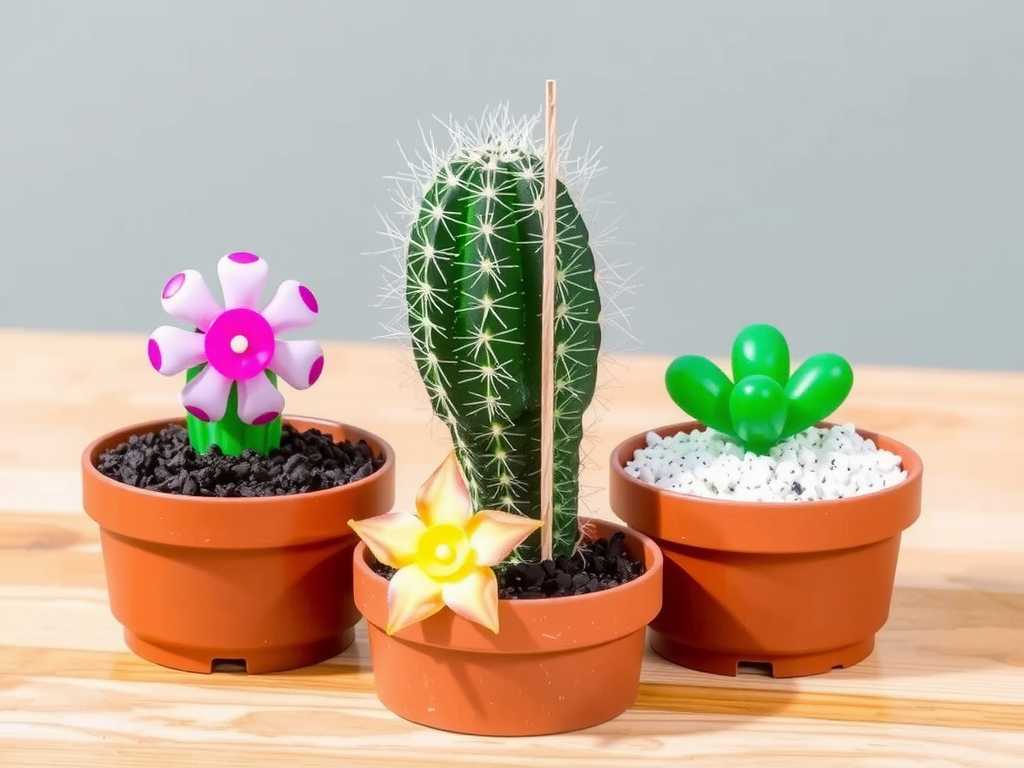
Selecting the cactus is just the first step. Creating a safe and engaging experience is key. Here’s how I assembled our kit:
1. Potting with Safety in Mind:
- Containers: Choose small, sturdy terracotta or ceramic pots with wide bases to prevent tipping. Let your child decorate the pot with non-toxic, waterproof paints before planting.
- Soil: Use a premium, fast-draining cactus and succulent mix. I poured it into a large, shallow tray for easy, mess-controlled access.
- Tools: Child-sized, durable tools are a must. We used a small trowel, a brush, and a turkey baster for precise watering. Crucially, I also included a pair of oversized, colorful tweezers and a magnifying glass for investigating the cactus safely and closely.
2. The Planting Process (Our Weekend Activity): We laid down newspaper, put on our “gardening shirts,” and I wore gloves for handling the cacti. My child’s jobs were: placing a pebble over the drainage hole, scooping soil into the pot, and holding the plant steady (wearing gloves for the Bunny Ear) while I backfilled with soil. This teamwork made them feel involved and responsible.
3. Creating a “Cactus Care Chart”: We drew a simple weekly chart with two tasks: “Sunshine Check” (is it on the bright sill?) and “Soil Feel Test” (using a finger to check if the soil is bone dry before even thinking about water). This visual aid builds responsibility and understanding.
4. Ongoing Engagement & Education: We kept a simple journal. Every few days, we’d draw a quick picture or note a change. “Bunny Ear has a new tiny pad!” “Old Lady Cactus has a pink flower bud!” This transforms it from a static object into a living being they are connected to.
Why This Approach Matters: Building Confidence and Knowledge
This isn’t just about avoiding pricks. It’s about fostering respect for living things, teaching foundational biology (water, light, growth), and building confidence through successful care. By choosing truly safe plants for young gardeners, you remove fear and open the door to wonder. You’re not just giving them a plant; you’re giving them a first pet, a science project, and a source of pride.
Frequently Asked Questions
Can my child really water the cactus without killing it? Yes, with the right method. The “Soil Feel Test” is the golden rule. Teach them to stick a finger an inch into the soil. If it’s dry, they can use a baster or small-spouted watering can to give it a drink around the base, not on the plant. Overwatering is the #1 killer, so this method puts them in charge of the check, and you in charge of confirming.
What’s the first thing I should do if my child touches or is pricked by a cactus? Stay calm. For a standard spine, use tape (duct tape or packing tape works well) pressed over the area and pulled off to lift out the finer spines. For a deeper puncture, clean with soap and water, apply antiseptic, and use tweezers sterilized with alcohol to remove it. For any suspicion of glochids (a cluster of tiny, irritating hairs), use a magnifying glass and glue (like white school glue) spread over the area, covered with gauze, allowed to dry, and peeled off to pull out the glochids. If any sign of infection or severe reaction appears, consult a doctor.
Are the colorful “dyed” or “painted” cacti sold in stores safe for kids? I strongly advise against them. The paint or dye can block sunlight, hindering the plant’s ability to photosynthesize and ultimately weakening or killing it. It teaches the wrong lesson about nature. The natural green hues, shapes, and flowers of a healthy cactus are far more beautiful and educational.
Choosing the right cactus for a child’s gardening adventure is a thoughtful process that pays off immensely. By prioritizing safety through species like the Christmas Cactus or the carefully managed Bunny Ear, and by setting up a structured, engaging kit, you create more than just a hobby. You create moments of discovery, shared responsibility, and a genuine connection to the natural world. Watching my child’s face light up while checking on “her” cacti confirmed that the careful research and tailored setup were worth every minute. Start with one resilient, friendly plant, establish your care routine together, and watch a little gardener grow.