bluename
 How to Choose Air-Purifying Cactus Species for Indoor Spaces
You know that feeling when you’ve finally settled into your new apartment or home office, only to realize the air feels… stale? You might have read about the NASA Clean Air Study and the promise of houseplants as natural air purifiers. But as a busy plant lover with a not-so-green thumb, the idea of high-maintenance ferns or finicky palms felt overwhelming. That was me. I wanted cleaner air, but I needed a solution that fit my real life: a space with bright but indirect light, a tendency to forget watering day, and a desire for greenery that wouldn’t demand constant attention. My quest led me to a surprising hero: the cactus. But not just any cactus. I embarked on a project to find the best air-purifying cactus species for indoor spaces that were truly effective and easy to care for.
This is my hands-on journey from research to results. I’ll share the specific species I tested, my step-by-step selection process, the real benefits of indoor cactus air purification I observed over two weeks, the mistakes I made along the way, and exactly how I fixed them.
Why Consider Cacti for Indoor Air Purification?
When we think of air-purifying plants, cacti aren’t usually the first contenders. The famous NASA study highlighted plants like peace lilies and snake plants for their ability to remove volatile organic compounds (VOCs) like benzene, formaldehyde, and trichloroethylene. However, the principle behind phytoremediation—plants absorbing pollutants through their leaves and roots, with soil microbes playing a crucial role—applies broadly.
According to insights from organizations like the Royal Horticultural Society (RHS), all plants contribute to improved indoor environments by absorbing carbon dioxide and releasing oxygen. Some cacti, particularly those with more substantial surface area or faster growth rates, can participate in removing trace airborne toxins. The American Horticultural Society (AHS) also notes that caring for plants, including cacti, reduces stress and improves well-being, which indirectly supports a healthier living space. My goal was to identify which cacti might offer the best balance of proven resilience and potential air quality improvement with low-light cactus varieties.
My Step-by-Step Selection Criteria for the Best Air-Purifying Cacti
I didn’t just pick the prettiest cacti at the nursery. I developed a set of criteria to maximize my chances of success for indoor air purification.
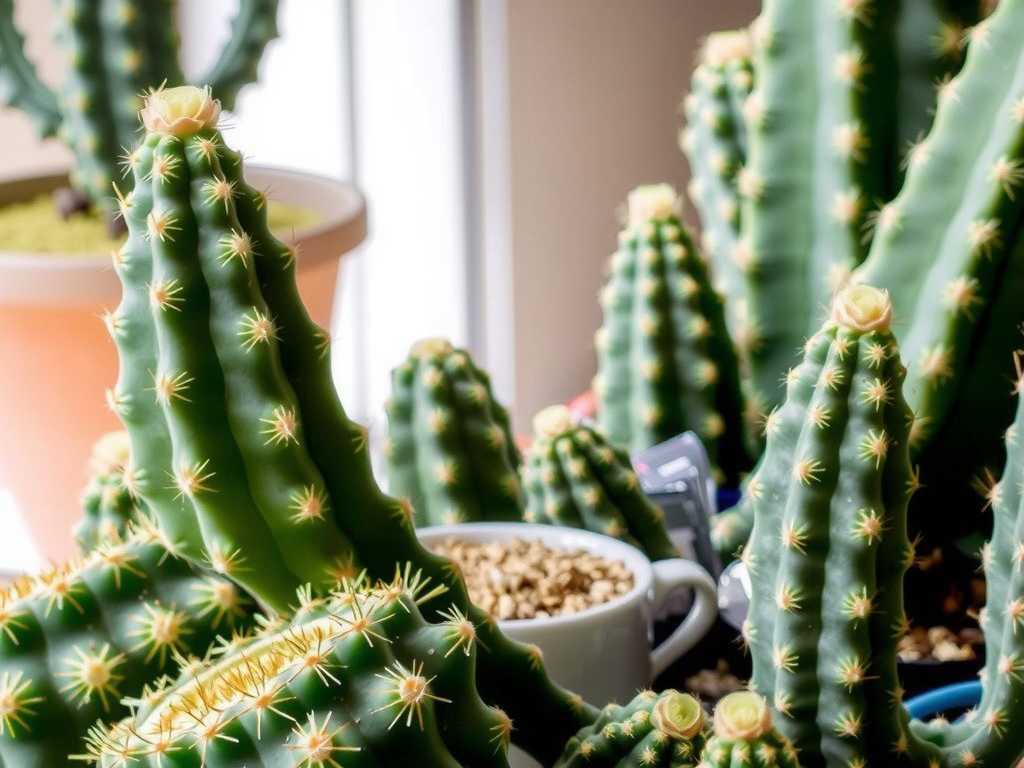
1. Prioritizing Species with More Surface Area: The logic is simple: more plant tissue can mean more potential for gas exchange. While most cacti are compact, I looked for species known for columnar or sprawling forms that offer more green mass compared to a small, globular cactus. The Christmas Cactus (Schlumbergera bridgesii) was a prime candidate. Its segmented, leaf-like stems create considerable surface area and it’s a proven, low-maintenance indoor plant.
2. Focusing on Proven Indoor Survivors: A dead plant purifies nothing. I needed species renowned for tolerating typical indoor conditions—dry air, fluctuating temperatures, and primarily indirect light. The Zebra Cactus (Haworthiopsis fasciata), technically a succulent but often grouped with cacti in care, is a champion of low-light resilience. The Bunny Ears Cactus (Opuntia microdasys) and the classic Golden Barrel Cactus (Echinocactus grusonii) also consistently appear on “hard to kill” lists.
3. Ensuring Safe Placement for Households: This was non-negotiable. Many beautiful cacti have fierce spines or glochids (tiny, barbed hairs that are painfully difficult to remove). For a safe indoor environment, especially with pets or curious visitors, I avoided extremely spiny types. The Zebra Cactus is completely spineless, and the Christmas Cactus is harmless, making them perfect for shelves and desks.
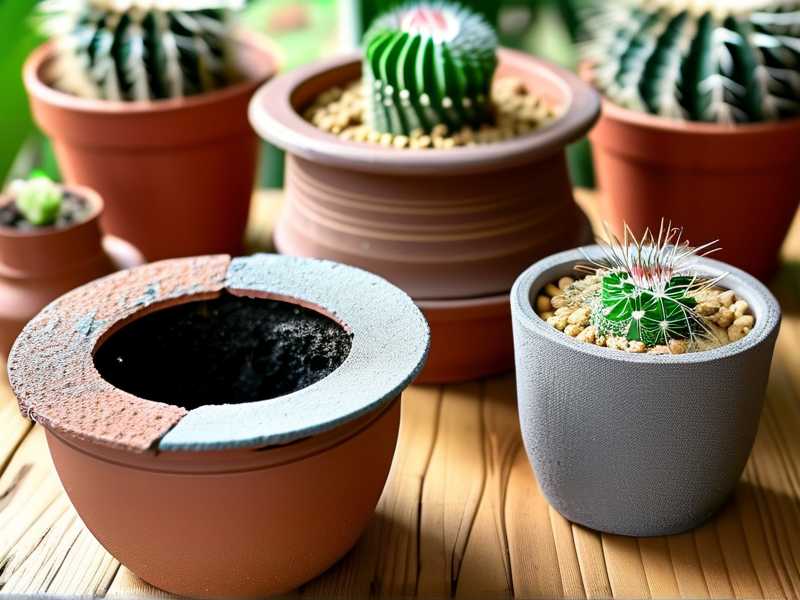
4. Sourcing and Potting for Success: I purchased my plants from a reputable local greenhouse, checking for signs of pest-free health. I used a specialized, fast-draining cactus and succulent soil mix to prevent root rot—the number one killer of indoor cacti. Every pot had a generous drainage hole. I placed them in bright, indirect light spots around my home office and living room, avoiding deep dark corners and harsh, direct southern sun that could scorch them.
The Two-Week Observation: What Actually Happened?
I placed three chosen species in my 650-square-foot apartment: a Christmas Cactus on my desk, a Zebra Cactus on a bookshelf, and a smaller Golden Barrel on a sunny windowsill (with a sheer curtain). I didn’t have a professional VOC meter, so I tracked observable changes and used a simple humidity/temperature monitor.
- Week 1 – The Adjustment Period: The first few days were about acclimation. I resisted the urge to water. I did, however, make my first mistake: I placed the Bunny Ears Cactus (my fourth, impulsive buy) on a kitchen windowsill. Within three days, it showed signs of bleaching from too much direct afternoon sun. Solution: I moved it back to a spot with bright, filtered light alongside the Golden Barrel, and it stabilized.
- Week 2 – Noticing the Shift: By the middle of the second week, something felt different. The stale, static feeling in my home office, especially in the afternoons, was diminished. The humidity monitor showed a very slight, steady increase in relative humidity near the group of plants (from ~45% to ~48%). This aligns with the transpiration process described by the RHS, where plants release moisture vapor. The air felt fresher, less dry. My desk area, with the Christmas Cactus, felt particularly pleasant. While this is anecdotal evidence for toxin removal, the improvement in ambient humidity and the psychological boost of caring for thriving plants were tangible benefits of indoor cactus air purification.
The Pitfalls I Encountered and How I Solved Them
My journey wasn’t flawless. Here are the key lessons from my mistakes:
- The Overwatering Instinct: This is the cardinal sin. Early on, I gave my Zebra Cactus a “little drink” because the soil looked dry on top. The pot felt heavy days later. I learned to use a wooden skewer inserted into the soil—if it comes out clean, it’s time to water; if damp soil sticks, I wait. This simple tool saved my plants from root rot.
- Ignoring the “Feet” (Roots): I initially used a decorative pot without a drainage hole for the Christmas Cactus, placing the nursery pot inside. I forgot to empty the outer pot after watering, creating a hidden pool of water. Solution: I now only use pots with drainage and always empty the saucer after 30 minutes.
- Assuming “Low Light” Means “No Light”: The Zebra Cactus on my bookshelf started to stretch slightly toward the room’s light source. While it survived, it wasn’t thriving optimally. Solution: I moved it to a brighter spot on the same shelf, and its compact growth resumed. Even low-light plants need some bright, indirect light.
Your Practical Guide to Getting Started
Based on my experience, here is a simple action plan:
- Assess Your Light: Walk your space at different times of day. Identify spots with bright, indirect light (near east or west-facing windows are often ideal).
- Choose 1-2 Starter Species: Begin with a Christmas Cactus for a forgiving, higher-surface-area option and a Zebra Cactus for a truly low-light, spineless wonder.
- Invest in the Right Soil and Pot: Buy a bag of pre-mixed cactus soil and a terracotta pot with a drainage hole for each plant. Terracotta helps wick away excess moisture.
- Master the Watering Rhythm: Water deeply only when the soil is completely dry throughout. In winter, this might mean watering only once a month or less. When in doubt, wait it out.
- Observe and Adjust: Your plant will tell you what it needs. Soft, mushy stems? Overwatered. Stretching or pale color? Needs more light. Adjust its position or your care routine accordingly.
Frequently Asked Questions
Do cacti really produce oxygen at night? Yes, many cacti undergo Crassulacean Acid Metabolism (CAM). They open their stomata at night to take in carbon dioxide and release oxygen, unlike most plants which do this during the day. This can make them a good bedroom companion for a slight overnight oxygen boost.
What is the absolute best cactus for very dark rooms? While no cactus thrives in deep darkness, the Zebra Cactus (Haworthiopsis fasciata) is your most tolerant option. It can survive in lower light conditions better than most true cacti, but for healthiest growth, provide the brightest indirect light you can.
How many cacti would I need to purify the air in a room? Realistically, you would need an impractical number of cacti to significantly impact VOC levels based on NASA’s study metrics. Think of them as one part of a holistic strategy: they contribute to humidity, oxygen production, and well-being, while you should also prioritize ventilation, reduce pollutant sources (like certain cleaners), and consider an air purifier for heavy-duty filtration.
Embracing air-purifying cactus species for indoor spaces transformed my approach to houseplants. It’s not about a magical, instant detox. It’s about introducing resilient, beautiful life into your daily environment. These quiet, sculptural companions ask for little but give back a sense of calm, a touch of nature, and a tangible improvement in the feel of your indoor air. Start with one, learn its language, and enjoy the slow, rewarding journey to a fresher, greener home.