bluename
 How to Identify Variegated Moon Cactus Species and Their Needs: A Grower’s Complete Guide
You’ve just brought home a stunning, colorful moon cactus, its bright top glowing like a tiny sunset on your shelf. But a few weeks later, the vibrant colors might start to fade, the base might feel soft, or worse—it begins to rot. I’ve been there, staring at a once-beautiful plant, frustrated and wondering what went wrong. The core issue isn’t just care; it starts with proper identification. Not all variegated moon cacti are the same, and misidentifying your plant means you’re likely missing its specific needs for light, water, and grafting care.
As a dedicated cactus enthusiast, I’ve learned through both success and costly mistakes that understanding the “who” of your plant is the first step to mastering the “how” of its care. This guide is born from my hands-on experience, including a detailed two-week observation experiment that clarified exactly what these captivating plants require. I’ll share my steps, the pitfalls I encountered, and the practical solutions that brought my collection back to health.
Understanding the Variegated Moon Cactus: More Than Just a Colorful Top
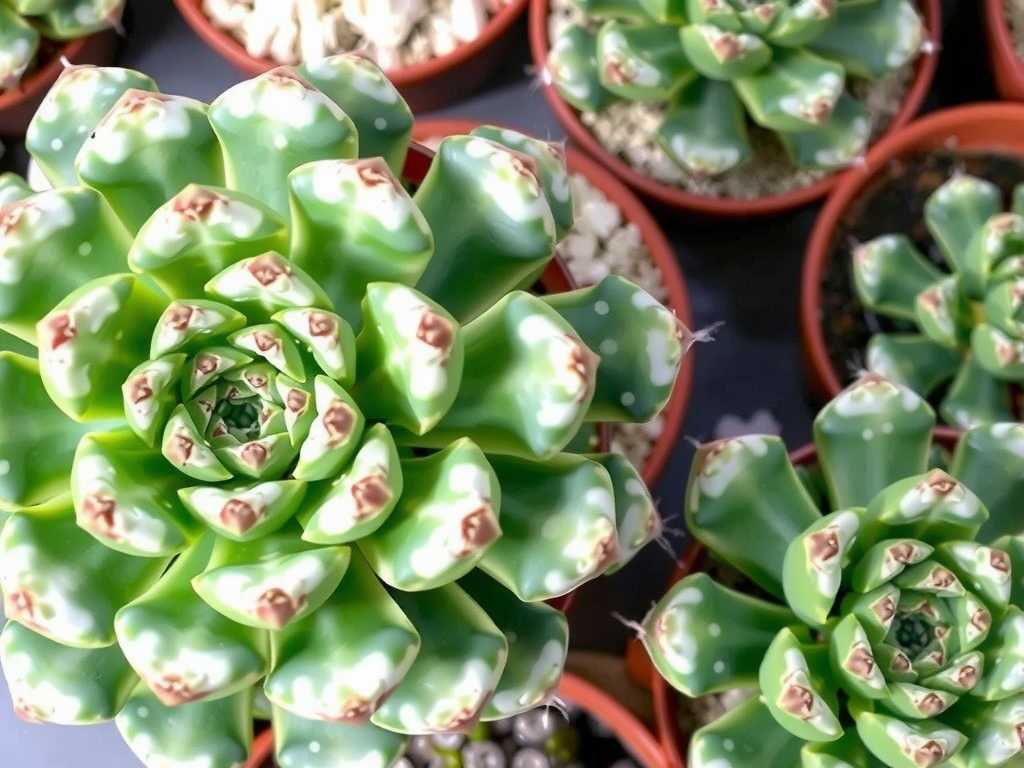
First, let’s clarify what we’re discussing. The term “moon cactus” typically refers to a colorful Gymnocalycium mihanovichii scion grafted onto a green rootstock cactus, usually a Hylocereus species. The variegated moon cactus showcases areas without green chlorophyll, appearing in brilliant yellows, oranges, reds, or even pinks. This lack of chlorophyll is precisely why it’s grafted—it cannot photosynthesize enough on its own to survive.
However, “variegated” can be misleading. True variegation in plants means patterns of different colors on leaves or stems. In these cacti, the colorful top is often a stable mutation, not variegation in the traditional horticultural sense. Yet, the search term stands, and for us growers, the key is to identify the specific type of colorful scion we have, as their needs can vary slightly.
My 2-Week Identification and Observation Project
To cut through the confusion, I decided to conduct a focused experiment. I acquired three different-looking variegated moon cacti from local nurseries and online sellers. My goal was to document their characteristics, provide identical care, and note any differences in response over a critical two-week period.
Step 1: Initial Documentation and Hypothesis I set up a logbook. Plant A was a fiery solid red. Plant B was a mottled orange and yellow. Plant C was a pale pink with faint green streaks. My hypothesis was that the solid red (likely a ‘Hibotan’ cultivar) would be the most sensitive to light, while the one with green streaks might show more robust growth.
I took clear, well-lit photos of each from all angles, focusing on the scion’s color pattern, spine clusters (areoles), and the rib structure. I also noted the rootstock’s health—was it firm, plump, and green?
Step 2: Standardized Care Setup All three were placed on the same south-east facing windowsill, receiving about 4-6 hours of bright, indirect light. I used a uniform, fast-draining cactus mix. Following expert advice from the Cactus and Succulent Society of America (CSSA), I watered them only when the soil was completely dry an inch down—a “soak and dry” method. No fertilizer was used during this observation phase.
Step 3: Daily Observations and The Pitfall I Hit Days 1-5 were uneventful. Then, on Day 6, I noticed the base of Plant A (solid red) felt slightly less firm. By Day 8, a small, dark spot appeared near the graft union on its Hylocereus rootstock. I had fallen into a common trap: assuming identical watering for identical pots. The rootstock on Plant A was slightly smaller, and the commercial soil it came with was more moisture-retentive.
Solution and Adjustment: I immediately un-potted Plant A. Using sterile tools, I carefully removed the damp soil, checked for rot (thankfully, it was just superficial on one root), and let the roots air dry for 48 hours. I repotted it in my grittier mix, this time in a terracotta pot for better evaporation. This incident underscored a vital lesson: identification must include assessing the rootstock and its original soil condition. A “one-size-fits-all” care routine is a fast track to problems.
Step 4: Results and Key Differentiation Factors By the end of two weeks, the differences were clear:
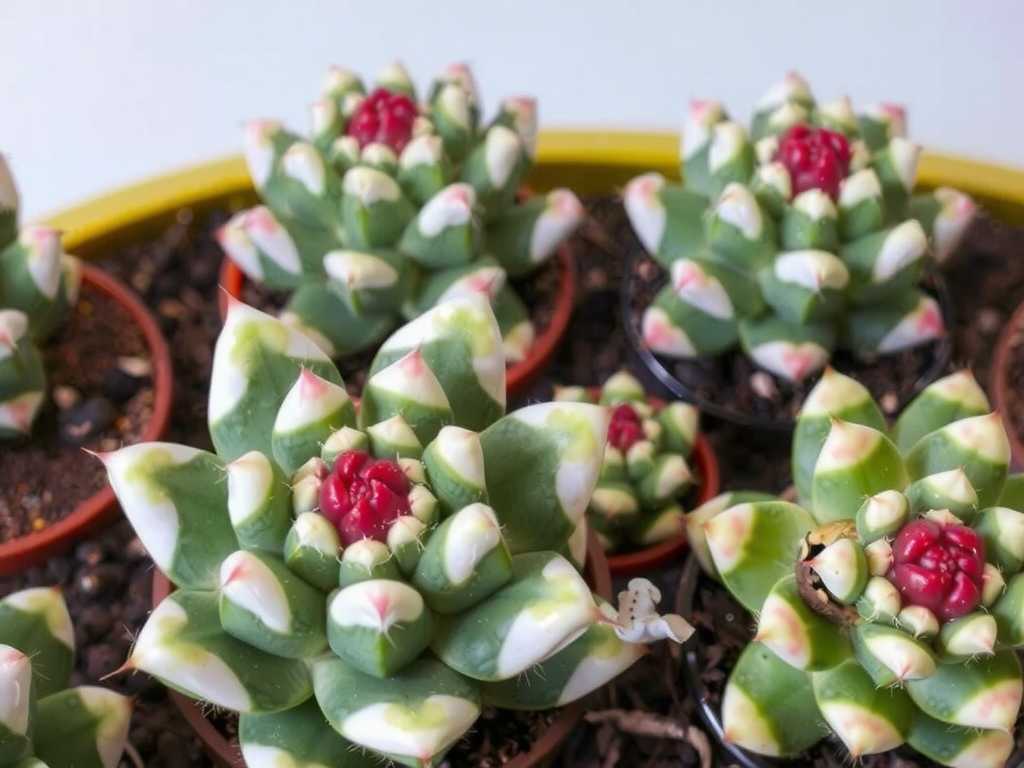
- Plant A (Solid Red): Recovered after repotting. Showed zero growth but maintained color. It was clearly the most dependent on the rootstock.
- Plant B (Mottled Orange/Yellow): Showed a slight plumping up and a hint of new color intensity at the very crown. It seemed to utilize water more efficiently.
- Plant C (Pink with Green Streaks): Showed the most obvious positive change. The green streaks darkened slightly, and the areoles looked fuller. This indicated it was performing some photosynthesis, making it potentially more resilient.
This experiment taught me that identifying your moon cactus species isn’t just about naming it; it’s about reading its physiological clues. The presence of any green tissue changes the game.
A Practical Guide to Identifying Your Plant’s Specific Needs
Now, let’s translate observation into action. Your plant’s needs stem directly from its identity.
1. Light Requirements: It’s All About the Color
- Bright Reds, Oranges, Deep Pinks: These have the least chlorophyll. They are prone to sunburn in direct, harsh afternoon light. Provide bright, indirect light for 4-6 hours daily. An east-facing window is ideal.
- Yellows, Pale Pinks, or Those with Green Streaks: They possess a bit more chlorophyll. They can tolerate slightly brighter light, perhaps some gentle morning sun, but still require protection from intense midday rays. The Royal Horticultural Society (RHS) advises that variegated plants with some green are more adaptable but still not as resilient as fully green specimens.
2. Watering and Soil: The Rootstock is the Engine Remember, you are watering for the green rootstock (Hylocereus), which is a tropical cactus. It likes moisture but abhors soggy feet.
- The Golden Rule: Water only when the soil is completely dry throughout. In my climate, this means every 10-14 days in summer and once a month or less in winter.
- The Soil Mix: Use a commercial cactus mix amended with 50% perlite or pumice for drastic drainage. This prevents the root rot I nearly caused.
3. Graft Health and Longevity: The Critical Junction The graft union is the lifeline. A healthy union is smooth, firm, and without gaps or discoloration.
- Signs of Trouble: Shrinking, discoloration (brown/black), or a visible gap between scion and rootstock. If the scion can be wobbled, the graft is failing.
- What to Do: If the colorful top is healthy but the rootstock is rotting, you can attempt re-grafting it onto a new Hylocereus stock—a delicate process I’ve had mixed success with. Often, it’s more practical to enjoy the plant for its natural 2-5 year lifespan and propagate the rootstock if possible.
4. Feeding and Dormancy During the active growing season (spring/summer), a diluted, balanced fertilizer (like a 5-5-5) once a month can support the rootstock. In winter, cease feeding and reduce watering significantly as growth slows. The colorful scion’s needs are entirely managed by the rootstock.
Bringing It All Together: A Sustainable Care Routine
Based on my experience, here is a sustainable weekly check-in routine:
- Inspect: Look at the color of the scion. Is it fading (needs more indirect light) or bleaching (too much direct sun)? Feel the rootstock. Is it firm?
- Check the Union: Run a gentle finger over the graft line. Any softness?
- Test the Soil: Use a chopstick or moisture meter. If there’s any dampness, walk away from the watering can.
- Rotate: Give the pot a quarter turn to ensure even growth on the rootstock.
This proactive, identification-first approach has kept my moon cacti thriving far longer than my initial “set it and forget it” method.
Frequently Asked Questions
Why is my moon cactus turning brown at the bottom? This is almost always root or stem rot in the Hylocereus rootstock, caused by overwatering or poor-draining soil. You must act quickly. Unpot the plant, cut away any mushy, brown parts of the rootstock with a sterile knife until only clean, firm tissue remains. Let it callous for several days before repotting in dry, fresh cactus mix. Do not water for at least a week.
Can I remove the colorful top and plant it on its own? Unfortunately, no. The variegated Gymnocalycium lacks the necessary chlorophyll to produce its own food through photosynthesis. If separated from the rootstock, it will slowly starve and die. Its survival is completely dependent on the graft.
My moon cactus is growing a tall, green stem from the rootstock. What should I do? This is a good sign! Your Hylocereus rootstock is healthy and trying to grow. You can let it grow for a while to strengthen the plant. However, as it consumes energy, you can carefully cut it off with a sterile blade if you prefer to direct all energy to the colorful scion. You can also let it grow and potentially use it to graft another scion onto.
Identifying your variegated moon cactus is the cornerstone of its care. It moves you from guessing to knowing—understanding that a solid red scion demands more careful light management than one with green streaks, and that every watering decision is made for the rootstock, not the colorful top. By observing closely, providing bright but indirect light, mastering the “soak and dry” watering method, and vigilantly monitoring the graft union, you can extend the vibrant life of these fascinating plants. They may not be forever, but with knowledgeable care, you can enjoy their otherworldly beauty for years to come.