bluename
 How to Select High-Altitude Cactus Species for Mountain Gardens
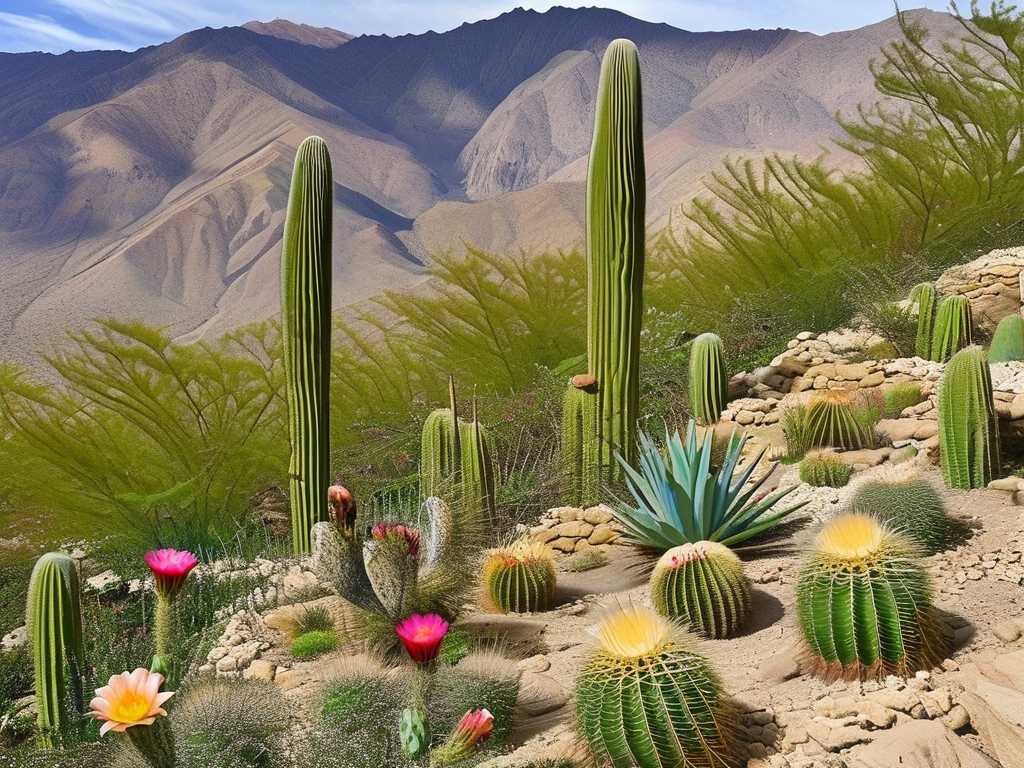
I love the rugged beauty of mountain landscapes, and as a passionate gardener with a high-altitude plot, I’ve spent years trying to bring a touch of resilient, sculptural beauty to my rocky terrain. The challenge was real: harsh winds, intense UV exposure, dramatic temperature swings, and thin, fast-draining soil that left most of my cherished garden plants struggling. That’s when I turned my focus to high-altitude cactus species. These aren’t your typical desert dwellers; they are specialized plants evolved for life in the thin air of mountains, and selecting the right ones has completely transformed my garden. If you’re battling similar conditions and wondering which cacti can not only survive but truly thrive, I’ll walk you through my hands-on process, including the mistakes I made and how I fixed them.
My journey wasn’t just about picking pretty plants. It was a two-week experiment of careful observation and adjustment, centered on finding the most cold-hardy cactus varieties and understanding the specifics of mountain garden soil preparation for succulents. Through trial and error, I learned that success hinges on matching the plant’s native habitat to your microclimate and preparing a foundation that mimics their natural, austere homes.
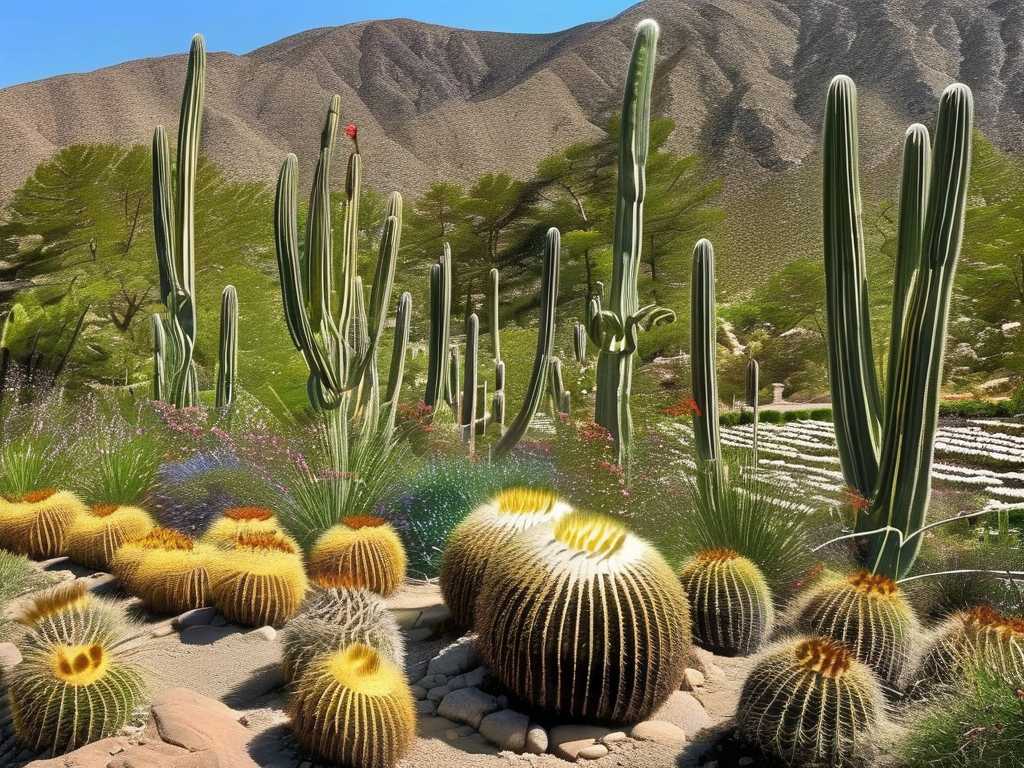
Understanding the High-Altitude Environment and Cactus Adaptation
Before you buy a single plant, you must become a student of your own garden’s microclimate. High-altitude gardening is distinct. The sun is intensely strong, but temperatures can plummet at night, even in summer. The Royal Horticultural Society (RHS) notes that plants at elevation face “increased solar radiation and greater thermal amplitude,” meaning the gap between day and night temperatures is wide. Cacti adapted to these zones, like many in the Maihueniopsis or Coryphantha genera, have compact growth, dense spines (which provide shade and trap insulating air), and a remarkable capacity to withstand freeze-thaw cycles.
I learned this the hard way. In my first attempt, I planted a gorgeous Echinocactus grusonii (Golden Barrel Cactus), assuming its desert heritage meant toughness. A clear, calm night with a late spring frost turned it to mush. It was a classic error: confusing drought tolerance with cold hardiness. True high-altitude cactus species often originate from the mountains of North and South America, where they experience snow cover. This failure redirected my research toward genuine alpine and montane succulents.
My Step-by-Step Selection and Planting Process
My goal was to create a sustainable, low-maintenance display. Here is the exact process I followed, which you can replicate.
Step 1: Research and Sourcing True High-Altitude Varieties
I dedicated time to identifying species known for cold resilience. I consulted databases from the Alpine Garden Society (AGS) and sought out nurseries specializing in hardy succulents. I focused on three stellar performers:
- Opuntia fragilis (Brittle Prickly Pear): Renowned for its incredible cold tolerance, surviving down to -35°C (-31°F). Its low, spreading pads are perfect for ground cover.
- Escobaria vivipara (Spinystar): A small, clustering cactus native to prairies and foothills. It produces beautiful pink flowers and handles dry, cold winters exceptionally well.
- Pediocactus simpsonii (Mountain Ball Cactus): This high-mountain native forms solitary or clustered balls and is adapted to rocky slopes and alpine tundra.
Step 2: Creating the Perfect Fast-Draining Foundation
This is the most critical step. Mountain soil might be rocky, but it’s often amended with organic matter that retains too much moisture for cacti in winter. Soggy roots plus freezing temperatures equal death. My soil recipe, endorsed by many xeriscape experts, is:
- 50% coarse, sharp sand or fine gravel (1/4” grit)
- 25% native soil (sifted to remove large clumps)
- 25% crushed lava rock or pumice for aeration
I built raised mounds or planted on a slope to ensure absolute drainage. I cannot overstate the importance of mountain garden soil preparation for succulents; it’s the non-negotiable foundation for success.
Step 3: The Two-Week Observation and Adjustment Period
After planting my selected cold-hardy cactus varieties, I began a daily log. For two weeks, I monitored:
- Morning Sun vs. Afternoon Sun: I noticed the Escobaria in full all-day sun showed slight yellowing (a sign of stress). I used a piece of slate as a temporary shade during the harshest afternoon rays, and it recovered its blue-green hue. Lesson learned: even sun-loving plants can need protection during acclimation.
- Wind Exposure: The Opuntia fragilis was unfazed, but a young Pediocactus looked desiccated. I placed a few larger rocks on its windward side to create a minor windbreak without trapping humidity.
- Watering Response: I watered deeply once after planting and then not again. I checked soil moisture an inch down daily. It dried out completely in 3 days, confirming my drainage was adequate—a key victory.
By the end of the fortnight, all plants were stable, showed no signs of rot or severe stress, and had even begun to exhibit slight new spine growth—a sure sign they were settling in.
Key Factors for Long-Term Success in Your Mountain Cactus Garden
Mastering the Art of Drainage and Sun Exposure
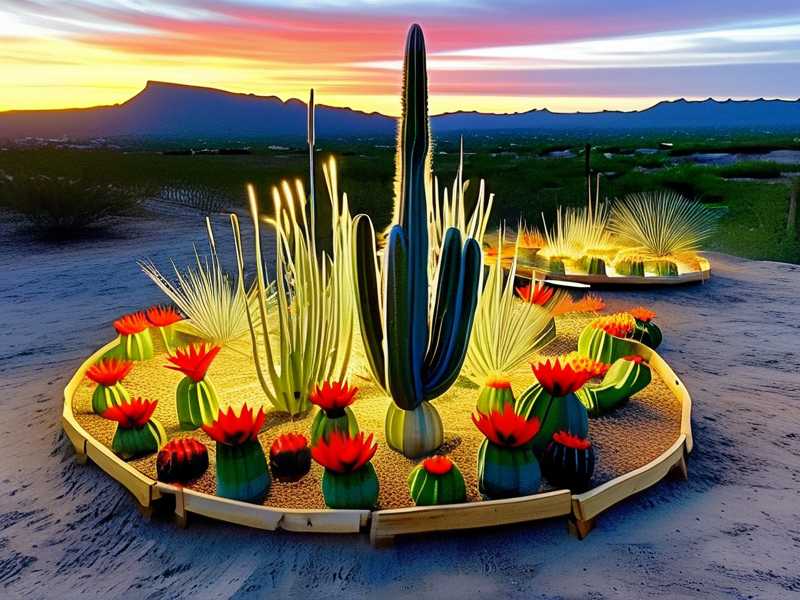
Beyond the initial soil mix, consider the broader layout. I plant on a south-facing slope to maximize winter sun and shed water. Terraces with retaining walls made of dry-stacked native stone are both aesthetic and functional, providing excellent drainage and radiant heat. The American Horticultural Society’s (AHS) plant heat-zone map can be a useful tool alongside hardiness zones, as it indicates how well plants tolerate high heat—vital for those intense mountain summer days.
Winter Protection Strategies for Extreme Conditions
While these plants are hardy, a little care in their first winter or during extreme events is wise. My mistake was using plastic sheeting as an early frost protection—it trapped moisture and caused a minor rot spot on one Opuntia pad. The solution? Breathable coverings. Now, I use a layer of horticultural fleece (row cover) during forecasted severe ice storms or below-average cold snaps. For most established plants, a blanket of dry snow is actually the best insulator. Avoid mulching with organic materials like bark near the cactus crown, as it holds moisture.
Designing for Aesthetics and Resilience
A garden of high-altitude cactus species is a study in texture and form. I combine low, clustering types like Escobaria with the architectural forms of Pediocactus. I interplant them with other alpine survivors: creeping thyme, dwarf ornamental grasses, and sedums. This creates a naturalistic tapestry that looks intentional and provides a diversity of root structures to stabilize the soil. It’s a living demonstration of how to choose cacti for high-elevation landscaping that is both beautiful and ecologically sound.
Addressing Your Top Questions
Can I plant store-bought cacti from a regular garden center in my mountain garden? Be very cautious. Most mass-market cacti are greenhouse-grown for the indoor or mild-climate market. They lack the acclimation and hardiness of nursery-propagated, field-grown alpine and montane succulents. Always ask the grower about the plant’s provenance and hardiness testing. Investing in plants from specialists ensures you get genetics adapted to cold.
How often do I really need to water high-altitude cacti? Far less than you think. The mantra is “soak and dry.” In the growing season (late spring to early fall), I water only when the soil is completely dry for several days, and only if there has been no significant rainfall. A deep soak is better than frequent sprinkles. In late fall, I stop watering entirely to allow them to enter a dry, dormant state, which is crucial for enhancing frost resistance in mountain succulents.
What is the biggest threat to these plants once established? Winter wetness. Freezing temperatures are manageable for dormant, dry cacti. But when their roots sit in cold, wet soil, rot is almost inevitable. This is why the initial investment in perfecting drainage—through soil amendment, raised planting, and careful siting—is the single most important action you take. It’s more critical than any winter covering.
Transforming a challenging mountain plot into a vibrant garden is deeply rewarding. By focusing on genuine high-altitude cactus species, meticulously preparing their planting site, and learning from subtle signs during the critical establishment period, you can create a stunning, resilient landscape that requires minimal intervention. It connects your garden to the raw, beautiful ecology of the mountains themselves. Start with the right plants, build them the right home, and observe closely. The results—a garden that thrives with quiet strength through sun, wind, and snow—will be worth every bit of effort.