bluename
 How to Care for Medicinal Aloe Cactus-Like Species (Succulent) and Keep Them Thriving
I’ve killed my fair share of succulents. There, I said it. It’s a humbling admission for any plant enthusiast. You bring home a gorgeous, spiky medicinal aloe cactus-like species, full of hope for its healing gel and sculptural beauty, only to watch it turn mushy, brown, or limp within months. The frustration is real. Is it water? Sun? The soil? The answer is usually a combination, and getting it wrong means losing not just a plant, but a potential source of natural first aid. After years of trial, error, and learning from experts, I’ve developed a system that works. This guide isn’t just theory; it’s my lived experience, complete with the mistakes I’ve made and the simple fixes that transformed my succulents from struggling to spectacular.
Understanding Your Medicinal Aloe and Cactus-Like Succulent
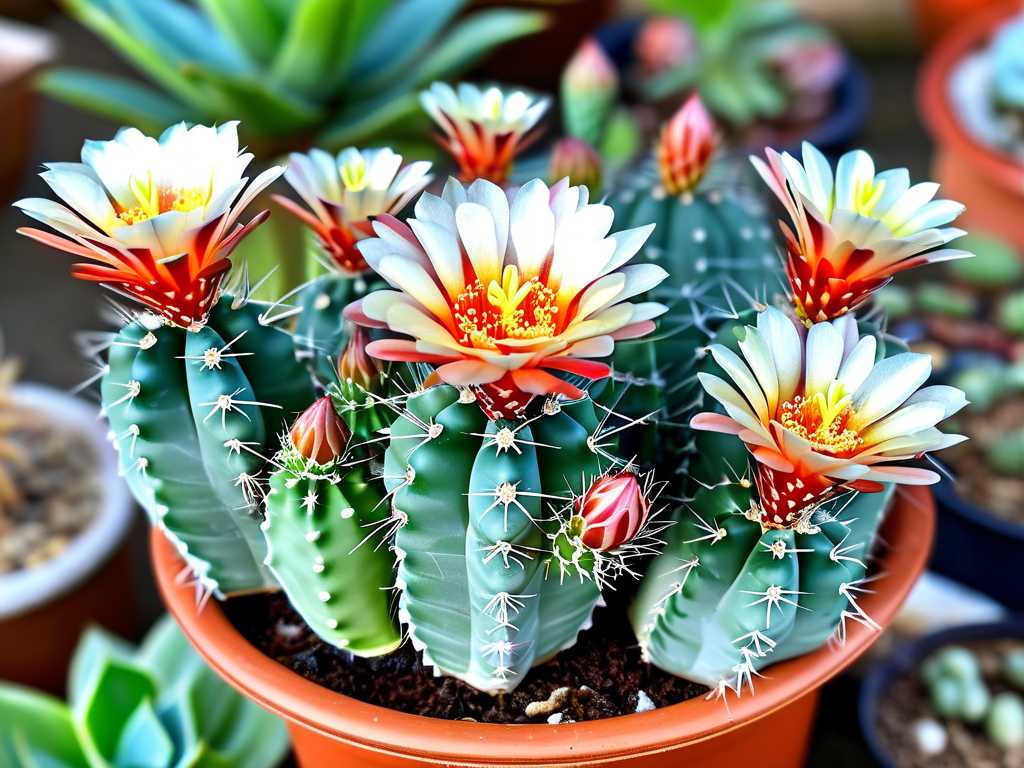
First, let’s clarify what we’re dealing with. When I say medicinal aloe cactus-like species, I’m referring to a group of succulent plants prized for their therapeutic properties and resilient, often architectural forms. The star, of course, is Aloe vera (Aloe barbadensis miller). But this family extends to relatives like the serrated Aloe arborescens, the striking Aloe ferox, and even cactus-like succulents such as certain Euphorbias or Sansevierias that share similar care needs. The Royal Horticultural Society (RHS) emphasizes that while these plants are adapted to arid conditions, their care must be precise; they are drought-tolerant, not drought-loving, and improper watering is the fastest route to failure.
My journey to mastering their care began with one simple realization: I was treating my desert plants like tropical ferns. I was loving them to death with water.
The Non-Negotiables: Light, Soil, and Water
Getting these three pillars right is 90% of the battle. Here’s my hands-down, proven method.
Sunlight: The Energy Source These plants crave bright, indirect light. A south or west-facing window is ideal. I learned the hard way that too much direct, scorching afternoon sun can cause unsightly brown burns on the leaves. Conversely, too little light leads to “etiolation”—where the plant stretches out, becoming pale and leggy as it searches for the sun. The American Horticultural Society (AHS) notes that most medicinal aloes require at least 6 hours of bright light daily for compact growth and potent gel development. My solution? I use a sheer curtain to diffuse intense afternoon rays. For my plants in less-than-ideal spots, I supplement with a basic grow light for 12-14 hours a day, which made a dramatic difference in their color and firmness.
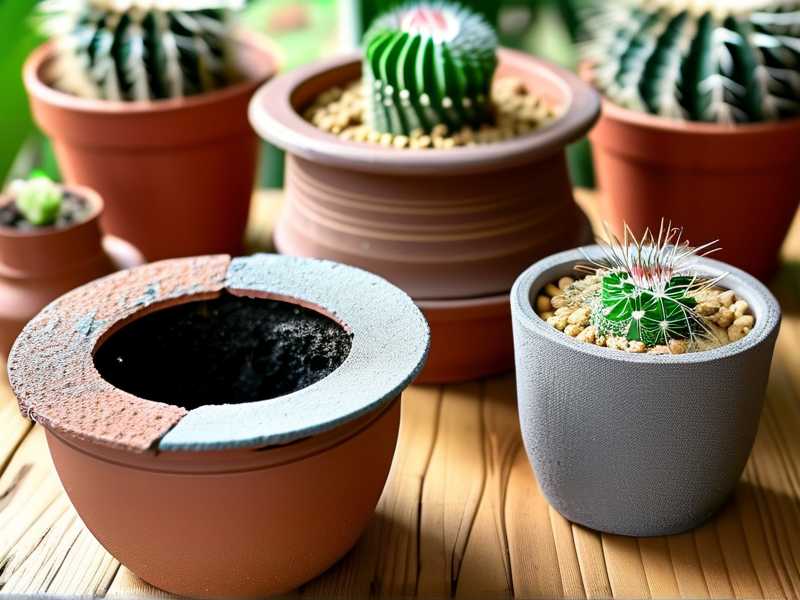
The Perfect Soil Mix: Drainage is Everything This was my biggest breakthrough. Standard potting soil retains too much moisture, leading to root rot. I now use a gritty, well-draining mix. My recipe: 2 parts cactus/succulent potting soil, 1 part perlite, and 1 part coarse sand or poultry grit. This mix mimics their native, rocky terrain and allows water to flow through instantly. A pot with a generous drainage hole is non-negotiable. Terra cotta pots are excellent because they are porous and help wick away excess moisture.
The Art of Watering: Soak and Dry Forget the weekly schedule. The “soak and dry” method is the golden rule. Here is my exact step-by-step guide for watering succulent plants:
- Check the Soil: Insert your finger into the soil up to the second knuckle. For larger pots, use a wooden chopstick. If it comes out clean and dry, it’s time.
- Soak Thoroughly: Take the plant to the sink and water slowly until water runs freely out of the drainage hole. This ensures the entire root ball gets moistened.
- Drain Completely: Let the pot sit in the sink until all excess water has drained. Never let the plant sit in a saucer of water.
- Wait: Do not water again until the soil is completely dry. This could be every 10-14 days in summer, and every 3-4 weeks or longer in winter when the plant is dormant.
I documented a two-week observation of aloe care results after correcting my watering. A previously soft-based Aloe vera that I had nearly overwatered was repotted into my gritty mix. I watered it deeply on day one. After two weeks of bright light and no further water, the leaves plumped up significantly, regained a firm texture, and the pale green color deepened to a healthy grey-green. The plant stopped looking stressed and simply looked… content.
Propagation and Long-Term Health
How to Propagate Aloe and Cactus Pups Successfully One of the joys of these plants is how they produce “pups” or offsets. My Aloe vera constantly creates babies. Here’s my safe method:
- Wait until the pup is at least one-third the size of the mother plant and has its own roots.
- Gently remove the entire plant from its pot and brush away soil to expose the connection.
- Using a clean, sharp knife, cut the pup away, ensuring it keeps some roots.
- Let the pup sit in a shady, dry spot for 2-3 days to allow the cut to callous over. This prevents rot when planted.
- Plant in a small pot with your dry succulent mix. Do not water for the first week, then water lightly. Resume normal care once you see new growth.
Feeding and Repotting These are not heavy feeders. I fertilize only during the active growing season (spring and summer) with a balanced, diluted liquid fertilizer (half-strength) once a month. Repot every 2-3 years in spring, moving to a pot only 1-2 inches larger in diameter.
Common Problems I’ve Faced (And Solved)
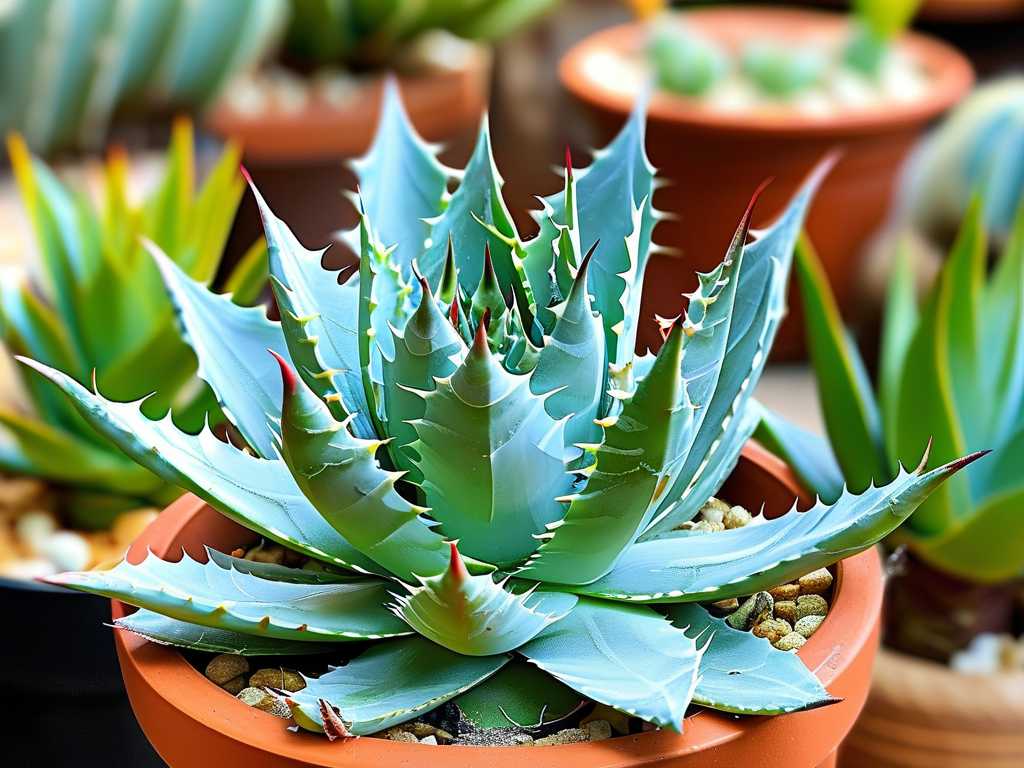
- Soft, Mushy Leaves/Brown Base: Classic overwatering and root rot. Solution: Immediately stop watering. Unpot the plant, remove all black, mushy roots and leaves with a sterile tool. Let the plant dry out for several days, then repot in fresh, dry mix. Wait a week before a light watering.
- Thin, Curling, Brown-Tipped Leaves: Underwatering. The plant is using its internal reserves. Solution: Give it a thorough soak. The leaves should plump up within a few days.
- Brown, Crispy Spots on Leaves: Sunburn. Solution: Move to a location with bright but indirect light. The damaged leaves won’t recover, but new growth will be healthy.
- Leggy, Reaching Growth: Insufficient light. Solution: Gradually move to a brighter location or introduce a grow light. You can behead the plant and replant the top once it callouses.
Harvesting Medicinal Gel Responsibly
For Aloe vera, harvesting gel requires care to keep the plant healthy. Always choose a mature, outer leaf. Using a clean knife, cut the leaf as close to the base as possible. Place it upright in a cup for 15 minutes to let the yellow latex (aloin, a laxative) drain out. Then, fillet the leaf to scoop out the clear inner gel. The mother plant will seal the wound. I never harvest more than one or two leaves per plant per season.
What is the biggest mistake beginners make with medicinal aloes? Overwatering, without a doubt. Our instinct is to nurture with water, but with these drought-adapted plants, neglect is better than excess. Always err on the side of dryness.
Can I keep my aloe plant in a bathroom with no window? I strongly advise against it. While the humidity is fine, the lack of light will cause the plant to weaken, stretch, and eventually die. These plants need significant bright light to thrive and produce their beneficial gel.
My aloe plant has outgrown its pot and is tipping over. What should I do? It’s time to repot. Choose a heavy, wide-based pot (like terra cotta) that is slightly larger than the root ball. You can also remove some of the larger, outer leaves at the base when you repot to help balance the plant. Use a sturdy potting mix and consider adding a top layer of small stones for extra stability.
Caring for these remarkable plants is a lesson in mindful observation. It’s about understanding their language—plump leaves mean happiness, soft stems signal distress. By providing relentless drainage, abundant light, and disciplined watering, you’re not just keeping a plant alive; you’re cultivating a resilient, living pharmacy that rewards patience with stunning growth and timeless, natural remedy. Start by getting the soil and water right, and everything else follows.