bluename
 How to Grow Clustered Rebutia Cactus Species in Containers: A Complete Guide for Lush, Blooming Displays
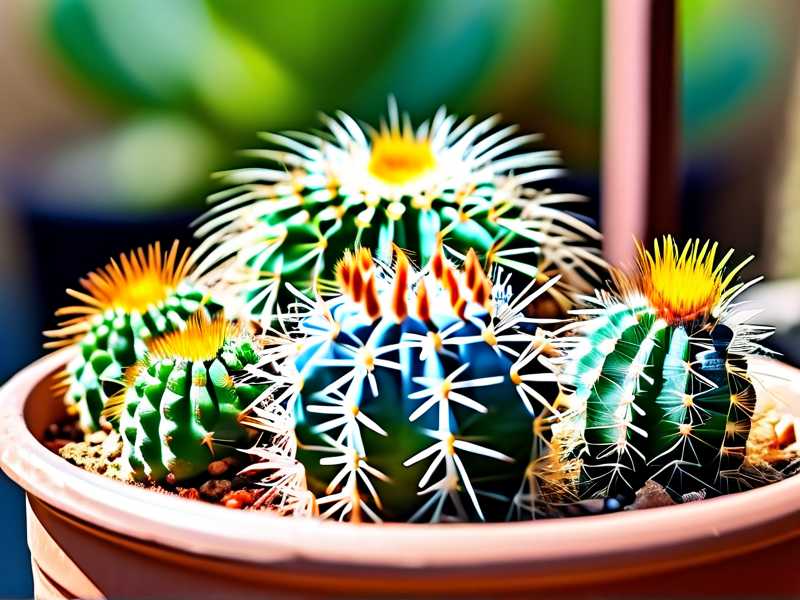
I remember the first time I saw a mature, flowering Clustered Rebutia cactus. It wasn't a single, stoic pillar, but a vibrant, living sculpture—a dense mound of soft green spheres smothered in a crown of fiery orange blooms. I was instantly captivated. But when I brought my first small pot home, excitement quickly turned to frustration. My attempts resulted in either a pale, stretched-out plant or, heartbreakingly, a soft, rotten mess. If you've ever struggled to keep these charming "crown cacti" thriving in pots, you're not alone. Their compact, clustering nature promises easy care, but the secret lies in replicating the specific, often misunderstood, conditions of their high-altitude Andean homes. After years of trial, error, and meticulous observation, I've perfected a container-growing method that transforms these challenges into a rewarding spectacle of color and texture.
Understanding Your Clustered Rebutia: More Than Just a Cactus
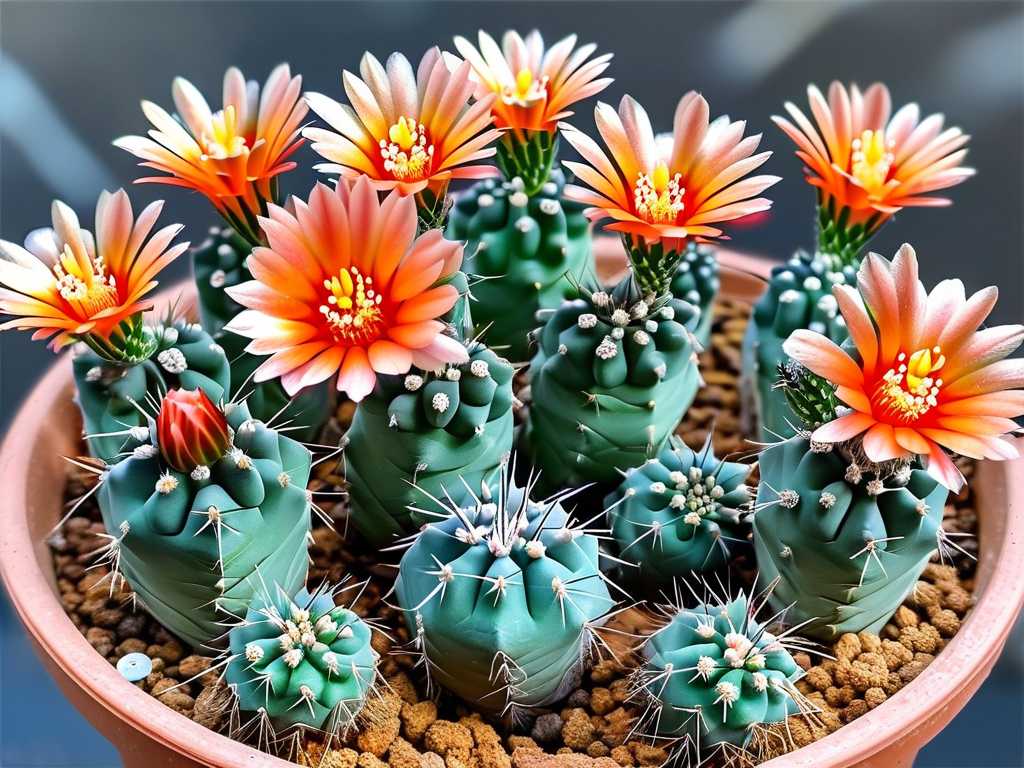
Before we dive into the soil and pots, it's crucial to understand what makes Rebutias, particularly clustering species like Rebutia heliosa, R. marsoneri, or the classic R. minuscula, unique. Unlike desert giants, they originate from mountainous regions in Bolivia and Argentina. This means they are adapted to bright light but often filtered, cooler temperatures, and excellent air circulation. Their clustering habit—producing numerous offsets or "pups"—is a survival strategy, creating their own protective microclimate. In containers, we must facilitate this natural behavior, not fight against it. As noted by the Royal Horticultural Society (RHS), successful cacti cultivation hinges on "understanding the natural habitat," a principle absolutely critical for these mountain dwellers.
My Essential Toolkit for Container Success
Gathering the right materials from the start prevents countless problems. Here’s what I swear by:
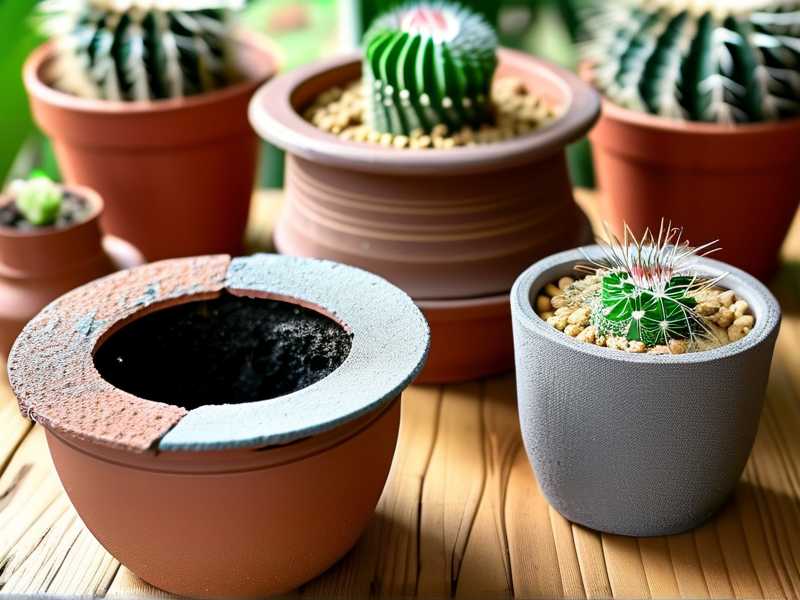
The Container: Drainage is non-negotiable. I use unglazed terracotta pots, which are porous and allow the soil to breathe, preventing water from lingering at the roots. The pot should be wide and shallow rather than deep, accommodating the plant's lateral spreading habit. A drainage hole is a must.
The Soil Mix: This is where I made my biggest initial mistake. Standard cactus soil is often still too moisture-retentive. My proven mix is:
- 40% mineral grit (pumice or perlite)
- 40% coarse, screened horticultural sand
- 20% quality potting soil or coconut coir This creates a fast-draining, aerated environment that mimics their native rocky slopes.
Other Essentials: A small watering can with a narrow spout, a pair of fine-tipped tweezers for debris removal, a soft brush for cleaning spines, and a balanced, water-soluble fertilizer formulated for cacti and succulents.
A Step-by-Step Guide to Planting and Cultivation
Step 1: Potting and Initial Setup I always start with a clean pot. I place a small piece of mesh or a pottery shard over the drainage hole to prevent soil loss. Then, I add a layer of my gritty mix. Gently removing the Rebutia from its nursery pot, I carefully tease away the old soil, inspecting the roots for any signs of rot (dark, mushy threads). Healthy roots are light-colored and firm. I position the plant so its base is just below the pot's rim, backfilling with my mix and tapping the pot to settle it. I do not water immediately. This critical step allows any minor root damage to callus over, preventing infection. The plant goes into a bright, indirect light spot for about a week.
Step 2: The Watering Rhythm – Learning the Language of Thirst This was my hardest lesson. Rebutias need a "soak and dry" method, but the timing is seasonal. During the active growing season (spring and summer), I water only when the soil is completely dry throughout the pot. I check by weight—the pot feels very light—or with a moisture meter. Then, I water thoroughly until it runs freely from the drainage hole, ensuring the entire root ball is moistened. In winter, when they are dormant, I withhold water almost completely, perhaps giving a tiny sip once a month if the stems show signs of excessive shriveling.
My 2-Week Observation Log: To illustrate, here's a snapshot from last spring. I watered a pot of Rebutia heliosa on Day 1. By Day 5, the top was dry, but the pot still had weight. The stems were firm and plump. On Day 10, the pot was significantly lighter. By Day 14, the soil was bone-dry, and the very tips of the stems had a slight, yielding softness—the plant's subtle signal it was ready. I watered on Day 15, and within 48 hours, the stems regained full turgor. This cycle taught me to read the plant, not the calendar.
Step 3: Light and Temperature for Optimal Growth and Flowering Rebutias love light but can scorch in intense, direct afternoon sun behind glass. I provide bright, direct morning sun for 4-6 hours, with dappled or indirect light in the afternoon. An east-facing window is ideal. To encourage their spectacular blooming, they require a cool, dry, and bright winter rest period. I keep them in a well-ventilated spot where temperatures drop to around 40-50°F (5-10°C). This seasonal temperature variation is the key trigger for flower bud formation. The American Horticultural Society (AHS) emphasizes that for many high-altitude plants, "a distinct dormancy period with cooler temperatures is essential for robust seasonal growth and flowering."
Step 4: Feeding and Encouraging Clusters During the growing season, I feed my Rebutias monthly with a half-strength, low-nitrogen fertilizer. Over-fertilizing, especially with nitrogen, leads to weak, watery growth that is prone to rot and less likely to flower. The clustering happens naturally with good care. However, if a plant remains solitary, some experts suggest a very slight root restriction or a minor increase in light exposure can stimulate offset production.
Troubleshooting: The Pitfalls I've Encountered and Solved
The Stretch (Etiolation): My first Rebutia became a pale, elongated search for light. Solution: I gradually moved it to a brighter location. The new growth compacted, but the stretched portion remained. I eventually used it for propagation, cutting and rerooting the healthy top.
The Squish (Root Rot): This is the most common killer. I caused it by watering on a schedule and using a plastic pot with poor-draining soil. Solution: I un-potted the plant, removed all soft, rotten tissue with a sterile knife, let it dry for a week, and re-rooted it in the proper gritty mix in a terracotta pot. Recovery took months, but it taught me the supreme importance of drainage and patience.
The Pale Scorch: Too much harsh sun too quickly can bleach the skin. Solution: I provided shade immediately. The plant recovered its color over time, and I now acclimate all my plants gradually to stronger light over 2-3 weeks.
Pests: Mealybugs can hide in the dense clusters. Solution: I use a cotton swab dipped in isopropyl alcohol to dab directly on the pests. Regular inspection with a flashlight is my best defense.
Propagating Your Own Clusters
The joy of Rebutias is sharing them. The easiest method is to gently twist off a healthy offset, let it dry for a day or two to form a callus, and then place it on top of the gritty soil mix. I mist the soil lightly every few days until roots establish, then treat it as a mature plant. Growing from seed is rewarding but slow, requiring patience and a sterile setup.
How often should I really water my clustered Rebutia cactus? Forget a weekly schedule. Water only when the soil is completely dry, which could be every 10-14 days in summer and every 4-6 weeks in winter. Always let the plant's condition and the pot's weight be your guide, not the date.
Why is my Rebutia cactus not flowering or producing pups? The most likely culprits are insufficient light and the lack of a proper winter dormancy period. Ensure it gets enough direct morning sun and experiences cooler (but frost-free), dry conditions in winter. A pot that is slightly too small can also encourage clustering and flowering as a natural response.
Can I use a decorative pot without a drainage hole? I strongly advise against it. Root rot is the fastest way to lose your plant. If you must use a cache pot, plant your Rebutia in a plain nursery pot with excellent drainage, and then place that inside the decorative pot. Always remove it for watering and let it drain completely before putting it back.
Growing Clustered Rebutia cacti in containers is a journey of attentive observation. It requires respecting their need for sharp drainage, seasonal rhythms, and bright, gentle light. When you get it right, the reward is unparalleled: a resilient, ever-expanding colony that showers you with brilliant blooms season after season, a miniature mountain landscape thriving on your windowsill. Start with the right soil, master the watering, and provide that crucial winter rest. Your patience will be repaid with a living jewel that grows more beautiful with each passing year.