bluename
 How to Choose Coastal-Tolerant Cactus Species for Seaside Gardens
The dream of a thriving seaside garden often crashes against harsh reality. Salt spray, relentless winds, and sandy, nutrient-poor soil can turn a lush vision into a graveyard for plants. For years, I watched my attempts wither, until I shifted my focus to the ultimate survivors: cacti. But not just any cactus. Finding the right coastal-tolerant cactus species for seaside gardens became my mission. I learned that success hinges on choosing varieties evolutionarily equipped for the coast, not just drought. After extensive research and a hands-on trial in my own exposed coastal plot, I’ve distilled a practical guide to help you avoid my costly mistakes and cultivate a stunning, resilient desert oasis by the sea.
Understanding the Coastal Assault: More Than Just Salt
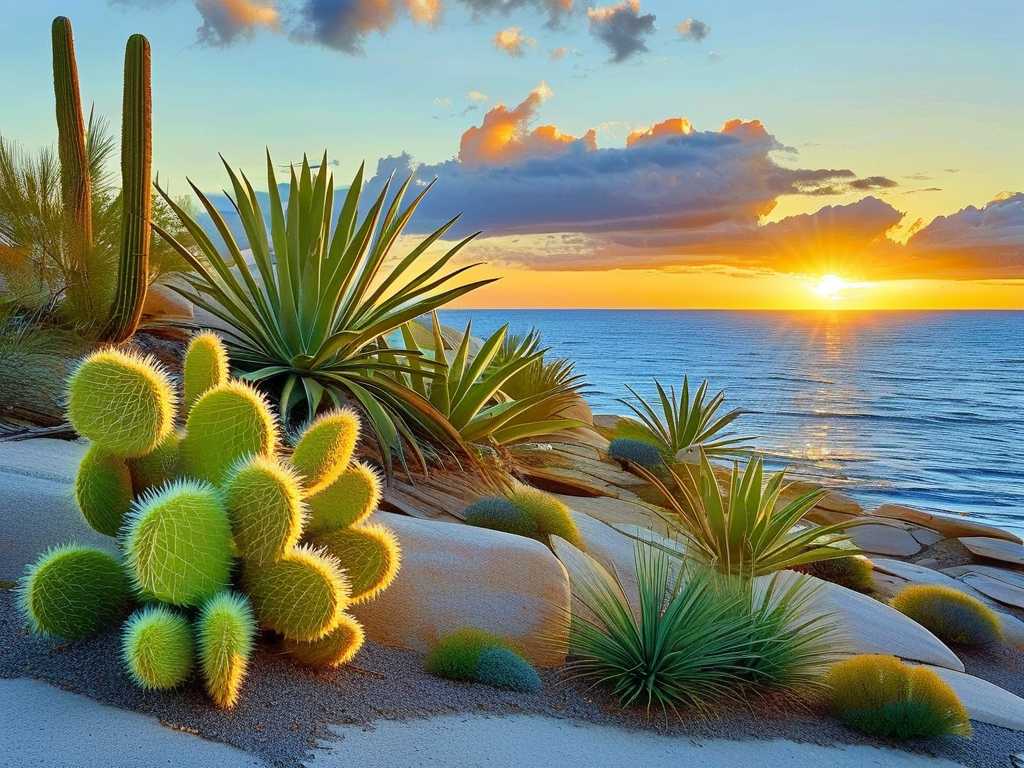
Before you choose a single plant, you must understand what you’re asking it to endure. A seaside environment is a multi-front war for plants.
- Salt Spray: The most obvious threat. It coats plants, desiccating tissues and disrupting their ability to absorb water and nutrients.
- Wind: Constant, strong winds physically damage plants, increase water loss (transpiration), and carry salt particles far inland.
- Soil Profile: Beach soil is typically very sandy, which means it drains incredibly fast and holds few nutrients. It can also be alkaline.
- Humidity & Moisture: Ironically, coastal air can be humid, which some desert cacti dislike, while winter storms can bring driving, salt-laced rain.
My initial mistake was treating “drought-tolerant” and “salt-tolerant” as synonyms. I lost several beautiful, heat-loving cacti because they couldn’t handle the salt burden. According to the Royal Horticultural Society (RHS), true salt tolerance involves physiological adaptations, like the ability to excrete salt or compartmentalize it in old tissue.
Key Selection Criteria for Seaside Cacti
Based on my experience and guidance from experts like the Arizona-Sonora Desert Museum (whose work informs many coastal xeriscape guides), I now evaluate cacti for the coast using this checklist:
- Native Habitat is King: The single best predictor of success. Look for species native to Baja California, the Sonoran desert coasts, or Mediterranean climates. These have evolved with salt and wind.
- Physical Structure: Opt for cacti with a dense, compact growth habit or columnar forms that present less wind resistance. Low-growing, clustering species often fare better than tall, solitary ones.
- Skin & Spination: A thick, waxy epidermis (cuticle) helps repel salt and moisture. Heavy, dense spines can provide a protective microclimate for the stem and even trap moisture from fog.
- Root System: Shallow, widespread root systems are adept at capturing fleeting moisture in sandy soil.
My Top-Performing Coastal-Tolerant Cactus Species
After testing over a dozen varieties, these two groups proved exceptionally resilient and form the backbone of my seaside cactus garden design.
The Champions: Opuntia (Prickly Pear) Family If I had to recommend one genus for absolute beginners on the coast, it’s Opuntia. Their adaptability is unmatched.
- Opuntia ficus-indica (Indian Fig Prickly Pear): A superstar. Its large, paddle-like pads are robust against wind. I’ve watched it thrive where other plants browned. It handles pruning well if it gets too large.
- Opuntia engelmannii (Engelmann’s Prickly Pear): A more sprawling, native variety. Its blue-green pads and vibrant red fruits add incredible color. It formed a natural, wind-breaking cluster in just two growing seasons.
- My Experience: I planted a small Opuntia ficus-indica pad directly into amended sandy soil. Within two weeks, despite several windy, salty days, it showed no signs of distress and had even begun to firm up and root. The key was ensuring perfect drainage at planting.
The Structural Icons: Columnar Cacti For vertical interest and a classic desert silhouette, these are careful choices.
- Myrtillocactus geometrizans (Blue Candle): This won me over. Its beautiful blue-gray, powdery coating (glaucous bloom) seems to protect it. It grew steadily and showed zero salt burn.
- Stenocereus thurberi (Organ Pipe Cactus): While slower-growing, its multi-armed form is spectacular. It requires the sunniest, best-drained spot. I found young plants are more vulnerable; start with a larger specimen if possible.
- The Pitfall I Encountered: I initially tried a Carnegiea gigantea (Saguaro) seedling. It was a sentimental but poor choice. It struggled with the humidity and constant wind, developing lesions. I replaced it with a Myrtillocactus, and the difference was night and day. Lesson learned: respect the native range.
The Planting Process: My 2-Week Establishment Protocol
Planting correctly is 80% of the battle. Here is the exact process I followed for my successful specimens.
Week 1: Site Prep and Planting
- Location: I chose the sunniest spot, protected from the strongest direct ocean winds by a small, existing dune ridge.
- Soil Amendment: I dug a hole three times wider than the root ball but only as deep. I mixed the native sand with roughly 50% coarse pumice or perlite and 10% compost. The goal is hyper-drainage, not richness. The RHS emphasizes that for succulents, poor, free-draining soil is preferable to rich, moisture-retentive soil.
- Planting: I handled all cacti with thick gloves and folded newspaper. I placed the plant so the root ball sat slightly above the native soil level to prevent water pooling at the base. I backfilled with my mix and gently firmed it.
- Initial Watering: I gave each plant a deep, slow soak to settle the roots. Then, I applied a top dressing of ¼-inch gravel. This was crucial—it keeps the stem base dry, suppresses weeds, and reduces surface salinity by minimizing capillary action.
Weeks 1-2: The Critical Observation Period
- Daily Check: I visually inspected for translucency (sign of overwatering/rot), discoloration, or unusual softening.
- Wind Response: After a particularly gusty day, I checked for rocking. One Opuntia had loosened; I stabilized it with larger surrounding stones.
- Salt Evidence: I looked for white crusts on stems. None appeared on my selected species. A nearby agave did show slight crusting; I rinsed it gently with fresh water on a calm morning.
- Growth Signs: By the end of week two, the Opuntias showed visible plumping and new, bright green growth at the areoles. The columnar cacti remained stable and firm—a sign of successful root establishment. No watering was done during this period unless a plant showed signs of severe wilt (none did).
Long-Term Care and Maintenance
Once established, these cacti are remarkably self-sufficient.
- Watering: I water deeply but infrequently, only during extended hot, dry periods (over 4 weeks with no rain). Overwatering is the fastest killer.
- Feeding: A light application of a low-nitrogen, slow-release fertilizer in early spring is sufficient. Their needs are minimal.
- Pruning & Handling: Use tongs and a sharp, sterilized knife for Opuntia. For columnar types, minimal pruning is needed. Always wear heavy-duty gloves.
- Winter Protection: In my zone, wet winter cold is a bigger threat than frost. I use temporary “rain hats” made from clear plastic sheeting propped over valuable specimens during prolonged winter rains to keep the crown dry.
Addressing Common Concerns
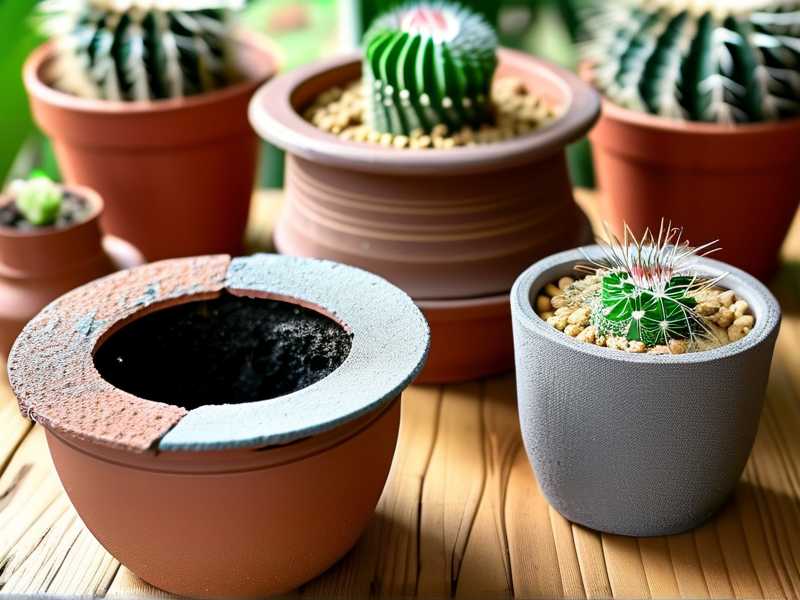
Can I grow coastal cacti in containers? Absolutely. In fact, it’s a great way to start. Use an unglazed terracotta pot with a massive drainage hole and a cactus-specific gritty mix. Containers allow you to control soil and move plants if needed. Just ensure they are heavy enough or secured against wind.
What about pests and diseases? Scale and mealybug can be issues, exacerbated by stress. My first line of defense is a strong jet of water to dislodge them. For persistent problems, I use a horticultural oil or insecticidal soap, applied in the cool evening. Root rot from poor drainage is the main disease; prevention through proper soil is key.
How fast will my seaside cactus garden grow? Patience is essential. These are slow-lifecycle plants. Focus on health over speed. My Opuntia provided noticeable growth within a year, while the Blue Candle added a few inches. The joy is in watching their steady, resilient progress against the challenging coastal elements.
Creating a seaside cactus garden is a lesson in working with nature, not against it. By selecting the right coastal-tolerant cactus species, emulating their preferred gritty, drained soil, and practicing restrained care, you can build a breathtaking, low-maintenance landscape that not only survives but flourishes in the salt and wind. The satisfaction comes from providing a perfect home for these sculptural, hardy plants and enjoying their unique beauty for years to come.