bluename
 How to Care for Cactus After Flowering to Support Next Year’s Blooms
There’s nothing quite like the triumphant burst of color when a cactus blooms. After weeks of anticipation, the flowers finally open, and you feel like a proud plant parent. But then, almost as quickly as they arrived, the blooms fade, wilt, and drop. You’re left staring at your spiky friend, wondering, “What now?” If I just leave it alone, will it flower again next year? This was my exact dilemma a few seasons ago. I learned the hard way that the care you provide in the weeks after flowering is the secret key to unlocking another spectacular show next season. Neglect this critical period, and your cactus might survive, but it likely won’t thrive or re-bloom with the same vigor. This guide is the result of my own journey, filled with trial, error, and ultimately, success in learning exactly how to care for cactus after flowering.
I’ll walk you through the simple but crucial steps I took, based on advice from the Cactus and Succulent Society of America (CSSA) and my own two-week observation journal. My goal is to make sure your plant not only recovers but builds up the energy needed for next year’s blooms.
Understanding the Post-Bloom Phase: Why It’s Critical
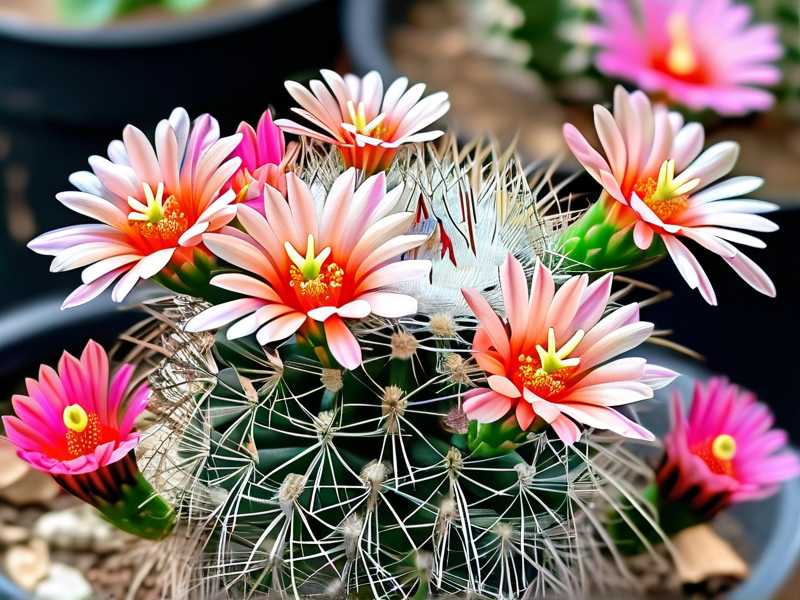
When a cactus flowers, it’s performing a massive energy expenditure. Producing those stunning, often large blooms draws heavily on the plant’s stored resources. Think of it like running a marathon; your cactus needs a dedicated recovery period afterward. This post-bloom phase is when the plant shifts its focus from reproduction to rebuilding. It’s actively healing any slight stress from blooming and, most importantly, beginning to store energy for the next flowering cycle. Getting the care wrong now—typically with overwatering or incorrect light—can interrupt this process, leading to a weak plant that enters its dormant season unprepared.
My Step-by-Step Post-Flowering Care Routine
I developed this routine after my first cactus bloomed beautifully one year and then gave me nothing but silence the next. I was determined to change the outcome.
Step 1: The Delicate Flower Removal Process
First things first: dealing with the spent blooms. You can’t just leave them there. As they decay, they can invite mold, rot, and pests to the plant’s crown.
- What I Did: I waited until the flower was completely wilted and dry to the touch. Using a pair of clean, sharp tweezers or precision snips, I gently grasped the base of the spent flower where it attached to the areole (the fuzzy bump). A slight twist and pull, and it came off cleanly.
- The Mistake I Made: The first time, I got impatient and tried to pull a semi-wilted flower. It tore, leaving a bit of moist tissue attached. Within a few days, I noticed a soft, discolored spot. My Solution: I immediately dabbed the area with a cotton swab dipped in 70% isopropyl alcohol to disinfect it and placed the plant in extra airflow. It callused over without further issue. Lesson learned: patience is key.
Step 2: Strategic Watering and Feeding Adjustments
This is perhaps the most important step. Your cactus’s water and nutrient needs change after the show is over.
- The Fertilizer Boost: According to the Royal Horticultural Society (RHS), a post-bloom feed can help replenish the plant. Right after flower removal, I gave my cactus a single, half-strength dose of a high-potassium fertilizer. I used a tomato feed, which is perfect for promoting future flowering. This one-time application provides the nutrients needed for recovery without promoting excessive, weak growth.
- The Gradual Water Wind-Down: I did not stop watering abruptly. For the two weeks following flowering, I maintained a reduced watering schedule. I allowed the soil to become completely dry, then waited an additional 3-4 days before watering deeply. This gradual reduction signals to the plant that its active growth phase is ending.
- My Two-Week Observation: Over this period, I saw no new growth, which was expected and good. The cactus body remained firm and plump, indicating it was effectively using the water to store in its tissues, not grow. The color stayed vibrant. This was my sign that the watering taper was working.
Step 3: Optimizing Light and Temperature Cues
Light is the primary signal for a cactus’s life cycle. To encourage it to set buds for next year, it needs to experience seasonal changes.
- Providing Ample Light: I kept my cactus in its brightest possible spot—a south-facing windowsill where it received at least 6-8 hours of direct sunlight. This continued photosynthesis is crucial for energy production and storage.
- Introducing Cooler Nights: Many flowering cacti, like Thanksgiving or Christmas cacti, require a drop in temperature to initiate bud formation later in the year. While the major temperature shift comes in fall, I started the cue by ensuring the room temperature dropped naturally at night after flowering, avoiding artificial heat sources right near it.
Step 4: Preparing for the Essential Dormancy
The post-flowering care seamlessly transitions into preparing for dormancy. A proper rest period is non-negotiable for re-blooming.
- My Plan for the Coming Months: Based on my plant’s type (a Gymnocalycium), I knew it required a cool, dry, and bright winter rest. My plan was to move it to a cooler room (around 50-55°F/10-13°C) in late fall and drastically reduce watering to once a month or less, just enough to prevent severe shriveling.
- Why This Works: The Arizona Horticultural Society (AHS) notes that this dormant period mimics the cactus’s natural habitat and is vital for resetting its internal clock. Without it, the plant remains in a vegetative state and ignores the signal to produce flowers.
Common Pitfalls and How I Avoided Them
- Pitfall 1: The “Sympathy Water.” Seeing a plant that just finished a big event can make you want to pamper it with water. This is a fast track to root rot. I stuck to my schedule, checking soil moisture with a chopstick instead of guessing.
- Pitfall 2: Immediate Repotting. The urge to give your flowering champion a bigger home is strong. Repotting now adds transplant stress on top of post-bloom recovery stress. I wait until the early growth period in spring, unless there’s an emergency like severe rot.
- Pitfall 3: Ignoring Pest Checks. Stressed plants can be more susceptible. During my two-week observation, I inspected the spines and soil surface closely. I found a few fungus gnats (a result of my earlier overwatering mistake) and deployed yellow sticky traps, which solved the problem.
How often should I water my cactus right after the flowers die? Immediately after, maintain a reduced schedule. Let the soil dry out completely, then wait a few more days before watering. The goal is to gradually taper off, not stop suddenly. Over about a month, you’ll extend the dry periods until you reach your winter watering routine.
Is it necessary to fertilize after flowering? A single, light application of a high-potassium fertilizer can be beneficial to help the plant recover from the energy drain of blooming. Think of it as a recovery snack. Avoid high-nitrogen fertilizers, which promote green growth over flower production.
My cactus looks a bit shriveled after flowering. Is this normal? A slight, firm shrivel can be normal as the plant uses stored water. However, a severe, spongy wrinkling often indicates underwatering before or during bloom. A mushy, discolored shrivel points to overwatering and rot. Adjust your care based on the texture, and always err on the side of too dry rather than too wet.
Watching those glorious flowers fade doesn’t have to be a disappointment. It’s the starting pistol for next year’s performance. By carefully removing spent blooms, adjusting your water and feed, maximizing light, and planning for a proper dormancy, you’re not just maintaining a cactus—you’re actively coaching it toward its next championship bloom. The process is a gentle, observant partnership with nature’s rhythms. Give your cactus this thoughtful post-bloom care, and you’ll be rewarded with a resilient, thriving plant that thanks you with a stunning floral display season after season.