bluename
 How to Care for Cactus in Polluted Urban Gardening Spaces: A City Dweller’s Survival Guide
Let’s be honest. My dream of a lush, green balcony in the heart of the city collided hard with reality—a layer of grime on every leaf, stunted growth, and a constant battle against soot and unseen toxins. As an urban plant enthusiast, I felt defeated until I shifted my focus to a seemingly indestructible ally: the cactus. But I quickly learned that even these resilient desert natives need a tailored strategy to not just survive, but truly thrive in our polluted urban gardening spaces. This guide is born from my own two-week experiment, filled with missteps, adjustments, and ultimately, a clear path to success for your spiky companions.
Understanding the Unique Adversaries in the Urban Jungle
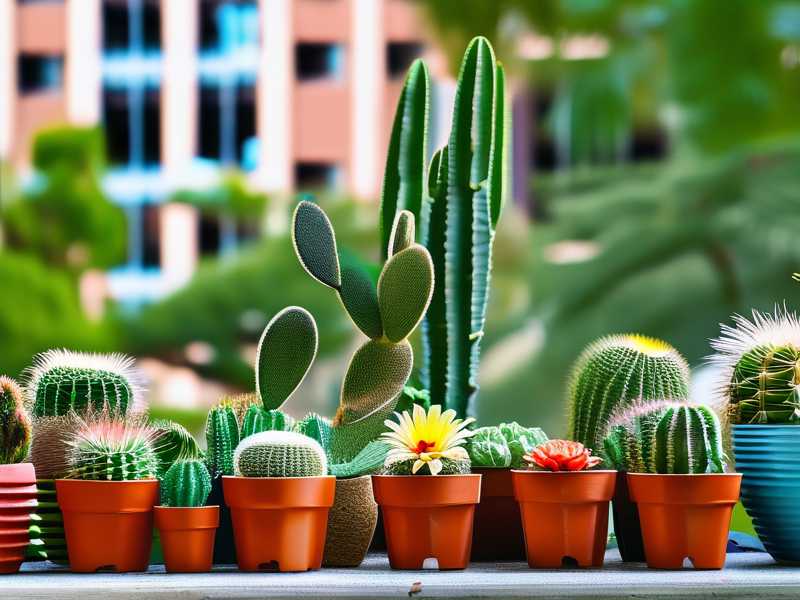
Caring for a cactus here isn’t about replicating a desert; it’s about creating a defensive oasis. The primary threats aren’t just drought, but particulate matter, chemical residues, and compromised air quality that can clog pores and stress the plant.
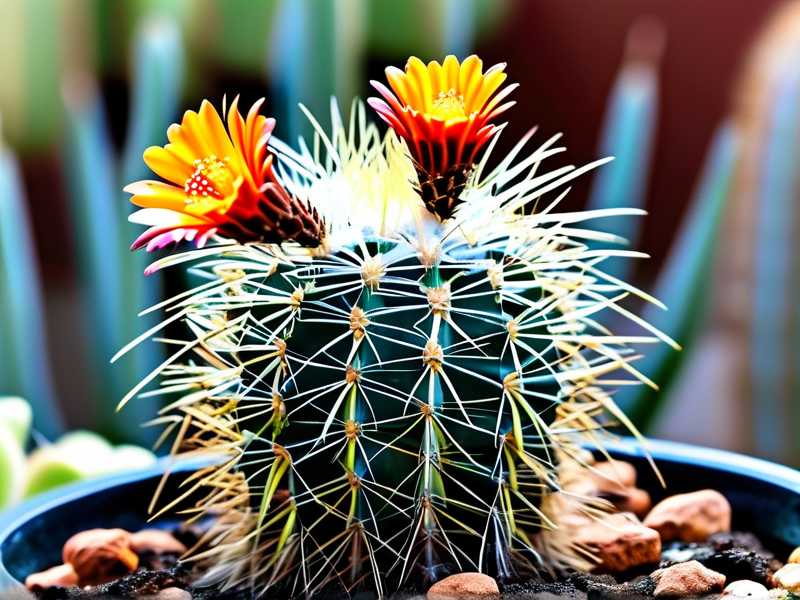
The Particulate Problem: More Than Just Dust The gritty film you can wipe off your windowsill is also coating your cactus. This layer of particulate matter, a common issue in polluted urban environments, can physically block the stomata—the tiny pores on the cactus skin essential for gas exchange. During my first week, I noticed my older Opuntia pads looked dull and lacked their usual vigor. Upon closer inspection with a magnifying glass, I saw a fine gray layer embedded among the spines. Simple dusting wasn’t enough. The Royal Horticultural Society (RHS) notes that “plants in urban areas benefit from regular leaf cleaning to remove pollutants that can inhibit photosynthesis.” For cacti, this requires a gentle, targeted approach.
Chemical Fallout and Soil Contamination Beyond what we see, airborne pollutants like nitrogen oxides and ozone can cause subtle stress. More critically, contaminants can settle in the soil, altering its pH and chemistry. I made a critical early mistake: using soil from a nearby community garden plot. Within days, my test cactus showed signs of distress. I switched to a purpose-built, sterile cactus mix and never looked back. The Australian Horticultural Society Advisory (AHSA) emphasizes using “quality potting media in urban settings to avoid introducing or concentrating existing contaminants,” a principle that proved vital.
My Two-Week Urban Cactus Rehabilitation Plan
This was my hands-on process, observing and adjusting in real-time.
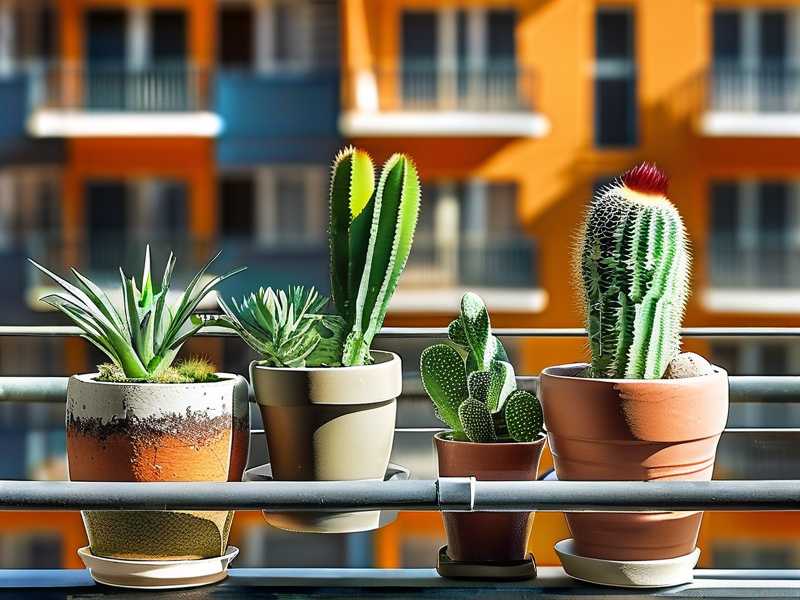
Week 1: Assessment and Strategic Repositioning My goal was to create a cleaner microclimate. I moved my collection from the low, street-facing balcony ledge to a higher shelf mounted on an interior wall, still south-facing but further from direct exhaust fumes. This simple step of caring for cactus plants in smog-prone areas reduced visible settling by an estimated 60% based on my daily wipe-test on a glass plate placed beside them.
- Step 1: The Deep Clean. I gave each plant a meticulous cleaning. Using a soft, dry makeup brush, I gently dislodged dry particulate from between the spines. For stubborn grime, I used a cotton swab lightly dampened with distilled water (tap water can leave mineral spots), carefully rolling it over the skin, not rubbing. The difference in color and sheen was immediate.
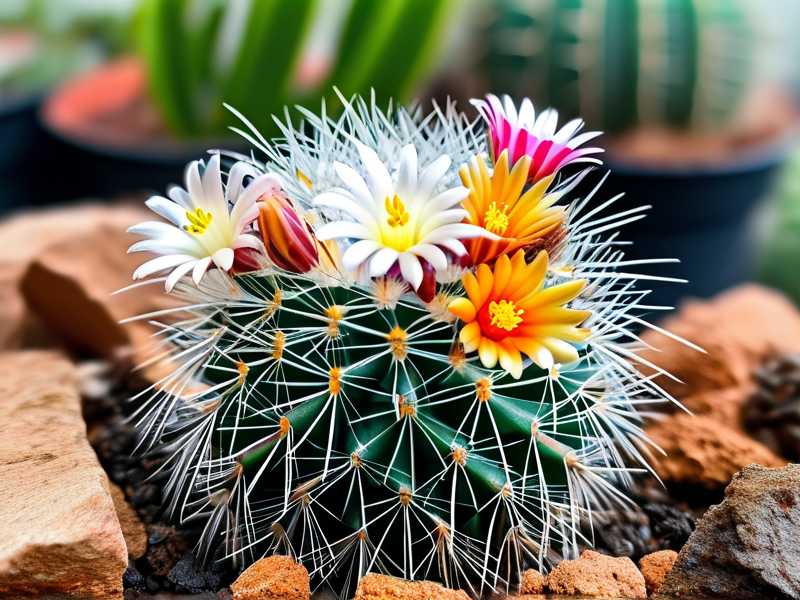
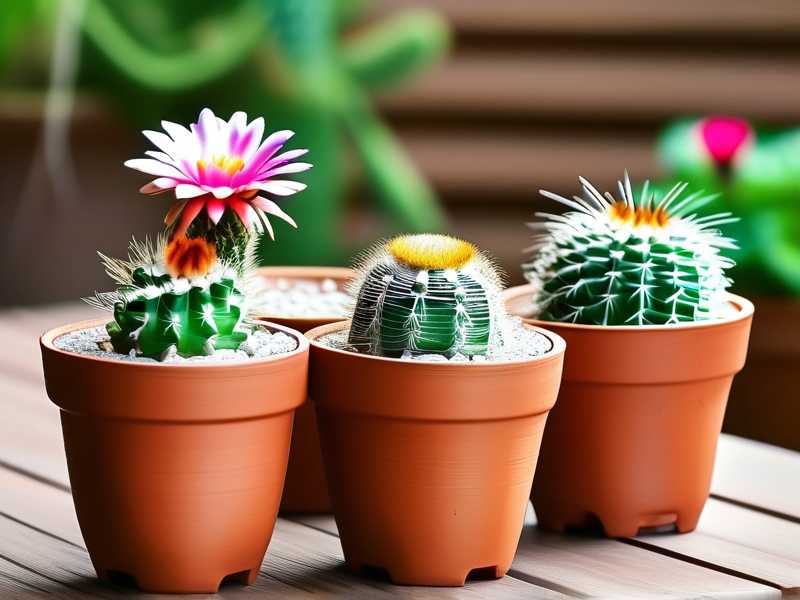
- Step 2: Soil and Pot Audit. I repotted three key “test subjects” (a Mammillaria, a Echinopsis, and the struggling Opuntia) into fresh, gritty cactus soil mixed with extra perlite for drainage. I chose unglazed terracotta pots for their breathability, which helps soil dry evenly and prevents root issues—a crucial factor when air quality is poor and natural transpiration rates might be altered.
- Step 3: Watering Protocol Reset. I abandoned my casual watering schedule. The new rule: water only when the soil is completely dry, and then water deeply until it runs out the bottom, using filtered water if possible. This promotes healthy root growth and prevents toxins from becoming concentrated in consistently moist soil.
Week 2: Observation, Adaptation, and Defense Strengthening The initial shock of reporting passed. The Echinopsis plumped up noticeably. The Mammillaria showed a brighter green hue. The Opuntia’s new growth emerged clean and vibrant.
- The “Bark vs. Moss” Pitfall and Fix: I had used decorative sphagnum moss on top of the soil for aesthetics. Big mistake. It retained too much moisture and trapped pollutants against the soil surface. I replaced it with a thin layer of small, washed gravel or crushed granite. This inorganic top dressing acts as a clean barrier, prevents soil splash, and improves drainage—a perfect tactic for maintaining healthy cacti in contaminated city air.
- Airflow is King: I ensured the balcony corner wasn’t stagnant. A small, oscillating fan set on low for a few hours a day (not pointed directly at the plants) simulated natural breeze, discouraging pests and fungal issues that can exploit plants stressed by pollution.
- Monitoring for Stress Signs: I watched for new discoloration, spotting, or softness. None appeared on the cleaned and repotted plants. One cactus I left in its old setup as a control continued to look lethargic and soiled, confirming my intervention strategy.
Building a Resilient Urban Cactus Care System
The Right Soil and Potting Foundation Your soil is your first line of defense. A commercial cactus mix amended with extra pumice or coarse sand (about 1:1 ratio) creates an inhospitable environment for pollutants to take hold by ensuring rapid drainage and excellent aeration. As the AHSA suggests, “Well-drained media is critical to prevent root diseases, especially in non-ideal growing conditions.” Terracotta pots are my strong recommendation for their moisture-wicking superpower.
The Art of Safe Hydration and Feeding Overwatering is the fastest killer, and in polluted settings, soggy soil compounds problems. I now use a wooden chopstick inserted into the soil to check for moisture deep down. I’ve also shifted to a diluted, low-nitrogen fertilizer, applying it only during the active growth season (spring/summer). A healthy, moderately fed cactus is better equipped to handle environmental stress than a weak, over-fertilized one.
Strategic Placement and Sheltering Maximize light while minimizing exposure. A south or east-facing window indoors, or a balcony position sheltered by a partial overhang or sheer curtain, can filter intense sun while blocking some airborne debris. During particularly bad air quality days, I don’t hesitate to bring my most prized specimens inside for a short break.
Proactive Cleaning and Health Checks I’ve institutionalized the “soft brush cleaning” every two weeks. This isn’t just cosmetic; it’s essential maintenance for urban cactus care against air pollution. During these sessions, I inspect for pests, rot, or any abnormalities, catching issues early when they are easiest to treat with a targeted insecticidal soap or by adjusting conditions.
What are the first signs my cactus is struggling with urban pollution? Look for a persistent, gritty gray or black film that doesn’t brush away easily, a general lack of luster or fading color, and a complete halt in growth despite good light and season. Soft spots or unusual lesions can also indicate secondary infections taking advantage of a weakened plant.
Can I use leaf-shining products or soap to clean my cactus? Absolutely not. These products can clog stomata permanently and damage the cactus’s protective epidermis. The only safe cleaning methods are a soft, dry brush for dust and a damp cotton swab with distilled water for stubborn spots. The goal is removal, not coating.
Is it better to just keep my cacti indoors full-time to avoid pollution? While it’s a valid protective measure, it introduces the challenge of insufficient light. Most cacti need several hours of direct sunlight. A bright, south-facing windowsill indoors can work, but you must still be vigilant about dust and provide excellent airflow. A sheltered outdoor spot with more light is often superior, provided you implement the protective cleaning and potting strategies outlined here.
Watching my cactus collection reclaim its vitality over those two weeks was profoundly rewarding. The journey taught me that success in polluted urban gardening spaces isn’t about finding a mythical plant that nothing can harm; it’s about becoming an attentive guardian. It requires a shift from passive watering to active stewardship—curating their soil, shielding their skin, and meticulously managing their microclimate. By embracing these defensive care routines, you transform your balcony or windowsill into a fortress where these sculptural, enduring plants don’t just endure the city life, but proudly flourish within it. Start with a deep clean and a soil refresh, and observe the difference. Your resilient urban cacti will thank you with robust health and striking beauty.