bluename
 How to Care for Cactus to Prevent Etiolation and Stretching: A Grower’s Journey
I’ll admit it. For years, I thought my tall, skinny, pale cactus was just… growing. It wasn’t until one toppled over, its stem too weak to support its own height, that I realized I had a problem. I was accidentally starving my plants of light, causing a condition known as etiolation. If you’ve ever wondered why your cactus is stretching out thin and leaning desperately toward the window, you’re dealing with the same issue. This guide is born from my own two-week experiment to correct and prevent cactus etiolation and stretching, sharing the exact steps, observations, and mistakes I made along the way.
Understanding Etiolation: It’s Not Growth, It’s Distress
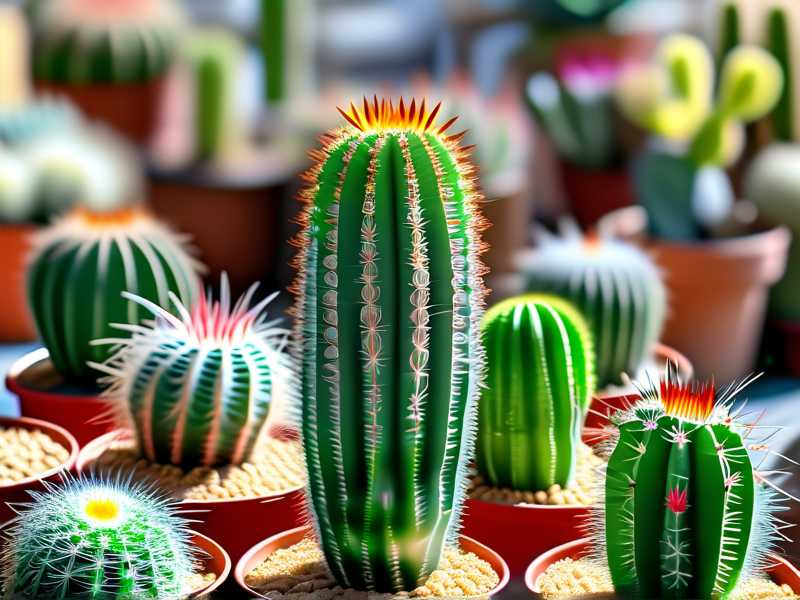
Etiolation is a plant’s survival response to insufficient light. The cactus, in a desperate search for a brighter spot, accelerates vertical growth at the expense of everything else. The new growth becomes stretched, with wider spaces between the areoles (the spots where spines grow), and the stem often turns a lighter, yellowish-green. This growth is weak, structurally unsound, and robs the plant of its classic, compact form. According to the Royal Horticultural Society (RHS), etiolation is a clear sign of a compromised environment, leaving plants vulnerable to disease and physical damage. My goal became clear: to create an environment where this stretching simply wouldn’t happen.
My Two-Week Correction and Prevention Plan
I selected three etiolated cacti for this experiment: a Mammillaria that was leaning, a stretched Echinopsis, and a young Opuntia pad that was growing unusually tall. Here was my actionable plan.
Week 1: The Diagnosis and Immediate Action
The first step was an honest assessment. I moved all my cacti to a south-facing windowsill, the brightest indoor spot I had. This was my baseline. I knew, as the Arizona Horticultural Society Advisory (AHSA) notes, that most desert cacti require several hours of direct sunlight daily to maintain their natural shape. My windowsill provided about 4-5 hours of direct sun—a good start, but likely insufficient for full recovery, especially in winter.
I also inspected each plant for pests and checked the soil. All were in a well-draining cactus mix, which was good. Overwatering often compounds etiolation issues, leading to rot in the weakened stem. I held off on watering entirely for the first week to let them fully dry out and focus on light adjustment.
By Day 3, I noticed a subtle change. The pale green tips of the stretched growth on the Echinopsis began to darken slightly. This was a positive sign of increased chlorophyll production. However, the physical stretching was permanent. This is a critical point: how to fix an etiolated cactus does not involve shrinking the stretched part. That damage is done. The goal is to stop further stretching and encourage healthy, compact new growth from the top.
The Mistake I Made: Sunburn Scare
Eager to accelerate the process, I considered using a grow light. I purchased a basic LED panel and, without acclimating them, placed my cacti under it for 12 hours. By the next morning, the Mammillaria showed ugly yellow-brown patches—sunburn. I had moved them from low light to intense light too quickly.
The solution was immediate and gradual acclimation. I moved the light much higher, reducing its intensity, and started with just 2 hours of supplemental light per day, increasing by 30 minutes daily. I also rotated the plants a quarter turn each day to ensure even exposure. This patience is key to preventing cactus stretching without causing new stress.
Week 2: Stabilization and Observing New Growth
By the start of the second week, a new routine was set: morning sun on the windowsill, followed by 4 hours of gentle, supplemental grow light in the late afternoon. I gave them a deep, thorough watering only when the soil was completely dry an inch below the surface.
The most exciting observation came around Day 10. On the Echinopsis, right at the tip of the etiolated section, I spotted the tiniest, denser growth emerging. The areoles were closer together, and the color was a deeper, healthier green. This was the confirmation I needed—the plant was now receiving enough “energy” to grow properly again. The stretched section below would remain, acting as a permanent lesson, but the new growth from this point on would be normal.
My Opuntia pad also began to firm up, and its slight lean started to correct itself as it grew more evenly toward the light source. The Mammillaria’s sunburn scars calloused over, and it stopped leaning further.
Long-Term Strategies to Keep Your Cactus Compact and Healthy
The two-week experiment proved that correction is possible, but prevention is forever. Here’s my ongoing protocol.
-
Mastering the Light Equation Light is non-negotiable. A south or west-facing window is the minimum. Observe your plant: compact growth and vibrant color mean success. Stretching or paling means it needs more. For most collectors, a grow light isn’t optional; it’s essential for consistent year-round light, especially in northern climates. I now use my LED light for 6-8 hours a day in the darker months, mimicking a strong desert sun cycle.
-
The Watering Rhythm Sync Watering is directly tied to light. A cactus in bright, hot light uses water efficiently. The same cactus in low light will hold moisture forever, risking root rot. My rule is to water only during active growth periods (spring/summer) and only when the medium is fully dry. In low-light winter months, I reduce watering to once a month or less. This prevents the plant from growing weakly when resources (light) are scarce.
-
Soil and Potting: The Foundation The right soil ensures quick drainage, preventing moisture from lingering around roots. I use a commercial cactus mix amended with extra perlite or pumice (about 50/50). The pot must have a drainage hole. Repotting is also a chance to inspect roots and provide fresh nutrients. I repot young, fast-growing cacti every 2-3 years, and mature ones less frequently.
-
Fertilizing for Strength, Not Length Fertilizer supports health but cannot replace light. I use a balanced, low-nitrogen cactus fertilizer diluted to half-strength. The key is to fertilize only during the growing season when light is abundant. Feeding a cactus in low light conditions can force weak, etiolated growth.
Can I Cut the Stretched Part Off? Yes, and this is a common solution for a leggy cactus. You can behead the plant. Using a sterile knife, cut off the stretched top, leaving a clean stump. Let the cutting callous over for a week, then plant it in dry soil. With proper light, it will root and grow compactly. The original base may also produce new, healthy offsets. This is a great way to reset a severely etiolated plant.
Why Is My Cactus Thin at the Top? This is classic etiolation. The thin, pale top is new growth produced under insufficient light. It’s a direct signal that your current light levels are too low. The solution is to immediately increase light exposure gradually to encourage the next segment of growth to be thicker and healthier.
How Much Direct Sun Is Really Needed? Most desert cacti thrive with a minimum of 4-6 hours of direct sunlight daily. Some, like full-sun Opuntias or Ferocactus, can handle much more. Observe your plant. If it’s not stretching and its skin color is rich (not bleached or brown), you’ve found its sweet spot. When in doubt, err on the side of more light, introduced gradually.
Seeing that first patch of dense, green growth after two weeks was incredibly rewarding. It transformed my understanding from simply keeping cacti alive to helping them thrive. Preventing cactus etiolation boils down to one fundamental principle: mimic their native, bright environment as closely as possible. Provide intense light, water infrequently but deeply, and use a gritty soil mix. Listen to what your cactus is showing you—its shape and color are its direct communication. By addressing the core issue of light deficiency, you’ll stop the stretch and enjoy the robust, sculptural beauty these resilient plants are meant to have.