bluename
 How to Care for Cactus for Drought-Resistant Garden Displays
I used to look at my water bill every summer and wince. My traditional garden was a thirsty beast, demanding constant attention and resources, especially during heatwaves. I knew there had to be a better way—a method to create stunning, resilient outdoor spaces that wouldn’t wilt under the sun or drain my wallet. That’s when I turned my focus to mastering how to care for cactus for drought-resistant garden displays. It wasn’t just about sticking a few spiny plants in the ground; it was about understanding a whole new philosophy of gardening. Through trial, error, and a dedicated two-week observation period, I transformed a bland corner of my yard into a vibrant, low-maintenance showcase. Let me walk you through the exact steps, the surprises I encountered, and the solutions that led to success.
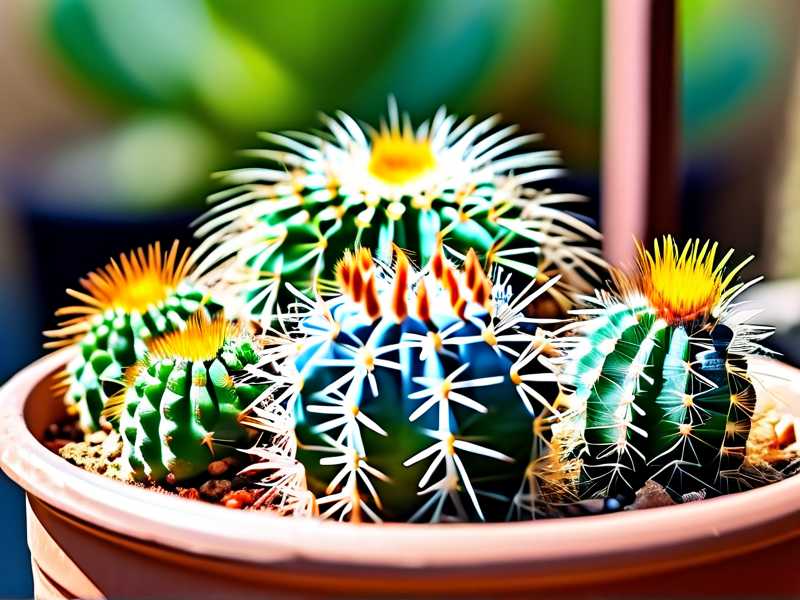
The foundation of any great cactus display isn’t the plants themselves—it’s what they’re planted in. I learned this the hard way. My initial attempt involved using standard potting mix from my shed. After planting a beautiful Echinocactus grusonii (Golden Barrel Cactus), I gave it a moderate watering. A week later, it looked soft and slightly discolored at the base. I panicked.
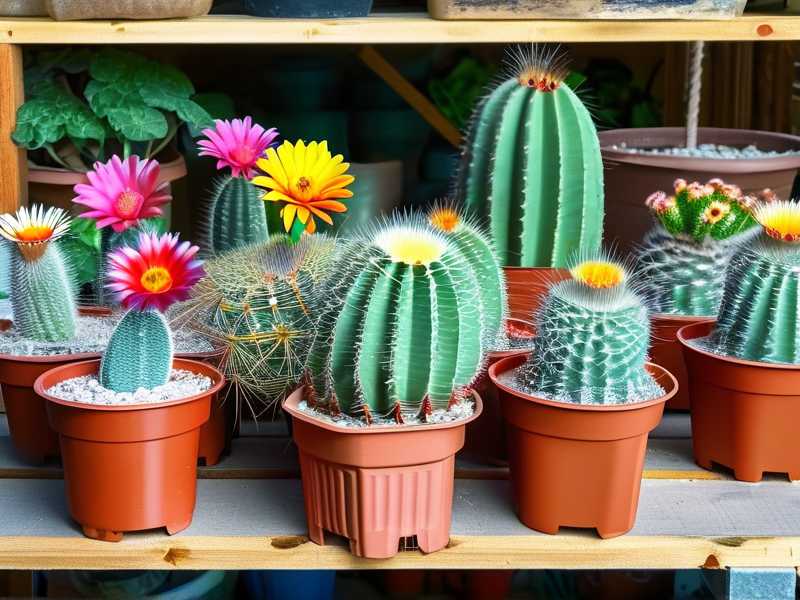
The Critical Role of Drainage and Soil Cacti roots are designed to absorb water quickly and then breathe in dry, airy soil. Standard soil suffocates them, leading to root rot. The Royal Horticultural Society (RHS) emphasizes that for cacti and other succulents, “free-draining compost is essential” to prevent waterlogging. I had to act fast.
My solution was a complete do-over. I carefully unpot the ailing cactus, letting its roots dry for a day. I then created my own mix:
- 50% coarse mineral material (perlite or pumice)
- 25% coconut coir or peat-free compost
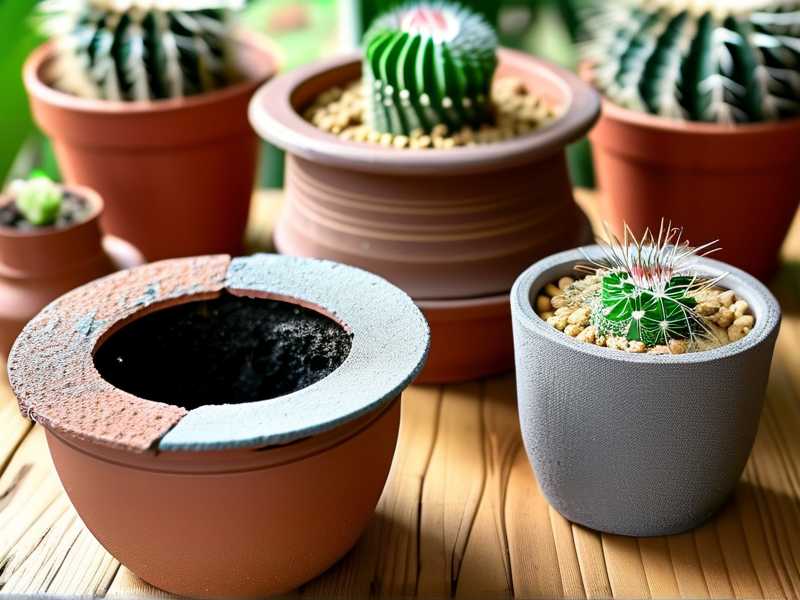
- 25% sharp (gritty) sand I replanted the Golden Barrel in a terracotta pot (porous for evaporation) with ample drainage holes. For in-ground displays, I now always dig a hole twice as wide as the root ball and amend the native soil heavily with gravel and pumice to create a raised mound or berm. This ensures water flows away from the crown instantly.
Strategic Placement and Sun Acclimation Here’s where my two-week observation journal became invaluable. I assumed “full sun” meant plopping my new, greenhouse-grown Opuntia (Prickly Pear) into the hottest, south-facing spot immediately. By day three, it showed signs of sunburn—bleached, yellowish patches on its pads.
The American Horticultural Society (AHS) notes that even sun-loving plants often require a period of “hardening off” to adjust to intense outdoor light. I moved the Opuntia to a spot with morning sun and afternoon shade for a week. Each day, I noted its color and firmness. Gradually, over the next week, I increased its exposure to direct afternoon sun by an hour every other day. By the end of the two weeks, it had adapted fully without further damage, developing a richer, healthier green hue. The key is to observe and adjust; not all “full sun” locations are created equal.
The Art of the Deep, Infrequent Soak My biggest mindset shift was in watering. I went from frequent sprinkles to a “monsoon and drought” cycle. For my potted and in-ground displays, I now follow one rule: only water when the soil is completely dry several inches down. I use a moisture meter or a simple wooden skewer to check.
When it’s time, I practice deep watering. I slowly soak the soil around the cactus until water runs freely from the drainage holes, ensuring the entire root zone is reached. Then, I let it dry out completely, which might take 10-14 days or longer depending on the weather. This cycle encourages strong, deep root growth, making the plants more resilient and self-sufficient. During my observation phase, I tracked the soil moisture daily and saw how quickly the well-draining mix dried compared to my initial failed attempt. The plants plumped up after a soak and then remained taut and healthy as the soil dried.
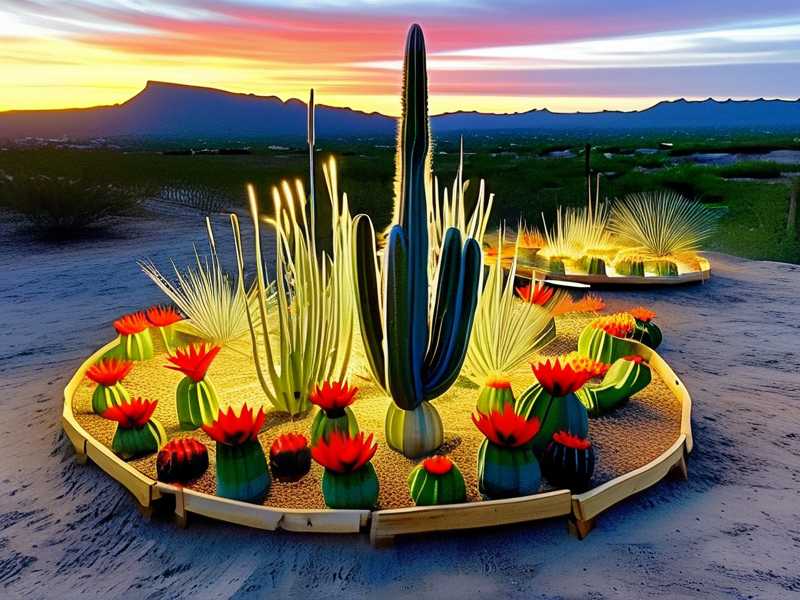
Choosing Companions for Visual Impact A stunning drought-resistant cactus garden isn’t just cacti. To create texture and year-round interest, I pair them with other drought-tolerant (xeric) plants. This approach builds a cohesive, low-water ecosystem. My favorite companions include:
- Succulents: Sedums, Sempervivums (Hens and Chicks), and Agaves offer rosette forms that contrast beautifully with the vertical lines of columnar cacti.
- Ornamental Grasses: Blue fescue or Mexican feather grass provide movement and softness.
- Flowering Perennials: Lavender and Russian sage add splashes of color and attract pollinators.
I group plants with similar water and light needs together—a principle known as hydrozoning. This makes irrigation efficient and ensures all plants in a display thrive under the same care regimen.
Seasonal Maintenance and Protection Caring for these displays is a year-round, but low-intensity, commitment. In spring, I provide a light feeding with a fertilizer specifically formulated for cacti and succulents (low in nitrogen). Summer is mostly about monitoring for pests like scale and enjoying the blooms. My most important seasonal lesson came with winter.
I have a few cold-sensitive species in pots. When forecasts predicted a hard frost, I thought moving them against the house wall would be enough. One night of freezing temperatures caused damage to a prized Myrtillocactus. Now, for potted specimens in climates with wet, cold winters, I either move them to an unheated but frost-free garage or shelter them under a covered patio. For in-ground plantings, I use frost cloth for protection. Ensuring the soil is completely dry before a freeze is crucial, as wet soil exacerbates root damage from cold.
How often should I really water my outdoor cactus display? This is the most common question. The answer is: it depends entirely on your climate, soil, and the season. In hot, dry summers, it might be every 10-14 days. In spring and fall, it could be every 3-4 weeks. In winter, I often don’t water my in-ground displays at all if there is rainfall. Always let the soil’s dryness be your guide, not the calendar.
Can I use cactus soil from the bag for my garden bed? Bagged cactus mix is a good start for containers, but for in-ground cactus garden care, it’s usually not sufficient on its own. You need to amend a much larger volume of soil. I mix the bagged soil 50/50 with additional coarse perlite and small gravel to improve drainage in the native earth. It’s more about changing the structure of your planting site than just filling a hole with specialty mix.
My cactus looks shriveled. Does it need more water or less? Shriveling can be tricky. If the plant is soft and mushy at the base, it’s likely overwatered and rotting. If it’s firm but wrinkled, it may be underwatered. Check the soil. Bone dry for weeks? A deep soak might help. Damp? Hold off. Often, a shriveled cactus that has been overwatered has lost its roots and can’t absorb water, so more water will kill it. When in doubt, err on the side of underwatering and check the roots.
Mastering the care for a drought-resistant cactus display has been one of my most rewarding gardening journeys. It shifted my focus from constant maintenance to thoughtful intervention. By prioritizing brutal honesty with soil drainage, respecting the need for sun acclimation, and embracing a minimalist watering philosophy, I’ve created a garden that not only survives but thrives with neglect. It’s a living sculpture that changes with the light, blooms in surprising ways, and stands resilient through summer heat. The initial investment in proper setup saves countless hours and resources later, leaving more time to simply enjoy the stark, beautiful forms of these remarkable plants.