bluename
 How to Care for Cactus Seed-Grown Plants in Winter: A Grower’s Survival Guide
Winter is coming, and if you’re like me, staring at your precious cactus seedlings with a mix of pride and panic, you’ve landed in the right place. I’ve nurtured these tiny, spiky wonders from mere specks of dust, watching them sprout over months. The thought of losing them to the cold, damp gloom of winter used to keep me up at night. The common advice for mature cacti—“just ignore them”—simply doesn’t cut it for vulnerable, seed-grown babies. They need a precise, thoughtful approach to not just survive, but thrive through the dormant season. After years of trial, error, and a particularly enlightening two-week observation period, I’ve crafted a winter care protocol that works. This guide is born from my hands-on experience, the mistakes I’ve made, and the solutions I’ve found.
Understanding the Winter Needs of Juvenile Cacti
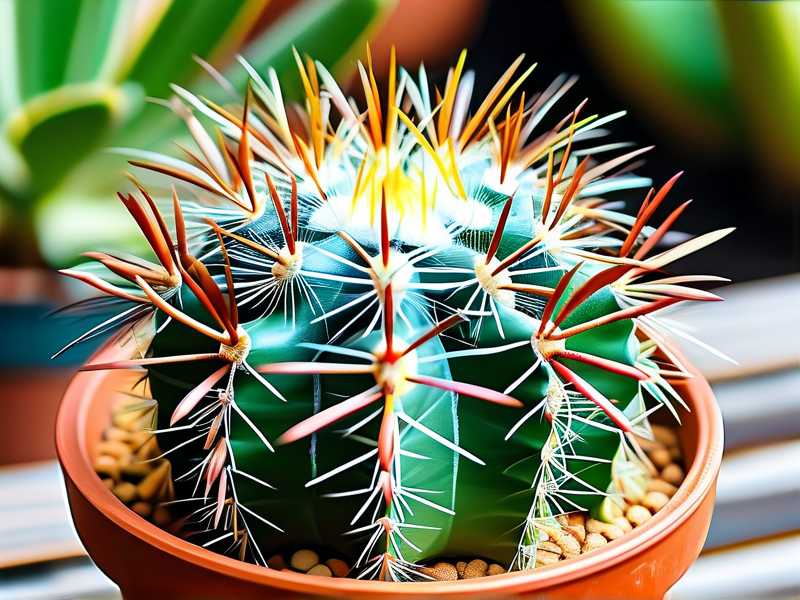
First, let’s ditch the one-size-fits-all mindset. A cactus grown from seed, especially one under a year or two old, is fundamentally different from a store-bought, mature plant. Its root system is delicate, its water storage capacity minimal, and its tolerance for stress is low. The primary goal for caring for cactus seedlings in winter isn’t growth; it’s preservation. We aim to prevent rot, etiolation (stretching for light), and cold damage.
According to the Arizona-Sonora Desert Museum, which has extensive expertise in arid-land plants, dormancy is a crucial survival strategy for cacti in their native habitats, triggered by shorter days and cooler temperatures. For our home-grown seedlings, we must replicate these cues artificially but gently. The Royal Horticultural Society (RHS) emphasizes that the key to successful winter care is a significant reduction in watering paired with maximized light exposure. This combination is the cornerstone of winter care for young cacti.
My Two-Week Winter Transition Experiment
I decided to document the transition of a batch of 6-month-old Mammillaria and Echinopsis seedlings into their first winter. Here’s my step-by-step process and what I observed.
Week 1: The Gradual Wind-Down
My first step was to assess their environment. They were on a south-facing windowsill, which was perfect for summer but now posed a risk of cold drafts. I moved the entire seed tray to a spot two feet away from the window glass but still within the same bright room. This simple move avoided the chill of the pane while maintaining light access.
Next, I tackled watering. This is where I’ve failed before. In a previous winter, I assumed "less water" meant "water every other week." It led to rot. This time, I took a more scientific approach. I let the soil dry out completely—not just the surface, but all the way through. To check, I used a wooden skewer inserted into the potting mix. When it came out completely dry and clean, I knew it was time for the final pre-dormancy drink. I gave them a thorough, deep watering, ensuring excess drained away completely. Then, I stopped. Completely.
Observation (Days 1-7): The first three days showed no change—the seedlings remained plump and green. By day 5, I noticed the very top layer of soil was bone dry. The seedlings themselves began to show a very slight loss of turgor; they weren’t shriveling, but they looked less "inflated." This was a good sign—they were beginning to slow their metabolism. No growth was visible, which was the intended outcome.
Week 2: Light and Temperature Fine-Tuning
With watering halted, my focus shifted to light and temperature stability. I invested in a basic, full-spectrum LED grow light to supplement the weak winter sun. I set it on a timer for 12 hours a day, positioned about 10 inches above the seedlings to prevent stretching.
I also placed a simple digital thermometer/hygrometer next to the tray. My target was a stable temperature between 50-60°F (10-15°C). My room naturally hovered around 68°F (20°C), which was a bit warm. To cool it down slightly, I moved the plants to a cooler, brighter spare room at night. This simulated the natural temperature drop of desert nights, a cue the Cactus and Succulent Society of America (CSSA) notes is beneficial for encouraging healthy dormancy.
Observation (Days 8-14): This was the most critical period. By day 10, the soil was profoundly dry. A few of the smaller Mammillaria seedlings showed the slightest hint of wrinkling at their base—my first moment of panic. Was I underwatering? This was the "pit" I had to navigate. Instead of reaching for the watering can, I investigated. I gently brushed away a bit of the topsoil. The stem beneath the wrinkle was firm, not mushy. This was key: it was a sign of harmless, expected dehydration, not rot. I held firm. Under the grow light, their color remained a healthy, deep green with no signs of the pale, yellow stretching I’d seen in prior years. The stable, cool temperature kept them perfectly still. They were dormant.
The Core Pillars of Winter Care: A Deep Dive
1. The Art of the Watering Hiatus This is non-negotiable. For most seed-grown cacti in winter, watering ceases from late fall until early spring. The goal is to keep the potting mix utterly dry. Any moisture in cool conditions with low light is an invitation for fungal pathogens and root rot. If you see significant, deep wrinkling that travels up the plant (not just at the base), a tiny, targeted drop of water at the root zone might be needed, but this is rare. My two-week test proved that slight basal puckering is normal. Trust the process.
2. Light: Your Best Defense Against Etiolation Weak winter light is the enemy of compact, healthy form. A south-facing window is the minimum. For robust caring for cactus seedlings in winter, supplemental lighting is often essential. As noted by horticulturalists, the light spectrum should be in the cool, blue-white range to mimic the high-quality light of a desert winter sky. 12-14 hours under a grow light prevents them from becoming weak and leggy as they search for the sun.
3. Temperature & Airflow: The Unsung Heroes A cool, stable environment is crucial. Ideal temperatures are between 45-55°F (7-13°C). Avoid wide fluctuations and protect plants from hot radiator blasts and freezing drafts. Good air circulation, provided by a gentle fan in the room (not directly on the plants), helps prevent pest infestations like mealybugs, which can be more prevalent in stagnant indoor air. The American Horticultural Society (AHS) advises that good airflow is a simple yet effective tool for overall plant health during dormant periods.
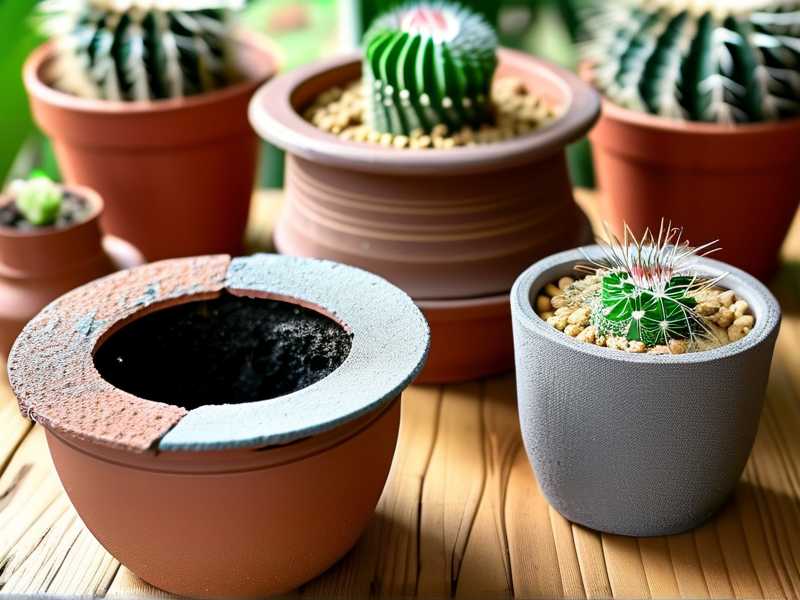
4. Soil and Pot Considerations Your winter strategy starts with your summer potting mix. It must be extremely well-draining. I use a mix of 50% mineral grit (perlite, pumice, coarse sand) to 50% cactus potting soil. The pot must have a drainage hole. Terracotta pots are excellent for winter as they wick moisture away from the soil. Before winter sets in, ensure your seedlings are in an appropriate, fast-draining medium. Repotting is a spring activity.
Common Pitfalls and How I Solved Them
- The Temptation to Water: My biggest past mistake. Seeing a wrinkle, I’d water, and a week later, the seedling was a mushy, brown mess. Solution: When in doubt, don’t. Use the skewer test. Wait for true, deep dryness and then wait some more.
- Insufficient Light Leading to Etiolation: One winter, I didn’t use a grow light. My seedlings grew tall, thin, and pale, permanently weakening their structure. Solution: Invest in a quality grow light. It’s the single best purchase for winter cactus care.
- Cold Drafts vs. Cool Temperatures: I once left a tray on a windowsill during a frost. The cold shock killed several seedlings. Solution: Move plants away from single-pane windows. Use a thermometer to monitor. Cool is good; cold and freezing is fatal.
Frequently Asked Questions
Can I fertilize my cactus seedlings in winter? Absolutely not. Fertilizing during dormancy can force weak, unnatural growth and burn the inactive roots. All feeding should be done during the active growing season in spring and summer.
My cactus seedling looks shriveled and red/purple. Is it dying? Not necessarily! A slight, overall shrivel indicates normal water loss. A reddish or purplish pigmentation (called "blushing") is often a stress response to cool temperatures and bright light, much like a tan. It’s usually a sign of good, strong light exposure. Only be concerned if the plant is mushy (rot) or bone-dry and collapsing in on itself (severe dehydration from an overly long drought).
When do I resume normal care in spring? The signal is a combination of longer, brighter days and visible growth. In early spring, you might see a brighter green tip or a new spine cluster. Wait for this sign, then give the plant its first deep, thorough watering. Place it back in its prime growing location and resume a light feeding schedule a few weeks later.
Successfully shepherding cactus seedlings through winter is a lesson in restraint and observation. It requires resisting the urge to nurture actively and instead providing the precise conditions for peaceful dormancy: bright, cool, and dry. By mimicking the natural rhythms of their native habitats and learning from the subtle signals your plants give you—like the firm wrinkle I observed—you can ensure these tiny treasures emerge in spring ready for a burst of vigorous growth. The quiet winter months are not a time of neglect, but of strategic, careful guardianship.