bluename
 How to Care for Cactus for Long-Term Survival (5+ Years): A Plant Lover’s Journey from Beginner to Expert
I get it. You brought home a cute, spiky cactus, thinking it was the ultimate “unkillable” plant. A few months or a year later, you’re staring at a mushy, discolored, or shriveled shadow of its former self. The dream of a low-maintenance companion that thrives for long-term cactus survival feels shattered. I’ve been there. My first cactus, a charming little Golden Barrel, met a soggy end within eight months. That failure sparked a mission in me: to truly understand how to care for cactus not just for a season, but for decades. Through years of trial, error, and meticulous observation, I’ve cultivated a collection where some plants have been with me for over seven years. This guide isn’t just theory; it’s my lived experience, the steps I follow, the mistakes I’ve made, and the solutions that actually work.
The Foundation: Understanding Your Cactus Isn’t a Houseplant
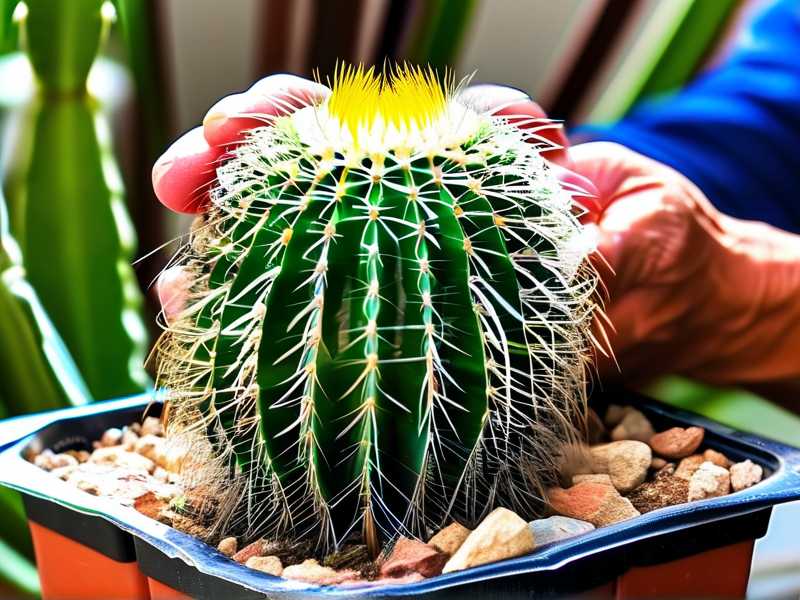
The single biggest mistake is treating a cactus like a typical green leafy friend. They are evolutionary marvels built for extreme conditions.
Light: The Non-Negotiable Energy Source
Cacti crave bright, direct light—think desert sun. A common pitfall is chronic under-lighting, leading to etiolation: a pale, stretched, and weak growth.
- My Process: My south-facing window gets 6+ hours of direct sun. For non-south exposures or in winter, I use full-spectrum LED grow lights, positioned 6-8 inches above the plants for 12-14 hours daily.
- The Two-Week Observation: I moved an etiolated Mammillaria to the grow light zone. Within two weeks, the new growth at the crown was noticeably denser, darker green, and compact, confirming the light was now sufficient.
- The Mistake & Fix: I once scorched a freshly acquired Ferocactus by moving it directly from a nursery shade table to my full sun patio. Solution: Always acclimate. I now give new plants 1-2 weeks of bright indirect light, gradually increasing direct sun exposure by an hour every few days.
Watering: The Art of Drought and Flood
Overwatering is the #1 cactus killer. It’s not about frequency; it’s about a cycle of thorough soaking followed by complete drought.
- My “Soak and Dry” Method: I use the “pot weight” and “skewer test.” I lift the pot—if it feels light, I insert a wooden skewer into the drainage hole. If it comes out bone-dry, it’s time. I then place the pot in a sink and water deeply until it runs freely from the bottom, ensuring the entire root ball is saturated.
- Seasonal Rhythm: In active growth (spring/summer), this might be every 2-4 weeks. In dormant winter months, I reduce watering to once every 6-8 weeks or even completely for some species.
- The Mistake & Fix: I killed my first Opuntia with a rigid “once-a-month” schedule during a cool, humid summer. The soil didn’t dry. Now, I let the plant’s needs, not the calendar, dictate watering. The Royal Horticultural Society (RHS) emphasizes this, stating “watering should be reduced in dull, cool or humid weather.”
Soil and Potting: Building the Right Home
A soggy, dense soil mix is a death sentence. Roots need oxygen and rapid drainage.
- My Custom Mix: After many failures with pre-mixed “cactus soil,” I now make my own: 50% mineral grit (perlite, pumice, coarse sand) and 50% potting soil. This creates an airy, fast-draining environment.
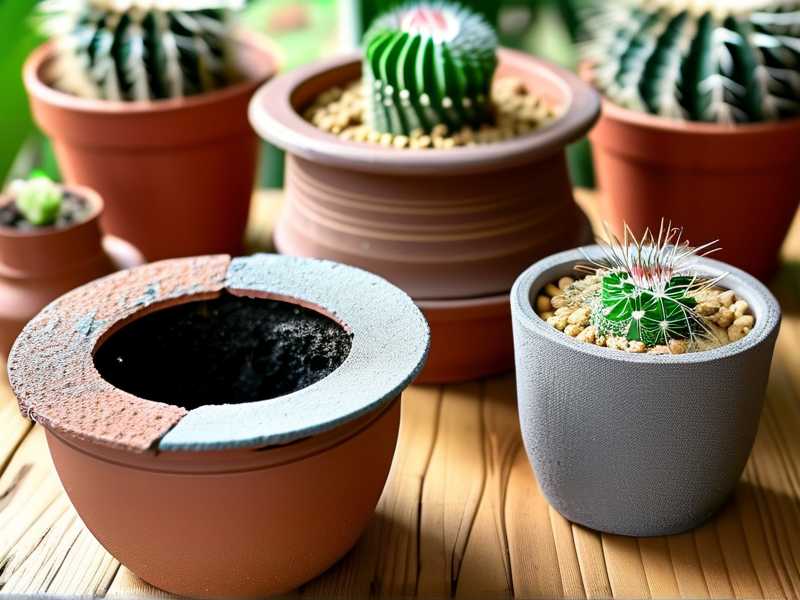
- The Crucial Pot: Terracotta pots are my gold standard. Their porosity allows soil to dry evenly and prevents waterlogging. Drainage holes are mandatory.
- Repotting for Long-Term Health: I repot young, fast-growing cacti every 2-3 years, and mature ones every 3-4 years in early spring. This refreshes the soil, prevents compaction, and allows me to check root health.
Advanced Care for Decades of Growth
Once the basics are mastered, these practices elevate your care and ensure true cactus longevity.
Fertilizing: Less is More
Cacti are not heavy feeders. Over-fertilizing causes weak, susceptible growth.
- My Routine: I use a balanced, water-soluble fertilizer diluted to half-strength, and only during the active growing season (April-September), applied once at the start of the season and once in mid-summer.
- Expert Backing: The Arizona-Sonora Desert Museum (ASDM) advises that for potted cacti, “a light application of a balanced fertilizer in spring is usually sufficient,” warning against high-nitrogen formulas.
Pest and Disease Vigilance
Early detection is key. The main enemies are mealybugs (cotton-like fluff) and root rot (soft, black base).
- My Proactive Check: During every watering, I do a quick visual inspection. For mealybugs, I dab them with a cotton swab dipped in 70% isopropyl alcohol. This simple, non-toxic method is highly effective.
- The Root Rot Rescue: I once noticed a Gymnocalycium was slightly wobbly. Upon unpotting, I found brown, mushy roots. I cut away all affected tissue with a sterile knife, let the plant callus over in a dry, shaded spot for a full week, and then re-potted it in fresh, dry mix. I waited another 10 days before a light watering. It survived and regrew healthy roots.
Winter Dormancy: The Secret to Health and Flowers
Many cacti need a cool, dry, and bright rest period to trigger blooming and maintain robust health.
- My Setup: I provide a winter rest from November to February. Plants near a cool (45-55°F / 7-13°C) but very bright window get minimal to no water. This dormancy mimics their natural cycle and is critical for ensuring cactus health beyond 5 years.
Troubleshooting Common Problems
- Shriveled & Wrinkled: This is usually underwatering or root loss. If the soil is bone dry, a deep soak may plump it up. If not, check for dead roots.
- Soft, Mushy, Discolored (Yellow/Brown): Classic overwatering and rot. Unpot immediately, assess damage, and perform surgery as described.
- Not Growing or Flowering: Likely insufficient light, lack of a proper dormancy period, or needing fresh soil/nutrients.
Your Questions, Answered
How often should I really water my cactus? Throw away the schedule. The only correct answer is: water deeply only when the potting mix is completely dry all the way through. This could mean weekly in a hot, dry summer or not once all winter. Always check first.
Can I keep my cactus in my low-light office or bathroom? Realistically, no. While some may survive for a while in low light, they will etiolate and weaken, making long-term survival highly unlikely. They need direct sunlight or equivalent strong grow lights to thrive.
My cactus has a brown, corky patch near the base. Is it dying? Probably not! This is called “corking.” It’s a natural, woody hardening of the tissue as the plant matures and supports its own weight, much like the bark on a tree. It’s a sign of a healthy, aging cactus.
Mastering cactus care is a rewarding journey of patience and observation. It’s about learning their language—reading the subtle signs in their color, firmness, and growth. By emulating their natural desert rhythms: relentless light, infrequent but deep watering, gritty soil, and a respectful winter rest, you move from simply keeping a plant alive to fostering a resilient companion that will grow alongside you for many years to come. Start by nailing the light and water, and you’ve already won 90% of the battle for a thriving, long-lived cactus.