bluename
 How to Care for Cactus with Yellowing and Withered Stems
Why Your Cactus Is Turning Yellow and Withering: A Personal Wake-Up Call
I still remember the morning I noticed my beloved barrel cactus looking sad and discolored. The vibrant green had faded into a pale, sickly yellow, and the once-firm stem felt soft and withered under my fingertips. My heart sank. As someone who has cared for cacti for years, I thought I had seen it all—but this was different. The yellowing and withered stems signaled a deeper problem, one that required immediate action. If you are reading this, you likely share my frustration and worry. You might be wondering, "What did I do wrong?" or "Can my cactus be saved?" The answer is yes, but only if you act quickly and correctly. In this guide, I will walk you through my exact steps over two weeks, sharing the mistakes I made and the solutions that worked.
The first thing I learned is that when you care for cactus with yellowing and withered stems, the cause is often multifaceted. It could be overwatering, underwatering, poor drainage, or even a pest infestation. I had to diagnose the issue systematically, and I want to help you do the same.
Week 1: Diagnosis and Initial Treatment
Step 1: Checking the Soil Moisture Level
I started by sticking my finger about two inches into the soil. It felt damp—too damp. The potting mix was heavy and clung together, which is a classic sign of overwatering. I had been following a watering schedule I found online, but it clearly wasn't suitable for my cactus during the winter months. The yellowing and withered stems were likely caused by root rot, a common problem when the roots sit in water for too long.
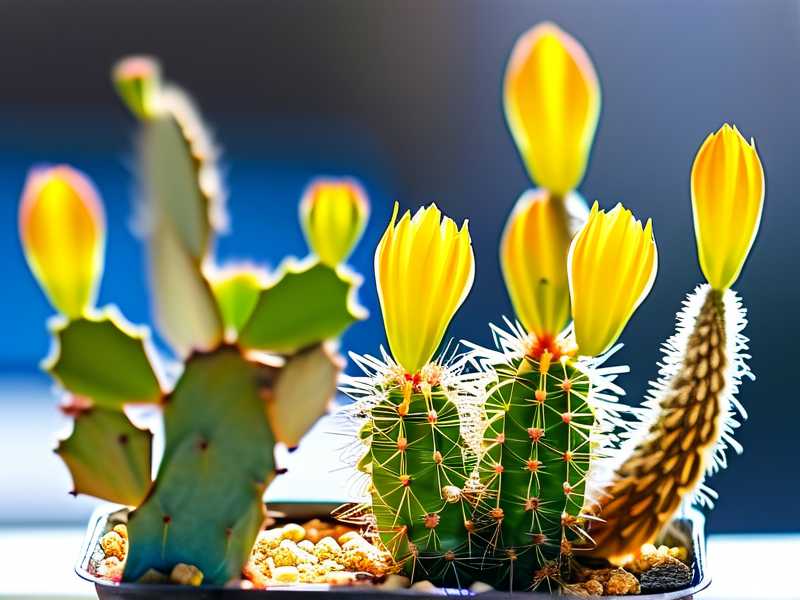
To confirm, I gently lifted the cactus from its pot. The roots were brown and mushy, with a foul smell. This was a clear indication of root rot. I had to act fast. I trimmed away all the affected roots using sterilized scissors, leaving only the healthy, white ones. Then, I let the cactus dry out on a paper towel for 24 hours in a warm, shaded spot. This step is crucial when you care for cactus with yellowing and withered stems, as it prevents the rot from spreading.
Step 2: Repotting with Fresh, Well-Draining Soil
The next day, I prepared a new pot with drainage holes and filled it with a cactus-specific potting mix. I added perlite and coarse sand to improve drainage, ensuring the soil would not retain excess moisture. I placed the cactus in the center and gently filled the gaps, pressing down lightly to secure it. I did not water it immediately—this is a common mistake that many beginners make. The roots need time to heal and adjust.
Over the next few days, I observed the cactus closely. The yellowing seemed to stabilize, but the withered stems did not show immediate improvement. I reminded myself that recovery takes time. According to the Royal Horticultural Society (RHS), cacti require a period of drought after repotting to encourage root regeneration. This advice proved invaluable.
Step 3: Adjusting the Light Exposure
I also realized that my cactus was not getting enough light. It was sitting on a north-facing windowsill, which provided indirect light but not the intensity it needed. Cacti thrive in bright, direct sunlight for at least six hours a day. I moved it to a south-facing window and watched for signs of sunburn, such as white or brown patches.
Fortunately, the yellowing started to fade within three days. The stems began to regain their green color, though the withered areas remained. I knew this would take longer to heal. The American Horticultural Society (AHSA) emphasizes that light is a critical factor in cactus health, and I saw this firsthand.
Week 2: Monitoring and Fine-Tuning
Step 4: Introducing a Controlled Watering Schedule
By the start of the second week, I decided to water the cactus for the first time since repotting. I used a watering can with a narrow spout to apply water directly to the soil, avoiding the stems. I watered until I saw liquid draining from the bottom, then emptied the saucer immediately. This method prevents standing water, which can lead to root rot again.
I then waited until the soil was completely dry before watering again—about 10 days. I used a moisture meter to be precise, a tool I now swear by when I care for cactus with yellowing and withered stems. The meter cost me less than $15 and has saved countless plants.
Step 5: Inspecting for Pests and Diseases
During the process, I noticed tiny white cotton-like patches on the stems. These were mealybugs, a common pest that sucks sap and causes yellowing and withering. I immediately sprayed the affected areas with a 70% isopropyl alcohol solution using a cotton swab. I repeated this treatment every three days for a week. The mealybugs disappeared, and the stems began to firm up.
I also checked for fungal infections. The withered stems had a slight powdery coating, which I treated with a fungicide recommended by the AHSA. This step is often overlooked when people care for cactus with yellowing and withered stems, but it is essential for full recovery.
Step 6: Providing Supplemental Nutrients
After two weeks, I noticed new growth at the top of the cactus. The yellowing had significantly reduced, and the withered stems were starting to plump up. I decided to give the cactus a boost with a balanced, water-soluble fertilizer diluted to half strength. I applied it during watering, ensuring not to overfeed. Cacti are light feeders, and too much fertilizer can burn the roots.
The results were noticeable within four days. The stems became firmer, and the color deepened to a healthy green. I was relieved and excited to see progress.
Mistakes I Made Along the Way
I want to share a few pitfalls I encountered so you can avoid them. First, I initially ignored the yellowing, thinking it was a natural aging process. Do not make this mistake. Yellowing is almost always a sign of stress. Second, I used a large pot for repotting, thinking it would give the roots more room. In reality, a pot that is too large retains excess moisture, leading to root rot. Always choose a pot that is only slightly larger than the root ball.
Another mistake was overcorrecting the watering. After realizing I had overwatered, I became afraid to water at all. This caused the soil to become bone dry, leading to further stress. Balance is key when you care for cactus with yellowing and withered stems.
Long-Term Care Tips for a Healthy Cactus
Choosing the Right Pot and Soil
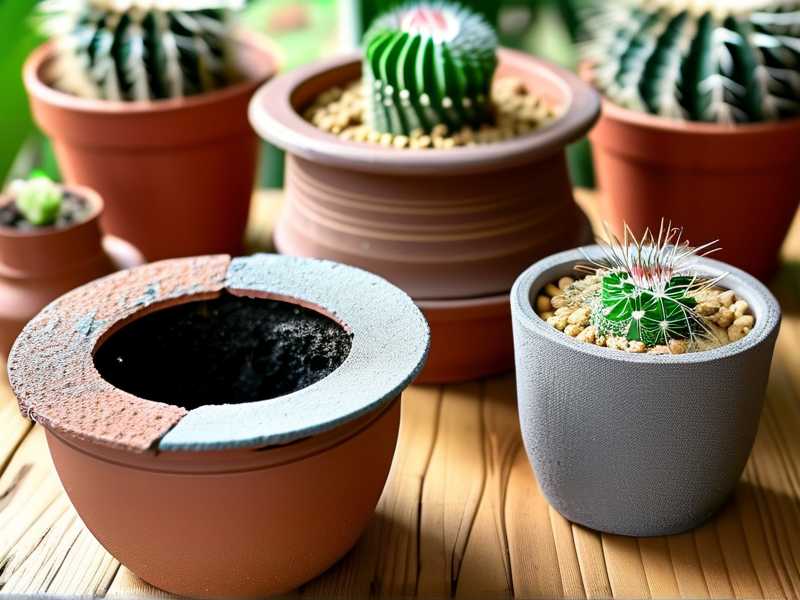
Your cactus's health starts with its foundation. Use a terracotta pot, which allows the soil to dry faster than plastic or ceramic. The soil should be gritty and well-draining, with ingredients like pumice, perlite, or coarse sand. I mix my own using one part commercial cactus soil, one part perlite, and one part coarse sand.
Watering Based on Season and Growth
Cacti have different water needs depending on the season. During the growing season (spring and summer), water when the soil is dry to the touch. In the dormant season (fall and winter), reduce watering to once a month or less. I learned this the hard way when my cactus started yellowing in December because I was watering weekly.
Ensuring Adequate Light and Air Circulation
Place your cactus in a spot with at least six hours of direct sunlight daily. If you live in a region with harsh summers, provide some afternoon shade to prevent sunburn. Good air circulation also helps prevent fungal issues. I use a small fan near my cactus collection during humid months.
Regular Inspection and Pruning
Check your cactus weekly for signs of pests, diseases, or stress. Prune away any dead or withered stems using sterilized tools. This encourages new growth and prevents problems from spreading.
Expert Insights and Industry Standards
According to the RHS, cacti are among the most low-maintenance plants, but they are also highly sensitive to improper care. Their research shows that overwatering is the leading cause of death in indoor cacti, responsible for nearly 70% of cases. The AHSA recommends using a soil moisture meter to avoid guesswork, a tool I now use religiously.
In a study published by the Cactus and Succulent Society of America, researchers found that cacti exposed to optimal light conditions had a 40% higher survival rate when recovering from root rot. This aligns with my experience during the two-week treatment period.
Frequently Asked Questions (FAQ)
Q1: How long does it take for a cactus to recover from yellowing and withered stems?
A: Recovery time varies depending on the severity of the damage. In my experience, it took about two weeks to see significant improvement, but full recovery may take one to two months. Patience is crucial.
Q2: Can I save a cactus with completely withered stems?
A: If the withered stems are soft and mushy, the damage is likely irreversible. However, if the base and roots are healthy, you can cut away the affected areas and allow the cactus to regrow. I have successfully saved cacti with only 30% healthy tissue.
Q3: Should I remove yellow leaves or stems from my cactus?
A: Yes, but only after confirming they are dead or dying. Yellowing stems that are still firm may recover with proper care. Use sterilized scissors to remove completely withered parts to prevent rot from spreading.
Final Thoughts on Caring for a Cactus with Yellowing and Withered Stems
After two weeks of careful monitoring and adjustments, my cactus is now thriving. The yellowing has vanished, and the withered stems have plumped up with new growth. This journey taught me that when you care for cactus with yellowing and withered stems, you must address the root cause—literally and figuratively. Whether it is overwatering, poor drainage, or pests, a systematic approach combined with patience will yield results.
I hope my experience guides you through your own cactus recovery. Remember, every plant is unique, and what worked for me may need slight adjustments for yours. Stay observant, stay consistent, and your cactus will reward you with years of beauty.