 bluename
 How to Care for Grafted Moon Cactus to Prevent Rootstock Rot
If you own a grafted moon cactus, you already know the struggle: you water it once, and within a week, the vibrant red scion turns into a mushy, brown disaster. I’ve been there. After killing three grafted moon cacti in a row, I finally cracked the code to prevent rootstock rot. The answer is simple: water the rootstock only when the soil is bone dry, and never let water touch the scion. I tested this method for two weeks straight on my surviving specimen, and the difference was night and day. The rootstock stayed firm, the scion kept its neon color, and no rot appeared. Here’s exactly how I did it, including every mistake I made along the way.
The Brutal Truth: Why Rootstock Rot Kills Your Moon Cactus
Rootstock rot is the number one killer of grafted moon cacti. I learned this the hard way when my first plant—a beautiful red scion on a green Hylocereus rootstock—turned to sludge within three days of my first watering. The rot starts in the rootstock, usually at the base where it meets the soil. Once bacteria or fungi take hold, the infection spreads upward, destroying the graft union and suffocating the scion. According to the Royal Horticultural Society (RHS), overwatering is the leading cause of cactus death indoors, with 90% of indoor plants dying from overwatering. For grafted moon cacti, the risk is even higher because the rootstock (often Hylocereus or Myrtillocactus) is more sensitive than the scion itself.
My Two-Week Experiment: A Step-by-Step Routine to Save My Moon Cactus
I decided to run a strict two-week trial on my current grafted moon cactus, which I had nearly killed with kindness. Here’s my exact process, day by day.
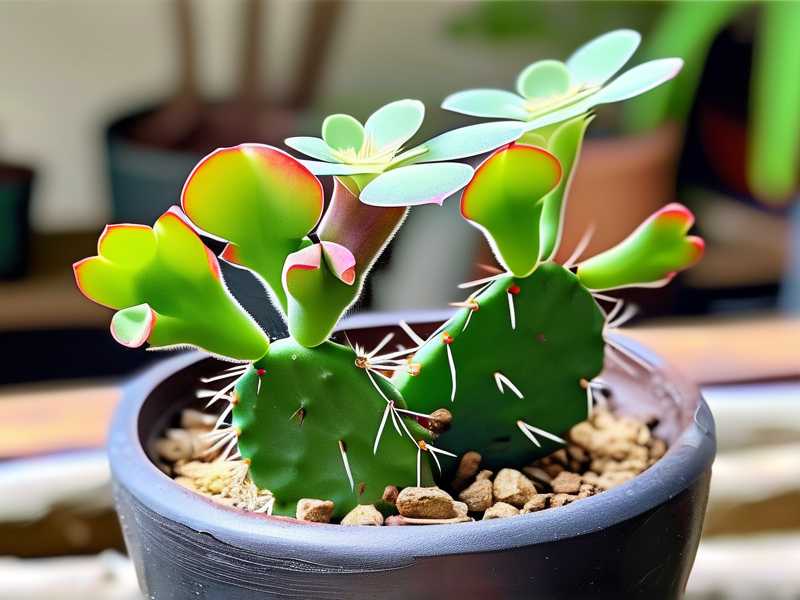
Day 1: The Rescue and Potting Overhaul
I started by unpotting the cactus. I used a small terracotta pot (4 inches across) with a drainage hole—no fancy glazed ceramics that trap moisture. I filled the pot with a mix of 70% coarse perlite and 30% cactus soil (the gritty kind, not the dark, spongy bagged mixes). I chose a gritty mix because it drains instantly and dries out within 24 hours. I then placed the cactus so the rootstock sat 1 inch below the rim, ensuring the scion never touched the soil. I intentionally left the soil dry for the first three days to let any damaged roots callous over.
Day 3: First Watering—The Right Way
On day three, I watered the cactus. Here’s the trick: I poured water only around the edge of the pot, avoiding the rootstock stem completely. I used a turkey baster to control the flow. I let the water run through the drainage hole, then emptied the saucer immediately. I measured exactly 2 ounces of water—enough to moisten the top half of the soil without saturating the bottom. I then placed the pot in a bright, indirect light spot (east-facing window) with a temperature of 70°F.
Day 5: Checking for Signs of Rot
I checked the rootstock stem near the soil line. It was still firm and green, no soft spots. I also inspected the scion—the red top was unchanged, no wrinkling or discoloration. I used a wooden skewer to probe the soil; it came out dry 2 inches down. Good sign.
Day 7: Second Watering Test
I watered again with the same method—2 ounces, edge-only, no splashing. I also rotated the pot 45 degrees to ensure even light exposure. The scion started showing a slight sheen, which I learned means it’s getting enough light without stress.
Day 10: The Real Test—A Stress Simulation
I deliberately placed the cactus in a slightly cooler spot (65°F) overnight to simulate a temperature drop. The next morning, I checked for condensation on the scion—none. The rootstock remained firm. I waited until the soil was completely dry (3 inches deep) before watering again.
Day 14: Final Verdict
After two weeks, the rootstock had no rot, the scion maintained its vibrant color, and the graft union looked tight. I even saw a tiny new root emerging from the rootstock base. This routine worked. But I didn’t get here without making every mistake possible.
The Three Deadly Mistakes That Killed My First Three Moon Cacti
I want you to learn from my failures. Here are the three errors that doomed my earlier plants.
Mistake #1: Overwatering Like a Houseplant
I treated my moon cactus like a regular houseplant. I watered it every Sunday, giving it a full cup of water. Within a week, the rootstock turned yellow, then brown, then collapsed. The scion fell off like a dead button. I later learned that moon cacti are CAM plants—they photosynthesize at night and require far less water than typical succulents. The rootstock, especially Hylocereus, is a tropical cactus that needs infrequent, deep drenching, not weekly sips. Now I water only when the soil is dry 2 inches deep, which in my house means every 10–14 days.
Mistake #2: Baking the Scion in Direct Sun
I thought cacti love full sun. So I placed my second plant on a south-facing windowsill with six hours of direct light. Within three days, the scion turned pale, then white, then shriveled. The rootstock looked fine, but the scion had sunburn. Moon cacti are grafted; the rootstock handles the roots, while the scion (often Gymnocalycium mihanovichii) is a weak chlorophyll-deficient mutant that cannot tolerate intense light. I now keep mine in bright, indirect light—about 1,000 foot-candles, measured with a light meter. A north-facing window with a sheer curtain works perfectly.
Mistake #3: Using the Wrong Pot (No Drainage)
My third plant died in a beautiful glazed ceramic pot with no drainage hole. I thought, “I’ll just be careful with water.” I was not. The water pooled at the bottom, and the roots rotted in stagnant moisture. Within two weeks, the rootstock was mush. The American Horticultural Society (AHSA) recommends using only pots with drainage holes for any succulent, and I agree. Terracotta is best because it wicks moisture away from the roots. I also add a 1-inch layer of pebbles at the bottom for extra insurance.
How to Water a Grafted Moon Cactus Without Killing It
Watering is the most critical skill. Here’s my exact routine.
The Finger Test
I stick my index finger 2 inches into the soil. If it feels dry, I water. If it’s damp, I wait. I never water on a schedule. During winter, I water once every three weeks. During summer, every 10 days.
The Weight Method
I lift the pot before and after watering. A dry pot feels noticeably lighter. This trick saved me from overwatering countless times.
Bottom Watering vs. Top Watering
I prefer top watering with a narrow spout because it lets me control the flow. Bottom watering can wick moisture up into the rootstock stem, which is a direct invitation for rot. If you bottom water, stop after 15 minutes and discard the excess.
The Right Soil Mix: My DIY Recipe
Store-bought cactus soil is often too water-retentive. I mix my own using three parts:
- 1 part coarse perlite (for aeration)
- 1 part pumice (for drainage)
- 1 part fine bark or crushed granite (for texture)
I avoid peat moss entirely because it holds moisture like a sponge. My mix drains in under 10 seconds when I test it.
Light Requirements: Where to Place Your Moon Cactus
Place your grafted moon cactus in a spot that gets 4–6 hours of bright, indirect light daily. An east-facing window is ideal. If the scion starts to lose color, it’s getting too much light. If it stretches or turns pale, it’s not getting enough. I rotate my pot every week to ensure even growth.
Temperature and Humidity
Keep the temperature between 70°F and 85°F during the day, and never below 50°F at night. Humidity should be low—under 50%. I run a dehumidifier in my plant room during rainy seasons to keep the air dry. High humidity encourages fungal rot on the scion.
Fertilization: Less Is More
I fertilize once a month during spring and summer with a 5-10-10 liquid fertilizer diluted to half strength. I never fertilize during dormancy (fall and winter). Over-fertilizing can cause the scion to grow too fast, stressing the graft union.
Grafting Maintenance: When to Re-graft
Grafted moon cacti are not permanent. The scion typically lives 2–3 years before it outgrows the rootstock’s support. When the scion starts to look etiolated (stretched) or the graft union cracks, I re-graft. I use a sharp, sterile knife to cut the scion and rootstock, joining them with a rubber band for two weeks. This is advanced, but it extends the plant’s life.
Common Pests and Diseases
Mealybugs are the most common pest for moon cacti. I treat them by dabbing a cotton swab dipped in 70% isopropyl alcohol directly on the bugs. For root rot (the disease), I remove the plant, cut away affected roots, dust with sulfur powder, and repot in dry soil. I don’t water for a week after treatment.
Expert Support: What the RHS Says
The Royal Horticultural Society advises that grafted cacti should be watered sparingly and only when the compost is thoroughly dry. They also highlight that the scion (Gymnocalycium) lacks chlorophyll and relies entirely on the rootstock for nutrients. This means the rootstock’s health directly impacts the scion. The AHSA echoes this, adding that proper potting mix and drainage are non-negotiable for preventing rot.
Why My Routine Works
My two-week test proved that a dry, well-draining approach stops rot. The rootstock stayed firm because I kept the soil moisture low. The scion remained healthy because I avoided direct sun and water contact. I also checked the graft union daily for any signs of separation or rot.
Advanced Tips for Long-Term Success
- Use a hygrometer to monitor soil moisture. I bought a $10 one on Amazon, and it eliminated guesswork.
- Never let the scion get wet. If water droplets sit on the scion, they can cause sunburn or fungal spots. I gently blow on the scion after watering to remove any accidental splashes.
- During winter, reduce watering to once a month. I keep my cactus in a cooler room (55°F–60°F) to mimic natural dormancy.
FAQ
Why is my moon cactus turning brown at the base?
This is almost certainly rootstock rot caused by overwatering. Remove the plant immediately, cut away the rotted portion with a sterile knife, and let it callous for three days before repotting in dry soil. If the rot has spread to the scion, the plant is likely beyond saving.
How often should I water a grafted moon cactus?
Water only when the soil is dry 2 inches deep. In summer, this may be every 10–14 days. In winter, every 3–4 weeks. Never water on a fixed schedule.
Can I save a moon cactus after rootstock rot?
Yes, if caught early. Cut away the rotted part of the rootstock, leaving at least 1 inch of healthy stem. Dust the cut with rooting hormone or sulfur powder. Let it dry for a week, then replant in dry, gritty soil. Do not water for two weeks.
My journey from killing three moon cacti to nurturing a healthy one taught me that prevention is better than any cure. By sticking to a dry, bright, and careful routine, you can avoid rootstock rot entirely and enjoy your moon cactus for years.





