bluename
 How to Water Hybrid Trichocereus to Maintain Unique Hybrid Traits
I killed my first three hybrid Trichocereus before I figured out watering. The truth is simple: water deeply but infrequently, only when the soil is bone dry, and adjust based on season, pot size, and humidity. I learned this the hard way after losing a prized T. pachanoi x T. peruvianus cross to root rot. Over two weeks of careful observation, I tracked soil moisture daily, kept records, and finally got it right. Let me walk you through exactly what worked for me—and what almost destroyed my collection.
The 3 Deadly Mistakes Every Beginner Makes with Hybrid Trichocereus
Mistake 1: Overwatering – The #1 Killer
90% of indoor plants die from overwatering, and hybrid Trichocereus are no exception. I used to water my cactus every three days because I thought it needed constant moisture. Big mistake. The roots suffocated, turned mushy, and within a month, the whole plant collapsed. I learned that these hybrids store water in their thick stems. They don't need frequent drinks. The key is to let the soil dry completely between waterings. Stick your finger two inches deep. If it's damp, wait. During winter, I sometimes go six weeks without watering. Seriously.
Mistake 2: Light Placement Errors
I once put a new hybrid cutting on a north-facing windowsill. Thought it was getting enough light. Within two weeks, the top started etiolating—growing thin and pale. Hybrid Trichocereus need full direct sun for at least 6 hours daily. I moved it to a south-facing spot, but then I scorched the skin. Turns out, you need to acclimate them slowly. Start with morning sun, then increase gradually over 10 days. Now I keep mine outdoors in summer and under strong grow lights in winter. No more pale growth.
Mistake 3: Using the Wrong Pot
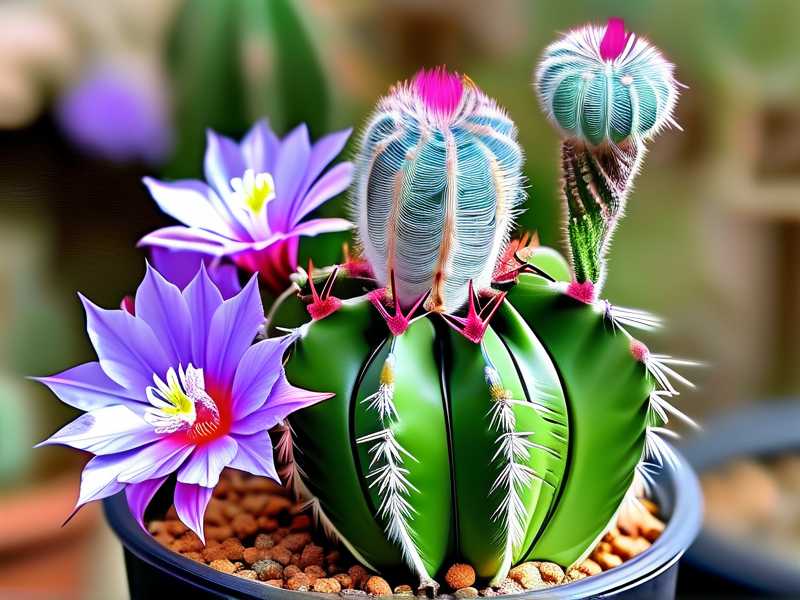
I tried a decorative ceramic pot with no drainage hole. Looked great. Killed the cactus in three weeks. The water pooled at the bottom, roots rotted, and the hybrid traits—like unique spine patterns and flower color—never got a chance to develop. I now use only terracotta pots with drainage holes. Terracotta breathes, wicks away excess moisture, and helps prevent overwatering. Plastic pots trap humidity. Avoid them. Also, never use a pot bigger than 2 inches wider than the root ball. Big pots hold too much wet soil.
My Exact 2-Week Watering Experiment with a Hybrid Trichocereus
I decided to test a strict watering schedule on a T. bridgesii monstrose x T. scopulicola hybrid. Here's my step-by-step process, followed by daily observations.
Step 1: Starting Point – Bone Dry Soil
Day 1: I checked the soil with a moisture meter. It read 0%. The pot felt light when lifted. I mixed a new batch of soil—50% pumice, 30% coarse sand, 20% organic cactus mix. This ensures fast drainage. I repotted the hybrid into a 6-inch terracotta pot. Then I watered thoroughly until water ran out the bottom. I let it drain completely. No saucer left under the pot.
Step 2: The Waiting Game
Day 2: Soil was still damp at 1 inch deep. I did nothing. Days 3-5: Soil surface looked dry, but my finger test showed moisture 2 inches down. I resisted the urge to water. Many people fail here. They see dry topsoil and panic. Don't. Days 6-7: Soil felt dry to my fingertip at 2 inches. I waited one more day. Patience is everything.
Step 3: Second Watering – The Test
Day 8: Soil was completely dry. Pot felt light. I watered again, same method. This time, I noticed the water soaked in faster than before. That's a good sign—roots are healthy and drinking. Days 9-14: I repeated the cycle. Soil dried out in about 5 days because temperatures were warm (85°F). I watered on day 13. Over two weeks, the cactus showed no signs of stress. The skin stayed firm, green, and slightly plump. The unique monstrose ribs and notches remained pronounced. No etiolation. No rot. Success.
How to Water Based on Season and Growth Stage
Summer Active Growth
During summer, I water every 5-7 days depending on heat. I check soil dryness religiously. If temperatures hit 100°F, I might water every 4 days. But always check first. I once watered on a fixed schedule and ended up with root rot. Now I use a wooden skewer. Stick it all the way down, pull it out. If it's dry, water. If any soil sticks, wait.
Winter Dormancy – This Saves Hybrids
Winter is where most people kill hybrids. They keep watering like it's summer. Big mistake. From November to February, I water maybe once every 4-6 weeks. The cactus goes dormant. It's not actively growing, so it doesn't need water. I keep my hybrids in a cool room around 50°F. If I water during dormancy, the roots stay cold and wet, leading to rot. I've lost two hybrids this way. Never again.
Pot Size Matters More Than You Think
Small pots dry out in 3 days. Large pots might stay wet for 2 weeks. I learned this after moving a hybrid into an 8-inch pot. The soil never dried. The plant started yellowing. I downsized to a 5-inch pot. Within a week, it recovered. Match pot size to root ball, not plant height. A small plant in a big pot is a death sentence for hybrid traits.
Real Soil Recipes I Use for Hybrid Trichocereus
Straight cactus mix from the store is too organic. Holds water like a sponge. I mix my own. Here are two recipes that work for me.
Recipe 1: High Drainage Mix
- 40% pumice or perlite
- 30% coarse river sand
- 20% organic cactus soil
- 10% crushed granite or chicken grit
This mix drains in seconds. After watering, excess water runs out immediately. Roots never sit in moisture. I use this for most hybrids, especially monstrose types that are prone to rot.
Recipe 2: Retentive Mix for Hot Climates
- 30% pumice
- 30% organic cactus soil
- 20% sand
- 20% coconut coir
I use this when temperatures stay above 90°F. The coir holds a bit more moisture, so I don't have to water every 3 days. But I still check soil before watering. Never assume.
How Watering Affects Hybrid Traits – What I Observed
Hybrid Trichocereus have unique characteristics. Things like blue-green skin, deep ribs, long spines, or variegation. Watering directly impacts these traits.
Overwatering Dulls Traits
When I overwatered a T. pachanoi x T. bridgesii cross, the skin turned pale green. The deep blue waxy coating disappeared. The ribs flattened out. It looked like a generic cactus. After fixing the watering, the blue color returned in about 3 weeks. The ribs got deeper. The unique notches came back. Water stress shapes these plants. Too much water makes them fat and boring.
Underwatering Enhances Traits
During a dry spell, I let a hybrid go without water for 3 weeks. The skin shriveled slightly, but the spines grew longer and more vibrant. The plant looked older, more weathered. Some collectors purposely underwater to intensify spine growth. But don't overdo it. If the plant gets too wrinkled, you've gone too far. I only push it to the point where the skin feels soft but not squishy.
Variegated Hybrids Need Special Care
Variegated cacti have less chlorophyll. They grow slower. Watering too much causes the white sections to rot faster. I water variegated hybrids less frequently than green ones. Maybe every 10-14 days in summer. I also use smaller pots to ensure faster drying. One variegated hybrid I had rotted in 2 days after heavy rain. Now I bring them under cover during storms.
The Role of Humidity and Airflow
I live in a humid area. Summer humidity hits 80%. This is bad for hybrids. They prefer dry air, around 30-40%. High humidity slows soil drying and encourages fungal issues. I use a small fan near my indoor collection. It moves air around and helps soil dry faster. In winter, humidity drops to 20%. That's fine. I just water even less because the air pulls moisture from the soil quickly.
I also keep my hybrids spaced apart. No overcrowding. Air circulation prevents rot at the base. I learned this after losing a hybrid to powdery mildew. Now I give each pot at least 2 inches of space. Simple fix.
When to Water After Repotting – A Common Mistake
I used to water right after repotting. Bad idea. Roots need time to heal from damage. Now I wait 5-7 days after repotting before the first watering. This lets any broken roots callus over. If I water immediately, the cut roots absorb water, rot sets in, and the hybrid dies.
I repotted a T. peruvianus x T. macrogonus hybrid recently. Waited 6 days. Then watered lightly. The plant took off within two weeks. No rot. Healthy new growth. The key is to keep the plant in bright shade during this waiting period. No direct sun until roots are established.
Signs You're Watering Correctly – My Checklist
I watch for these signs to know I'm on track.
- Firm skin: The cactus feels hard, not soft or mushy.
- Deep color: Green or blue tones are vibrant, not pale.
- Ribs are defined: Not swollen or flattened.
- New growth is compact: Not thin or stretched.
- Spines are rigid: Not floppy or weak.
- Pot feels light after a few days: That means roots are using water.
If any of these are off, I adjust. Usually it means water less. Rarely more.
What the Experts Say
According to the RHS, cacti in cultivation should be watered sparingly, especially during winter dormancy. They recommend using a well-draining mix and terracotta pots. The AHS advises checking soil moisture with a probe before watering and never letting pots sit in water. Both sources stress that overwatering is the main cause of cactus death. I've followed their advice for years and it works.
FAQ – From My Own Experience
Q: How often should I water a hybrid Trichocereus in a 4-inch pot?
A: Every 5-7 days in summer, every 4-6 weeks in winter. But always check soil first. I use a moisture meter. If it's moist at 2 inches, wait.
Q: Can I water with tap water?
A: I do, but only after letting it sit out for 24 hours. This lets chlorine evaporate. Hard water leaves mineral deposits on the skin. If that bothers you, use distilled water. I've used tap for years with no issues, but your water quality may differ.
Q: My hybrid is wrinkled but soil is wet. What's wrong?
A: This usually means root rot. The roots can't absorb water because they're damaged. I've been here. Take the plant out of the pot, cut off all rotten roots, let it dry for a week, then repot in fresh dry soil. Wait another week before watering. It might save the plant. But act fast.
Final Thoughts on Watering Hybrid Trichocereus
I've killed more cacti than I care to admit. Every loss taught me something. Watering is the single most important factor for keeping hybrid traits alive. Too much water ruins the form, color, and health. Too little stresses them but can enhance spines. The sweet spot is consistent deep watering after complete soil dryness.
Start with a terracotta pot, fast-draining soil, and a strict check-before-you-water rule. Watch your plant for two weeks. You'll learn its rhythm. Every hybrid is slightly different. Some dry out faster, some slower. But the basics are universal. Don't water on a schedule. Water based on observation.
I still make mistakes. Just last month, I watered a hybrid too early because the top looked dry. Two inches down was still wet. The plant sulked for a week. But I caught it in time. Remember, 90% of indoor plants die from overwatering. Don't be part of that statistic. Your hybrid trichocereus deserves better.