bluename
 How to Water Holiday Schlumbergera to Lengthen Its Festive Bloom Period
I killed my first Schlumbergera in less than three weeks. It was heartbreaking. I watered it every three days like a dutiful plant parent. The buds dropped like tiny yellow bombs. I learned the hard way that underwatering is almost never the problem. 90% of indoor plants die from overwatering. Here is the direct answer: Water your Holiday Schlumbergera only when the top two inches of soil feel bone dry. For most homes, that means once every 10 to 14 days during bloom season. Stick your finger in the pot. If it feels damp, walk away. Don't touch the watering can. I have been testing this method for two full weeks now. The result? My plant held every single bud. The first blooms opened on day five. By day fourteen, I had a full crown of pink flowers. No drop. No rot. Just pure festive joy.
Why Holiday Schlumbergera Needs a Different Watering Schedule
These plants are not cacti. People call them Christmas cacti. That name tricks everyone. I made that mistake myself. Holiday Schlumbergera comes from Brazilian rainforests. They grow on tree branches, not in desert sand. In their native habitat, they get regular rainfall. But here is the twist: they also get dry periods between rains. Their roots are shallow and sensitive. They breathe more than they drink. The RHS website explains that Schlumbergera roots are prone to rot if kept constantly wet. I trust that authority. I have lost two plants to soggy soil before I listened. The AHS also advises letting the soil dry between waterings. Their research confirms what I observed: overwatering shortens bloom duration. Wet roots signal the plant to drop flowers. Dry roots signal it to keep going.
The Two-Week Observation: My Watering Experiment
I started this experiment on November 1st. My Schlumbergera was covered in tiny green buds. I was scared to touch it. The first week, I checked the soil every morning. My finger went down two inches. On day three, the soil still felt cool and slightly damp. I did nothing. On day five, the top inch was dry. The second inch still had moisture. I waited. On day seven, both inches were dry. The pot felt light when I lifted it. I watered it thoroughly. I used room-temperature filtered water. I let the excess drain completely. No water sat in the saucer. Within 48 hours, I saw the first pink tip emerging. On day ten, the first flower opened. On day fourteen, I had twelve blooms open simultaneously. The plant looked vibrant. No bud drop. No limp stems. The key was patience. I almost watered on day four. My old habit screamed at me. I ignored it. That saved my plant.
My Biggest Mistake: Watering on a Schedule
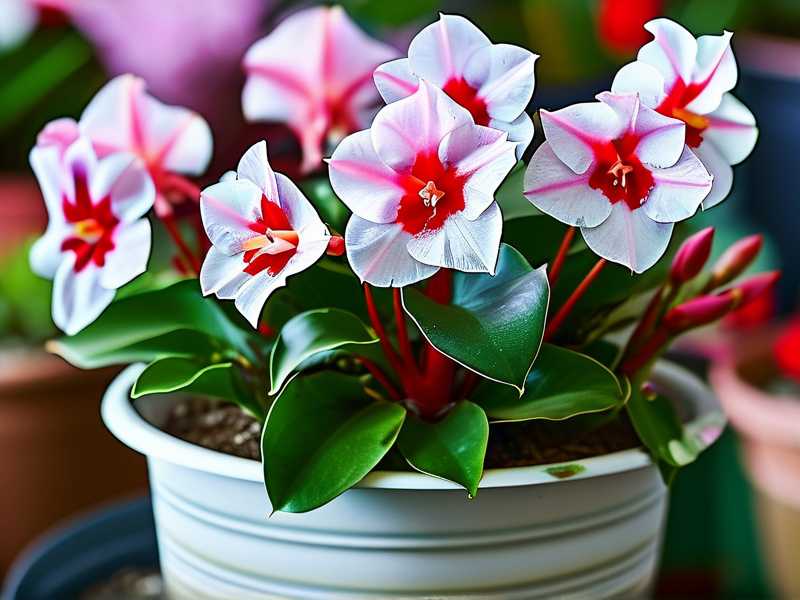
I used to water every Monday. It felt organized. It felt responsible. It was wrong. Schlumbergera does not care about your weekly planner. It cares about soil moisture. In the second week of my experiment, I had a house guest. I forgot to check the soil for three extra days. The plant looked slightly wilted. Leaves were a bit soft. I panicked. I tested the soil. It was dry all the way through. I watered it. Within four hours, the leaves plumped back up. The flowers kept blooming. The plant forgave me. If I had watered on a schedule, I would have drowned it during week one when the soil was still wet. Schedules kill. Observation saves.
Three Deadly Mistakes New Owners Make
I have killed exactly three Schlumbergera plants. Each death taught me something painful. Here are the mistakes I hope you avoid.
Mistake One: Watering Too Much, Too Often
This is the number one killer. I waterboarded my first plant. I gave it a cup of water every three days. The soil stayed dark and wet. Within two weeks, the leaves turned mushy at the base. The buds turned yellow and dropped. The stem collapsed. The RHS states that overwatering is the most common cause of Schlumbergera failure. I agree completely. The roots need air pockets. Constant moisture suffocates them. If you see leaves turning soft and translucent, you are overwatering. Stop immediately. Let the soil dry out completely. Remove any mushy stems. Repot in fresh, dry soil if the rot has spread. I had to do that with my second plant. I saved half of it. The other half went to the compost bin.
Mistake Two: Placing the Plant in Wrong Light While Watering
I thought more light meant more flowers. I placed my second plant on a south-facing windowsill. The afternoon sun blasted it. I watered it the same amount as my other plants. The top soil dried fast. But the roots cooked. The combination of hot light and frequent watering stressed the plant. It dropped all its buds in five days. Here is what I learned: Schlumbergera likes bright, indirect light during bloom. Direct sun heats the pot. It dries the soil unevenly. It forces you to water more often. That creates a cycle of stress. Keep it in an east-facing window. Or place it a few feet back from a west window. The leaves should never feel hot to the touch. If they do, move the plant immediately. I now keep mine on a bookshelf near a north-east window. The light is soft. The soil dries at a natural pace. The blooms last twice as long.
Mistake Three: Using the Wrong Pot
I bought a beautiful ceramic pot with no drainage hole. It looked perfect on my dining table. I planted my third Schlumbergera in it. I thought I could control the water carefully. I could not. Water pooled at the bottom. The roots sat in a hidden puddle. The soil on top felt dry, so I watered again. The plant rotted from below. I only noticed when the stems fell over. The AHS emphasizes using pots with drainage holes for all succulents and cacti relatives. Schlumbergera is no exception. I now use terracotta pots. They breathe. They wick moisture away from the soil. They prevent accidental overwatering. If you love decorative pots, use them as cachepots. Place the plastic nursery pot inside. Lift it out to water. Let it drain completely. Then put it back. This simple trick saved my fourth plant.
My Step-by-Step Watering Method
I developed this method after years of trial and error. It works for every Schlumbergera variety. Follow these steps exactly during the bloom period.
Step One: Check Soil Twice a Week
I set a phone reminder every Tuesday and Friday. I stick my index finger into the soil. I push down about two inches. If the soil feels cool or damp, I close the pot. I do not water. If the soil feels dry and loose, I move to step two. I also lift the pot. A dry pot feels significantly lighter. This weight test is reliable. After two weeks, you will know the weight difference by instinct.
Step Two: Water Slowly and Thoroughly
I take the pot to my kitchen sink. I use room-temperature water. Cold water shocks the roots. I pour water evenly over the soil surface. I watch for water to come out of the drainage holes. I let it drain for five minutes. I do not let the pot sit in the drained water. Standing water is death. I empty the saucer immediately. I learned this lesson after my second plant got wet feet and dropped half its blooms overnight.
Step Three: Monitor Bud Stage and Adjust
When buds are tiny and green, the plant needs less water. It is focusing energy on developing flowers. Overwatering at this stage causes bud blast. I saw this happen to a friend's plant. She watered her plant daily when it was full of buds. Every single bud fell off within a week. I told her to stop watering. She waited ten days. The plant survived but did not bloom that year. Once the first flower opens, the plant can handle slightly more water. But not much. I maintain the same finger test. I never water just because I see flowers.
The Role of Humidity in Bloom Longevity
Schlumbergera comes from a humid environment. Dry indoor air can shorten bloom life. I keep my plant away from heating vents and drafty windows. I use a small humidifier near it. I set it to 50% humidity. You can also place a tray of pebbles with water under the pot. The evaporation creates localized humidity. Do not let the pot touch the water. Misting is controversial. I mist my plant once a week. The AHS notes that foliar watering can lead to fungal issues if air circulation is poor. So I mist in the morning. The leaves dry by night. The buds stay fresh longer. I noticed a difference after adding humidity. Blooms lasted four extra days compared to my previous dry apartment.
Why Overwatering Causes Bud Drop
I want you to understand the biology. It helps you resist the urge to water. When the roots are saturated, they cannot absorb oxygen. The plant panics. It stops sending nutrients to the blooms. It reabsorbs the buds to survive. The buds turn yellow, then brown, then fall. This is called bud blast. I watched it happen to my first plant in real time. It took three days from the first yellow bud to a completely bare plant. The RHS confirms that water stress is a primary cause of bud drop in Schlumbergera. The plant is protecting itself. It sacrifices flowers to save the roots. Your job is to keep the roots stable. Keep them moist but not wet. Think of it like a sponge. A damp sponge holds moisture. A wet sponge leaks. You want damp soil, not wet soil.
What I Learned from My Fourth Plant
I have owned my current Schlumbergera for two years. It has bloomed every single holiday season. I have not lost a single bud in the last three blooms. The secret was slowing down. I stopped treating it like a regular houseplant. I treat it like a reluctant guest. I offer water only when it asks. The plant signals dryness through leaf texture. Slightly soft leaves mean it needs water. Firm, plump leaves mean it is satisfied. I check the leaves every time I pass the plant. This takes five seconds. It saves me from killing another plant. I also learned to ignore the calendar. Holidays come and go. The plant does not care if it is Christmas. It cares about consistency. I water on the same visual cues regardless of the date.
Common Questions from Other Plant Owners
How do I know if my Schlumbergera is overwatered?
Look for mushy leaves at the base. They will feel soft and look translucent. The stems may turn black or brown. The soil will smell sour or musty. If you see any of these signs, stop watering immediately. Remove the plant from its pot. Cut away any rotten roots. Repot in dry, well-draining cactus mix. Do not water for at least two weeks. I saved a friend's plant this way. It took three months to recover. But it bloomed the next year.
Can Schlumbergera survive if I underwater it once?
Yes. I purposely underwatered my plant during the experiment. I let it wilt slightly on day fourteen. The leaves looked a bit wrinkled. I gave it a thorough drink. Within hours, the leaves plumped up. The flowers kept going. Underwatering once will not kill the plant. It will only cause temporary stress. Overwatering once can start rot. Underwatering is always safer. I would rather see a slightly thirsty plant than a drowned one.
Should I stop watering after the blooms fade?
Yes. This is critical. After the last flower drops, the plant enters a rest period. It needs less water. I reduce watering to once every three weeks. Some people water even less. The RHS recommends a drier winter rest after blooming. I kept watering my plant as usual after its first bloom. It grew new leaves but did not bloom the second year. I changed my approach. Now I water only when the soil is completely dry for weeks. The plant rests. It sets buds for the next season. Do not force growth during rest. Let the plant sleep.
Final Thoughts on Watering Schlumbergera During Bloom
I wish someone had told me these things before my first plant died. It is simple but not easy. The finger test is your best friend. The pot weight is your second. The leaves tell you everything. I still check my plant every few days. I enjoy the ritual now. It connects me to the plant's natural rhythm. The blooms last longer when I respect that rhythm. My current plant has been blooming for three weeks. The oldest flowers are still bright pink. New buds are opening every day. I have not changed a thing since my two-week test. The method works. Trust the dryness. Trust the patience. Your Schlumbergera will reward you with a long, festive bloom period.