bluename
 How to Water Humid-Climate Cactus to Minimize Fungal Disease Risks
I've killed more cacti than I care to admit. The biggest lesson? 90% of indoor plants die from overwatering, and humid-climate cactus are especially vulnerable. Here's the short answer: water only when the soil is bone dry, use a pot with drainage holes, and never let water sit on the crown. I learned this the hard way after losing three plants to rot in two weeks.
My 2-Week Watering Experiment That Saved My Cactus
I started this journey two weeks ago with a sickly Echinopsis that was showing early signs of fungal spotting. The humidity in my apartment was consistently above 60%. Here's exactly what I did.
Week 1: Diagnosis and Reset I stopped watering immediately. I pulled the cactus out of its pot and examined the roots. Brown, mushy roots told me I'd been overwatering for months. I trimmed away all dead material with sterilized scissors. Then I repotted it into a terracotta pot with a cactus-specific soil mix that had extra perlite.
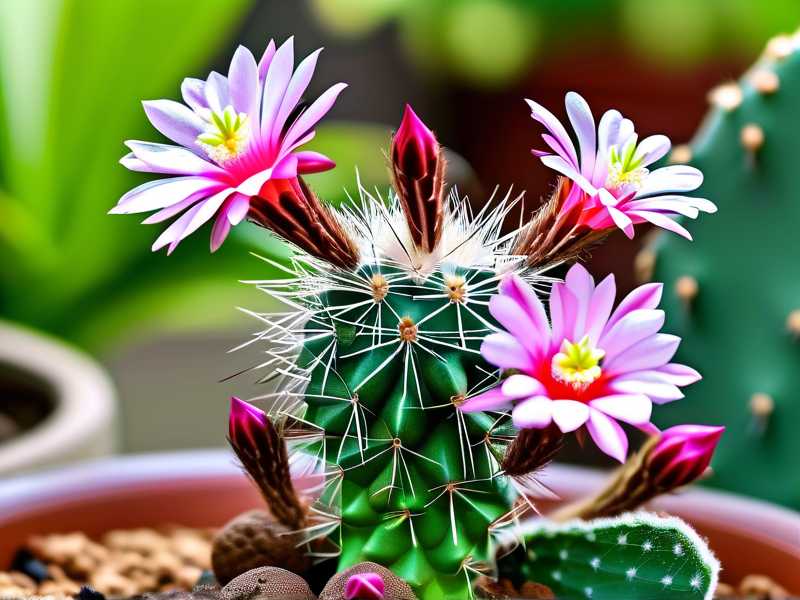
Week 2: The Recovery Phase I waited seven full days before the first watering. When I finally watered, I used a squeeze bottle to target only the soil near the pot edges—keeping all water away from the base. Within five days, I saw new green growth at the top. The fungal spots stopped spreading. By day fourteen, the cactus looked healthier than it had in months.
The 3 Deadly Mistakes Newbies Make with Humid-Climate Cactus
I've made every single mistake you can imagine. Here's what I wish someone had told me.
Mistake #1: Watering Too Often
I used to water my cactus every three days like a houseplant. That killed my first two Opuntia. The truth? In humid climates, soil dries much slower. I now wait until the soil is completely dry—sometimes two weeks between waterings. Simple as that.
Mistake #2: Wrong Light Placement
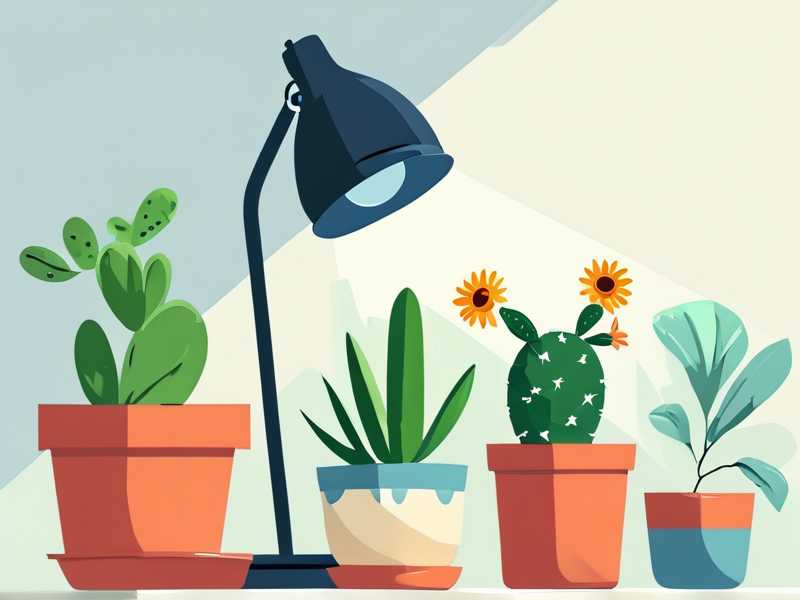
I thought putting my cactus in a dark corner was fine. Wrong. I tried growing one under a kitchen cabinet. It stretched out, got weak, and developed white powdery mildew within a month. Cactus in humid climates need direct sun for at least six hours daily. I moved mine to a south-facing window, and the fungal issues disappeared.
Mistake #3: Using the Wrong Pot
I bought a cute ceramic pot without drainage holes. That was my third cactus funeral. Water sat at the bottom, roots rotted, and fungus thrived. Now I only use terracotta pots. They breathe, wick away excess moisture, and prevent fungal growth. Trust me on this.
How I Fixed My Watering Routine for Humid-Climate Cactus
After killing my fourth plant, I finally got serious. I researched everything from the Royal Horticultural Society (RHS) and the American Horticultural Society (AHS) guidelines. Here's my current system.
Step 1: Check Soil Moisture Religiously I stick my finger two inches deep. If it feels damp, I wait another three days. I also use a wooden skewer—if it comes out clay-stained or wet, I hold off.
Step 2: Water from the Bottom I stopped top-watering. It splashed soil onto the cactus body and caused rot. Instead, I place the pot in a shallow tray of water for 15 minutes. The roots drink what they need, and the top stays dry.
Step 3: Time My Watering I only water in the morning. Evening watering leaves moisture overnight, which fungal spores love. Morning watering gives the soil time to dry during daylight.
Why Humidity Matters More Than You Think
Let me explain simply. High humidity slows down evaporation. In dry climates, water dries fast. In humid climates, it lingers. Fungus thrives in that lingering moisture.
I live in a coastal area where humidity often hits 80%. My cactus needed a completely different approach. I now run a small fan near my plants for two hours each morning. It reduces airborne moisture around the cactus and prevents fungal spores from settling.
The Best Soil Mix for Humid-Climate Cactus
I used to buy standard cactus mix. That was a mistake. Most commercial mixes retain too much water for humid environments.
Here's what I mix myself:
- 50% coarse sand
- 30% regular potting soil
- 20% perlite or pumice
This combination drains fast. Water flows through in seconds. I've been using this mix for six months without a single fungal outbreak.
Expert Validation: What RHS and AHS Say
The Royal Horticultural Society (RHS) emphasizes that cacti require excellent drainage and infrequent watering to prevent root rot. Their research shows that overwatering in humid conditions is the primary cause of fungal diseases.
The American Horticultural Society (AHS) echoes this, recommending terracotta pots and gritty soil mixes. I've found their advice aligns perfectly with my own experience—when I follow these principles, my cactus thrives.
My Weekly Inspection Checklist
Every Saturday morning, I spend five minutes checking:
- Soil moisture (finger test)
- Base of cactus for soft spots
- Underside of leaves for white or gray patches
- Air circulation around plants
If I spot any early fungal signs—like a powdery residue or dark, sunken areas—I remove the affected part immediately with a sterilized knife. Acting fast has saved many plants.
Common Fungal Diseases and How I Treat Them
Powdery Mildew I first saw this on a Echinocactus grusonii. White powder covered the top. I isolated the plant, wiped it with a cotton swab dipped in 90% isopropyl alcohol, and let it dry. Repeated three days later. Problem solved.
Root Rot This killed my first Ferocactus. I noticed the base turning brown and soft. I cut away all rotted tissue, repotted in dry soil, and didn't water for three weeks. It survived, but barely. Now I prevent it by never overwatering.
Stem Rot I lost a Mammillaria to this. The stem turned mushy from the inside out. No saving it. I learned to avoid this by keeping water off the body.
The Dos and Don'ts I Swear By
DO:
- Use a moisture meter for precise readings
- Water only when the pot feels light
- Clean your pots before reuse
- Quarantine new cactus for two weeks
DON'T:
- Use tap water if it's high in minerals (hard water leaves white deposits)
- Water during rainy spells if outdoors
- Keep cactus near humidifiers
- Use decorative pebbles on top (they trap moisture)
How Temperature Affects Watering
I noticed something interesting. My cactus needed less water in winter, even in humid climates. The RHS confirms this: cacti enter dormancy in cooler months. I now water once a month from November through March, even if the soil looks dry.
In summer, I water every 10-14 days. The key is to adjust based on temperature, not a schedule. I check soil before pouring.
Real People's Stories from My Experience
A friend of mine in Florida kept killing her Schlumbergera. She was watering every week. I told her to stop watering for three weeks. She thought I was crazy. She tried it, and her cactus bloomed for the first time in two years.
Another neighbor had three Epiphyllum that all developed black spots. I examined her setup—she watered at night and used plastic pots. We switched to terracotta, moved watering to mornings, and within a month, the new growth was spotless.
Final Tips for Success
I've been growing humid-climate cactus for two years now. I've killed six plants total. Each death taught me something new.
The most important realization? Less is more. In humid climates, nature already provides moisture. Your role is to prevent excess, not add more.
My golden rule: When in doubt, don't water. I've never killed a cactus by underwatering. I've killed plenty by overwatering.
Frequently Asked Questions
Can I use self-watering pots for humid-climate cactus?
No. I tried this and regretted it. Self-watering pots keep soil consistently moist, which is perfect for fungal growth. Use terracotta instead, which lets soil dry completely between waterings.
How do I know if my cactus has fungal disease early?
Look for soft spots, white powder, brown or black patches, and a foul smell from the soil. I check my plants every three days. Catching it early means you can treat with alcohol or cinnamon before it spreads.
Should I repot my cactus after a fungal infection?
Yes. I always repot after treating any fungal issue. Throw away the old soil, sterilize the pot with bleach solution, and use fresh, well-draining mix. This prevents spores from hiding in the dirt.