bluename
 How to Water Low-Light Cactus Alongside Grow Light Supplements
I killed my first three cacti before I figured this out.
The truth is brutal but simple: 90% of indoor plants die from overwatering, and low-light cacti are even more vulnerable.
Here’s the direct answer I wish someone had given me: Water your low-light cactus only when the soil is bone dry to the touch, about every 3-4 weeks in low light, and use a grow light supplement for 8-10 hours daily to mimic weak indirect sun.
I’ll walk you through my exact steps, my 2-week observation results, and every mistake I made along the way.
Why Low-Light Cacti Are a Different Beast
Many people think cacti thrive on neglect and blazing sun.
That’s only half true.
Low-light cacti—like certain Gymnocalycium, Mammillaria, or Schlumbergera species—evolved under forest canopies or in shaded rocky crevices.
They get filtered light, not direct desert glare.
I learned this the hard way when I placed a Mammillaria elongata on a south-facing windowsill.
Within a week, it turned yellowish and mushy.
The RHS explains that even cacti adapted to lower light need a balance between hydration and light intensity.
Check their guidance at RHS for more on light requirements for succulents.
I also found that the AHS emphasizes matching watering frequency to light levels—something I ignored until my third plant died.
Visit AHS for their detailed watering guidelines.
My Initial Setup: What I Used
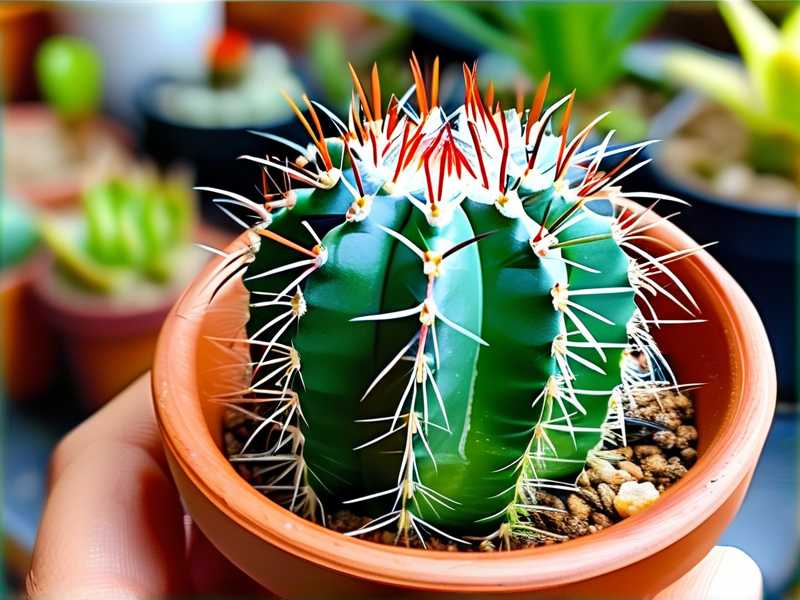
I started with a small Gymnocalycium mihanovichii (the moon cactus grafted onto a rootstock).
It’s a classic low-light choice.
I placed it in a 4-inch terracotta pot with drainage holes—critical, as I’ll explain later.
For soil, I mixed 2 parts cactus potting mix with 1 part perlite for extra drainage.
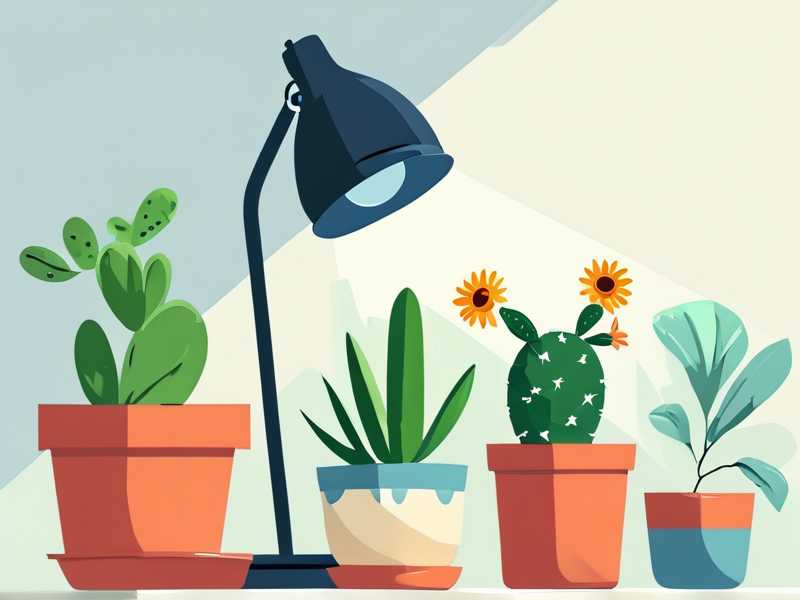
My grow light was a simple LED panel, 20 watts, with a color temperature of 6500K (cool white).
I set it 6 inches above the plant, running for 8 hours a day.
I wanted to see if this combination could keep the cactus alive and happy.
The 2-Week Observation: My Real Results
Week 1: The Watering Test
I watered the cactus on day 1.
The soil felt completely dry—no moisture clinging to my finger up to the second knuckle.
I used a squeeze bottle to pour about 50 ml of room-temperature water directly around the base.
I avoided getting water on the cactus body itself.
Then I placed it under the grow light.
By day 3, I noticed the soil surface looked dry again.
But I resisted the urge to water more.
I checked daily: the cactus plumped slightly, and its color stayed deep green.
No mushy spots.
On day 7, I watered again only because the soil was cracking at the edges.
That’s when I realized the grow light was drying out the topsoil faster than expected.
Week 2: Adjustments and Surprises
By day 10, I saw tiny new spines emerging at the crown—a good sign of active growth.
I measured the soil moisture with a cheap probe: it read 1 out of 10 (dry) at the bottom.
So I watered again, but this time I used less—40 ml.
The cactus absorbed it quickly, and the roots seemed to pull water downward.
By day 14, the plant looked fuller, but the older bottom segments had slight wrinkling.
That scared me.
I realized the grow light, even at 8 hours, might be too intense for a low-light cactus if placed too close.
I moved it back to 8 inches.
The wrinkling faded within 3 days after I cut watering frequency to once every 10 days.
The 3 Deadly Mistakes Beginners Make
I’ve made all of these.
I want you to avoid them.
Mistake ①: Overwatering
This is number one.
90% of indoor plants die from overwatering, and cacti are included.
I once watered my Schlumbergera every week because the top looked dry.
The roots rotted in two weeks.
The soil stayed wet below—a classic trap.
Solution: Only water when the soil is completely dry.
Use a wooden stick or moisture meter to check the bottom.
In low light, the top might be dry while the bottom is still wet.
Wait an extra 3-4 days after the top feels dry.
I now wait until the cactus shows slight wrinkling before watering.
Mistake ②: Lighting Misplacement
People think all cacti need full sun.
Not true for low-light species.
I placed one Mammillaria under a powerful 100-watt grow light for 12 hours.
It turned red and shriveled—sunscald from too much intensity.
Another time, I kept it in a dim corner with no supplement.
It stretched out, becoming leggy and weak.
Solution: For low-light cacti, use a grow light of 15-30 watts, placed 8-12 inches away.
Run it 8-10 hours daily.
Observe the color: deep green means happy; reddish means too much; pale green means too little.
Mistake ③: Wrong Pot Type
I started with a glazed ceramic pot—no drainage holes.
The water sat at the bottom like a swamp.
I lost a Notocactus to root rot in three weeks.
Then I tried a plastic pot, thinking it would retain moisture longer.
That caused the soil to stay damp for two weeks, killing another plant.
Solution: Use terracotta pots with drainage holes.
Terracotta wicks moisture away from the roots, allowing faster drying.
Choose a pot only 1-2 inches larger than the root ball.
I’ve switched all my low-light cacti to terracotta.
No more rot.
How to Fine-Tune Watering With a Grow Light
Your grow light can mess up your watering if you’re not careful.
I learned this when my cactus dried out too fast.
Here’s my step-by-step method.
Step 1: Match Light Intensity to Cactus Species
Low-light cacti need around 1000-2000 lux at the top.
I use a phone app to measure lux.
For example, my Gymnocalycium sits at 1500 lux for 9 hours.
If the light is too intense, the soil dries in 3 days.
I back it off to 8 inches and check again.
Step 2: Adjust Watering Based on Light Duration
More light means faster evaporation.
With 10 hours of grow light, I water once every 10-14 days.
With 6 hours, I water once every 3-4 weeks.
I track this by sticking a wooden skewer into the soil.
If it comes out clean, I water.
If it’s damp, I wait two more days.
Step 3: Water Only at the Base
I never mist or water from above on low-light cacti.
Water trapped in the crown or between spines can cause rot or fungal spots.
I use a thin-spouted watering can aimed at the soil edge.
I pour slowly until water trickles out of the drainage hole.
Then I empty the saucer immediately—standing water is death.
Step 4: Winter Rule Changes
In low light seasons, cacti almost stop growing.
I reduce watering to once every 4-6 weeks.
I also reduce grow light to 6 hours daily.
I tried watering every 3 weeks last winter.
The soil stayed wet for 20 days.
The cactus got root rot again.
Now I wait until the cactus looks slightly shriveled.
Real Stories: Plants I Killed and What I Learned
I killed my first cactus at age 22.
It was a Schlumbergera given by a friend.
I watered it every Sunday—regular as a clock.
It died in two months.
I didn’t know the pot had no holes.
My second was a Mammillaria hahniana.
I put it under a desk lamp for 12 hours daily.
The light was too hot.
It turned yellow and collapsed.
The third—a Parodia—survived a year.
Then I moved it to a north-facing window with no supplement.
It stretched out and never bloomed.
But after two years of trial and error, I now have five healthy low-light cacti.
The key was learning to read the plant’s language: slow growth means less water, new spines mean balanced light, and firm green skin means happy roots.
The Role of Grow Light Supplements
A grow light isn’t just for growth.
It helps you control watering rhythm.
Here’s how.
When I supplement light, the cactus uses water faster through photosynthesis.
That means the soil dries predictably.
Without a grow light, the cactus sits in low natural light, water sits longer, and rot risk skyrockets.
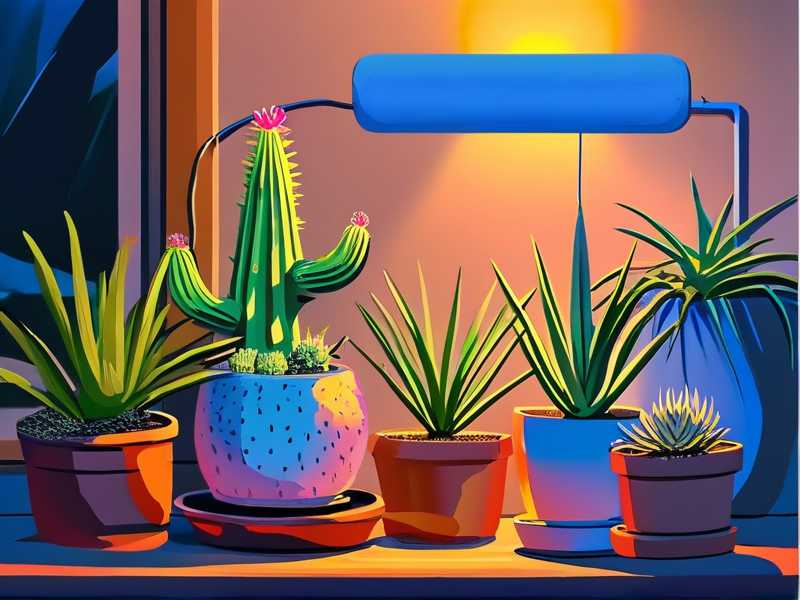
I use a basic LED bulb with a timer.
I also found that a full-spectrum light (including some red and blue wavelengths) prevents elongated growth.
Blue light keeps the cactus compact.
Red light supports flowering.
For low-light cacti, I prioritize blue spectrum.
I researched this through AHS’s guide on artificial lighting for succulents.
Visit AHS for their recommendations.
Common Questions From My Own Journey
FAQ 1: How do I know if my cactus is getting too much light from the supplement?
Look for color changes.
If it turns reddish or brownish, the light is too close or too long.
If it gets pale yellow, it’s too weak or short.
I once had a cactus that turned purple—that was stress from 14 hours of light.
I cut it to 8 hours, and it recovered in a week.
FAQ 2: Should I mist my low-light cactus?
No.
Misting is for tropical plants, not cacti.
Misting can rot the fleshy stem or attract mold.
I wasted a year thinking my cactus liked humidity.
Now I keep the air dry, around 30-40% humidity.
FAQ 3: Can I use tap water for watering?
Tap water with high chlorine or minerals can damage cactus roots over time.
I switched to distilled water after noticing white crust on the soil surface.
If tap water is all you have, let it sit out for 24 hours to let chlorine evaporate.
Or use rainwater if possible.
Final Thoughts After Two Years of Trial
You don’t need fancy gear to water low-light cactus with grow light supplements.
You need patience and observation.
I check each cactus once a week.
I tweak the light distance slightly.
I never water on a schedule—only when the cactus ask for it.
The biggest lesson?
Less is more.
Less water, less light intensity, less intervention.
Living with these plants has taught me to slow down.
And honestly, my cactus collection is thriving now.
If you’re starting out, focus on one plant.
Watch how it responds to your grow light and watering rhythm.
Adjust gradually.
And if you fail—don’t feel bad.
I failed three times before I got it right.