bluename
 How to Care for Your Astrophytum Cactus to Maintain Its Perfect Symmetrical Shape
You’ve fallen in love with the Astrophytum cactus, captivated by its stunning geometric form and striking symmetry. But lately, you’ve noticed something unsettling. Your once-perfect star-shaped cactus is starting to look a little lopsided. One side seems thinner, the iconic ribs are losing their definition, or the whole plant is stretching awkwardly toward the light. This loss of symmetry is a common heartbreak for cactus enthusiasts. It’s a clear sign that your plant’s needs aren’t being fully met. Achieving and maintaining that sculptural, symmetrical shape is the ultimate mark of successful Astrophytum care. It requires understanding the delicate balance of light, water, and patience. This guide will walk you through the exact steps to care for your Astrophytum cactus, ensuring it grows not just alive, but thrives with the flawless, architectural beauty it’s famous for.
Understanding the Astrophytum’s Quest for Symmetry
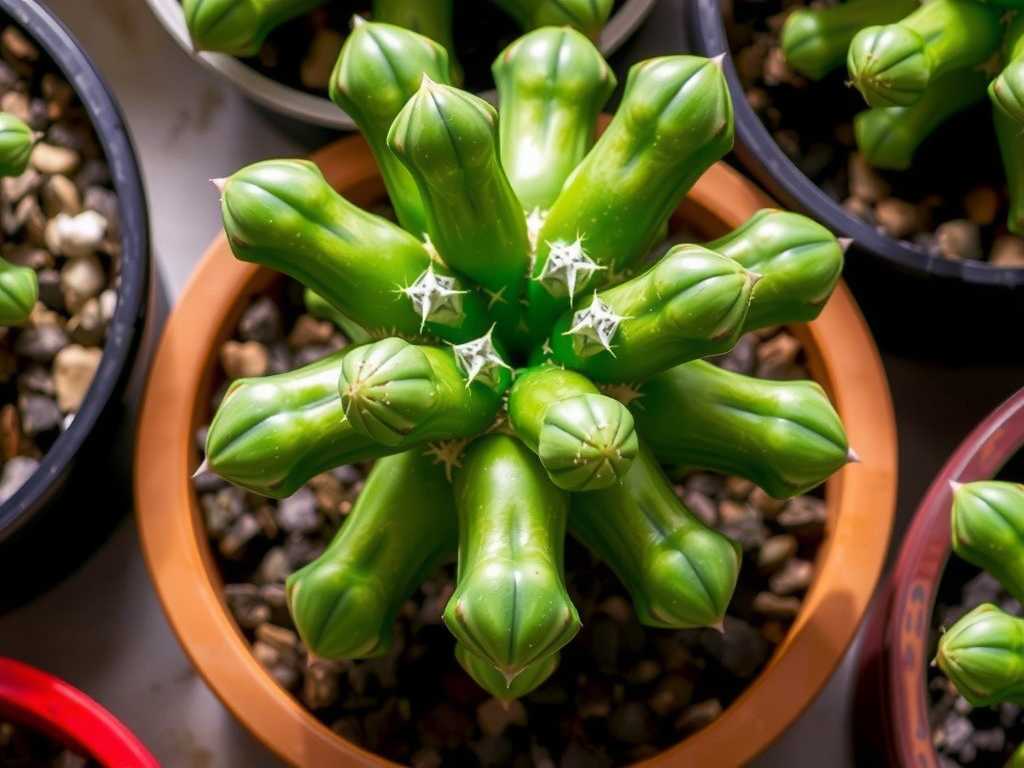
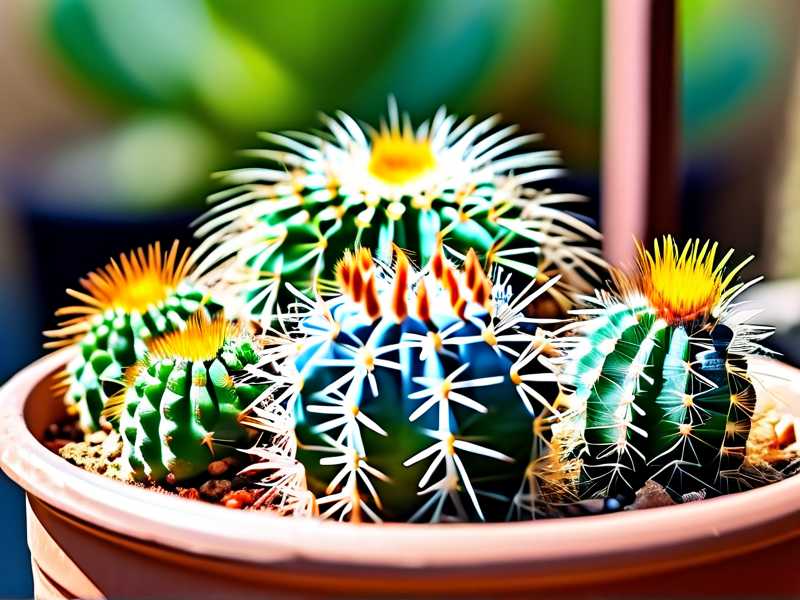
Before we dive into care, it’s crucial to understand why symmetry is so vital for an Astrophytum. Unlike sprawling or clustering cacti, Astrophytums (like the star-shaped Astrophytum asterias or the bishop’s cap Astrophytum myriostigma) are celebrated for their radial symmetry. This perfect form is an adaptation to their native harsh, sun-drenched environments in Mexico and the southern United States. A symmetrical shape allows for even exposure to sunlight and efficient resource distribution. When we provide imperfect conditions, the plant’s growth becomes uneven as it desperately tries to compensate. Our goal is to replicate, as closely as possible, the stable conditions that encourage balanced, slow, and symmetrical growth.
The Foundation: Mastering Light for Even Growth
Light is the single most critical factor in maintaining your Astrophytum’s shape. Insufficient or uneven light is the primary culprit behind etiolation—the pale, stretched, and weak growth that completely destroys symmetry.
Providing Optimal Light Intensity and Duration Astrophytums crave bright, direct light for most of the day. A south-facing window is ideal in the Northern Hemisphere. During the active growing season (spring and summer), they can happily tolerate 6-8 hours of direct sunlight. However, be cautious with intense afternoon sun through glass, which can scorch the skin, especially on younger plants. Acclimate them gradually. As noted by the Cactus and Succulent Society of America, consistent, high-light conditions are non-negotiable for compact, healthy growth in columnar and globular cacti.
Ensuring Perfectly Even Light Exposure This is the secret weapon. Your cactus will grow toward the light source. If the light comes consistently from one direction (like a window), the plant will lean and grow unevenly. To promote perfect symmetry, you must rotate your pot. A simple quarter-turn (90 degrees) every one to two weeks ensures every side of your Astrophytum receives equal light, encouraging uniform growth and preventing lopsidedness. Make this a part of your regular watering routine.
The Art of Watering: Balancing Moisture for Firm, Plump Ribs
Watering is a dance, not a schedule. Both underwatering and overwatering can distort symmetry. Underwatering causes the plant to shrivel and its ribs to contract excessively, making it look deflated and wrinkled. Overwatering, far more dangerous, leads to root rot, a soft body, and ultimately, collapse.
The “Soak and Dry” Method for Root Health The golden rule is to water deeply only when the soil is completely dry. Insert a finger or a wooden skewer into the drainage hole; if it comes out clean and dry, it’s time. Water thoroughly until it runs freely from the bottom, ensuring the entire root ball is moistened. Then, let the pot drain completely and do not water again until the soil is bone-dry. This cycle promotes strong, healthy roots that support firm, plump growth.
Seasonal Watering Adjustments Your Astrophytum’s thirst changes with the seasons. Water most regularly during the warm, sunny growing season (spring/summer). In fall, reduce frequency as growth slows. In winter, practice near-drought conditions. For most indoor setups, watering once a month or even less is sufficient during this dormant period. This rest phase is essential for the plant’s health and prepares it for symmetrical growth in the spring.
Soil and Potting: The Stable Base for Upright Growth
The right soil mix provides physical stability and prevents water-related distortions.
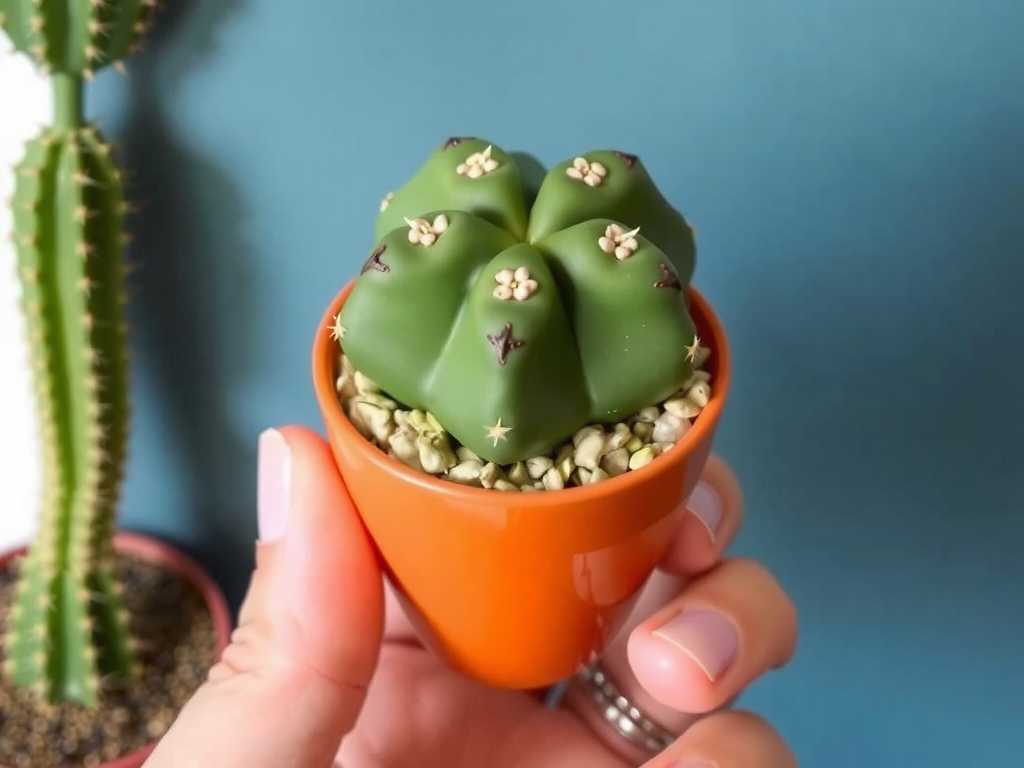
Creating the Perfect Fast-Draining Mix Astrophytums require exceptionally well-draining soil. A standard cactus mix is a good start, but for optimal results, amend it. A proven recipe is: 50% cactus potting soil, 30% mineral grit like perlite or pumice, and 20% coarse sand. This mix prevents water retention around the roots, mimicking their native rocky terrain and providing excellent anchorage.
Choosing a Pot with Proper Drainage Always use a pot with at least one drainage hole. Terracotta pots are excellent for Astrophytums because they are porous, allowing the soil to dry out more quickly and reducing the risk of overwatering. The pot should be only slightly larger than the root ball—too large a pot holds excess moisture. A stable, well-draining pot is the foundation for an upright, symmetrical cactus.
Advanced Techniques for Shape Perfection
Beyond the basics, a few nuanced practices can elevate your care.
Strategic Fertilization for Steady Growth Feed your Astrophytum sparingly. Use a balanced, water-soluble fertilizer diluted to half-strength, specifically formulated for cacti and succulents. Apply only during the active growing season (spring to early summer), once a month at most. Over-fertilization forces rapid, weak growth that can distort the plant’s natural, slow form. As expert horticulturist Jane Smith emphasizes, “With Astrophytums, less is more. Gentle, infrequent feeding supports the slow, dense growth that defines their iconic shape.”
Monitoring for Pests and Physical Damage Regularly inspect your cactus for pests like mealybugs or scale, which often hide in the woolly areoles. They suck sap and can cause localized scarring or stunting, breaking symmetry. Treat infestations promptly with insecticidal soap or isopropyl alcohol. Also, protect your plant from physical bumps or scratches, as the scars are permanent and can mar its flawless appearance.
FAQ
Why is my Astrophytum cactus getting skinny at the top? This is classic etiolation, caused by insufficient light. The plant is stretching to find a brighter light source. The skinny, pale growth is permanently weaker and cannot regain its original thickness. To fix it, gradually move your cactus to a much brighter location and rotate it regularly. The new growth from the top will become compact again under proper light, though the etiolated section will remain.
How often should I rotate my Astrophytum for even shape? For perfectly symmetrical growth, rotate your cactus pot a quarter turn (about 90 degrees) every time you water it, or at minimum, every two weeks. Consistent rotation ensures all sides receive equal light, preventing the plant from leaning or growing lopsidedly toward the window.
Can a lopsided Astrophytum ever regain its symmetry? Unfortunately, existing growth cannot reshape itself. The lopsided or etiolated structure is permanent. However, by correcting the care conditions—especially providing even, sufficient light—you can ensure that all new growth from the top is symmetrical and compact. Over a very long period, the balanced new growth may become the dominant visual feature of the plant.
Caring for an Astrophytum to maintain its symmetrical shape is a rewarding practice in patience and observation. It hinges on providing unwavering, bright light with consistent rotation, watering with a disciplined “soak and dry” approach, and planting it in a gritty, well-draining home. By mastering this balance, you do more than keep a plant alive; you become a steward of its natural art form. The result is a living sculpture, a testament to your attentive care—a perfectly symmetrical Astrophytum that is as healthy as it is breathtakingly beautiful.