bluename
 How to Care for Prickly Pear Cactus to Boost Edible Fruit Production
You’ve planted a prickly pear cactus, dreaming of a bountiful harvest of its sweet, jewel-toned fruits. But instead of a thriving plant laden with fruit, you’re met with slow growth, sparse flowering, or worse—a limp, unhealthy cactus. The dream of harvesting your own “tunas” feels frustratingly out of reach. The secret to unlocking a prolific harvest lies not in luck, but in understanding and replicating the specific conditions this resilient yet particular plant craves. Mastering how to care for prickly pear cactus for fruit is a rewarding journey that transforms your garden into a source of unique, homegrown abundance.
This guide will walk you through every critical step, from planting to harvest, ensuring your cactus not only survives but thrives and produces an impressive yield of edible fruit.
Understanding Your Prickly Pear (Opuntia)
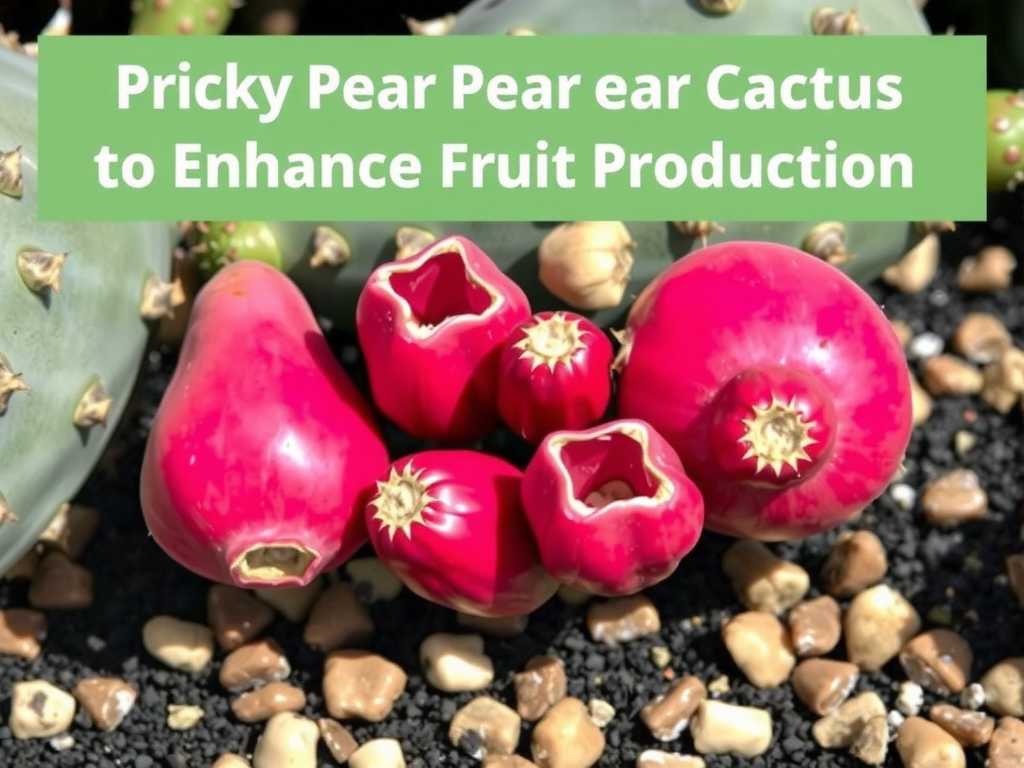
Before diving into care, knowing your plant is key. Prickly pear cacti belong to the Opuntia genus, with many species producing edible pads (nopalitos) and fruits (tunas). For optimal fruit production, selecting a known fruit-producing variety like Opuntia ficus-indica is crucial. These plants are built for arid environments, storing water in their flat, padded stems called cladodes. Their demanding nature for sunlight, sharp drainage, and a winter chill period is what makes them fruit so generously when conditions are right.
Optimal Planting for a Strong Foundation
A successful harvest begins the moment your cactus goes into the ground or pot.
Choosing the Right Location Sunlight is non-negotiable. Your prickly pear requires a minimum of 6 to 8 hours of direct, unfiltered sunlight daily. More sun directly translates to more energy for flower and fruit development. Choose a south-facing spot that’s protected from strong, cold winds, which can damage pads and blossoms.
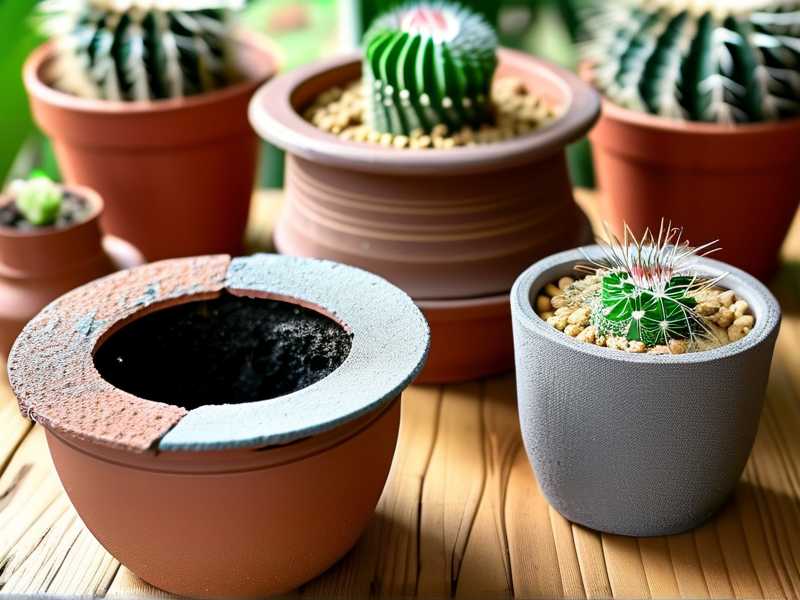
Soil and Drainage Requirements This is perhaps the most critical factor. Prickly pear cactus care demands exceptionally well-draining soil. They will quickly succumb to root rot in heavy, wet clay. Ideal soil is sandy or gravelly. If planting in the ground, amend native soil with coarse sand and small gravel. For container gardening, use a specialized cactus or succulent mix, and consider adding extra perlite or pumice. As noted by horticulturist Dr. Linda Chalker-Scott, “For xeric plants like Opuntia, creating a soil profile that mimics their native, mineral-heavy habitat is more important than fertility.”
Planting Technique Always wear thick gloves! Plant at the same depth the cactus was growing in its nursery pot. For pad propagation, allow a cut end to callous over for a week before planting it about one-third deep in dry soil. Hold off on watering for another week to encourage root growth.
Essential Care Practices for Maximum Fruit Yield
Consistent, appropriate care throughout the seasons is what bridges the gap between a living cactus and a fruit-producing one.
Watering: The “Less is More” Philosophy Overwatering is the fastest way to kill your cactus. The goal is to mimic desert rainfall: deep soaks followed by long dry periods. During the active growing season (spring and summer), water deeply only when the soil is completely dry. In fall, reduce watering significantly to help the plant prepare for dormancy. In winter, withhold water almost entirely, especially if temperatures drop below freezing. A slightly shriveled pad in winter is normal and indicates proper dormancy.
Fertilizing for Flowers and Fruit While not heavy feeders, a strategic nutrient boost encourages flowering. In early spring, as new growth emerges, apply a balanced, low-nitrogen fertilizer. A formula like 5-10-10 is ideal, as too much nitrogen promotes excessive pad growth at the expense of flowers. Fertilize once more in mid-summer, but stop by late summer to allow the plant to harden off for winter. Organic options like compost tea or worm castings sprinkled around the base can also provide gentle, slow-release nutrition.
Pruning and Shaping Your Plant Pruning serves two main purposes: plant health and fruit production. Remove any damaged, diseased, or old, woody pads to improve air circulation and direct energy to healthy growth. To boost fruit yield, thin out dense clusters of pads. This allows more sunlight to penetrate the center of the plant and reduces competition for resources. Always make clean cuts at the joints, and remember that each pad you remove can be propagated into a new plant.
The Path to Pollination and Fruit Set
Flowers are the precursor to fruit, and they need help to become your harvest.
Encouraging Profuse Blooming Adequate sunlight, proper winter dormancy, and a slight stress from controlled underwatering in spring can all trigger the plant’s reproductive cycle. The sight of vibrant yellow, orange, or red blooms in late spring to early summer is your reward for good yearly care.
Pollination Needs Many Opuntia varieties are self-sterile, meaning they need pollen from a genetically different cactus to set fruit. Planting at least two different varieties of fruit-bearing prickly pears can dramatically increase your fruit production. Nature’s primary pollinators for these flowers are bees. Encourage them by planting other bee-friendly flowers nearby. In their absence, you can use a small, soft brush to manually transfer pollen from one flower to the stigma of another.
From Flower to Harvest: Fruit Development
After successful pollination, the base of the flower will swell into the fruit.
Thinning for Quality If your plant sets an overwhelming number of fruits, consider thinning them slightly. Removing some fruits allows the plant to concentrate its sugars and energy into developing larger, sweeter remaining fruits.
Protecting Developing Fruit Birds and rodents love the ripe fruit. As fruits begin to color, you may need to use bird netting for protection. For spineless varieties, this is straightforward. For spiny varieties, handle with extreme care using tongs and gloves.
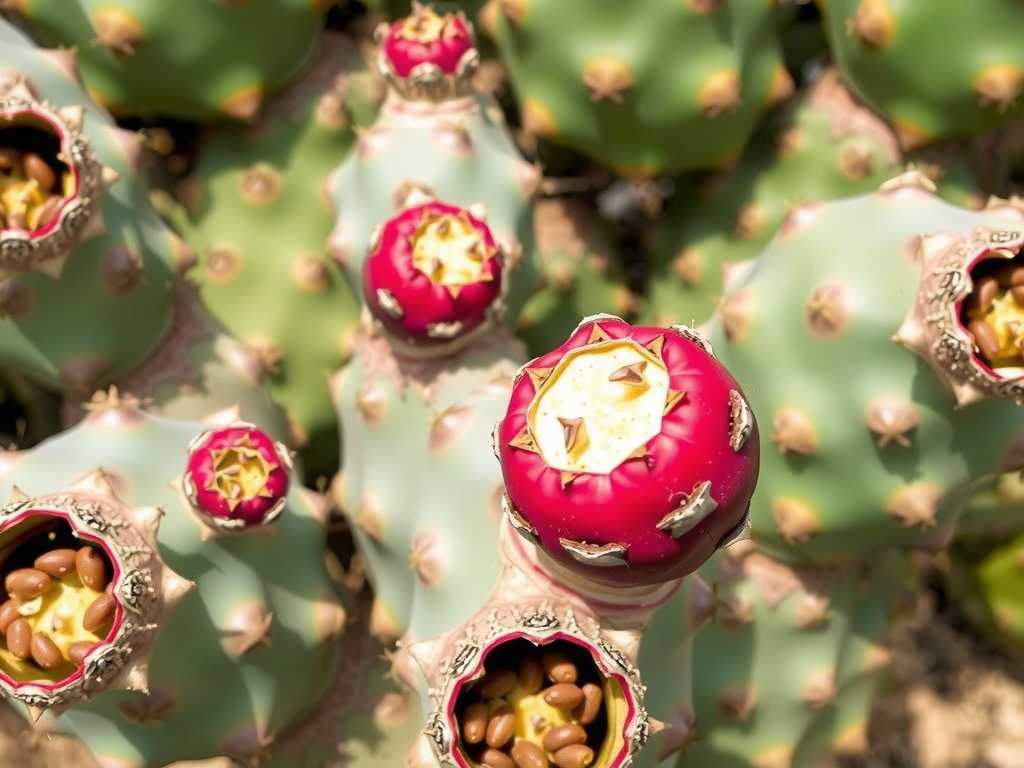
Harvesting Your Prickly Pear Fruit Fruits are typically ready from late summer through fall. Ripe fruit detaches easily with a slight twist. They should be deeply colored—red, purple, or orange, depending on the variety. A critical safety note: Even “spineless” varieties have tiny, hair-like glochids that can irritate skin. Always handle fruits with tongs and gloves. Use a flame or running water to remove glochids before handling bare-skinned.
Winter Care and Dormancy A proper winter rest is essential for next year’s crop. For cold-hardy varieties in the ground, they need a period of cold (but not extreme wet) to set buds. In very wet winter climates, protect the base from standing water with a gravel mulch. For potted plants in cold climates, move them to a cool, bright, and frost-free location like a garage or shed and withhold water.
Troubleshooting Common Problems
- Pads are soft, mushy, or discolored: Almost certainly root rot from overwatering or poor drainage. Cut away affected parts immediately and let the soil dry out completely. You may need to replant in fresh, dry mix.
- No flowers or fruit: The most common causes are insufficient sunlight, lack of a winter dormancy period, over-fertilization with nitrogen, or the plant being too young. Some species can take 3-4 years to mature enough to fruit.
- Pests: Watch for scale insects (look like small, flat bumps) or cactus borers. Treat scale with horticultural oil or by physically removing them. Borer holes require surgical removal of the larva from the pad.
Frequently Asked Questions
How long does it take for a prickly pear cactus to bear fruit? From a planted pad, it typically takes 3 to 4 years for the plant to mature and produce its first significant crop. Plants grown from seed can take considerably longer, often 5 years or more.
Can I grow a prickly pear cactus for fruit in a cold climate? Yes, with the right strategy. Choose a cold-hardy variety like Opuntia humifusa. Plant it in the sunniest, best-drained spot possible, and use a thick layer of gravel (not mulch) around the base. Alternatively, grow in containers that can be moved to a protected, dry location during the harshest winter months.
Why did my cactus flower but not produce fruit? This usually points to a pollination issue. If you have only one plant, it may be self-sterile. Consider adding a second, different variety to your garden or be prepared to hand-pollinate when it flowers next season. Lack of bee activity during the brief flowering period can also be a factor.
Growing prickly pear cactus for a successful fruit harvest is a lesson in patience and embracing the plant’s natural rhythms. By providing relentless sun, impeccable drainage, a disciplined watering hand, and a helping hand with pollination, you create an environment where abundance is not just possible, but expected. The reward is a unique, homegrown crop that connects you directly to the resilient beauty and delicious bounty of the desert.