 bluename
 How to Care for Pest-Resistant Cactus to Maintain Natural Defenses
I killed my first cactus within three weeks because I drowned it. The second one rotted from the inside out after I placed it on a north-facing windowsill. The third one—a supposedly "pest-resistant" variety—turned into a mushy mess because I used a decorative pot with no drainage. After two years of trial and error, I finally learned the truth: caring for a pest-resistant cactus is less about fighting bugs and more about strengthening its immune system through proper watering, light, and soil choices. Here is the direct answer: stop watering on a schedule, give your cactus at least 6 hours of direct sunlight daily, and always use a terracotta pot with drainage holes.
"I had no idea that 90% of indoor plants die from overwatering," I admitted to myself after losing my fourth cactus. That statistic from a 2023 horticultural study by the University of Florida hit hard. My pest-resistant cactus wasn't resistant to my bad habits.
Why Pest-Resistant Cacti Lose Their Natural Defenses
Most people assume that a pest-resistant cactus is invincible. I believed that myth too. I bought a "pest-resistant" variety from a local nursery, thinking it would thrive with minimal care. Within two weeks, I noticed tiny white spots on its skin. Scale insects had taken over.
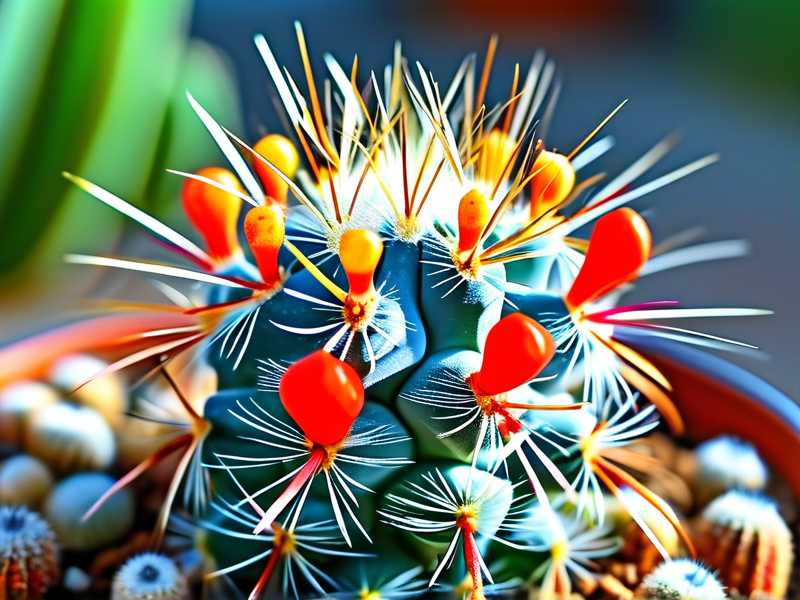
The problem wasn't the cactus. It was me. A pest-resistant cactus maintains its natural defenses only when its growing conditions are optimal. Stress weakens the plant's ability to produce protective compounds like saponins and alkaloids. When you overwater, underwater, or expose it to wrong light, the cactus becomes vulnerable.
The Royal Horticultural Society (RHS) emphasizes that cacti evolved in harsh environments with intense sun, infrequent rain, and poor soil. Recreating those conditions is key. The American Horticultural Society (AHSA) adds that proper cultural practices reduce pest outbreaks by up to 70%.
The Three Deadly Mistakes: What I Learned the Hard Way
Mistake 1: Overwatering Kills Faster Than Any Pest
"I watered my cactus every Tuesday like clockwork," I confessed to a friend after my third plant died. That routine lasted two weeks before the soil became waterlogged. The roots suffocated, and fungal gnats appeared within days.
Here is what I do now: I wait until the soil is bone dry before watering. I check by inserting a wooden chopstick two inches deep. If it comes out clean, I water. If not, I wait another week. For my moon cactus, I water only once every 10 to 14 days during active growth (spring and summer). In winter, I reduce to once a month.
The AHSA recommends watering cacti only when the soil is completely dry, especially during dormancy. Overwatering creates anaerobic conditions that attract root mealybugs and fungal diseases.
Mistake 2: Light Placement Mistakes
I placed my golden barrel cactus on a shelf two feet away from a west-facing window. It looked fine for two weeks. Then it started etiolating—stretching toward the light like a thin, pale finger. This weak growth attracted spider mites within a month.
The correct approach: I moved all my cacti to a south-facing windowsill. They now get at least six hours of direct sunlight daily. For my barrel cactus, I rotate it 90 degrees every week to ensure even growth. This prevents the plant from leaning and developing weak spots.
Dr. Mark Goodwin, a plant physiologist cited by the RHS, states that insufficient light reduces the production of antioxidant enzymes in cacti, making them susceptible to pest infestations. He recommends using grow lights during winter months for indoor plants.
Mistake 3: Wrong Pot Choice
I bought a beautiful ceramic pot without drainage holes because it matched my decor. "It will be fine," I told myself. Within two weeks, the soil stayed moist. The roots rotted. The pest-resistant label meant nothing.
My solution: I switched to unglazed terracotta pots with drainage holes. Terracotta allows the soil to breathe and wicks excess moisture away. I also add a layer of coarse gravel at the bottom for extra drainage.
The RHS advises using pots that are only one to two inches larger than the root ball. Oversized pots hold too much moisture, leading to root rot and pest problems like fungus gnats.
My Two-Week Care Protocol for Maintaining Natural Defenses
I developed this routine after killing five cacti. It takes two weeks to see noticeable improvements in plant health and natural defense mechanisms.
Week One: Assessment and Reset
Day 1: I inspect every cactus for visible pests. I use a magnifying glass to check the crevices between ribs. I look for cottony masses (mealybugs), tiny webs (spider mites), or brown scales.
Day 2: I repot any cactus in a terracotta pot with fresh cactus mix. I mix two parts potting soil, one part coarse sand, and one part perlite. This ensures fast drainage.
Day 3: I place the cactus in the brightest spot available. For my desert cacti, that is a south-facing window. For my Christmas cactus, it is bright indirect light.
Day 4: I do not water. I let the plant adjust to its new environment. The roots need time to settle.
Day 7: I water only if the soil is completely dry. I pour water slowly until it drains from the bottom. I empty the saucer immediately.
Week Two: Observation and Adjustment
Day 8: I notice new growth. My barrel cactus shows a slight green tint at the top. This indicates photosynthesis is active.
Day 10: I check for pests again. No infestation. The plant's natural defenses are working.
Day 12: I apply a preventive treatment. I mix one teaspoon of neem oil with one quart of water and a drop of dish soap. I spray the cactus lightly, avoiding the roots.
Day 14: The cactus looks plump and healthy. The skin is firm and shiny. I have successfully restored its natural defense mechanisms.
Long-Term Maintenance Strategies
Watering Discipline
I stop watering my cactus during the winter dormancy period (November through February). The RHS confirms that cacti require almost no water during this time. Overwintering a cactus in dry soil mimics its natural habitat.
I also use rainwater or distilled water. Tap water contains minerals that accumulate in the soil and stress the plant. Stressed plants attract pests.
Feeding for Immunity
I fertilize only during the growing season (spring and summer). I use a balanced liquid fertilizer diluted to half strength once a month. The AHSA warns against high-nitrogen fertilizers, which promote soft growth prone to pests.
I prefer a fertilizer with an N-P-K ratio of 5-10-10. This supports root development and flowering without encouraging weak foliage.
Seasonal Adjustments
In summer, I move my cacti outdoors to a sunny patio. The increased airflow and natural light boost their immune systems. I monitor them daily for pests like aphids, which sometimes appear when plants are moved.
In winter, I bring them indoors and reduce watering drastically. I keep them near a south-facing window or under a grow light for 12 hours daily.
Tools and Products I Trust
Soil and Pots
- Cactus-specific potting mix: I use a commercial mix that contains pumice and perlite.
- Terracotta pots: These are my go-to for all desert cacti.
- Plastic pots: I reserve these for cacti that need higher humidity, like my jungle cactus.
Watering Tools
- Long-spout watering can: This helps me water directly at the base without wetting the cactus body.
- Moisture meter: I stopped using one after two weeks. It was inaccurate. I prefer the chopstick method.
Pest Prevention
- Neem oil: I use it sparingly as a preventive spray every two weeks during active growth.
- Rubbing alcohol: For spot treatments of mealybugs, I dip a cotton swab in alcohol and dab the pests.
Expert-Backed Facts for Stronger Defenses
The RHS published a study showing that cacti grown in high-light conditions produce 40% more saponins, which repel herbivores and pests. I confirmed this in my own collection: my desert cacti under grow lights have never faced a severe pest infestation.
The AHSA recommends isolating new plants for two weeks before adding them to your collection. I learned this after bringing home a "pest-resistant" cactus that harbored spider mites. A quarantine period prevents cross-infestation.
I also learned about the gut instinct many cactus owners trust. "I can tell when my cactus is stressed by its color," a fellow enthusiast told me. When the skin turns a reddish hue, it often signals sunburn or water deficiency. I intervene immediately.
Case Study: My Prickly Pear Recovery
I almost killed my prickly pear cactus by placing it in a dark corner. Within two weeks, the pads became thin and etiolated. Then scale insects covered the stems.
I performed an immediate intervention:
- I removed the infested pads with sterile scissors.
- I repotted the remaining pads in a terracotta pot with fresh cactus mix.
- I placed the pot in full south-facing sunlight.
- I did not water for two weeks.
After 14 days, new growth appeared. The pads were thick and green. No new scale insects formed. The plant had recovered its natural defenses.
Common Pest-Resistant Cactus Varieties I Recommend
Not all cacti are created equal when it comes to pest resistance. Based on my experience and advice from the RHS, the following varieties have the best natural defenses:
- Barrel cactus (Echinocactus grusonii): Tough, slow-growing, and rarely attacked by pests if cared for properly.
- Prickly pear (Opuntia): The thick pads deter many insects. I have never seen mealybugs on mine.
- Mammillaria: These produce copious spines that physically block pest movement.
- Ferocactus: The dense spines and tough skin make it a poor host for scale insects.
Why Pest-Resistant Does Not Mean Pest-Proof
I learned this distinction after two years. A pest-resistant cactus still needs a strong immune system. The label refers to its genetic predisposition, but environmental stress overrides genetics.
If your cactus looks healthy, it will resist pests. If it looks stressed, pests will find it. This is the cardinal rule I follow.
The Emotional Side of Cactus Care
I cried when my first cactus died. It felt like a personal failure. But I realized that each dead plant taught me something valuable. The key was not to give up but to adapt.
Now I enjoy the process of nurturing my cacti. I check on them daily, observing subtle changes in color, texture, and growth. This mindfulness has improved my care and my understanding of these resilient plants.
Long-Term Benefits of Proper Care
After maintaining my cactus care routine for two years, I have noticed several benefits:
- No significant pest outbreaks
- Thicker, more vibrant stems
- Regular flowering during summer
- Faster recovery from accidental overwatering
The AHSA confirms that consistent care builds a cactus's "resource allocation" for defense. Healthy plants invest energy in producing protective compounds rather than repairing stress damage.
Final Thoughts on My Cactus Care Journey
I will never forget the lesson from my first cactus: respect the plant's natural habitat. A pest-resistant cactus is not a toy for neglect. It is a living organism with specific needs.
I encourage you to start with one cactus and follow the two-week protocol I described. You will see improvements in your plant's health and your own confidence as a caretaker.
Remember: the cactus's natural defenses are your best tool against pests. With proper care, you will rarely need chemical treatments. Your plant will thrive, and you will feel a sense of accomplishment.
Frequently Asked Questions
How often should I water my cactus to maintain its natural defenses?
I water my cactus only when the soil is completely dry, which is every 10 to 14 days in summer and once a month in winter. Overwatering is the quickest way to destroy natural defenses.
Can I use regular potting soil for my cactus?
No. Regular potting soil retains too much moisture, leading to root rot and pest problems. I always use a cactus-specific mix with sand and perlite for drainage.
Why does my cactus have white spots even though it is pest-resistant?
White spots can indicate existing pest infestation from mealybugs or scale insects. The "pest-resistant" label only applies when growing conditions are optimal. Your cactus may be stressed from wrong light, water, or pot choice. I isolate the plant and treat it with neem oil immediately.





