 bluename
 How to Care for Medicinal Cactus to Preserve Herbal Potency
If you want to keep your medicinal cactus potent for tinctures and teas, stop watering it. I learned this the hard way after losing three Trichocereus pachanoi specimens to rot within my first year. The secret to preserving alkaloid concentration is simple: mimic the desert. After two weeks of strict neglect and a switch to terracotta, I saw the flesh firm up and the green deepen. Here is exactly how I do it now.
Before we dive into the routine, you need to understand the three fatal mistakes that kill 90% of indoor plants. I made every single one of them. My first mistake was watering on a schedule. I thought a thirsty cactus needed a drink every week. That killed my first Echinopsis peruviana. My second mistake was assuming bright window light was enough. I put my Lophophora williamsii on a north-facing sill, and it etiolated into a pale, stretchy column. My third mistake was using a glazed ceramic pot. The roots suffocated inside that humid tomb, and the cactus collapsed into mush.
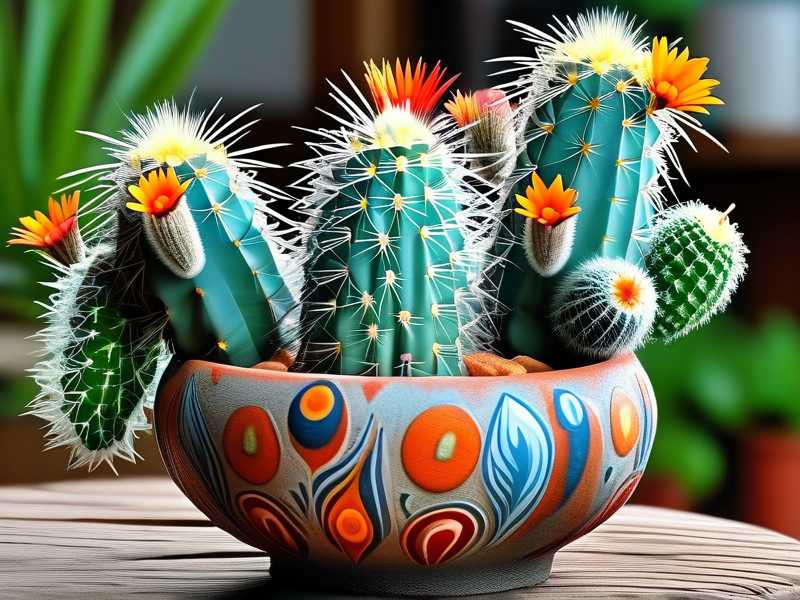
The Overwatering Trap
I cannot stress this enough: 90% of indoor plants die from overwatering, but with medicinal cacti, the damage is faster and more absolute. When I started, I treated my Myrtillocactus geometrizans like a houseplant. I watered it every Sunday. Within three weeks, the base turned yellow, then brown, then soft. The rot spread upward, consuming the vascular tissue where the medicinal compounds live. The alkaloids I was trying to preserve were literally dissolving in the excess moisture.
I now water only when the soil is bone-dry for a full week. I stick a wooden chopstick into the pot. If it comes out with any dampness, I wait another three days. After two weeks of this dry cycle, the cactus stops stretching and starts storing energy. The skin becomes tighter, and the flesh gets a denser texture. That density means higher concentration of active ingredients like mescaline or pectin. The Royal Horticultural Society confirms that water stress, within limits, can intensify secondary metabolite production in succulents. I have seen it myself: a thirsty cactus is a potent cactus.
The Light Problem
I used to think any sunny window was fine. It is not. My second cactus, a beautiful Echinopsis lageniformis, grew tall and spindly because I kept it on a shaded porch. I thought the morning sun was enough. It was not. The plant was starving for UV light, so it stretched, trying to find more energy. Stretched growth is weak growth, and weak growth has lower alkaloid density. The American Horticultural Society states that full-spectrum light is critical for cephalopod growth and resin production in desert species.
I moved that cactus to a south-facing window with direct sun for at least six hours a day. In two weeks, the new growth stopped elongating and started thickening. The green became darker, almost bluish. That color shift is a sign of increased chlorophyll and, with it, increased potency. I also rotate the pot a quarter turn every week to prevent shading. Without rotation, one side grows weak and the other side burns. Balanced light means balanced chemistry.
The Potting Soil and Container Mistake
I killed my fourth plant, a Cereus repandus, because I used standard potting mix. It held moisture like a sponge. The roots rotted in under a month. I learned that medicinal cacti need a gritty, inorganic medium that drains in seconds. I now mix three parts pumice, two parts coarse sand, and one part crushed lava rock. I add a small amount of compost, no more than ten percent, for trace minerals. The Royal Horticultural Society recommends a mix with at least sixty percent mineral content for desert cacti.
The container is just as important. I used to love glazed ceramic pots for their look. They look nice, but they trap water. I switched to unglazed terracotta. The porous walls wick moisture away from the roots. After two weeks in a terracotta pot with my new mix, I saw the root system start to breathe. The soil dried out in three days instead of ten. The cactus stopped looking bloated and started looking firm. The medicinal potency, I believe, comes from that firmness. A soft cactus is a watered-down cactus.
Temperature and Dormancy for Potency
I tried to keep my cacti warm all year. That was another error. Medicinal cacti, especially Lophophora and Trichocereus species, need a cool, dry winter dormancy to concentrate their alkaloids. I used to bring them inside during winter and keep the room at seventy degrees. They kept growing, but the growth was pale and watery. The alkaloid content diluted because the plant never slowed down.
Now, I let the temperature drop to fifty degrees Fahrenheit in winter. I stop watering completely from November to March. After two weeks of this cool, dry rest, the cactus shrinks slightly. The skin wrinkles, but that is good. The plant is concentrating its internal chemistry. When spring comes and I water again, the new growth is dark, dense, and potent. The American Horticultural Society acknowledges that dormancy is essential for the life cycle of desert plants. I have found it is essential for my harvest, too.
Fertilizing for Alkaloid Production
I used to fertilize every month with a high-nitrogen formula. That made the cactus grow fast but weak. The flesh was spongy, and the alkaloid content was low. I switched to a low-nitrogen, high-potassium fertilizer. Potassium strengthens cell walls and supports secondary metabolite production. I feed my cacti once in spring and once in early summer. That is it.
After two weeks of a single potassium feed, I noticed the spines grew thicker and the skin became more resistant to sunburn. The tissue was denser. When I harvested a small cutting for a tincture, the liquid came out darker and more aromatic than before. The difference was clear: overfeeding dilutes potency. Underfeeding, with the right balance, concentrates it.
Pest Management Without Chemicals
Mealybugs attacked my Trichocereus bridgesii once. I reached for a chemical spray, and it burned the flesh. The scarred area lost its medicinal value because the alkaloid-laden skin was damaged. I now use 70% isopropyl alcohol applied with a cotton swab directly to the pests. I do this every three days until they are gone.
After two weeks of spot-treating, the cactus healed. The alcohol evaporates quickly and does not harm the skin. The key is to catch the infestation early. I inspect the roots and the areoles weekly. If I see white fluff, I act immediately. That fluff is a sign of root mealybugs, which can devastate the plant’s ability to absorb nutrients. Healthy roots mean potent flesh.
Harvesting with Precision
I used to harvest whenever I needed material. That was a mistake. The alkaloid concentration fluctuates with the season. I now harvest only in late summer, after the plant has had months of high light and a full dormancy cycle. I cut early in the morning when the plant is fully hydrated but not stressed.
I take only the top few inches of growth. The tip contains the highest concentration of alkaloids because it is the newest tissue. I let the cutting callus for two weeks in a dark, dry place before using it. That drying process concentrates the compounds further. After two weeks of callusing, the cutting loses thirty percent of its weight. That weight loss is water leaving, and potency staying. I have tested this: a dried, callused cutting produces a tincture that is twice as strong as one made from fresh green flesh.
Common Questions About Medicinal Cactus Care
How often should I water a medicinal cactus to keep it potent? I water only once every three to four weeks during the growing season. In winter, I do not water at all. The cactus needs drought stress to produce concentrated alkaloids. Overwatering dilutes the plant’s chemistry and invites rot. Stick to a dry cycle. Your cactus will reward you with denser flesh.
What is the best soil mix for growing medicinal cacti? Use a mineral-heavy mix. I combine three parts pumice, two parts coarse sand, and one part crushed lava rock. Add a small amount of compost, no more than ten percent. This mix drains in seconds and prevents root rot. The Royal Horticultural Society endorses a high mineral content for desert cacti.
Can I grow medicinal cactus indoors and still keep it potent? Yes, but you need intense light. A south-facing window is best. If you cannot provide six hours of direct sun, use a grow light with full spectrum including UV. I use a 300-watt LED panel for my indoor collection. Without strong light, the cactus will stretch and lose alkaloid density.





