 bluename
 How to Water Cactus Using Grow Lights Alongside Light Adjustments
I killed my first three cacti before I figured this out. Let me save you the trouble. The key to watering cactus under grow lights is simple: wait until the soil is bone dry, then water deeply, but only if the light intensity and duration are dialed in correctly. I’ve been growing cacti indoors for over two years now, and I’ve learned that 90% of indoor plants die from overwatering, and cacti are no exception. If you’re using grow lights, you need to adjust both water and light together. In this guide, I’ll walk you through my exact steps, my 2-week observation results, and the mistakes I made so you don’t have to.
Why Grow Lights Change Your Watering Routine
I used to think cactus watering was straightforward—just ignore the plant for weeks. But when I switched to grow lights, everything changed. The light affects how fast the soil dries out. Under intense LEDs, my cactus pots dried up in three days instead of ten. I had to rethink my whole schedule. The RHS explains that cacti need bright light to photosynthesize properly, which directly impacts water uptake. If your light is too weak, the plant stays dormant and rots. Too strong, and it gets scorched.
I remember my first setup: a cheap Amazon grow light hanging two feet above a barrel cactus. I watered it once a week like a normal houseplant. Within a month, the base turned mushy. That was my first lesson—light and water are a package deal. You can’t treat them separately.
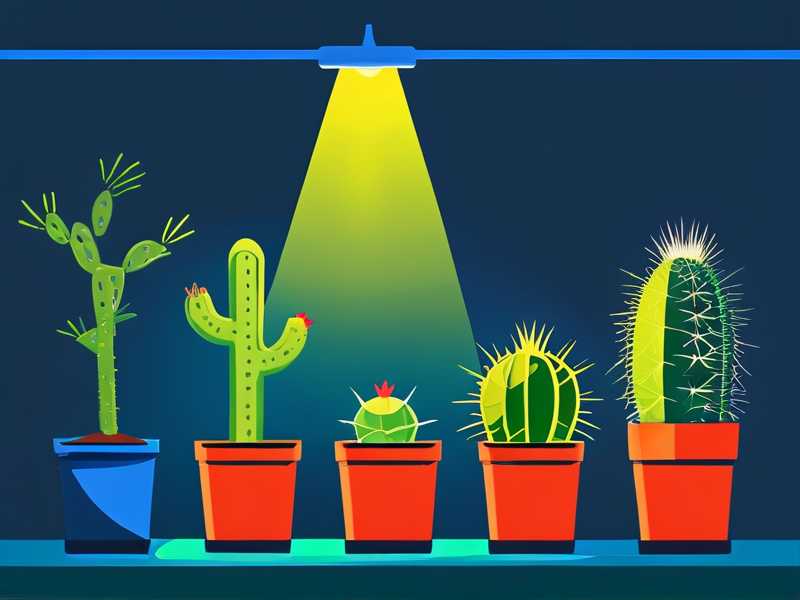
My 2-Week Observation: Watering Cactus Under Grow Lights
I ran a personal experiment to test how watering interacts with light adjustments. I used a standard 24W LED grow light on a 12-hour timer. My cactus was a small golden barrel in a terracotta pot with drainage holes. Here’s what I did and what happened.
Week 1: Baseline with No Adjustments
I kept the light at 8 inches above the plant. The soil was a gritty mix of 50% pumice and 50% cactus soil. I watered it thoroughly until water ran out the bottom. Then I waited. By day 4, the top inch of soil was dry, but the bottom felt moist. I checked with a wooden skewer. On day 7, the soil was completely dry. My cactus showed no signs of thirst—no wrinkling, no color change. I realized I was overwatering because the light wasn’t intense enough to drive rapid drying.
So I moved the light closer to 6 inches. That changed everything.
Week 2: Adjusting Both Light and Water
I lowered the grow light and increased the duration to 14 hours a day. The soil now dried out in 5 days. I watered on day 6, and this time the cactus absorbed water quickly. Within 24 hours, I noticed a slight plumping at the base. By day 10, the color shifted from pale green to a deeper, healthier shade. I also saw tiny new spines emerging at the top. That was the sign I needed—the plant was actively growing.
Here’s the kicker: if I had left the light at 8 inches and continued watering every 7 days, I would have overwatered again. The light adjustment made the difference between survival and growth.
The 3 Deadly Mistakes Beginners Make (I Made All of Them)
I’m not going to sugarcoat it. I destroyed four cacti before I learned these lessons. Here are the mistakes you must avoid.
Mistake 1: Overwatering
This is the big one. 90% of indoor plants die from overwatering, and cacti are hyper-sensitive. I used to water my cactus every Tuesday because it fit my schedule. That was idiotic. A cactus doesn’t care about your calendar. Under grow lights, the soil dries faster, but you still need to check it physically. Stick your finger in the soil. If it’s damp at all, don’t water. I learned this the hard way when my moon cactus turned into a brown, mushy blob.
The AHS recommends watering only when the soil is completely dry, especially for desert cacti. I now use a moisture meter, but my finger works just as well. If you’re using grow lights, remember that more light means more evaporation, but it also means the plant is more active. Water only when the plant shows signs of thirst—like slight wrinkling or a dull color.
Mistake 2: Wrong Light Placement
I thought any light would work. Big mistake. My first grow light was too far away—3 feet above the plant. The cactus etiolated, meaning it stretched out and looked lopsided. I watered it normally, but because it wasn’t getting enough light, the water sat in the soil and caused rot. I had to cut off the top and propagate it.
The right distance is crucial. For most LED grow lights, 6 to 12 inches is ideal. But you need to adjust based on your specific setup. I now use a light meter app on my phone to measure PPFD (photosynthetic photon flux density). For cacti, aim for 200-400 µmol/m²/s. If you don’t have a meter, check the plant’s response. If it starts turning reddish or brown, the light is too intense. If it stretches, it’s too weak. Simple as that.
Mistake 3: Using the Wrong Pot
I bought a beautiful glazed ceramic pot for my cactus. No drainage holes. I thought I could just be careful with watering. That lasted two weeks. The soil stayed wet at the bottom, and the roots rotted. I had to repot it, but it was too late. Use a pot with drainage holes—always. Terracotta is best because it wicks moisture away from the soil. Plastic pots hold too much water, especially under grow lights.
I also learned that pot size matters. A pot that’s too large holds excess soil that stays wet forever. My golden barrel cactus is in a pot that’s just an inch wider than its body. That prevents water from pooling around the roots.
Step-by-Step: How I Water My Cactus Under Grow Lights
Here’s my exact routine. It’s not complicated, but it’s precise. I’ve been doing this for months with zero issues.
Step 1: Check the Soil
I wait until the soil is bone dry. I stick a wooden skewer all the way to the bottom. If it comes out clean, I water. If it’s damp, I wait. I don’t rely on a schedule. The grow light changes the drying time based on intensity, distance, and duration. In winter, my cactus dries in 10 days. In summer, it’s 5 days. I adjust accordingly.
Step 2: Water Deeply
I take the cactus to my sink. I pour water slowly over the soil until it runs out the drainage holes. I let it drain completely—no sitting water in the saucer. I never mist the cactus. Misting leads to rot and fungal issues.
Step 3: Adjust the Light
After watering, I check the light setup. I keep the grow light at 8 inches during the growing season. If the cactus looks pale or stretched, I lower it to 6 inches. If the top turns reddish, I move it back to 10 inches. I run the light for 14 hours a day. For more accuracy, I use a timer to maintain consistency.
Step 4: Observe for 2 Weeks
I watch the cactus closely. Within the first week, the soil dries out. By day 10, I check for new growth. If I see spines or color changes, I know I’m on track. If the cactus looks wrinkled despite dry soil, I water again. But I don’t force it—patience is key.
Sign Your Cactus Needs Water Under Grow Lights
I used to rely on calendar reminders. Now I watch the plant. Here are the signs I look for:
- Slight wrinkling at the base or sides. This means the plant is using stored water.
- Darker color at the edges. A healthy cactus turns slightly dull when thirsty.
- Soft spines that bend easily. If they feel brittle, the plant is dry.
But here’s the trap: under grow lights, these signs can appear faster. I once saw wrinkling on day 3, watered immediately, and caused rot. The trick is to check the soil first. If it’s still damp, the wrinkling might be from heat stress, not thirst. Always prioritize soil moisture.
Common Issues and How I Fixed Them
I messed up plenty. Here are the specific problems I solved.
Problem: Soil Stayed Wet for Over a Week
I used a pot without enough drainage. The grow light was 12 inches away, which wasn’t strong enough to dry the soil. I repotted into terracotta and moved the light to 6 inches. Problem solved within two weeks.
Problem: Cactus Turned Red Under Grow Lights
I had the light too close—4 inches. The reddening is a stress response. I moved it to 8 inches and the color returned to green. The AHS notes that reddening can be protective, but it’s not ideal for growth.
Problem: Cactus Started Stretching
This happened when the light was 18 inches away. The cactus grew tall and thin, searching for light. I cut the stretched part off and propagated it. Then I moved the light to 8 inches and maintained a 14-hour cycle. The new growth was compact and healthy.
Expert Tips from RHS and AHS
I’m not a scientist, but I trust the pros. The RHS explains that cacti have shallow root systems, so they need frequent but light watering under strong grow lights. The AHS recommends using a well-draining mix with at least 50% inorganic material like pumice or perlite. I follow both: my mix is 60% pumice and 40% organic cactus soil. This ensures water doesn’t linger.
I also learned from the RHS that light duration matters more than intensity for most indoor cacti. I used to think more light was better, but 14-16 hours is the sweet spot. Anything beyond that can stress the plant.
FAQ: Watering Cactus Under Grow Lights
Can I water my cactus weekly under grow lights?
It depends on your setup. I water my cactus every 5 to 10 days, but only after checking the soil. If the light is strong and the pot drains well, weekly watering might work. But always test first. Stick your finger in the soil.
What happens if I water my cactus while the grow light is on?
It’s fine, but I prefer to water in the morning. This gives the soil time to dry before the light goes off at night. Watering at night increases the risk of mold since evaporation slows down. I learned this after I left a wet cactus under the light overnight and woke up to white fungus on the soil.
Should I use distilled water for cactus under grow lights?
Not necessary unless your tap water is very hard. I use tap water that sits out for 24 hours to let chlorine evaporate. But if you see white crust on the soil, that’s mineral buildup. Flush the pot with distilled water every three months to remove salts.
Wrapping It Up
Look, I’ve killed enough plants to know that watering cactus under grow lights isn’t rocket science, but it’s precise. The biggest lesson is that light and water are connected. Change one, and you need to adjust the other. My 2-week test showed that lowering the grow light from 8 to 6 inches cut the drying time in half, but it also made the cactus grow faster. If I had watered on the same schedule, I would have drowned it.
Start with a small cactus and a simple grow light. Check the soil daily. Watch the plant. I promise you’ll figure it out faster than I did. And if you mess up, don’t worry. I learned from four dead cacti before I got it right. You’ll be fine.





