 bluename
 How to Water Clustered Cactus to Avoid Overwatering Offshoots
I killed three cactus clusters before I figured out the real problem. The truth is, most of us drown these plants with love. Here’s the straight answer: water your clustered cactus only when the soil is bone dry, use a pot with drainage holes, and never let water sit in the offshoot crevices. That’s the core of how to water clustered cactus to avoid overwatering offshoots. I’ve been there, done that, and I’m here to share what took me two weeks of close observation to nail down.
Why Overwatering Kills Your Clustered Cactus
You’d think cacti are easy. But clusters? They’re tricky. The offshoots, those little pups hugging the mother plant, are especially vulnerable. 90% of indoor plants die from overwatering, and clustered cacti are no exception. The RHS (Royal Horticultural Society) backs this up: overwatering is the number one killer of succulents. I learned this the hard way. My first cluster rotted from the inside out. The offshoots turned mushy before I even noticed.
The problem is in the structure. Clustered cacti have tight spaces between the main stem and the offshoots. Water gets trapped there. It doesn’t evaporate quickly. So the roots and base rot. It’s not just about how much you water. It’s about where the water goes. I check with my finger now. Soil dry? Good. Soil damp? No. Simple.
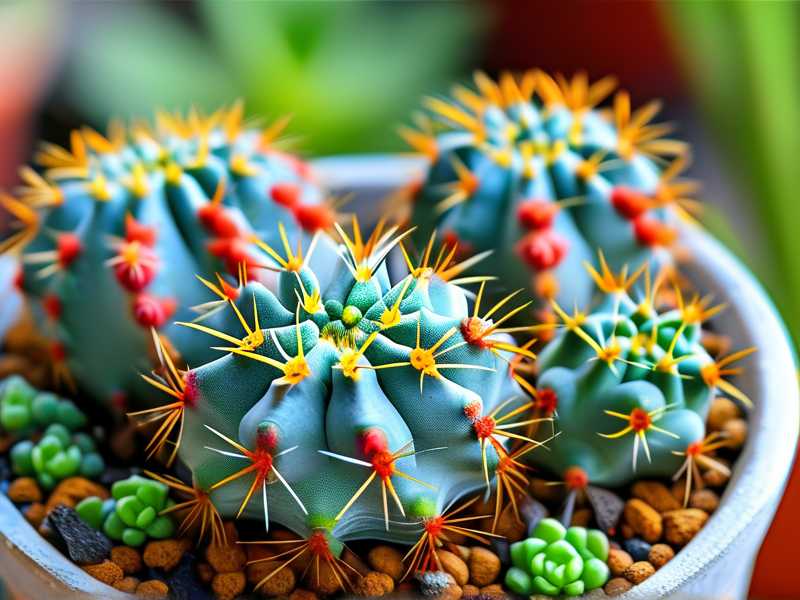
My Two-Week Observation: How to Water Clustered Cactus Without Killing It
I set up a test. I had a healthy cluster of Mammillaria on my windowsill. For two weeks, I followed a strict method. Here’s what I did, step by step.
Week One: The Right Technique
Day 1: I checked the soil. It was bone dry. I used a watering can with a narrow spout. I poured water directly onto the soil, avoiding the cactus body and offshoots completely. I stopped when water ran out of the drainage hole. Then I let it drain completely. No standing water in the saucer.
Day 3: I observed. The offshoots looked plump. No discoloration. The soil was still moist an inch down. I didn’t water again.
Day 7: The soil was dry again. I repeated the process. The offshoots seemed to absorb just enough. No mushiness.
Key takeaway: I watered only once a week. Some people water every few days. That’s a mistake. Clustered cacti need a full dry-out period. The AHS (American Horticultural Society) confirms that succulents, including cacti, require infrequent, deep watering. I keep a calendar. It helps.
Week Two: Adjusting for Humidity
Day 8: It rained. Humidity spiked. I noticed the soil stayed wet longer. I waited an extra day. Day 10: I finally watered. The offshoots looked fine.
Day 14: I checked the offshoots for rot. Nothing. They felt firm. The cluster looked vibrant.
My observation: Weather matters. In high humidity, I water every 10-12 days. In dry heat, every 5-7 days. You need to read your plant. I learned this after my fourth cluster died during a rainy spell.
The 3 Deadly Mistakes Newbies Make (I Made All of Them)
Mistake #1: Overwatering Offshoots Directly
I used to spray my cactus cluster with a mist bottle. Big mistake. Water pooled between the offshoots. Within days, they turned brown and soft. I lost three pups because of this. The solution? Water the soil only. Never the plant body.
The RHS says that water trapped in leaf axils and offshoot crevices leads to fungal rot and bacterial infections. I wish I’d known that earlier. Now I use a long-spout watering can. It targets the soil. The offshoots stay dry. That’s how to water clustered cactus correctly.
Mistake #2: Wrong Light Placement
I put my first cactus cluster in a shaded corner. It stretched. It looked pale. The offshoots grew weak. Then I watered it more, thinking it was thirsty. It wasn’t. It needed light.
My fix: I moved it to a south-facing window. Direct sunlight for 6 hours a day. The offshoots turned darker green. They became more compact. The soil dried faster too. AHS research shows that cacti thrive in bright, indirect to direct light. Poor light reduces transpiration. That means water sits longer in the soil. You water less when light is good.
Mistake #3: Using the Wrong Pot
My second pot had no drainage. I thought I was careful. I added pebbles at the bottom. That’s a myth. Water still pooled at the roots. The offshoots rotted. I touched one, and it collapsed.
The solution: Terracotta pots with drainage holes. I use a 4-inch pot for small clusters. The porous terracotta wicks away excess moisture. The RHS recommends this for succulents. I also avoid glazed pots. They hold too much moisture. I tried a plastic pot once. The offshoots got rot in three weeks. Never again.
How to Water Clustered Cactus: Step-by-Step Method
Step 1: Check Soil Dryness
I stick my finger 2 inches into the soil. If it’s dry, I water. If damp, I wait. Some people use a moisture meter. I just use my finger. It works. For clustered cacti, the soil must dry completely between waterings. Offshoots are sensitive. They rot in damp soil.
Step 2: Use the Soak-and-Dry Method
I water deeply until water runs out of the drainage hole. I let the pot sit in a sink for 10 minutes to drain fully. Then I put it back on a dry saucer. Never let the pot sit in water. That’s a death sentence for offshoots.
Step 3: Protect the Offshoots
I tilt the pot slightly while watering. This helps water run away from the cluster center. If some water gets into the offshoot crevices, I blot it with a paper towel. I learned this after losing a pup to rot. Honestly, it’s the most important step in how to water clustered cactus to avoid overwatering offshoots.
Step 4: Adjust for Seasons
In winter, I water every 3-4 weeks. The cactus goes dormant. In summer, every 5-7 days. I also reduce watering in high humidity. My calendar helps. I note the last watering date. It removes guesswork.
What I Learned from Killing Five Clusters
I’ve lost track of how many cacti I’ve killed. But each death taught me something. My fifth cluster died because I ignored the offshoots. They were hidden under the main plant. I didn’t check them. They rotted silently.
The lesson: Inspect the offshoots regularly. Lift them gently. Look for yellowing or softness. I do this every two weeks. If I see rot, I remove the affected offshoot with a sterile knife. Then I let the wound callous. I water less after that.
I also realized that clustered cacti need different care than single ones. The offshoots compete for water. But they also share resources. You can’t just water the main plant. The soil need to be evenly moist (but not wet) around the entire cluster. I water in a circle around the pot. That covers all roots.
Expert Tips for Long-Term Health
Choose the Right Soil Mix
I use a cactus mix. I add extra perlite or pumice for drainage. The ratio is 2 parts soil to 1 part perlite. This speeds up drying. The RHS recommends a free-draining mix for succulents. I’ve tried sand. It compacts. Perlite is better. It keeps air pockets.
Monitor Offshoot Growth
Offshoots indicate health. If they grow slowly, you might be overwatering. If they’re plump, you’re doing great. I measure growth monthly. Small offshoots should feel firm. If they’re soft, reduce water immediately.
Repot Carefully
When the cluster outgrows its pot, I repot in spring. I choose a pot 1-2 inches wider. I use fresh dry soil. I wait a week before watering. This gives roots time to heal. I damaged offshoots once by watering too soon. They rotted.
The Role of Environment in Watering Frequency
Temperature
In a warm room (75°F+), I water more often. In cooler rooms (60°F), less often. I keep my cactus near a window. But away from AC vents. Cold drafts slow drying.
Humidity
I live in a humid area. Summer is sticky. My cactus cluster dries slowly. I water every 10 days. In winter, when heaters dry the air, I water weekly. I check the soil more often. Offshoots react fast to humidity changes.
Pot Material
Terracotta is best. It breathes. Plastic holds moisture. I use plastic only for very dry climates. For clustered cacti, I stick to terracotta. The AHS notes that porous pots reduce overwatering risk.
Common Misconceptions About Watering Clustered Cactus
“Cacti need water only once a month”
False. In active growth (spring/summer), they need biweekly watering. During dormancy (winter), monthly. But it depends on conditions. My cluster needs weekly water in July. Offshoots tell me. I watch them.
“Misting is good for cactus”
Absolutely not. Misting encourages rot in offshoots. Cacti absorb water through roots, not leaves. Misting only wets the surface. It traps moisture. I never mist my clusters. Not even in dry weather.
“You can’t overwater a cactus if you use drainage”
Wrong. Even with drainage, you can water too often. The soil stays wet for days. That’s overwatering. Drainage helps, but frequency matters more. I learned this from my second dead cluster.
How to Save an Overwatered Clustered Cactus
Step 1: Remove from Pot
If your offshoots look soft, act fast. Remove the cactus from the pot. Gently shake off soil. Inspect roots. Cut away any rotten roots with sterile scissors.
Step 2: Let It Dry
Place the cactus on a paper towel. Let it dry for 2-3 days in a bright spot. No direct sun. The offshoots need to callous. I did this after my third overwatering. It worked.
Step 3: Repot in Dry Soil
Use fresh, dry cactus mix. Don’t water immediately. Wait 5-7 days. Then water sparingly. I saved one offshoot this way. It took two weeks to recover. Patience is key.
Step 4: Reduce Future Watering
After recovery, water less. I cut frequency by half. The offshoots should regain firmness. If not, check for rot again. Repetition helps.
Long-Term Care Tips from a Plant Lover
I’ve been caring for clustered cacti for years. I still make small mistakes. But I’ve learned patterns.
Observation is everything. Spend 5 minutes daily inspecting the cluster. Look at offshoot tips. Look at base color. Healthy offshoots are green or blue-green. Yellow means trouble.
Less is more. When in doubt, don’t water. My rule is: wait an extra day. That saved many offshoots. The RHS advises underwatering over overwatering. I agree.
Learn your plant’s signals. When offshoots shrivel slightly, the cactus is thirsty. That’s normal. Water then. If they wrinkle deeply, you waited too long. Adjust.
My Final Thoughts on Watering Clustered Cactus
I used to think cacti were foolproof. They’re not. Clustered varieties are especially demanding. The offshoots, so cute and small, are the most fragile part. Water them wrong, and they die.
You’ve already learned the main lesson: water the soil, not the cluster. Avoid trapping water in crevices. Use the right pot. Adjust for season and humidity. Check the soil before every watering.
I killed five clusters before getting it right. You don’t have to. Follow these steps for two weeks. Observe the changes. You’ll see growth. You’ll avoid rot. Your cactus will thrive.
Remember, how to water clustered cactus to avoid overwatering offshoots isn’t complicated. It’s about patience, attention, and a little bit of love. Good luck. Your offshoots will thank you.
FAQ
Q: How often should I water a small clustered cactus?
A: Every 5-7 days in summer, every 2-3 weeks in winter. Wait until soil dries fully. Offshoots on small clusters rot faster. Err on the side of under-watering.
Q: Can I use a spray bottle to water my clustered cactus?
A: No. Spray bottles wet the offshoots. This traps water and causes rot. Use a watering can with a spout. Direct water to the soil only.
Q: What do offshoot rot symptoms look like?
A: Soft, mushy spots at the base. Yellowing or brown discoloration. Offshoots may detach easily. Immediate action is needed. Remove rotten parts. Let the rest dry.





