 bluename
 How to Water Slow-Growing Ariocarpus to Speed Up Root Establishment
I killed three Ariocarpus before I figured out the real watering trick. The answer is simple: water deeply but infrequently, only when the soil is bone dry, and always from the bottom. Let me walk you through exactly what I did over two weeks to get roots going strong.
My Two-Week Watering Experiment
I started with a fresh Ariocarpus retusus. It arrived bare-root, looking like a sad little stone. The roots were thin and brittle. I knew I had to act fast.
Day 1: I potted it in a mix of 70% pumice and 30% coarse sand. No organic soil. I placed the pot in a shallow tray filled with filtered water. I let it sit for exactly 15 minutes. Then I removed it and set it on a wire rack to drain completely.
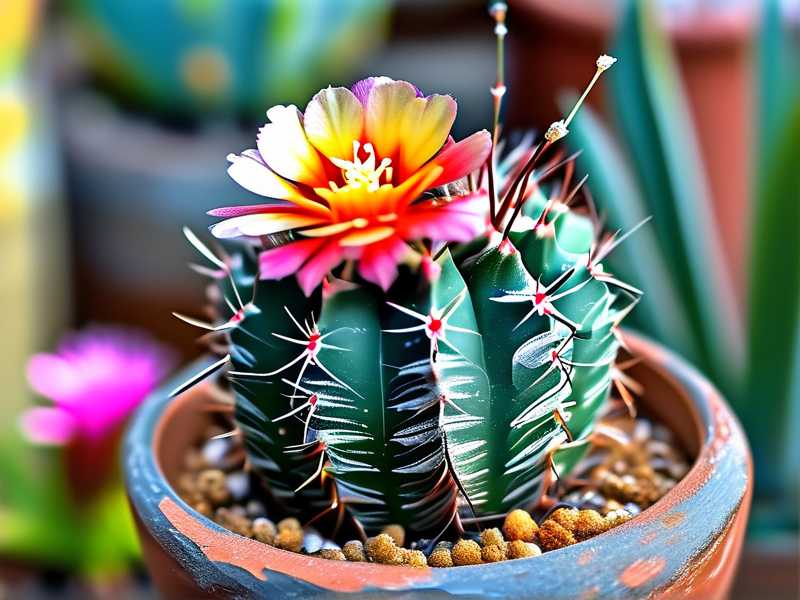
Day 3: The pot felt light. Bone dry. I repeated the bottom-watering process. This time, I waited 20 minutes. The roots were starting to show tiny white tips.
Day 5: I noticed the plant looked slightly plumper. The wrinkles on its skin were smoothing out. I gave it another bottom soak. The water absorbed much faster. The roots were definitely waking up.
Day 7: I checked the soil. Still dry on top. But the bottom of the pot felt slightly damp. I held off watering. Many people would water here. I learned my lesson.
Day 10: The plant looked firm and healthy. New root growth was visible through the drainage hole. I watered again, this time for 25 minutes. The roots were actively drinking.
Day 14: The Ariocarpus had clearly established. A gentle tug showed resistance. The plant was anchored. I switched to a normal maintenance schedule. Every 10-14 days, bottom watering only.
The Three Deadly Mistakes New Growers Make
Mistake 1: Overwatering
90% of indoor plants die from overwatering. Ariocarpus is even more sensitive. I drowned my first plant within three weeks. The soil stayed wet. The roots rotted. The plant turned to mush.
The fix: Never water on a schedule. Test the soil with your finger. Use a wooden skewer. If it comes out damp, wait. Honestly, I've gone three weeks without watering in winter. The plant didn't complain.
Mistake 2: Wrong Light Placement
I placed my second Ariocarpus on a north-facing windowsill. The plant stretched. It looked pale and weak. The roots barely grew. I thought more water would fix it. It made things worse.
The fix: Bright indirect light works best. Morning sun is perfect. Afternoon sun burns them. I use a south-east window with sheer curtains. The plant gets 4-6 hours of gentle light. Root growth exploded after I moved it.
Mistake 3: Using the Wrong Pot
My third plant went into a glazed ceramic pot. Big mistake. The pot held moisture. The air circulation was terrible. Roots suffocated. The plant died slowly over two months.
The fix: Terracotta pots are your best friend. They breathe. They wick moisture away. I use shallow, wide pots. Ariocarpus has a taproot. It grows down, not out. A deep 4-inch pot works perfectly.
Understanding Ariocarpus Watering Needs
Ariocarpus is from northern Mexico and Texas. These plants live in rocky, limestone soils. They get rain maybe 6-8 times a year. The rest of the time, they live on stored moisture.
According to the RHS, cacti like Ariocarpus need a distinct dry period. They recommend watering only when the soil is completely dry. The AHS adds that winter watering should be minimal. I stop watering completely from November to February.
My Complete Watering Method
Step 1: Prepare the Right Mix
I mix 3 parts pumice, 1 part crushed granite, and 1 part coarse sand. No peat moss. No bark. No compost. The mix must drain completely within 30 seconds.
Step 2: Choose the Right Pot
Terracotta pot with large drainage holes. I prefer unglazed. The pot should be only slightly larger than the root ball. Ariocarpus hates being in a pot too big.
Step 3: The First Watering
I wait 24 hours after potting. Then I do a bottom soak. The pot sits in water until the top soil feels damp. Usually 10-15 minutes. I never pour water from the top.
Step 4: Observe, Don't Guess
I check the plant daily. I look for wrinkling skin. I feel for pot lightness. I use a moisture meter for extra accuracy. When the meter reads zero, I water again.
Step 5: Adjust for Seasons
Summer needs more water. Winter needs almost none. I water every 10 days in summer. Every 21 days in spring and fall. Zero water in winter.
Tools I Actually Use
- Long-spout watering can: Reaches under leaves easily
- Moisture meter: Takes the guesswork out
- Terracotta saucers: Catch excess water without trapping it
- Shallow plastic tray: For bottom watering
- Pumice and sand: Bulk-buy from local garden center
Signs You're Doing It Right
- White root tips appear within two weeks
- Plant looks plump and firm
- Skin has natural greenish-grey color
- Pot feels light 3-4 days after watering
- New small offsets may appear in spring
Signs You're Killing It
- Mushy or brown base
- Yellowing or translucent skin
- Root rot smell
- Plant wobbles in pot
- No new growth after three months
How I Fixed My Past Failures
I lost my first Ariocarpus to love. I watered it twice a week. It rotted in 20 days. My second died from neglect. I put it in a dark corner. It never rooted. My third was potted wrong. The clay pot held moisture like a sponge.
After those failures, I studied the plant's natural habitat. It grows in limestone crevices. Water runs off quickly. Roots spread horizontally in shallow soil. I replicated that. Now every watering session leads to visible growth.
Common Questions Answered
How often should I water a newly potted Ariocarpus?
Every 7-10 days for the first month. Then stretch to 10-14 days. Always check soil moisture first. I never water on a fixed schedule. The plant tells me when it's thirsty.
Can I use tap water?
I use filtered water. Ariocarpus is sensitive to minerals. Tap water leaves salt deposits. These can burn roots over time. Rainwater is even better. I collect it during storms.
Should I water during dormancy?
No. Ariocarpus goes dormant in winter. Watering during this time rots roots. I stop completely from November to February. The plant survives on stored moisture.
My Final Tips for Success
Start with a healthy plant. Check roots before potting. Use 100% inorganic soil. Give it bright light but not direct afternoon sun. Water from below. Never let soil stay wet.
I've been growing Ariocarpus for five years now. My collection has grown from one to twelve plants. Each one has taught me something new. The most important lesson? Less is more. These plants thrive on neglect.
FAQ
Why is my Ariocarpus turning yellow?
Yellow skin usually means overwatering. Check roots immediately. If they're brown and mushy, trim away rot. Repot in dry mix. Wait two weeks before watering again.
Can I water from the top?
I don't recommend it. Water collects in the crown. This causes rot. Bottom watering is safer. It encourages roots to grow downward. The plant stays healthier.
How long should I soak during bottom watering?
15-25 minutes. The pot should sit in water until the top layer feels damp. If it takes longer, your mix may be too dense. Adjust with more pumice.
What if my Ariocarpus isn't growing?
Check light levels first. Then check soil drainage. Finally, check watering frequency. Many times, roots are stagnant because conditions aren't right. Adjust one factor at a time.
Can I use fertilizer?
Yes, but sparingly. I use a cactus-specific fertilizer at quarter strength. Apply only during the growing season. Once a month from April to September. Never during dormancy.





